
Outdoor living has evolved dramatically over the past decade, and what was once just a place for grilling and lounging has transformed into a full-fledged entertainment zone. Backyards, patios, and decks are now extensions of our homes—complete with outdoor kitchens, fire pits, sound systems, and yes, even TVs. As more people invest in creating comfortable, functional outdoor spaces, the demand for reliable, high-quality backyard TVs has surged. Whether you’re hosting a summer barbecue, watching the big game under the stars, or enjoying a quiet movie night with family, having a TV designed for outdoor use can elevate your experience significantly.
But not all TVs are created equal when it comes to outdoor performance. Standard indoor televisions simply aren’t built to withstand the elements—sunlight glare, humidity, temperature swings, dust, and even insects can quickly degrade their performance or cause permanent damage. That’s why choosing the right backyard TV isn’t just about picture quality or screen size; it’s about durability, visibility in bright conditions, weather resistance, and long-term reliability. With so many options flooding the market—from rugged outdoor models to clever DIY setups—it’s easy to feel overwhelmed. This guide cuts through the noise to help you make an informed decision that matches your lifestyle, budget, and entertainment goals.
In this comprehensive buying guide, we’ll walk you through everything you need to know before investing in a backyard TV. You’ll learn how to evaluate key factors like brightness, weatherproofing, mounting options, and smart features. We’ll compare different types of outdoor TVs, highlight common pitfalls to avoid, and provide expert-backed recommendations based on real-world use cases. Whether you’re a casual viewer or a serious outdoor entertainer, this guide will equip you with the knowledge to choose a TV that delivers stunning visuals season after season—no matter the weather.
What to Look for When Buying a Backyard TV
1. Brightness & Screen Visibility in Sunlight
One of the most critical factors when selecting a backyard TV is its ability to remain visible in direct sunlight. Standard indoor TVs typically offer brightness levels between 300 and 500 nits, which may look great in a dimly lit living room but become nearly impossible to see on a sunny deck. Outdoor TVs, by contrast, are engineered for high ambient light conditions and often feature brightness ratings of 700 nits or higher—some premium models even reach 2,500 nits or more.
Look for displays with anti-reflective coatings and optically bonded screens. These technologies reduce glare and improve contrast by minimizing the space between the glass and the display panel. Without these features, sunlight reflecting off the screen can wash out colors and make content illegible. Additionally, consider the viewing angle: if your seating arrangement spans a wide arc (common in backyard setups), opt for a TV with wide viewing angles (ideally 178 degrees) to ensure consistent image quality from the side.
2. Weather Resistance & Environmental Protection
Unlike indoor TVs, backyard models must endure fluctuating temperatures, moisture, dust, and UV exposure. True outdoor TVs are built with sealed enclosures that meet IP (Ingress Protection) ratings—typically IP55 or higher—which means they’re protected against dust and water jets from any direction. Some premium models even boast IP65 or IP66 ratings, offering near-total protection against dust and powerful water sprays.
Pay close attention to the operating temperature range. Most outdoor TVs function reliably between -22°F and 122°F (-30°C to 50°C), making them suitable for nearly all climates. However, extreme cold can affect LCD response times, while excessive heat may trigger thermal shutdowns. Also, ensure the TV uses marine-grade components and corrosion-resistant materials, especially if you live near the coast or in humid regions.
Never assume an “all-weather” label guarantees full protection. Always verify the manufacturer’s specifications and look for certifications like UL Listed for outdoor use. Avoid placing non-outdoor TVs in enclosures unless explicitly rated for such use—many DIY weatherproof boxes don’t provide adequate ventilation or thermal management, leading to overheating and premature failure.
3. Build Quality & Durability
A backyard TV is a long-term investment, so build quality matters immensely. Look for robust metal chassis (often aluminum or stainless steel) instead of plastic housings, which can warp, crack, or degrade under UV exposure. The internal components should be rated for continuous operation in harsh conditions, including power supplies, cooling fans (if present), and circuit boards treated with conformal coating to resist moisture and corrosion.
Check the weight and structural integrity—heavier TVs often indicate better materials and sturdier construction. Also, examine the ports and connectors: they should be sealed or covered to prevent water ingress. HDMI, USB, and antenna inputs must remain accessible yet protected when not in use.
Durability also extends to the remote control and user interface. Many outdoor TVs come with weather-resistant remotes or support smartphone apps for control, which is especially useful if the TV is mounted high or behind glass. Some models even include built-in heaters or coolers to maintain optimal internal temperatures, further extending lifespan.
4. Size & Viewing Distance
Choosing the right screen size depends on your deck layout, seating arrangement, and typical viewing distance. As a general rule, multiply your viewing distance (in inches) by 0.84 to get the ideal screen diagonal in inches. For example, if viewers sit 10 feet (120 inches) away, a 100-inch screen (120 × 0.84 ≈ 101) would provide an immersive experience.
However, outdoor environments often have more ambient light and less controlled acoustics, so larger screens can enhance engagement without requiring louder audio. Common backyard TV sizes range from 43 inches (ideal for small patios) to 85 inches or more (perfect for large decks or pool areas). Ultra-large screens (98+ inches) are becoming more accessible but come with higher price tags and require sturdy mounting solutions.
Consider the physical dimensions and weight, too. A 75-inch outdoor TV can weigh over 100 pounds, so ensure your wall or stand can support it safely. Also, factor in clearance for ventilation—most outdoor TVs need at least 4–6 inches of space around the unit for airflow.
5. Smart Features & Connectivity
Modern backyard TVs increasingly include smart platforms like Android TV, webOS, or Roku, allowing direct streaming from Netflix, YouTube, Disney+, and other services without external devices. This eliminates clutter and simplifies setup, especially if you don’t want to run cables for a separate streaming box.
Look for Wi-Fi 6 or dual-band Wi-Fi support for stable streaming in outdoor areas where signal strength may be weaker. Bluetooth connectivity is also useful for pairing wireless speakers or headphones. Ensure the TV has multiple HDMI ports (preferably HDMI 2.1 for future-proofing), USB inputs, and possibly an Ethernet port for wired internet if Wi-Fi is unreliable.
Voice control via Google Assistant or Alexa is a nice bonus, enabling hands-free operation while cooking or socializing. Some high-end models even integrate with home automation systems, allowing you to adjust lighting, volume, or playback from a single app.
6. Audio Performance & Speaker Options
Outdoor spaces lack the acoustic containment of indoor rooms, so built-in TV speakers often struggle to deliver clear, powerful sound. Many outdoor TVs come with enhanced audio systems—dual 10W or 20W speakers, bass reflex designs, or even Dolby Audio support—but they still may not suffice for larger gatherings.
Consider pairing your TV with outdoor-rated soundbars or wireless speakers. Look for models with weather resistance (IPX5 or higher) and long-range Bluetooth or Wi-Fi connectivity. Some manufacturers offer matching audio systems designed specifically for their TVs, ensuring seamless integration and optimal performance.
If you’re mounting the TV under a covered patio or pergola, you might also explore in-ceiling or in-wall outdoor speakers for a clean, immersive audio experience. Just ensure all audio equipment is rated for outdoor use to avoid damage from moisture or temperature changes.
7. Mounting & Installation Flexibility
How and where you mount your TV significantly impacts both safety and usability. Most backyard TVs support VESA mounting patterns (e.g., 200×200, 400×400), compatible with standard wall mounts, ceiling mounts, or articulating arms. For decks with limited wall space, consider a freestanding outdoor TV cabinet or a motorized lift system that raises the TV from a hidden compartment.
Ensure the mounting hardware is also weatherproof—stainless steel bolts, galvanized brackets, and rust-resistant coatings are essential. If mounting on a wood deck railing or composite material, use appropriate anchors and avoid over-tightening, which can crack surfaces.
Professional installation is highly recommended, especially for larger screens or complex setups. Improper mounting can lead to structural failure, electrical hazards, or voided warranties. Always follow the manufacturer’s guidelines and local building codes.
8. Brand Reputation & Customer Support
Not all outdoor TV brands are created equal. Established names like SunBriteTV, Seura, and Samsung (with their Terrace line) have proven track records in outdoor display technology, offering reliable products backed by strong customer service. Lesser-known brands may offer lower prices but often cut corners on build quality, software updates, or warranty coverage.
Research user reviews on trusted platforms like Amazon, Best Buy, or specialized forums. Pay attention to comments about long-term durability, ease of setup, and responsiveness of customer support. A reputable brand will provide detailed installation guides, responsive technical assistance, and clear warranty terms.
Also, check if the company offers extended warranties or service plans. Outdoor TVs are exposed to harsher conditions than indoor models, so having reliable support can save you time and money down the road.
Different Types of Backyard TVs

Common Buying Mistakes to Avoid

❌ Mistake: Using a Standard Indoor TV Outdoors
Why it’s bad: Indoor TVs lack weatherproofing, have low brightness, and aren’t designed for temperature extremes. Exposure to moisture, dust, or direct sunlight can cause immediate damage, void warranties, and create safety hazards like electrical shorts or screen burn-in.
What to do instead: Invest in a purpose-built outdoor TV or use a certified weatherproof enclosure if you must repurpose an indoor model. Always check the IP rating and operating temperature range before installation.
❌ Mistake: Ignoring Sunlight Conditions
Why it’s bad: A TV that looks great in shade may be unusable in direct sun. Low-brightness screens become mirrors under bright skies, making content impossible to see during daytime events.
What to do instead: Assess your deck’s sun exposure throughout the day. If it receives direct sunlight for more than 2–3 hours, choose a TV with at least 1,000 nits brightness and anti-glare coating.
❌ Mistake: Overlooking Audio Needs
Why it’s bad: Built-in TV speakers are often weak and muffled outdoors due to open space and ambient noise (wind, traffic, chatter). Poor audio ruins the viewing experience, especially for sports or action movies.
What to do instead: Pair your TV with outdoor-rated wireless speakers or a soundbar. Test audio setup during daytime and nighttime to ensure clarity at various volumes.
❌ Mistake: Skimping on Mounting Hardware
Why it’s bad: Using indoor mounts or low-quality brackets outdoors can lead to rust, instability, or collapse—especially in windy conditions. This poses serious safety risks and can damage your TV or property.
What to do instead: Use marine-grade stainless steel mounts rated for outdoor use. Consult a professional installer if unsure about load capacity or structural integrity.
❌ Mistake: Not Planning for Cable Management
Why it’s bad: Exposed cables are tripping hazards, attract pests, and degrade quickly when exposed to UV light and moisture. They also detract from the clean look of your outdoor space.
What to do instead: Run cables through waterproof conduit or use in-wall solutions where possible. Choose wireless streaming options to minimize wired connections.
❌ Mistake: Forgetting About Power Supply & Surge Protection
Why it’s bad: Outdoor electrical outlets are vulnerable to power surges from lightning or grid fluctuations. Without protection, your TV could be fried during a storm.
What to do instead: Install a weatherproof GFCI outlet and use a high-quality outdoor surge protector. Consider a UPS (uninterruptible power supply) for added reliability during outages.
❌ Mistake: Buying Based Solely on Price
Why it’s bad: The cheapest option often sacrifices durability, brightness, or support. You may end up replacing it within a year, costing more in the long run.
What to do instead: Balance budget with key features. A mid-range outdoor TV ($1,200–$2,500) often offers the best value for most homeowners.
Budget Guidelines: How Much Should You Spend?
Entry-Level ($500 – $1,200): This tier includes indoor TVs in basic weatherproof enclosures or partial-shade outdoor models. Expect lower brightness (500–700 nits), limited smart features, and shorter lifespans. Best for covered patios with minimal sun exposure or temporary setups.
Mid-Range ($1,200 – $3,000): The sweet spot for most buyers. These TVs offer 800–1,500 nits brightness, IP55+ weather resistance, robust builds, and full smart platforms. Ideal for decks with partial sun or frequent evening use. Brands like SunBriteTV Veranda and Samsung Terrace fall here.
Premium ($3,000 – $6,000): Designed for full sun exposure and professional-grade durability. Features include 2,000+ nits brightness, advanced thermal management, conformal-coated internals, and premium audio. Perfect for poolside entertaining or commercial outdoor spaces.
Luxury ($6,000+): Top-tier models with ultra-high brightness, custom finishes, integrated heating/cooling, and bespoke installation services. Often used in luxury homes, hotels, or resorts. Examples include Seura Shadow and SunBriteTV Pro series.
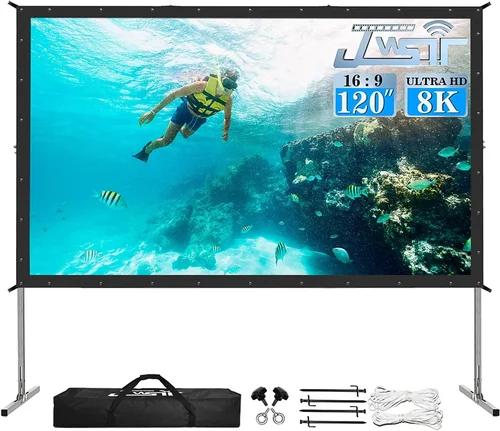
Expert Tips for Getting the Best Deal
1. Shop During Off-Season Sales: Outdoor TVs see peak demand in spring and summer. Buy in late fall or winter (November–February) for discounts of 15–30%. Retailers often clear inventory before new models launch.
2. Compare Retailers Strategically: Check specialty outdoor electronics stores (like Outdoor TV Direct or Seura’s site), big-box retailers (Best Buy, Costco), and online marketplaces. Sometimes local AV integrators offer bundled deals with installation.
3. Look for Bundled Packages: Many brands offer TV + mount + soundbar kits at a reduced rate. These save money and ensure compatibility.
4. Verify Return & Warranty Policies: Ensure the retailer allows returns if the TV doesn’t perform as expected outdoors. Aim for at least a 2-year warranty with coverage for weather-related issues.
5. Test Before Finalizing: If possible, visit a showroom to view the TV in bright conditions. Pay attention to color accuracy, motion handling, and remote responsiveness.
6. Consider Refurbished or Open-Box Units: Certified refurbished outdoor TVs from reputable sellers can save 20–40% and often include the same warranty as new models.
7. Negotiate Installation Costs: Some retailers waive installation fees with purchase. Others offer financing options—useful for higher-end models.
8. Future-Proof with Upgradable Features: Choose TVs with replaceable components (like Wi-Fi modules) or firmware update support to extend usability as technology evolves.

Frequently Asked Questions
Q: Can I use my regular TV outside if I cover it?
A: Technically yes, but only with a certified outdoor enclosure that provides proper ventilation, thermal management, and IP-rated protection. Most DIY covers don’t meet these standards and can cause overheating or moisture buildup. For reliable performance, a purpose-built outdoor TV is strongly recommended.
Q: Do outdoor TVs consume more power?
A: Not necessarily. While high-brightness modes use more energy, many outdoor TVs include energy-saving features like ambient light sensors that adjust brightness automatically. Overall consumption is comparable to similarly sized indoor models.
Q: How do I clean an outdoor TV screen?
A: Use a microfiber cloth and mild, non-abrasive cleaner (like distilled water or screen-safe solutions). Avoid ammonia-based cleaners, paper towels, or excessive pressure, which can scratch anti-reflective coatings.
Q: Will an outdoor TV work in winter?
A: Yes, as long as it’s rated for low temperatures (most operate down to -22°F). However, extreme cold may slow startup times. Some models include internal heaters to maintain optimal operating conditions.
Q: Can I mount an outdoor TV on a wooden deck post?
A: Only if the post is structurally sound and properly reinforced. Use lag bolts designed for outdoor use and consult a contractor if the post is freestanding or load-bearing.
Q: Do outdoor TVs come with built-in heaters or coolers?
A: High-end models often include passive cooling (heat sinks) or active systems (fans, Peltier coolers). Heaters are less common but available in premium lines for extreme climates.
Q: Are outdoor TVs compatible with streaming devices?
A: Absolutely. Most support HDMI inputs for Roku, Apple TV, Fire Stick, etc. However, built-in smart platforms reduce cable clutter and simplify control.
Q: How long do outdoor TVs last?
A: With proper care, a quality outdoor TV can last 7–10 years or more. Regular maintenance (cleaning vents, checking seals) helps maximize lifespan.
Q: Can I use solar power for my outdoor TV?
A: Yes, with a properly sized solar panel system, battery bank, and inverter. Ensure the setup can handle peak power draw during startup and bright-mode operation.
Q: What’s the difference between IP55 and IP65?
A: IP55 protects against dust (limited ingress) and water jets from any direction. IP65 offers total dust protection and resistance to low-pressure water jets—making it better for harsher environments.
Our Final Recommendations
Best for Budget-Conscious Buyers: SunBriteTV Veranda Series (55″) – Offers excellent brightness (1,000 nits), IP55 rating, and reliable performance under $2,000. Perfect for covered decks.
Best Overall Value: Samsung The Terrace (65″) – Combines QLED color, 2,000-nit brightness, and robust build quality at a competitive price (~$3,500). Ideal for mixed sun/shade areas.
Best Premium Option: Seura Shadow (75″) – Ultra-bright (2,500 nits), sleek design, and whisper-quiet operation. Built for luxury outdoor living (~$5,500).
Best for Beginners: LG Outdoor TV (50″) – User-friendly webOS interface, good brightness (800 nits), and straightforward setup. Great first outdoor TV (~$1,800).
Best for Advanced Users: SunBriteTV Pro Series (86″) – Commercial-grade durability, modular design, and customizable mounting. For serious entertainers and tech enthusiasts (~$7,000+).
Conclusion: Making the Right Choice
Choosing the right backyard TV is about more than just picking the biggest screen or the shiniest features—it’s about aligning your purchase with your environment, usage habits, and long-term goals. From battling glare on a sunny deck to ensuring your investment survives rain, snow, and summer heat, every detail matters. By focusing on brightness, weather resistance, build quality, and smart functionality, you’ll avoid costly mistakes and enjoy seamless outdoor entertainment for years to come.
Remember, the best TV for your neighbor might not be the best for you. Take time to assess your space, consider your typical viewing times, and prioritize features that match your lifestyle. Whether you’re hosting game nights, movie marathons, or quiet evenings under the stars, the right backyard TV transforms your outdoor area into a true extension of your home.
Don’t rush the decision. Use this guide as your roadmap, compare options carefully, and invest wisely. Your perfect outdoor entertainment setup is within reach—just one smart choice away.

