
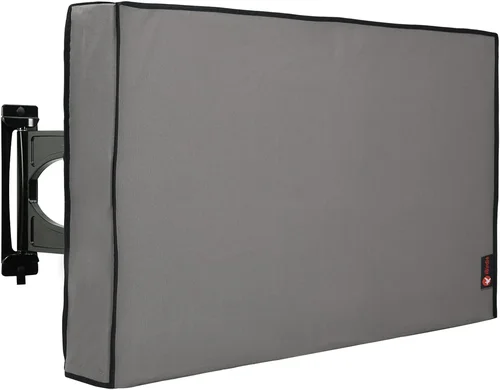
Welcome to the most comprehensive guide for choosing the perfect backyard TV for your covered patio. Whether you’re planning to host summer barbecues, watch the big game under string lights, or enjoy a quiet movie night under the stars, having the right outdoor television can transform your outdoor living space into a true entertainment hub. But here’s the catch: not all TVs are built to handle the unique challenges of outdoor environments—even under a covered patio. Humidity, temperature fluctuations, dust, and varying light conditions all play a role in how well your TV will perform and how long it will last.
This guide is designed to cut through the noise and help you make an informed decision. We’ll walk you through every critical factor—from display technology and weather resistance to smart features and budget considerations—so you can confidently choose a TV that delivers stunning picture quality, reliable performance, and long-term durability. Whether you’re a casual viewer or a home theater enthusiast looking to extend your entertainment outdoors, this guide will equip you with expert-level knowledge to find the ideal backyard TV for your space.
The market for outdoor TVs has evolved significantly in recent years. What was once a niche category dominated by a handful of rugged, expensive models has now expanded to include a wide range of options—from weather-resistant indoor TVs with added protection to fully outdoor-rated displays engineered for year-round use. Brands like Samsung, LG, Sony, and specialized outdoor manufacturers such as SunBriteTV and Seura have introduced models that blend cutting-edge technology with outdoor durability. With advancements in OLED, QLED, and mini-LED displays, even outdoor viewing can now rival indoor experiences. In this guide, we’ll compare these options, highlight what to look for, and help you avoid common pitfalls so you can enjoy your outdoor oasis to the fullest.

What to Look for When Buying Buying Guide
1. Weather Resistance & IP Rating
One of the most critical factors when selecting a backyard TV for a covered patio is its ability to withstand environmental elements. Even under cover, your TV will be exposed to humidity, temperature swings, dust, and occasional moisture from rain or sprinklers. This is where the Ingress Protection (IP) rating becomes essential. The IP rating consists of two numbers: the first indicates protection against solid particles (like dust), and the second refers to resistance to liquids (like water). For a covered patio, an IP55 rating is typically sufficient—this means the TV is protected against dust and low-pressure water jets from any direction. However, if your patio is partially exposed or near a pool, consider models with IP65 or higher for added peace of mind.
Look for TVs with sealed components, corrosion-resistant materials, and ventilation systems designed to prevent overheating without allowing moisture ingress. Some outdoor TVs also feature anti-reflective coatings and enhanced brightness to combat glare from ambient light. Avoid using standard indoor TVs outdoors, even under cover, as they lack the necessary protection and can fail prematurely due to moisture buildup or thermal stress.
2. Display Brightness & Anti-Glare Technology
Brightness is arguably the most important performance metric for any outdoor TV. Unlike indoor environments where lighting is controlled, a covered patio can still receive significant ambient light—especially during daytime viewing. A standard indoor TV typically peaks at around 300–400 nits, which is insufficient for outdoor use. For a covered patio, you’ll want a TV with a minimum brightness of 700 nits, but ideally 1,000 nits or higher for optimal visibility in bright conditions.
Look for TVs with high peak brightness and advanced anti-glare or anti-reflective coatings. These features reduce screen reflections and improve contrast, making it easier to see details even when the sun is shining. Some premium outdoor models use direct-lit LED or mini-LED backlighting to enhance brightness uniformity and local dimming performance. Additionally, consider the screen finish: matte finishes are better than glossy ones for reducing glare, though they may slightly reduce color vibrancy.
OLED TVs, while offering exceptional contrast and color accuracy, often struggle with brightness levels required for outdoor use. However, newer outdoor-rated OLED models from LG and Sony now feature enhanced brightness modes and heat management systems that make them viable for covered patios. If you prioritize deep blacks and cinematic color, an outdoor OLED might be worth the investment—just ensure it’s specifically designed for outdoor environments.
3. Build Quality & Durability
Outdoor TVs must endure more than just weather—they’re also subject to vibrations from wind, accidental bumps, and long-term exposure to UV rays. Build quality matters. Look for TVs constructed with robust materials such as powder-coated aluminum or marine-grade stainless steel. These materials resist rust, fading, and corrosion, ensuring your TV remains functional and visually appealing for years.
Pay attention to the mounting system. Outdoor TVs should come with secure, weatherproof mounting brackets that allow for tilt and swivel adjustments. Some models include built-in cable management to keep wires organized and protected from the elements. Also, consider the internal components: high-quality capacitors, sealed circuit boards, and thermal management systems (like passive cooling or heat sinks) are essential for preventing overheating during summer months.
Durability also extends to the remote control and input ports. Ensure the remote is weather-resistant or consider using a universal remote with a protective case. Input ports (HDMI, USB, etc.) should be covered with rubberized flaps or located in a sealed compartment to prevent moisture damage.
4. Smart Features & Connectivity
Modern outdoor TVs are no longer just displays—they’re full-fledged smart entertainment systems. Most outdoor-rated models now come with built-in Wi-Fi, Bluetooth, and popular streaming platforms like Netflix, YouTube, Disney+, and Amazon Prime Video. This allows you to enjoy your favorite content without needing an external streaming device.
Look for TVs with intuitive operating systems such as Google TV, webOS (LG), or Tizen (Samsung). These platforms offer voice control via Google Assistant or Alexa, app stores for downloading additional services, and seamless integration with other smart home devices. Some models even support screen mirroring and casting from smartphones or tablets, making it easy to share photos or videos with guests.
Connectivity options are equally important. Ensure the TV has multiple HDMI ports (preferably HDMI 2.1 for future-proofing), USB ports for media playback, and an Ethernet port for a stable wired connection. If you plan to use a soundbar or external speakers, check for optical audio output or ARC (Audio Return Channel) support.
5. Size & Viewing Distance
Choosing the right screen size is crucial for both comfort and visual impact. A TV that’s too small will be hard to see from a distance, while one that’s too large can overwhelm the space and strain your eyes. As a general rule, the optimal viewing distance is about 1.5 to 2.5 times the diagonal screen size. For example, a 55-inch TV is best viewed from 6.9 to 11.5 feet away.
Consider the layout of your patio. If you have a large seating area with multiple viewing angles, a 65-inch or 75-inch model may be ideal. For smaller spaces or intimate gatherings, a 50-inch or 55-inch TV might be more appropriate. Also, think about mounting height: the center of the screen should be at or slightly below eye level when seated.
Outdoor TVs are available in sizes ranging from 43 inches to 85 inches or more. Larger screens not only provide a more immersive experience but also help maintain visibility in bright conditions. However, larger TVs also consume more power and may require stronger mounting hardware. Always measure your space and consider the weight and dimensions before purchasing.
6. Audio Performance
While picture quality often takes center stage, audio is equally important for a complete entertainment experience. Most outdoor TVs come with built-in speakers, but these are often limited in power and clarity—especially when competing with outdoor noise like wind, traffic, or conversation.
For casual viewing, built-in audio may suffice, but for movies, sports, or music, consider pairing your TV with an outdoor soundbar or wireless speaker system. Look for TVs with audio output options (optical, HDMI ARC, or Bluetooth) to connect external audio devices. Some outdoor TVs also support Dolby Atmos or DTS:X for a more immersive sound experience.
If you’re mounting the TV on a wall, ensure there’s enough space behind it for sound to project forward. Avoid placing the TV in a corner or enclosed space, as this can muffle audio. For larger patios, a multi-speaker setup with a subwoofer can deliver rich, room-filling sound.
7. Energy Efficiency & Power Consumption
Outdoor TVs, especially those with high brightness and large screens, can consume significant amounts of power. While this may not be a major concern for occasional use, it can add up over time if you’re using the TV daily. Look for models with Energy Star certification or low power consumption ratings.
Modern LED and mini-LED TVs are generally more energy-efficient than older plasma or CCFL-backlit models. Features like automatic brightness adjustment (which dims the screen in low light) and sleep timers can also help reduce energy use. Some smart TVs include energy-saving modes that optimize performance based on content and ambient conditions.
Consider the power source as well. Most outdoor TVs require a standard 120V outlet, but ensure your patio has a GFCI (Ground Fault Circuit Interrupter) outlet for safety. If you’re installing the TV in a remote area, you may need to run an extension cord or hire an electrician to install a dedicated outlet.
8. Brand Reputation & Customer Support
Not all TV brands are created equal—especially when it comes to outdoor durability. Established manufacturers like Samsung, LG, and Sony have a proven track record of producing reliable, high-performance displays. However, for outdoor-specific needs, brands like SunBriteTV, Seura, and Peerless-AV specialize in weather-resistant TVs and offer models engineered specifically for outdoor use.
Research customer reviews and expert ratings to gauge reliability and long-term performance. Look for brands that offer comprehensive warranties (typically 2–3 years for outdoor models) and responsive customer support. Some companies even provide on-site service or replacement programs for outdoor installations.
Avoid generic or off-brand TVs marketed as “outdoor-ready” without proper certifications. These models may lack the necessary weatherproofing and can fail prematurely, leaving you with a costly repair or replacement.
Different Types of Buying Guide
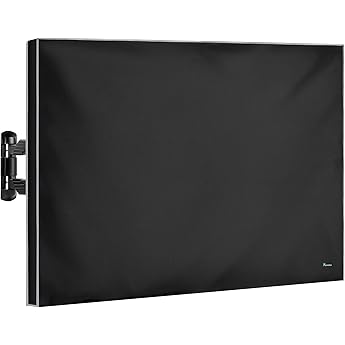
Common Buying Mistakes to Avoid
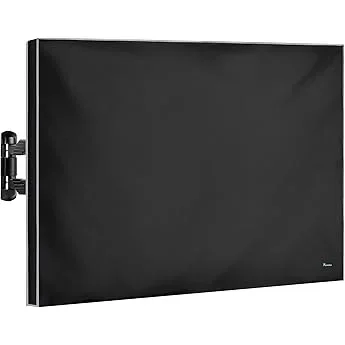
❌ Mistake: Using a Standard Indoor TV Outdoors
Why it’s bad: Indoor TVs lack weatherproofing, corrosion resistance, and thermal management. Exposure to humidity, dust, or temperature changes can cause internal damage, screen fogging, or complete failure within months.
What to do instead: Invest in a TV specifically designed for outdoor use, even if it’s just for a covered patio. Look for models with IP ratings and outdoor certifications.
❌ Mistake: Ignoring Brightness Requirements
Why it’s bad: A dim screen will look washed out in daylight, making it difficult to see details, especially during sports or action scenes.
What to do instead: Choose a TV with at least 700 nits of brightness, and ideally 1,000+ nits for daytime viewing. Check reviews for real-world brightness performance.
❌ Mistake: Overlooking Audio Needs
Why it’s bad: Built-in speakers on outdoor TVs are often weak and muffled, leading to poor dialogue clarity and lack of immersion.
What to do instead: Pair your TV with an outdoor soundbar or wireless speaker system. Consider models with Dolby Audio or DTS support for better sound quality.
❌ Mistake: Choosing the Wrong Size
Why it’s bad: A TV that’s too small will be hard to see from a distance, while one that’s too large can dominate the space and cause eye strain.
What to do instead: Use the 1.5x to 2.5x screen size rule to determine optimal viewing distance. Measure your patio and seating layout before buying.
❌ Mistake: Skimping on Mounting Hardware
Why it’s bad: Standard wall mounts aren’t designed for outdoor conditions and may rust or fail over time.
What to do instead: Use weatherproof, corrosion-resistant mounting brackets rated for outdoor use. Ensure the mount allows for tilt and swivel adjustments.
❌ Mistake: Not Checking Wi-Fi Signal Strength
Why it’s bad: Weak Wi-Fi can cause buffering, lag, and interrupted streaming, ruining the viewing experience.
What to do instead: Test your Wi-Fi signal on the patio before installation. Use a mesh network or outdoor extender if needed.
❌ Mistake: Forgetting About Power and Cable Management
Why it’s bad: Exposed cables can be tripping hazards, get damaged by weather, or attract pests.
What to do instead: Use weatherproof conduit or cable raceways to protect wires. Ensure all connections are sealed and routed safely.
Budget Guidelines: How Much Should You Spend?
Entry-Level ($500 – $1,200): This tier includes weather-resistant indoor TVs or basic outdoor models with moderate brightness (500–700 nits) and limited smart features. Ideal for shaded patios with minimal exposure. Expect brands like TCL or Hisense with added outdoor enclosures.
Mid-Range ($1,200 – $2,500): The sweet spot for most homeowners. These TVs offer 700–1,000+ nits brightness, IP55 ratings, full smart functionality, and reliable build quality. Models from Samsung, LG, and SunBriteTV fall into this category and provide excellent value.
Premium ($2,500 – $4,000): For enthusiasts who want top-tier performance. These include outdoor OLEDs, mini-LED models, and high-brightness QLEDs with advanced anti-glare coatings. Expect superior color accuracy, contrast, and durability.
Luxury ($4,000+): Top-of-the-line all-weather displays designed for commercial use or extreme environments. These feature IP66/IP67 ratings, 24/7 operation capability, and professional-grade components. Best for large patios, pool areas, or luxury outdoor theaters.
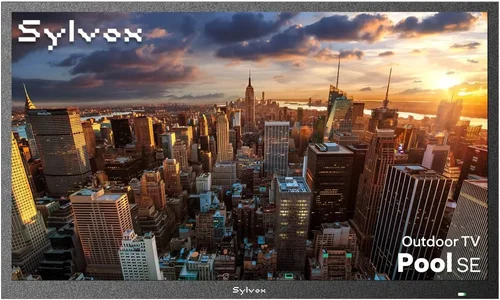
Expert Tips for Getting the Best Deal
1. Buy During Seasonal Sales: The best time to purchase an outdoor TV is during spring and early summer (March–June) when retailers promote outdoor living products. Black Friday and Cyber Monday also offer significant discounts.
2. Compare Retailers: Check prices at Best Buy, Home Depot, Amazon, and specialty outdoor electronics stores. Some retailers offer price matching or bundle deals with mounts and soundbars.
3. Look for Certified Refurbished Models: Many manufacturers sell certified refurbished outdoor TVs at 20–30% off retail price. These come with full warranties and are thoroughly tested.
4. Negotiate Installation Packages: Some retailers offer free or discounted installation when you purchase a TV and mount together. This can save you $100–$300 in labor costs.
5. Read the Fine Print on Warranties: Ensure the warranty covers outdoor use. Some indoor TVs void the warranty if used outside, even under cover.
6. Test Before You Buy: If possible, visit a showroom to see the TV in person. Check brightness, color accuracy, and menu navigation under simulated outdoor lighting.
7. Consider Future-Proofing: Invest in a TV with HDMI 2.1, 4K/120Hz support, and smart platform updates to ensure it remains relevant for years.

Frequently Asked Questions
Q: Can I use a regular TV on my covered patio?
A: Technically yes, but it’s not recommended. Standard indoor TVs lack weatherproofing and can fail due to humidity, dust, or temperature changes. For long-term reliability, choose a TV designed for outdoor use.
Q: How bright should my outdoor TV be?
A: Aim for at least 700 nits for shaded patios and 1,000+ nits for areas with direct sunlight. Brightness ensures visibility and prevents the image from looking washed out.
Q: Do outdoor TVs need special mounts?
A: Yes. Use weatherproof, corrosion-resistant mounts rated for outdoor use. Standard indoor mounts may rust or fail over time.
Q: Can I leave my outdoor TV on all the time?
A: Most outdoor TVs are designed for continuous use, but check the manufacturer’s guidelines. Avoid leaving it on during extreme weather unless it’s rated for 24/7 operation.
Q: Are outdoor TVs worth the extra cost?
A: If you plan to use your patio frequently for entertainment, yes. The durability, brightness, and reliability justify the investment compared to risking damage with an indoor TV.
Q: Can I use a projector instead of a TV?
A: Projectors can work for outdoor movie nights, but they require darkness and a flat surface. For everyday use, a TV offers better brightness, convenience, and reliability.
Q: How do I protect my TV from rain?
A: Even with a cover, avoid direct exposure. Use a TV with an IP55+ rating and consider a weatherproof enclosure or awning for added protection.
Q: Do outdoor TVs consume more power?
A: They can, especially high-brightness models. Look for Energy Star ratings and use power-saving features to reduce consumption.
Our Final Recommendations
Best for Budget-Conscious Buyers: TCL 55″ 4-Series Outdoor Edition – Offers solid 700-nit brightness, Roku TV, and IP55 rating at an affordable price.
Best Overall Value: SunBriteTV Veranda 3 Series 65″ – Combines 1,000-nit brightness, full outdoor durability, and excellent smart features for the price.
Best Premium Option: LG OLED G3 65″ Outdoor Model – Delivers stunning picture quality, 800-nit peak brightness, and sleek design for shaded patios.
Best for Beginners: Samsung The Terrace 55″ – User-friendly Tizen OS, strong brightness, and reliable performance with minimal setup.
Best for Advanced Users: Seura 75″ Ultra Bright Outdoor TV – Features 2,000-nit brightness, IP66 rating, and professional-grade components for ultimate outdoor viewing.
Conclusion: Making the Right Choice
Choosing the right backyard TV for your covered patio is about balancing performance, durability, and budget. While it may be tempting to repurpose an indoor TV or opt for the cheapest option, investing in a purpose-built outdoor display ensures longevity, reliability, and a superior viewing experience. From weather resistance and brightness to smart features and audio quality, every factor plays a role in creating the perfect outdoor entertainment setup.
Remember to assess your specific needs: How much sunlight does your patio receive? How far will viewers be seated? Do you plan to use it daily or occasionally? Answering these questions will guide you toward the ideal model. And don’t forget to factor in installation, mounting, and audio enhancements to complete the experience.
With the insights from this guide, you’re now equipped to make a confident, informed decision. Whether you’re watching the sunset with a movie or hosting a game night under the stars, the right backyard TV will elevate your outdoor living space into a true extension of your home. So go ahead—bring the theater outside, and enjoy every moment under the open sky.

