
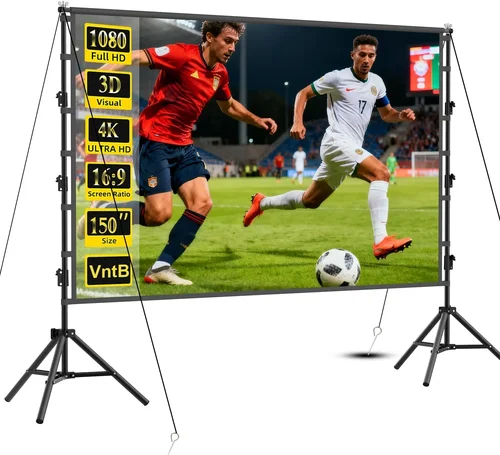
Transforming your backyard into a cinematic oasis is no longer a luxury reserved for the elite—it’s a trend that’s exploded in popularity, especially as outdoor living spaces become extensions of our homes. Whether you’re hosting a summer blockbuster night under the stars, screening a family favorite for the kids, or creating a cozy date-night setup with string lights and blankets, the right backyard TV can elevate the experience from ordinary to unforgettable. But with so many options flooding the market—from weather-resistant outdoor displays to portable projectors masquerading as “outdoor TVs”—it’s easy to feel overwhelmed. That’s where this guide comes in.
In this comprehensive buying guide, we’ll cut through the noise and help you make a smart, informed decision. You’ll learn how to evaluate key performance specs like brightness, weather resistance, and screen size; understand the critical differences between indoor TVs used outdoors versus purpose-built outdoor displays; and discover which features truly matter for your unique setup. We’ll also debunk common myths, highlight frequent purchasing pitfalls, and provide expert-backed recommendations tailored to every budget and use case. Whether you’re a first-time buyer or upgrading from an older model, this guide equips you with everything needed to choose the perfect backyard TV for unforgettable movie nights.
The outdoor entertainment market has evolved rapidly over the past few years. What once meant lugging a fragile indoor TV outside on a folding table (and hoping it survived the dew) has now given way to rugged, high-brightness, weatherproof displays designed specifically for open-air environments. Major brands like Samsung, LG, Sony, and specialized players like SunBriteTV and Seura have entered the space, offering models that resist rain, dust, extreme temperatures, and even direct sunlight glare. At the same time, portable outdoor TVs and all-in-one projector-screen combos have made outdoor viewing more accessible than ever. With such variety comes complexity—but also opportunity. By understanding what truly matters in a backyard TV, you can invest wisely and enjoy years of seamless outdoor entertainment.

What to Look for When Buying Buying Guide
1. Brightness & Visibility in Sunlight
One of the most critical—and often overlooked—factors when choosing a backyard TV is brightness, measured in nits. Standard indoor TVs typically range from 250 to 500 nits, which is fine for dim living rooms but utterly inadequate for daytime or even twilight viewing outdoors. In direct sunlight, reflections and ambient light can wash out the image completely. For true outdoor usability, you need a display with at least 700 nits, but ideally 1,000 nits or higher. Premium outdoor TVs often boast 1,500–2,500 nits, ensuring crisp, vibrant visuals even at noon.
Look for models with anti-reflective coatings and optically bonded screens, which reduce glare by minimizing the air gap between the glass and display panel. This technology not only improves visibility but also enhances color accuracy and contrast. If you plan to watch primarily at night, you might get away with slightly lower brightness—but if your movie nights start at sunset or you enjoy afternoon sports screenings, high brightness isn’t optional—it’s essential.
2. Weather Resistance & IP Rating
Unlike your living room TV, a backyard display must withstand rain, humidity, dust, pollen, and temperature swings. This is where the Ingress Protection (IP) rating becomes crucial. The IP code consists of two digits: the first indicates protection against solids (like dust), and the second against liquids (like rain). For outdoor use, look for a minimum of IP55—meaning it’s protected from limited dust ingress and low-pressure water jets from any direction. However, for full four-season reliability, especially in areas with heavy rain or snow, aim for IP65 or higher.
Additionally, check the operating temperature range. Most quality outdoor TVs function reliably between -22°F to 122°F (-30°C to 50°C). Cheaper models may claim “weather-resistant” but lack sealed components or corrosion-resistant materials, leading to premature failure. Always verify that both the screen and internal electronics are fully sealed—not just the outer casing.
3. Screen Size & Viewing Distance
Choosing the right screen size isn’t just about going big—it’s about matching the display to your seating arrangement and space constraints. A general rule of thumb: for every foot of viewing distance, you should have about 1 inch of screen diagonal. So, if your seating is 10 feet away, a 65-inch TV is ideal. But in a large backyard with viewers 15–20 feet back, consider 75 inches or larger.
However, don’t forget practicality. A massive TV may overwhelm a small patio or require a heavy-duty mounting solution. Also, larger screens demand higher brightness to maintain image quality across the entire surface. If space is tight, a 55-inch outdoor TV might be perfect—but ensure it’s mounted at eye level (typically 42–48 inches from the ground) to avoid neck strain during long viewing sessions.
4. Build Quality & Durability
Outdoor TVs aren’t just about surviving the elements—they’re built to last decades, not just seasons. Premium models use powder-coated aluminum chassis, stainless steel hardware, and reinforced glass that resists scratches and impacts. Avoid plastic-heavy constructions, which can warp, crack, or degrade under UV exposure.
Pay attention to the cooling and ventilation system. Unlike indoor TVs, outdoor units often use passive cooling (no fans) to prevent dust and moisture ingress. While quieter, this requires efficient heat dissipation design. Look for models with heat-dissipating fins or dual-chamber designs that separate the display from the electronics. Also, ensure the TV includes a protective rear cover or enclosure if it’s rear-ventilated—some cheaper models leave internal components partially exposed.
5. Smart Features & Connectivity
Just because it’s outdoors doesn’t mean you should sacrifice smart functionality. Most modern outdoor TVs run full Android TV, webOS, or Roku platforms, giving you access to Netflix, Disney+, YouTube, and more without needing an external streaming device. This is especially useful if you don’t want to run HDMI cables across your yard.
Check connectivity options: HDMI 2.1 ports (for 4K/120Hz gaming), USB ports for media playback, optical audio out for external sound systems, and robust Wi-Fi (preferably dual-band or tri-band). Some high-end models even include built-in Bluetooth for wireless speakers. If you plan to connect a soundbar or outdoor audio system, ensure the TV supports ARC (Audio Return Channel) or eARC for simplified wiring.
6. Mounting & Installation Flexibility
How and where you mount your TV dramatically impacts both safety and viewing experience. Outdoor TVs require specialized mounts rated for outdoor use—standard indoor mounts aren’t designed to handle wind loads, moisture, or thermal expansion. Look for full-motion, tilt, or fixed mounts made from galvanized or powder-coated steel.
Consider whether you want a permanent installation (e.g., wall-mounted under a covered patio) or a portable setup (on a rolling stand for seasonal use). Portable outdoor TVs often come with built-in wheels and handles, but ensure the base is weighted or anchored to prevent tipping in windy conditions. Also, factor in cable management—some models include hidden channels or rear covers to keep wires tidy and protected.
7. Audio Performance
Don’t assume your backyard TV’s built-in speakers will suffice. Most outdoor displays prioritize slim profiles over audio power, resulting in tinny, weak sound that struggles to compete with ambient noise like traffic, birds, or wind. While some premium models include enhanced speakers (e.g., 20W+ output with bass radiators), they’re rarely enough for immersive movie nights.
Plan to pair your TV with an outdoor sound system—whether it’s weatherproof wireless speakers, a soundbar with outdoor mode, or a full outdoor audio setup with subwoofers. Many outdoor TVs support Bluetooth or optical audio output, making integration straightforward. If audio is a priority, look for models with dedicated audio modes optimized for open spaces.
8. Brand Reputation & Warranty
Not all “outdoor TV” labels are created equal. Established brands like SunBriteTV (a leader in the category since 2004), Samsung’s The Terrace, and Seura have proven track records of reliability and customer support. They often include comprehensive warranties—typically 2–3 years for parts and labor, sometimes extendable.
Beware of generic brands selling “weatherproof” TVs on Amazon or eBay with vague specs and no real support. These may fail within a year and leave you with no recourse. Always verify warranty coverage includes outdoor use—some manufacturers void warranties if used in non-climate-controlled environments. Reading professional reviews and user feedback on long-term durability is also invaluable.
Different Types of Buying Guide

Common Buying Mistakes to Avoid
❌ Mistake: Using an Indoor TV Outdoors Without Protection
Why it’s bad: Indoor TVs lack weather sealing, corrosion-resistant components, and adequate brightness. Even brief exposure to moisture can cause permanent damage, and manufacturers will void your warranty. The result? A fried TV after one rainy evening.
What to do instead: Either invest in a purpose-built outdoor TV or use a certified outdoor enclosure designed for your specific TV model. Never assume “it’ll be fine under the eaves”—dew, wind-driven rain, and humidity will still reach it.
❌ Mistake: Ignoring Brightness Requirements
Why it’s bad: A dim TV looks washed out and unwatchable in daylight or twilight. You’ll strain your eyes, miss details, and ruin the movie experience—even if the content is great.
What to do instead: Prioritize brightness (1,000+ nits for daytime use) and anti-glare features. Test visibility in your actual backyard conditions before finalizing your choice.
❌ Mistake: Overlooking Audio Needs
Why it’s bad: Weak built-in speakers can’t fill an open space. Dialogue gets lost, action scenes lack impact, and you’ll constantly reach for the remote to crank the volume—only to distort the sound.
What to do instead: Budget for a quality outdoor audio system from day one. Wireless options like Sonos Move or Bose SoundLink Flex offer great portability and weather resistance.
❌ Mistake: Choosing the Wrong Mount or Installation Method
Why it’s bad: A poorly mounted TV can fall, especially in windy conditions. Standard mounts aren’t rated for outdoor stress, and improper anchoring risks property damage or injury.
What to do instead: Use mounts specifically rated for outdoor use and consult a professional installer if unsure. Ensure the wall or structure can support the weight and wind load.
❌ Mistake: Skipping the Warranty Check
Why it’s bad: Many “outdoor” TVs from lesser-known brands come with limited or voided warranties when used outside. You could be stuck with a $1,500 paperweight after six months.
What to do instead: Only buy from brands that explicitly cover outdoor use in their warranty terms. Read the fine print and register your product immediately.
❌ Mistake: Buying Based Solely on Price
Why it’s bad: The cheapest option often cuts corners on brightness, sealing, or build quality. You may end up replacing it within a year, costing more long-term.
What to do instead: Focus on value—not just upfront cost. A mid-range outdoor TV with solid specs and a good warranty often outperforms a “bargain” model over time.
❌ Mistake: Not Planning for Cable Management
Why it’s bad: Exposed cables are tripping hazards, look messy, and can degrade from UV exposure or moisture. They also make your setup feel temporary rather than integrated.
What to do instead: Use conduit, raceways, or in-wall cable management (if permitted). Choose TVs with rear cable channels or consider wireless streaming to minimize wiring.
Budget Guidelines: How Much Should You Spend?
Your budget will significantly influence the type and quality of backyard TV you can get. Here’s a realistic breakdown based on current market offerings:
Entry-Level ($400 – $1,200): This tier includes portable outdoor TVs (often rebranded indoor models with basic weather covers) and DIY indoor-TV-in-enclosure setups. Expect lower brightness (300–600 nits), limited smart features, and minimal weather resistance (IP44 or lower). Best for covered patios, occasional use, or renters who need flexibility. Don’t expect four-season durability.
Mid-Range ($1,200 – $3,000): The sweet spot for most homeowners. These are typically semi-outdoor or partial-enclosure models from reputable brands. You’ll get 700–1,200 nits brightness, IP55 rating, decent smart platforms, and better build quality. Ideal for covered or semi-covered spaces with some weather exposure. Many include wall mounts and basic audio enhancements.
Premium ($3,000 – $6,000): For enthusiasts and those wanting a permanent, high-performance setup. Fully enclosed outdoor TVs from SunBriteTV, Samsung The Terrace, or Seura dominate this range. Expect 1,500+ nits, IP65+ rating, advanced cooling, premium materials, and full smart functionality. These are built to last 10+ years with minimal maintenance.
Luxury ($6,000+): Top-tier models with ultra-high brightness (2,000+ nits), 8K resolution, integrated sound systems, and custom finishes. Often used in commercial settings or luxury homes with elaborate outdoor theaters. Includes concierge installation and extended warranties. Only necessary for extreme environments or discerning buyers.
Expert Tips for Getting the Best Deal
- Buy during off-season: Prices drop significantly in late fall and winter (October–February) when demand is lowest. Retailers clear inventory for new models.
- Check manufacturer refurbished programs: SunBriteTV and Samsung often sell certified refurbished outdoor TVs at 20–30% off with full warranties.
- Compare total cost of ownership: A cheaper TV may require costly repairs or replacement sooner. Factor in lifespan, energy efficiency, and maintenance.
- Negotiate with local dealers: Authorized outdoor TV dealers may offer bundle deals (TV + mount + installation) or match online prices.
- Read long-term user reviews: Look for feedback on performance after 12+ months—especially regarding weather resistance and brightness retention.
- Verify return policies: Ensure you can return the TV if it doesn’t perform well in your specific conditions (e.g., too dim for your sunny yard).
- Consider financing: Many retailers offer 0% APR financing for 12–24 months, making premium models more accessible.
- Test before you commit: If possible, visit a showroom or borrow a friend’s setup to assess brightness and audio in similar lighting.

Frequently Asked Questions
Q: Can I use my regular indoor TV outside if it’s under a covered patio?
A: Technically yes—but it’s risky. Even under cover, humidity, temperature swings, and indirect moisture can damage internal components. Most manufacturers void warranties for outdoor use. For reliable, long-term performance, invest in a purpose-built outdoor TV or a certified enclosure.
Q: Do outdoor TVs consume more power than indoor ones?
A: Not necessarily. While higher brightness can increase power draw, modern outdoor TVs use efficient LED backlighting and smart power management. Many are ENERGY STAR certified. However, running at maximum brightness for hours will use more electricity—so adjust settings based on ambient light.
Q: How do I clean my outdoor TV screen?
A: Use a microfiber cloth and mild water-based cleaner (like distilled water with a drop of dish soap). Never spray liquid directly on the screen—apply to the cloth first. Avoid ammonia-based cleaners (e.g., Windex), which can damage anti-reflective coatings.
Q: Will an outdoor TV work in freezing temperatures?
A: Yes, if it’s rated for cold climates. Most quality outdoor TVs operate down to -22°F (-30°C). However, avoid turning it on immediately after bringing it in from extreme cold—let it acclimate to room temperature first to prevent condensation.
Q: Can I connect gaming consoles to an outdoor TV?
A: Absolutely. Look for models with HDMI 2.1 ports supporting 4K/120Hz, VRR, and ALLM for smooth gaming. Just ensure your seating distance works for fast-paced games—too far can reduce responsiveness.
Q: Do I need a special antenna for outdoor TV reception?
A: If you’re using over-the-air broadcasts, a high-gain outdoor antenna mounted away from the TV can improve signal strength. Indoor antennas often struggle with interference in open areas.
Q: Are outdoor TVs compatible with voice assistants?
A: Most smart outdoor TVs support Google Assistant and Alexa via built-in microphones or companion apps. You can control playback, adjust volume, or search content hands-free—even from your patio chair.
Q: How long do outdoor TVs typically last?
A: With proper care, premium models last 8–12 years. Cheaper or improperly installed units may fail in 2–4 years. Regular cleaning, avoiding extreme temperature shocks, and using surge protectors extend lifespan.
Q: Can I leave my outdoor TV on during a storm?
A: It’s not recommended. While the TV itself is weatherproof, lightning strikes can cause power surges that damage electronics. Use a surge protector and consider turning it off during severe weather.
Q: Is a projector better than an outdoor TV for movie nights?
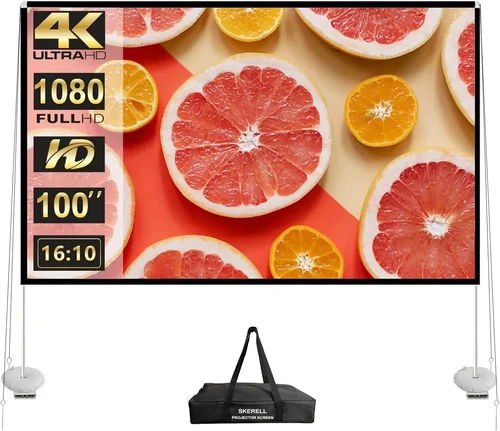
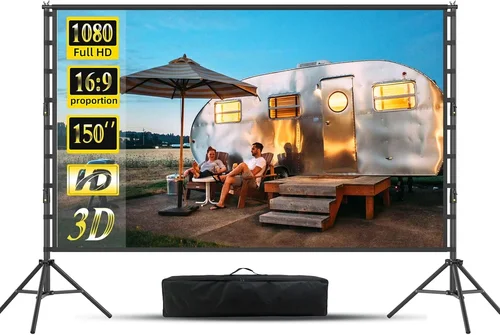
A: It depends. Projectors offer larger images and a true cinematic feel but require darkness, a flat surface, and are vulnerable to wind and ambient light. Outdoor TVs provide instant-on reliability, better daytime visibility, and lower maintenance. For versatility, many homeowners use both—TV for casual viewing, projector for special events.
Our Final Recommendations
Best for Budget-Conscious Buyers: TCL 55″ Portable Outdoor TV (with weather cover) – At under $800, this offers solid 500-nit brightness, Roku smart platform, and portability. Ideal for covered decks or seasonal use. Just don’t expect all-weather toughness.
Best Overall Value: SunBriteTV Veranda Series 65″ – Priced around $2,800, it delivers 1,000 nits, IP55 rating, full Android TV, and excellent build quality. Perfect for most backyards with partial cover.
Best Premium Option: Samsung The Terrace 75″ Full Sun Model – With 2,000+ nits, IP56 rating, and stunning QLED color, this is the gold standard for unobstructed, sun-drenched patios. Expect to pay $5,500+, but it’s built to impress.
Best for Beginners: Seura 55″ Shadow Series – User-friendly interface, easy mounting, and reliable performance in shaded or covered areas. Great first outdoor TV with room to grow.
Best for Advanced Users: SunBriteTV Pro Series 86″ with Integrated Sound – For those building a full outdoor theater. Features 2,500 nits, built-in 40W speakers, and modular design for custom installations. A serious investment for serious cinephiles.
Conclusion: Making the Right Choice
Choosing the right backyard TV isn’t just about picking the biggest or brightest screen—it’s about aligning your investment with your lifestyle, environment, and long-term goals. Whether you’re hosting weekly family movie nights or creating a luxury outdoor entertainment hub, the key is prioritizing what truly matters: visibility in your lighting conditions, resilience against your local weather, and ease of use for your household.
Remember, a backyard TV is more than a gadget—it’s the centerpiece of memories yet to be made. By avoiding common pitfalls, understanding your budget, and leveraging expert insights, you’ll select a display that delivers years of reliable, immersive entertainment under the open sky. So take your time, compare your options, and when you’re ready, make the leap. Your perfect outdoor movie night awaits.

