
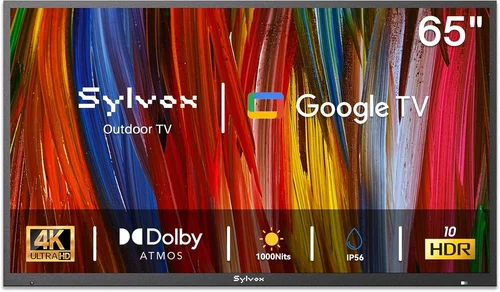
Whether you’re sipping coffee on a tiny balcony, hosting friends in a compact courtyard, or simply craving some fresh air while catching up on your favorite shows, having a reliable outdoor TV can transform your apartment’s outdoor space into a true extension of your living room. But here’s the catch: not all TVs are built for the elements. Standard indoor televisions simply aren’t designed to handle sunlight glare, humidity, temperature swings, or dust—common challenges in even the smallest backyard or patio setup. That’s why choosing the right outdoor TV for your apartment isn’t just about screen size or resolution—it’s about durability, visibility, smart integration, and smart placement in limited spaces.
This comprehensive buying guide is designed specifically for apartment dwellers who want to enjoy high-quality outdoor entertainment without compromising on performance or breaking the bank. Whether you’re working with a 300-square-foot studio with a Juliet balcony or a one-bedroom with a modest patio, we’ll walk you through everything you need to know to make an informed decision. You’ll learn how to evaluate key specs like brightness (measured in nits), weather resistance ratings, smart platform compatibility, and mounting flexibility. We’ll also compare different types of outdoor TVs, highlight common pitfalls to avoid, and provide real-world budgeting advice so you get maximum value for your investment. By the end of this guide, you’ll be equipped with expert-level knowledge to choose a TV that delivers stunning picture quality—even under direct sunlight—and stands up to the unique demands of urban outdoor living.
The market for outdoor TVs has evolved significantly over the past few years. What once was a niche category dominated by bulky, expensive commercial-grade displays has now expanded to include sleek, consumer-friendly models from trusted brands like Samsung, LG, Sony, and specialized outdoor manufacturers such as SunBriteTV and Seura. These newer options blend modern design with rugged engineering, offering features like anti-glare screens, built-in heaters and coolers, and IP55 or higher weatherproof ratings. At the same time, advances in OLED and QLED technology have made outdoor viewing more immersive than ever—provided you choose a model optimized for bright environments. With prices ranging from under $500 for basic weatherized models to over $5,000 for premium all-season units, there’s now an option for nearly every apartment lifestyle and budget. This guide cuts through the marketing noise to help you find the perfect balance of performance, protection, and practicality.

What to Look for When Buying Buying Guide
1. Brightness & Screen Visibility in Sunlight
One of the most critical factors when selecting an outdoor TV for your apartment is screen brightness—especially if your balcony or patio gets direct sunlight during peak hours. Unlike indoor TVs, which typically range from 250 to 500 nits of brightness, outdoor models need significantly higher luminance to remain visible in daylight. Look for displays with at least 700 nits, but ideally 1,000 nits or more for full sun exposure. Many premium outdoor TVs now feature anti-reflective coatings and optically bonded glass that reduce glare and enhance contrast, making colors pop even when the sun is shining directly on the screen. For example, SunBriteTV’s Veranda series offers 1,000+ nits brightness with a proprietary anti-glare layer, while Samsung’s The Terrace delivers up to 2,000 nits in its premium model—making it one of the brightest consumer outdoor TVs available. If your space is partially shaded or used primarily in the evening, you might get away with a lower-brightness model, but for daytime viewing, high nits are non-negotiable.
2. Weather Resistance & Durability Rating
Outdoor TVs must withstand rain, snow, dust, humidity, and temperature extremes—conditions that would quickly destroy a standard indoor television. The key metric here is the Ingress Protection (IP) rating, which indicates how well the TV resists solids (like dust) and liquids (like rain). For apartment balconies or patios, an IP55 rating is the minimum you should consider; this means the TV is protected against low-pressure water jets from any direction and limited dust ingress. However, if you live in a region with heavy rainfall, coastal humidity, or frequent temperature swings (e.g., freezing winters and hot summers), opt for an IP65 or IP66 rating for full dust-tightness and protection against powerful water jets. Additionally, look for TVs with sealed internal components, corrosion-resistant chassis, and built-in thermal management systems. Some models even include internal heaters to prevent condensation in cold climates or cooling fans to avoid overheating in summer. Always verify whether the TV is rated for “partial sun” (covered areas) or “full sun” (fully exposed), as this affects both durability and performance.
3. Size & Viewing Distance for Small Spaces
In apartment settings, space is often at a premium—which means your TV size should match your available wall or stand real estate and typical viewing distance. A common mistake is choosing a screen that’s too large for a small balcony, leading to an overwhelming or distorted viewing experience. As a rule of thumb, your ideal screen size (in inches) should be approximately equal to your viewing distance (in feet) multiplied by 5. So, if you’re sitting 6 feet away, a 30-inch TV is sufficient; at 8 feet, aim for 40 inches. However, many apartment patios allow for closer seating—sometimes just 4–5 feet—making 32- to 43-inch models ideal. Compact outdoor TVs like the 32-inch Seura Outdoor or the 43-inch LG OLED Flex (with its bendable screen for glare control) are excellent choices for tight spaces. Also consider depth: some outdoor enclosures add several inches to the TV’s profile, so ensure you have enough clearance from railings or walls. Wall-mounting is usually the best solution for small areas, freeing up floor space and providing a clean, modern look.
4. Smart Features & Streaming Capabilities
Just because your TV lives outside doesn’t mean it should lack modern conveniences. Most buyers today expect seamless access to Netflix, YouTube, Disney+, and other streaming platforms—and rightly so. When evaluating smart features, check which operating system the TV uses. Roku TV, Android TV, and webOS (LG) are among the most user-friendly and regularly updated platforms. Avoid proprietary or outdated systems that may limit app availability or receive infrequent software updates. Voice control via Google Assistant or Amazon Alexa is also increasingly common and highly useful when your hands are full with drinks or grilling tools. Additionally, look for built-in Wi-Fi (preferably dual-band 2.4GHz/5GHz) for stable streaming, and ensure the TV supports HDMI-CEC so you can control connected devices (like a soundbar or streaming stick) with a single remote. Some outdoor models even include weather-resistant HDMI ports with protective covers—a small but important detail for long-term reliability.
5. Audio Quality & External Sound Options
Outdoor environments are inherently noisy—traffic, neighbors, wind, and birds can all interfere with dialogue clarity. Unfortunately, most outdoor TVs have modest built-in speakers due to space and weatherproofing constraints. While some higher-end models like Sony’s X95L Outdoor Edition offer surprisingly robust audio, don’t rely solely on internal sound. Instead, plan to pair your TV with external weather-resistant speakers or a soundbar. Many outdoor TVs include optical audio outputs or Bluetooth connectivity for wireless audio streaming. Consider investing in a compact outdoor sound system like the Bose Free Space 51 or a Sonos Move (which is splash-resistant and portable). Alternatively, use wireless headphones for private viewing without disturbing others—a smart choice for late-night movie sessions on a shared building patio. Always test audio setup during your trial period, as poor sound can ruin an otherwise great viewing experience.
6. Mounting Flexibility & Installation Ease
How you mount your outdoor TV can make or break its usability in an apartment setting. Fixed wall mounts are the most common and secure option, but if you want to adjust viewing angles (e.g., tilting down for seated viewing or swiveling for different seating arrangements), look for full-motion articulating mounts rated for outdoor use. Ensure the mount is compatible with your TV’s VESA pattern and weight capacity—and that your balcony wall or railing can support it. Concrete, brick, or reinforced stud walls are ideal; avoid mounting on thin drywall or flimsy railings unless using a specialized bracket. Some manufacturers, like SunBriteTV, offer integrated mounting solutions designed specifically for their enclosures. Also consider cable management: exposed wires are not only unsightly but also vulnerable to weather damage. Choose a TV with rear cable channels or use conduit raceways to keep connections tidy and protected. If you’re renting, check your lease agreement before drilling—some landlords require removable mounts or prohibit permanent modifications.
7. Energy Efficiency & Operating Costs
While outdoor TVs aren’t typically left on for extended periods like indoor sets, energy consumption still matters—especially if you plan to use your TV daily or in regions with high electricity costs. Look for models with ENERGY STAR certification, which indicates lower power usage without sacrificing performance. LED-backlit LCDs are generally more efficient than older plasma or non-LED models. Additionally, features like automatic brightness adjustment (which dims the screen in low light) and sleep timers can help reduce energy waste. Keep in mind that some outdoor TVs include internal cooling or heating systems, which may draw extra power in extreme temperatures. While this won’t drastically impact your bill for occasional use, it’s worth noting if you live in a climate with long, harsh winters or scorching summers. Finally, consider standby power: a TV that consumes 0.5W in sleep mode is better than one using 3–5W when “off.”
8. Warranty, Support & Brand Reputation
Outdoor electronics are inherently riskier investments than indoor gear, so robust customer support and warranty coverage are essential. Reputable brands like Samsung, LG, and SunBriteTV typically offer 2–3 years of warranty on outdoor models—significantly longer than the 1-year standard for indoor TVs. Read the fine print: some warranties only cover defects, not damage from improper installation or extreme weather. Look for companies with responsive customer service, accessible repair centers, and clear return policies. Online reviews on sites like Wirecutter, CNET, and Amazon can reveal real-world reliability issues—such as premature screen fogging or speaker failure after a few seasons. Avoid no-name brands with vague specifications or no verifiable track record. A slightly higher upfront cost from a trusted manufacturer often pays off in longevity and peace of mind. Also check if the brand offers extended warranty options or service plans, which can be worthwhile for premium models.
Different Types of Buying Guide

Common Buying Mistakes to Avoid
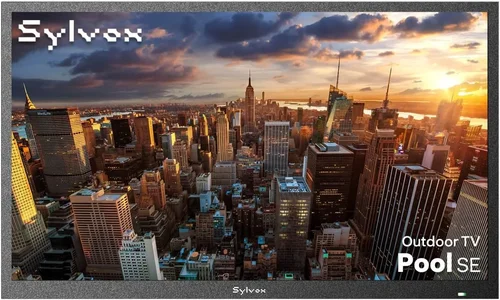
❌ Mistake: Buying a Standard Indoor TV for Outdoor Use
Why it’s bad: Indoor TVs lack weatherproofing, have low brightness, and aren’t designed for temperature fluctuations. Using one outside risks electrical shorts, screen damage, and fire hazards—even under a covered patio.
What to do instead: Always choose a TV specifically rated for outdoor use or pair an indoor model with a certified weatherproof enclosure. Never assume “it’s just under the eaves” is safe enough.
❌ Mistake: Ignoring Sun Exposure When Choosing Brightness
Why it’s bad: A 500-nit TV will appear washed out in direct sunlight, making it unusable during daytime hours—defeating the purpose of an outdoor setup.
What to do instead: Assess your space’s sun pattern. If it gets more than 2–3 hours of direct sun, opt for 1,000+ nits. Use a lux meter app to measure light intensity if unsure.
❌ Mistake: Overlooking Audio Needs
Why it’s bad: Poor sound ruins immersion, especially with background noise. Many buyers focus only on picture quality and regret it later.
What to do instead: Budget for outdoor speakers or a soundbar from day one. Test audio during your return window—don’t wait until after installation.
❌ Mistake: Choosing the Wrong Mount for Your Wall Type
Why it’s bad: Mounting on drywall, plaster, or weak railings can cause the TV to fall, damaging property or injuring someone.
What to do instead: Use a stud finder to locate solid anchors. For concrete or brick, use masonry anchors. Consult a professional if unsure—your safety isn’t worth saving $50 on installation.
❌ Mistake: Skipping the Warranty Fine Print
Why it’s bad: Some warranties void coverage if the TV is installed incorrectly or used in conditions beyond its rating (e.g., full sun on a partial-sun model).
What to do instead: Read the warranty thoroughly before purchase. Document installation with photos and keep all receipts. Register your product immediately.
❌ Mistake: Not Considering Future Mobility
Why it’s bad: If you move frequently, a permanently mounted, heavy outdoor TV becomes a liability—hard to uninstall and risky to transport.
What to do instead: Choose modular setups: lightweight TVs with removable enclosures or portable displays. Avoid built-in cooling systems that add bulk.
❌ Mistake: Assuming All “Outdoor” TVs Are Equal
Why it’s bad: Marketing terms like “weather-resistant” can be misleading. Some brands use minimal sealing that fails within a season.
What to do instead: Verify IP ratings, read third-party reviews, and check if the TV is listed for outdoor use by recognized testing labs (e.g., UL or ETL).
Budget Guidelines: How Much Should You Spend?
Entry-Level ($400 – $800): This tier includes portable outdoor displays or basic indoor TVs paired with third-party weatherproof enclosures. Expect modest brightness (500–700 nits), limited smart features, and shorter lifespans. Ideal for shaded balconies, occasional use, or renters who prioritize flexibility over longevity. Example: TCL 32S327 + CAV ISOBOX enclosure.
Mid-Range ($800 – $2,000): The sweet spot for most apartment dwellers. These are dedicated partial-sun outdoor TVs with 700–1,200 nits brightness, IP55 ratings, and reliable smart platforms (Roku, Android TV). Brands like SunBriteTV Veranda and Samsung The Terrace Lite fall here. You’ll get solid build quality, decent audio, and 2-year warranties—perfect for covered patios and evening entertainment.
Premium ($2,000 – $4,000): Designed for full-sun exposure and harsh climates. Expect 1,500+ nits brightness, IP65/IP66 ratings, built-in thermal management, and premium materials. Models like the SunBriteTV Pro Series or LG OLED Flex Outdoor Edition offer cinema-grade picture quality and advanced features like local dimming and HDR10+. Ideal for uncovered decks or four-season use.
Luxury ($4,000+): Top-tier all-season units with commercial-grade durability, ultra-high brightness (2,000–3,000+ nits), and custom installation support. These are overkill for most apartments but justified for large rooftop terraces or high-end condos. Brands include Peerless-AV and SkyVue. Often include 3–5 year warranties and professional calibration services.
Expert Tips for Getting the Best Deal
- Shop during off-season sales: Outdoor TVs see peak demand in spring and summer. Buy in late fall or winter (November–February) for discounts of 20–30%. Retailers like Best Buy, Costco, and Crutchfield often run clearance events.
- Compare bundled packages: Some sellers offer TV + mount + soundbar bundles at a lower total cost than buying separately. Check manufacturer websites for exclusive deals.
- Use price tracking tools: Set alerts on CamelCamelCamel (for Amazon) or Honey to monitor price drops. Outdoor TVs rarely fluctuate daily, so patience pays off.
- Consider refurbished or open-box units: Certified pre-owned models from reputable retailers come with warranties and can save you hundreds. Ensure they’re specifically labeled as “outdoor-rated.”
- Negotiate with local installers: If hiring a pro, ask if they offer discounts on both TV purchase and installation when bundled. Many have partnerships with brands.
- Check return policies carefully: Outdoor TVs are often final sale due to hygiene and installation concerns. Choose retailers with at least 30-day return windows and free return shipping.
- Test before permanent mounting: Use a temporary stand or lean the TV against a wall for a weekend. Verify visibility, sound, and connectivity in real conditions.
- Register for manufacturer newsletters: Brands like SunBriteTV and Seura send exclusive promo codes to subscribers—sometimes for free shipping or accessory credits.

Frequently Asked Questions
Q: Can I use a regular TV outside if it’s under a covered patio?
A: Technically yes—but it’s risky. Even covered areas experience humidity, temperature swings, and indirect moisture. Over time, internal components corrode. For reliable, safe performance, use an outdoor-rated TV or a certified weatherproof enclosure.
Q: Do outdoor TVs need special power outlets?
A: No, they use standard 120V outlets. However, ensure the outlet is GFCI-protected (common in outdoor areas) and avoid daisy-chaining power strips. Use a surge protector rated for outdoor use.
Q: How do I clean an outdoor TV screen?
A: Use a microfiber cloth and distilled water only. Never spray liquid directly on the screen. Avoid ammonia-based cleaners (like Windex), which can damage anti-glare coatings. Wipe gently in circular motions.
Q: Will an outdoor TV work in freezing temperatures?
A: Only if it’s rated for all-season use. Partial-sun models may fail below 32°F. All-season TVs include internal heaters to prevent condensation and maintain performance down to -20°F or lower.
Q: Can I stream 4K content reliably outdoors?
A: Yes, provided you have strong Wi-Fi. Use a 5GHz network and consider a weatherproof Wi-Fi extender if your router is far away. Most outdoor TVs support 4K HDR streaming via Netflix, Amazon Prime, etc.
Q: Are outdoor TVs noisy due to cooling fans?
A: High-end models use silent or near-silent fans. Listen to demos in-store if noise is a concern. Passive cooling (no fans) is available in some premium units but costs more.
Q: Do I need a permit to install an outdoor TV in my apartment?
A: Possibly. Check with your landlord or HOA. Structural modifications (like drilling into load-bearing walls) often require approval. Portable or freestanding options avoid this issue.
Q: How long do outdoor TVs typically last?
A: With proper care, 7–10 years is common. All-season models often outlast partial-sun ones. Avoid leaving them on during storms or extreme weather to extend lifespan.
Q: Can I use my smartphone as a remote?
A: Yes, most smart outdoor TVs support official apps (e.g., LG ThinQ, Samsung SmartThings). Ensure your phone and TV are on the same Wi-Fi network.
Q: What’s the difference between IP55 and IP65?
A: IP55 protects against low-pressure water jets and dust (limited ingress). IP65 is dust-tight and resists water jets from any direction—better for exposed locations.
Our Final Recommendations
Best for Budget-Conscious Buyers: SunBriteTV Veranda 43-inch – At around $1,200, it offers 1,000 nits brightness, IP55 rating, and Roku OS in a sleek, apartment-friendly size. Perfect for covered patios.
Best Overall Value: Samsung The Terrace Lite 55-inch – Combines QLED color, 1,500 nits brightness, and robust build quality under $2,500. Excellent for partial to full sun.
Best Premium Option: LG OLED Flex Outdoor Edition 42-inch – Bendable screen reduces glare, 1,200 nits brightness, and stunning contrast. Ideal for design-conscious users with shaded decks.
Best for Beginners: Seura Outdoor 32-inch – Simple setup, intuitive interface, and compact size make it ideal for first-time outdoor TV owners.
Best for Advanced Users: SunBriteTV Pro Series 65-inch – All-season durability, 2,000 nits, and customizable mounting. For those who demand professional-grade performance.
Conclusion: Making the Right Choice
Choosing the right outdoor TV for your apartment backyard or balcony is about more than just picking the biggest screen or the flashiest brand. It’s about understanding your environment—how much sun you get, how you plan to use the space, and how long you intend to stay in your current home. By prioritizing brightness, weather resistance, smart features, and proper installation, you’ll create an outdoor entertainment zone that enhances your lifestyle without constant maintenance or premature replacement.
Remember, the cheapest option isn’t always the most cost-effective, and the most expensive isn’t always necessary. Focus on your specific needs: if you’re a renter with a small shaded balcony, a portable or enclosed indoor TV might suffice. If you own your condo and enjoy year-round outdoor living, investing in an all-season model pays dividends in reliability and performance. Use the guidelines, comparisons, and tips in this guide to narrow your options, avoid common traps, and ultimately select a TV that delivers joy—not frustration—season after season.
Your perfect outdoor TV is out there. Take your time, do your research, and don’t rush the decision. When you finally press play on that first sunset movie night, you’ll know it was worth every thoughtful consideration. Happy viewing!

