
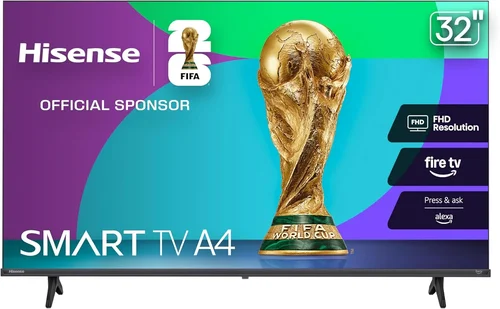
If you’ve ever tried watching your favorite show or a big game from the edge of your pool, you know how quickly glare, humidity, and splashes can turn a relaxing afternoon into a frustrating experience. That’s where a poolside TV comes in—not just any TV, but one built (or at least adapted) to handle the unique challenges of outdoor living. Whether you’re hosting summer barbecues, lounging with a cocktail, or keeping an eye on the kids while they swim, having a reliable, high-quality TV near your pool transforms your patio into a true entertainment hub.
But here’s the catch: not all TVs are created equal when it comes to outdoor use. Many indoor models struggle with brightness, weather resistance, and long-term durability in humid, sunny environments. That’s why this guide exists—to cut through the noise and help you find a truly capable poolside TV that fits your budget, space, and lifestyle. We’ll walk you through everything you need to know, from technical specs to real-world performance, so you can make a smart, confident purchase without overspending.
The market for outdoor and semi-outdoor TVs has exploded in recent years. What used to be a niche category dominated by ultra-expensive, fully sealed models now includes a wide range of affordable options—especially for covered patios, screened-in porches, or shaded pool decks. Brands like Samsung, LG, TCL, and Hisense have introduced models with enhanced brightness, anti-glare coatings, and better moisture resistance, making it easier than ever to enjoy crystal-clear viewing under the sun. Whether you’re looking for a budget-friendly 55-inch display or a premium 75-inch powerhouse, there’s something for every setup. This guide will help you navigate that landscape with confidence.
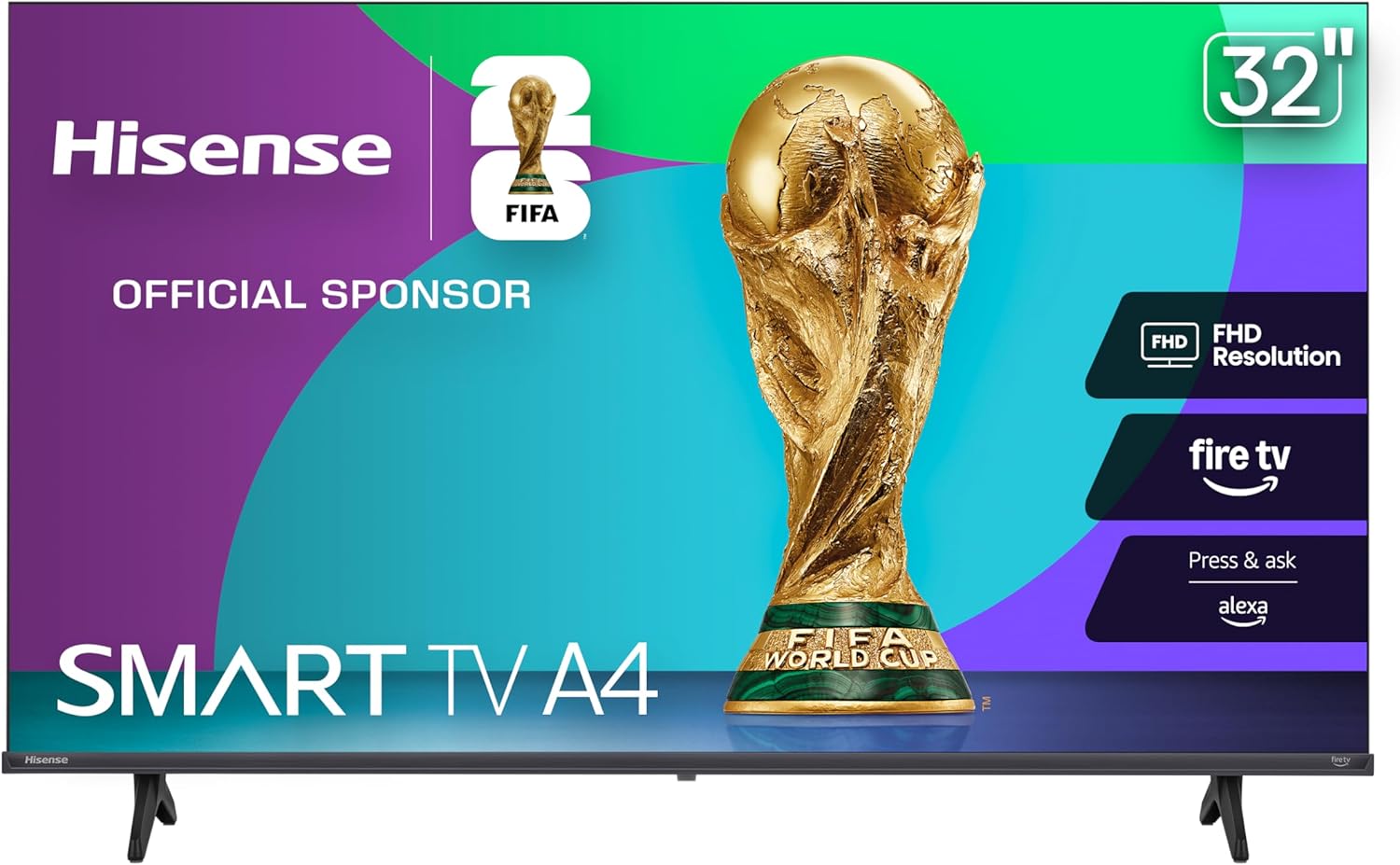
What to Look for When Buying Buying Guide
1. Brightness & Outdoor Visibility
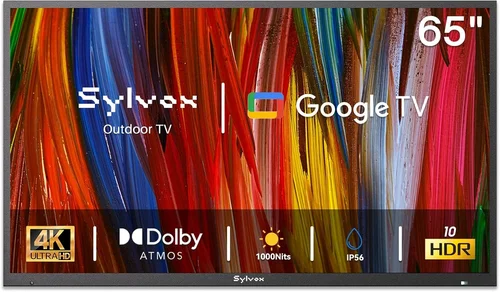
One of the most critical factors for any poolside TV is brightness—measured in nits. Indoor TVs typically range from 200 to 400 nits, which is fine for dimly lit rooms but completely inadequate for direct sunlight or even bright shade. For outdoor use, especially near a pool where reflections off water amplify glare, you’ll want a minimum of 700 nits, with 1000+ nits being ideal. This ensures the image remains visible even during midday sun.
Look for TVs marketed as “outdoor,” “sunlight-readable,” or “high-brightness.” These often feature advanced backlighting (like full-array local dimming) and anti-reflective coatings that reduce glare. Some models also include ambient light sensors that automatically adjust brightness based on surroundings—a handy feature if your patio gets varying levels of sunlight throughout the day.
Don’t confuse high brightness with poor picture quality. A bright screen doesn’t have to look washed out. Modern LED and QLED panels maintain color accuracy and contrast even at high luminance levels. For example, Samsung’s The Terrace series uses quantum dot technology to deliver vibrant colors alongside 2,000 nits of peak brightness—perfect for poolside viewing.
2. Weather Resistance & Durability
Even if your TV is installed under a covered patio or pergola, it’s still exposed to humidity, salt air (if you’re near the coast), occasional splashes, and temperature swings. Standard indoor TVs aren’t designed for these conditions and can suffer from corrosion, fogging, or component failure over time.
While fully weatherproof outdoor TVs (like those from SunBrite or Seura) are built with sealed casings and corrosion-resistant materials, they come at a premium. For most poolside setups—especially those under cover—a mid-tier indoor TV with some protective measures can suffice. Look for models with an IP rating (Ingress Protection), though note that most consumer TVs don’t carry official IP ratings. Instead, focus on build quality: metal chassis, sealed ports, and conformal coating on internal components help resist moisture.
Consider adding a weatherproof TV enclosure if you’re using a standard indoor model. These protective shells shield the TV from rain, dust, and UV rays while allowing ventilation. Just ensure the enclosure doesn’t block infrared signals from your remote or interfere with Wi-Fi connectivity.
3. Screen Size & Viewing Distance
Choosing the right screen size isn’t just about aesthetics—it’s about ensuring everyone in your pool area can see clearly. A common mistake is going too small. For a large patio (say, 15–20 feet from seating to TV), a 65-inch screen is the minimum recommended size. For larger spaces or group viewing, consider 75 inches or more.
Use the 1.5x rule as a guideline: multiply your viewing distance (in inches) by 1.5 to get the ideal screen diagonal. So, if your farthest seat is 180 inches (15 feet) away, aim for at least a 70-inch TV (180 ÷ 1.5 ≈ 120 inches diagonal? Wait—that math is off. Let’s correct: actually, the rule is often stated as “viewing distance = screen size × 1.5 to 2.5.” So for a 65-inch TV, optimal distance is 8–13 feet. Adjust accordingly.)
Also consider mounting height. The center of the screen should be at or slightly below eye level when seated. For poolside setups, this usually means mounting between 42 and 54 inches from the ground. Avoid placing the TV too high—it causes neck strain and reduces immersion.
4. Smart Features & Connectivity
Today’s best poolside TVs aren’t just dumb screens—they’re full-fledged smart platforms. Look for models running established operating systems like Google TV (on Sony, TCL, Hisense), webOS (LG), or Tizen (Samsung). These offer seamless access to Netflix, YouTube, Disney+, and other streaming services without needing an external device.
Connectivity is equally important. Ensure the TV has multiple HDMI ports (at least three, preferably HDMI 2.1 for future-proofing), USB inputs, and robust Wi-Fi (dual-band 2.4GHz/5GHz). If you plan to connect a soundbar, gaming console, or cable box, check for ARC (Audio Return Channel) and eARC support for high-quality audio passthrough.
Voice control via Google Assistant or Alexa is a nice bonus—imagine adjusting volume or changing channels without leaving your floatie. Some models even support Bluetooth for wireless headphones, perfect for late-night viewing without disturbing others.
5. Audio Quality
Most built-in TV speakers are underwhelming, especially in open outdoor spaces where sound dissipates quickly. While you can always add external speakers or a soundbar, starting with a TV that has decent audio output saves hassle and cost.
Look for TVs with at least 20W of total speaker power and technologies like Dolby Atmos or DTS:X for spatial audio. Samsung’s Object Tracking Sound (OTS) and LG’s AI Sound Pro use virtualization to create a wider soundstage—helpful when viewers are spread out around the pool.
That said, don’t rely solely on built-in audio. For the best experience, pair your TV with weather-resistant outdoor speakers or a waterproof soundbar mounted nearby. Just ensure your audio setup syncs properly with the video to avoid lip-sync delays.
6. Energy Efficiency & Heat Management
Outdoor TVs run longer hours and often in warmer environments, so energy efficiency matters—not just for your electricity bill, but for longevity. LED-backlit LCDs are far more efficient than older plasma or CCFL models. Look for ENERGY STAR certification, which indicates lower power consumption without sacrificing performance.
Heat buildup is another concern. Electronics generate heat, and in enclosed outdoor cabinets or direct sun, this can shorten component life. Choose TVs with efficient thermal design—metal backs, ventilation grilles, and passive cooling systems help dissipate heat. Avoid placing the TV in a completely sealed box unless it’s specifically designed for it.
Some high-brightness models consume more power to maintain luminance. Balance brightness needs with efficiency: a 1000-nit TV doesn’t need to run at max brightness all the time. Use auto-brightness features to reduce power draw in shaded or evening conditions.
7. Mounting Options & Installation Flexibility
How and where you mount your TV affects both viewing experience and protection. Full-motion articulating mounts let you tilt, swivel, and extend the screen—ideal for adjusting angle based on sun position or seating layout. Fixed mounts are simpler and cheaper but offer no adjustability.
For poolside use, choose a mount rated for outdoor or semi-outdoor use. These are typically powder-coated or made of stainless steel to resist rust. Ensure the mount supports your TV’s VESA pattern (the screw hole layout on the back) and weight.
Consider cable management. Running HDMI and power cords through conduit or raceways keeps them safe from water and tripping hazards. Some mounts include built-in cable channels for a clean look.
8. Brand Reputation & Long-Term Reliability
Not all TV brands are equal when it comes to outdoor durability. While budget brands like Vizio or Insignia offer tempting prices, they may lack the engineering rigor needed for humid, variable environments. Stick with established players known for quality: Samsung, LG, Sony, TCL, and Hisense have proven track records.
Research real-world user reviews—especially from buyers who’ve used the TV outdoors. Look for comments about long-term performance, customer service responsiveness, and failure rates. A brand with strong warranty support (like Samsung’s 2-year limited warranty) adds peace of mind.
Avoid “off-brand” TVs sold exclusively through discount retailers. These often cut corners on components and lack software updates, leading to security vulnerabilities and app incompatibilities down the line.
Different Types of Buying Guide

Common Buying Mistakes to Avoid
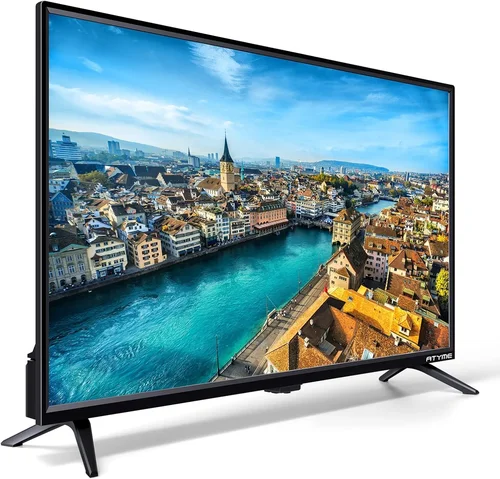
❌ Mistake: Buying a Standard Indoor TV for Full Sun Exposure
Why it’s bad: Most indoor TVs max out at 400 nits and lack anti-glare coatings. In direct sunlight, the screen becomes nearly invisible, forcing you to crank brightness to unhealthy levels—which drains power and accelerates panel wear.
What to do instead: Only use standard indoor TVs under full cover (like a roofed patio). For any sun exposure, invest in a high-brightness model or add a quality anti-glare screen protector.
❌ Mistake: Ignoring Humidity and Condensation Risks
Why it’s bad: Pool areas are notoriously humid. Moisture can seep into ventilation ports, causing internal corrosion or short circuits—even in TVs labeled “outdoor-ready.”
What to do instead: Choose TVs with sealed designs or use a ventilated outdoor enclosure. Avoid placing the TV directly above or adjacent to the waterline. Use silica gel packs inside enclosures during off-seasons.
❌ Mistake: Overlooking Audio Needs
Why it’s bad: Built-in TV speakers struggle to project sound across open water and wind. You’ll end up turning the volume way up, distorting audio and annoying neighbors.
What to do instead: Budget for a pair of weather-resistant outdoor speakers or a waterproof soundbar. Place them strategically around the seating area for even coverage.
❌ Mistake: Choosing the Wrong Screen Size
Why it’s bad: A 50-inch TV might look fine indoors, but from 15 feet away on a large patio, it feels tiny and hard to read text or details.
What to do instead: Use the viewing distance formula: screen size (inches) = viewing distance (feet) × 4. So for 15 feet, aim for 60 inches minimum—better yet, go 65 or 75 inches.
❌ Mistake: Skimping on the Mount
Why it’s bad: A cheap indoor mount may rust, loosen, or fail under outdoor conditions. A falling TV is dangerous and costly.
What to do instead: Invest in a marine-grade or powder-coated outdoor mount with a weight rating 2x your TV’s mass. Have it professionally installed if unsure.
❌ Mistake: Not Planning for Cable Management
Why it’s bad: Exposed cables are tripping hazards, get wet, and look messy. Water can travel along cables into the TV or wall outlets.
What to do instead: Run all cables through waterproof conduit or in-wall raceways. Use cable ties and clips rated for outdoor use. Label cords for easy troubleshooting.
❌ Mistake: Forgetting About Software Updates
Why it’s bad: Smart TVs need regular firmware updates for security and app compatibility. Some budget brands stop supporting models after 1–2 years.
What to do instead: Choose brands known for long-term software support (Samsung, LG, Sony). Check update history before buying.
Budget Guidelines: How Much Should You Spend?
Finding the right poolside TV doesn’t have to break the bank—but it does require smart budgeting. Here’s how to allocate your funds based on needs and expectations:
- Entry-Level ($400–$700): Perfect for covered patios with minimal sun exposure. Look for 55–65-inch LED TVs from TCL or Hisense with 700+ nits brightness. Expect basic smart features and average audio. Add a $100–$200 weatherproof enclosure for protection.
- Mid-Range ($700–$1,500): The sweet spot for most buyers. Models like the Samsung Q60C QLED or LG UQ75 offer 1000+ nits, excellent color, and robust smart platforms. These handle partial sun well and often include better build quality and warranties.
- Premium ($1,500–$3,000): For enthusiasts who want top-tier performance. Consider Samsung’s The Terrace (partial sun model) or Sony X90L with enhanced brightness. These deliver cinematic picture quality, superior audio, and longer lifespans in humid environments.
- Luxury ($3,000+): Reserved for fully exposed locations or luxury homes. Fully sealed outdoor TVs from SunBrite or Seura offer IP55/IP56 ratings, extreme brightness (2,500+ nits), and commercial-grade durability. Ideal for open decks or coastal properties.
Expert Tips for Getting the Best Deal
- Buy During Off-Season: Prices drop significantly in late fall and winter (October–February). Retailers clear out summer inventory, and demand is lower. You can save 20–30% compared to spring/summer peaks.
- Shop Refurbished or Open-Box: Certified refurbished TVs from manufacturer outlets (like Samsung Renewed or LG Outlet) often come with full warranties and cost 25–40% less. Open-box deals at Best Buy or Costco offer similar savings with minimal risk.
- Compare Retailers: Don’t just check Amazon. Compare prices at Costco, B&H Photo, Crutchfield, and local electronics stores. Some offer price matching plus free installation or extended warranties.
- Bundle with Accessories: Some retailers offer discounts when you buy a TV + mount + soundbar together. Crunch the numbers—sometimes the bundle is cheaper than buying separately.
- Check Return Policies: Outdoor TVs can be tricky to test. Ensure the seller offers at least a 30-day return window in case the TV doesn’t perform as expected in your specific environment.
- Negotiate Installation: If hiring a pro, ask for package deals. Many installers charge less if you provide the TV and just pay for labor.
- Watch for Trade-In Programs: Samsung and LG often run trade-in promotions where you can get $100–$300 off a new TV by trading in an old one—even if it’s broken.
- Use Cashback & Rewards: Sign up for cashback sites like Rakuten or use credit cards with electronics rewards. Over $1,000, this can add $50–$100 in savings.

Frequently Asked Questions
Q: Can I use a regular TV by the pool if it’s under cover?
A: Yes—if it’s fully protected from rain, splashes, and direct sun. However, humidity and temperature swings can still affect longevity. Use a high-brightness model (700+ nits) and consider a protective enclosure for peace of mind.
Q: Do I need a special outlet for an outdoor TV?
A: Not necessarily, but you should use a GFCI (Ground Fault Circuit Interrupter) outlet for safety, especially near water. Have an electrician install one if your current outlet isn’t GFCI-protected.
Q: How do I clean an outdoor TV screen?
A: Use a microfiber cloth slightly dampened with distilled water. Never use ammonia-based cleaners (like Windex)—they can damage anti-glare coatings. For enclosures, wipe with a mild soap solution.
Q: Will my Wi-Fi reach the pool area?
A: Possibly not. Concrete walls, metal roofs, and distance weaken signals. Consider a Wi-Fi extender, mesh network, or powerline adapter. Some TVs also support Ethernet—run a buried Cat6 cable for the most reliable connection.
Q: Can I leave my poolside TV on all day?
A: Modern LEDs are efficient, but constant use generates heat. It’s fine for occasional all-day viewing, but turn it off when not in use to extend lifespan. Enable auto-sleep features if available.
Q: Are curved screens good for outdoor use?
A: Generally no. Curved TVs are designed for close, centered viewing—not ideal for group settings around a pool. They also reflect more glare. Stick with flat panels.
Q: What’s the difference between QLED and OLED for outdoor use?
A: QLED (Quantum Dot LED) is better for bright environments—it gets much brighter and is more durable. OLED has perfect blacks but lower peak brightness and can suffer from burn-in if static images (like sports tickers) are displayed for hours.
Q: How long do outdoor TVs last?
A: A well-maintained semi-outdoor TV can last 5–7 years. Fully weatherproof models may last 8–10 years. Humidity, heat, and usage frequency are the biggest factors.
Q: Can I mount my TV on a pergola?
A: Only if the pergola is structurally sound and covered. Ensure the mount is anchored to a solid beam (not just lattice) and that the TV is protected from rain runoff.
Q: Is 4K necessary for a poolside TV?
A: Yes, especially at larger sizes. 4K provides sharper details, which matter when viewing from a distance. Plus, most streaming content is now in 4K, and future-proofing is wise.
Our Final Recommendations
- Best for Budget-Conscious Buyers: TCL 6-Series (R655) – At around $600 for a 65-inch model, this QLED TV delivers 1,000+ nits brightness, Dolby Vision, and Google TV. Pair it with a $150 outdoor enclosure for a solid covered-patio setup.
- Best Overall Value: Samsung QN90C Neo QLED – Priced around $1,300 for 65 inches, it offers stunning brightness (2,000 nits), anti-reflection coating, and excellent smart features. Ideal for partial sun exposure.
- Best Premium Option: Samsung The Terrace (Partial Sun Model) – At $2,500+, this is a purpose-built outdoor TV with IP55 rating, 2,000 nits, and weatherproof design. Worth it if you want zero compromises.
- Best for Beginners: Hisense U8K – Affordable ($800 for 65″), bright (1,500 nits), and packed with features. Great entry point for first-time outdoor TV owners.
- Best for Advanced Users: Sony X95L Mini LED – With 2,500+ nits, exceptional local dimming, and professional calibration options, this is for those who demand reference-grade picture quality—even by the pool.
Conclusion: Making the Right Choice
Choosing the right poolside TV is about balancing performance, protection, and price. You don’t need to spend thousands to enjoy great viewing—but you do need to respect the unique challenges of outdoor environments. Prioritize brightness, weather resilience, and smart features that match your lifestyle. Avoid common pitfalls like undersizing your screen or ignoring audio needs. And remember: a little extra investment in a quality mount, enclosure, or sound system goes a long way in enhancing your experience.
Whether you’re watching the sunset with a glass of wine or hosting a backyard movie night, your poolside TV should elevate—not hinder—your enjoyment. Use this guide to cut through the marketing hype and find a model that truly fits your space, budget, and vision. With the right setup, your patio becomes more than just a place to swim—it becomes the heart of your home’s outdoor entertainment. So go ahead, dive in, and make every moment by the water a little more memorable.

