
Outdoor living spaces have become extensions of our homes—especially in apartments where private balconies, patios, or shared rooftop areas offer rare opportunities to unwind under the open sky. Whether you’re sipping coffee at sunrise, hosting a movie night under the stars, or catching the big game while grilling dinner, having a TV outdoors transforms these moments from ordinary to extraordinary. But here’s the catch: not all TVs are built for the elements. Standard indoor TVs can warp, fog up, or fail completely when exposed to humidity, rain, extreme temperatures, or direct sunlight. That’s why choosing the right outdoor TV—especially one that fits your budget—is critical.
This guide is designed specifically for apartment dwellers who want to enjoy high-quality outdoor entertainment without breaking the bank. We’ll walk you through everything you need to know to make a smart, informed purchase, from understanding key performance specs to avoiding common pitfalls. Whether you’re working with a tight budget or just want maximum value for your money, this comprehensive buyer’s guide will help you find a durable, weather-resistant outdoor TV that delivers great picture quality, reliable connectivity, and long-term peace of mind—all while staying within your financial comfort zone.
The market for outdoor TVs has evolved significantly in recent years. What was once a niche category dominated by ultra-expensive commercial-grade models now includes a growing number of affordable, consumer-friendly options. Brands like SunBriteTV, Samsung (with their Terrace series), LG, and even budget-focused newcomers have introduced models that balance cost, durability, and performance. At the same time, innovations in display technology—such as brighter panels, anti-glare coatings, and improved weatherproofing—have made it possible to enjoy vibrant visuals even in bright daylight. This guide cuts through the marketing noise and focuses on what truly matters: helping you find the best cheap outdoor TV for your apartment setup, whether you’re mounting it on a small balcony or a covered patio.

What to Look for When Buying Buying Guide
1. Budget & Price Range
When shopping for an outdoor TV on a budget, it’s essential to define your price range early. While “cheap” is subjective, most apartment-friendly outdoor TVs fall between $500 and $1,500. This range typically includes entry-level to mid-tier models that offer solid weather resistance, decent brightness, and reliable performance without the premium price tags of commercial-grade units (which can exceed $3,000). Setting a clear budget helps narrow your options and prevents overspending on features you may not need.
Keep in mind that “cheap” doesn’t have to mean “low quality.” Many affordable outdoor TVs now include features like 4K resolution, HDR support, and smart platforms—once reserved for high-end models. However, be cautious of extremely low-priced options (under $400) labeled as “outdoor-ready.” These are often just indoor TVs with minimal weatherproofing and may fail prematurely when exposed to real outdoor conditions. Instead, aim for models specifically designed for outdoor use, even if they’re on the lower end of the price spectrum.
2. Performance Specifications
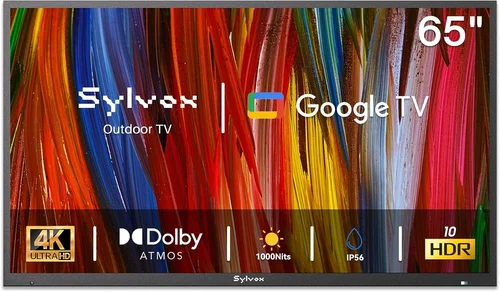
Performance specs are where many budget buyers go wrong—they focus on price alone and overlook critical factors like brightness, resolution, and refresh rate. For outdoor use, brightness is arguably the most important spec. Look for a TV with at least 700 nits of brightness; anything below 500 nits will struggle in daylight, especially on sunny patios. Many affordable outdoor TVs now offer 1,000 nits or more, which ensures clear visibility even in direct sun.
Resolution should be 4K UHD (3840 x 2160) for sharp, detailed images. While 1080p is cheaper, it’s becoming outdated, and the difference in clarity is noticeable—especially on larger screens. HDR (High Dynamic Range) support enhances contrast and color depth, making skies bluer, shadows deeper, and overall visuals more lifelike. A refresh rate of 60Hz is standard and sufficient for most content, but if you plan to watch sports or play games, consider models with 120Hz for smoother motion.
Audio performance is another often-overlooked spec. Outdoor environments lack the acoustics of a living room, so built-in speakers may sound thin or muffled. Look for TVs with at least 20W of total audio output or plan to pair your TV with external weatherproof speakers for a richer sound experience.
3. Build Quality & Durability
Outdoor TVs must withstand rain, snow, dust, humidity, and temperature swings—conditions that would destroy a standard indoor TV in weeks. Build quality starts with the enclosure. Look for models with fully sealed, powder-coated aluminum or composite housings that resist rust and corrosion. The screen should be protected by tempered glass or a durable anti-reflective coating to prevent scratches and reduce glare.
Check the IP (Ingress Protection) rating, which indicates resistance to dust and water. For outdoor use, an IP55 rating or higher is ideal—this means the TV is protected against dust ingress and low-pressure water jets from any direction. Some budget models may only offer IP43, which protects against splashing water but not heavy rain or hose exposure. If your TV will be under a covered patio or awning, IP43 may suffice, but for open balconies, aim for IP55 or better.
Internal components should also be weather-hardened. This includes sealed circuit boards, moisture-resistant capacitors, and ventilation systems that prevent condensation without allowing dust or insects inside. Avoid TVs with exposed ports or flimsy plastic backs—these are red flags for poor durability.
4. Features & Functionality
Modern outdoor TVs come packed with smart features, but not all are created equal—especially at lower price points. Look for models with built-in Wi-Fi and support for popular streaming platforms like Netflix, YouTube, Disney+, and Amazon Prime Video. Android TV, Roku TV, and webOS are the most common operating systems, each with its own app ecosystem and user interface. Android TV offers the most flexibility and app support, while Roku is known for simplicity and reliability.
Connectivity is crucial. Ensure the TV has multiple HDMI ports (at least two), USB ports for media playback, and an Ethernet port for wired internet if Wi-Fi is unreliable outdoors. Some models include built-in tuners for over-the-air broadcasts, which is useful if you want to watch local news or sports without a cable subscription.
Remote control functionality matters too. Outdoor remotes should be backlit or have large, tactile buttons for use in low light. Some budget models include voice control via Google Assistant or Alexa, which is convenient but not essential. Also, consider whether the TV supports screen mirroring or casting from your phone or tablet—this is great for sharing photos or videos during gatherings.
5. Brand Reputation
Brand reputation can be a strong indicator of reliability and long-term support. Established brands like Samsung, LG, and SunBriteTV have proven track records in outdoor display technology. Samsung’s Terrace series, for example, is designed specifically for outdoor use and offers excellent brightness and durability, though it leans toward the higher end of the budget spectrum. LG’s outdoor models are known for their sleek design and strong smart platform integration.
Budget brands like Vizio, TCL, and Hisense have entered the outdoor space with more affordable options. While they may not have the same level of weatherproofing as premium brands, many of their outdoor-ready models are well-reviewed and offer great value. Be sure to research user feedback and professional reviews before committing.
Avoid unknown or generic brands that pop up on online marketplaces with suspiciously low prices. These often lack proper certifications, customer support, or replacement parts. Stick to brands with a history of producing consumer electronics and a visible presence in major retail channels.
6. Warranty & Support
A solid warranty is a must for outdoor electronics, which are inherently more vulnerable to damage. Most reputable outdoor TVs come with a 2- to 3-year warranty that covers defects, weather-related failures, and sometimes even accidental damage. Some brands offer extended warranties or service plans for an additional cost—worth considering if you live in a harsh climate.
Check what the warranty actually covers. Does it include labor and parts? Is on-site service available, or do you have to ship the TV back? Are there exclusions for “acts of nature” like lightning strikes or flooding? Read the fine print carefully. A longer warranty period is nice, but comprehensive coverage matters more.
Customer support is equally important. Look for brands with responsive support teams, accessible service centers, and online resources like setup guides, troubleshooting tools, and firmware updates. Brands with strong community forums or user groups can also be helpful for troubleshooting and tips.
7. Size & Portability
Size matters—not just for picture quality, but for practicality in small apartment spaces. Most outdoor TVs range from 43 to 65 inches, with 50 and 55 inches being the most popular for balconies and small patios. Larger screens (65+ inches) are better suited for spacious rooftops or shared outdoor lounges.
Consider viewing distance: a 50-inch TV is ideal for seating 6 to 8 feet away, while a 55-inch model works best at 7 to 9 feet. Measure your space before buying—don’t forget to account for the TV’s depth, especially if it has a thick weatherproof casing.
Portability is another factor. If you plan to move the TV between indoor and outdoor use (e.g., bringing it inside during winter), look for lightweight models with built-in handles or compatible mounting systems. Some outdoor TVs are designed to be easily removable, while others are meant to stay fixed in place. Wall mounts should be sturdy and weather-resistant, with tilt or swivel options for optimal viewing angles.
8. User Reviews & Ratings
Never skip the reviews. User feedback provides real-world insights that specs sheets can’t match. Look for patterns in reviews: Are multiple users reporting screen fogging after rain? Do remotes stop working in cold weather? Are smart features slow or buggy? These are red flags that specs alone won’t reveal.
Focus on reviews from buyers in similar climates and usage scenarios. A TV that performs well in a dry, covered Arizona patio may fail in a humid, rainy Seattle balcony. Check both professional reviews (from sites like CNET, RTINGS, or Wirecutter) and customer reviews on retail platforms like Amazon, Best Buy, or Costco.
Pay attention to long-term reviews (6+ months of use), as they reveal durability issues that don’t appear immediately. Also, note the seller’s return policy—some retailers offer extended return windows for electronics, which gives you time to test the TV in real conditions.
Different Types of Buying Guide

Common Buying Mistakes to Avoid
❌ Mistake: Buying an Indoor TV and Calling It “Outdoor”
Why it’s bad: Indoor TVs are not designed to handle moisture, temperature changes, or UV exposure. Even if you cover them or place them under a roof, condensation can build up inside the screen, causing fogging, electrical shorts, or permanent damage. Many indoor TVs also lack the brightness needed for daylight viewing.
What to do instead: Only purchase TVs explicitly labeled as “outdoor,” “weather-resistant,” or “all-weather.” Look for certifications like IP55 and manufacturer statements confirming outdoor use. If a TV doesn’t mention weatherproofing, assume it’s not suitable.
❌ Mistake: Ignoring Brightness (Nits) Ratings
Why it’s bad: A dim screen turns your outdoor TV into a expensive mirror on sunny days. Most indoor TVs max out at 300–400 nits, which is fine for a dark room but useless in daylight. Without sufficient brightness, you’ll struggle to see details, colors will look washed out, and viewing angles will be limited.
What to do instead: Aim for at least 700 nits, with 1,000+ nits being ideal for full sun exposure. Check the spec sheet—don’t rely on marketing terms like “bright display.” Look for measured brightness in nits (cd/m²).
❌ Mistake: Overlooking Mounting and Installation Costs
Why it’s bad: Outdoor TVs often require specialized mounting hardware, longer cables, and sometimes professional installation—especially if drilling into concrete or brick. These costs can add $100–$300 to your total expense, blowing your budget.
What to do instead: Factor in mounting, cables, and labor from the start. Choose a wall mount rated for outdoor use and ensure it’s compatible with your TV’s VESA pattern. If you’re not comfortable drilling into your apartment wall, consider a freestanding outdoor TV stand or consult your landlord first.
❌ Mistake: Skipping the Warranty Check
Why it’s bad: Outdoor electronics are prone to failure. Without a solid warranty, a single storm or humidity spike could leave you with a $1,000 paperweight. Some warranties exclude weather damage, leaving you unprotected.
What to do instead: Read the warranty terms carefully. Choose a model with at least a 2-year warranty that covers weather-related issues. Consider extended protection plans if available.
❌ Mistake: Choosing the Wrong Size for Your Space
Why it’s bad: A TV that’s too large can overwhelm a small balcony, while one that’s too small will look underwhelming and be hard to see from a distance. Poor sizing affects both aesthetics and functionality.
What to do instead: Measure your space and viewing distance. Use online size calculators to find the ideal screen size. For most apartment balconies, 50–55 inches is the sweet spot.
❌ Mistake: Neglecting Audio Quality
Why it’s bad: Outdoor environments are noisy—wind, traffic, neighbors—and built-in TV speakers are often weak and muffled. Relying solely on the TV’s audio can ruin the viewing experience.
What to do instead: Pair your TV with weatherproof Bluetooth speakers or a soundbar. Look for models with optical audio output or HDMI ARC for easy connection.
❌ Mistake: Buying Based on Price Alone
Why it’s bad: The cheapest option often sacrifices durability, brightness, or smart features. You may end up replacing it within a year, costing more in the long run.
What to do instead: Focus on value, not just price. Compare specs, reviews, and warranty across models in your budget range. A slightly more expensive TV with better build quality can last years longer.
Budget Guidelines: How Much Should You Spend?
- Entry-Level ($400 – $700): These are budget outdoor-ready TVs designed for light use in protected areas like covered patios or screened-in balconies. Expect basic weatherproofing (IP43), 4K resolution, and 500–700 nits of brightness. Smart features may be limited, and build quality can vary. Best for occasional use or renters who want a temporary setup.
- Mid-Range ($700 – $1,200): This is the sweet spot for most apartment buyers. These TVs offer full weather resistance (IP55), 700–1,000+ nits brightness, robust smart platforms, and solid build quality. You’ll find models from reputable brands with good warranties and reliable performance. Ideal for regular outdoor entertainment.
- Premium ($1,200 – $2,000): For enthusiasts who want top-tier performance, these models deliver exceptional brightness (1,200+ nits), advanced anti-glare coatings, premium materials, and extended warranties. Often include features like voice control, multi-zone audio, and professional installation support. Great for uncovered balconies or high-traffic areas.
- Luxury ($2,000+): These are commercial-grade displays built for 24/7 operation in extreme conditions. They feature ultra-bright panels, vandal-resistant casings, and advanced cooling systems. Typically used in shared apartment rooftops or luxury complexes. Overkill for most individual buyers but worth considering if you manage a building or want maximum longevity.
Expert Tips for Getting the Best Deal
- Shop During Seasonal Sales: The best time to buy an outdoor TV is during spring and early summer (March–June), when retailers promote outdoor living products. Black Friday and Cyber Monday also offer solid discounts, though selection may be limited.
- Compare Online and In-Store Prices: Online retailers like Amazon, Best Buy, and Costco often have lower prices and better return policies than local stores. However, in-store purchases let you inspect the TV and ask questions before buying.
- Look for Open-Box or Refurbished Models: Certified refurbished outdoor TVs from reputable sellers can save you 20–30% off retail. These units are tested, cleaned, and come with warranties—just like new.
- Check for Bundled Deals: Some retailers offer TV + mount + cable bundles at a discount. These can be a great value if you need all the components.
- Read Return Policies Carefully: Outdoor TVs are bulky and expensive to return. Choose retailers with at least a 30-day return window and free return shipping. Avoid sellers with restocking fees.
- Test Before Committing: If possible, visit a store to see the TV in person. Check brightness, color accuracy, and remote functionality. Some stores have outdoor display areas for this purpose.
- Consider Financing Options: Many retailers offer 0% APR financing for 12–24 months. This lets you spread the cost without interest, making a higher-end model more affordable.
- Join Loyalty Programs: Sign up for rewards programs at Best Buy, Costco, or Amazon Prime. You’ll get early access to sales, exclusive discounts, and free shipping.

Frequently Asked Questions
Q: Can I use a regular TV outdoors if I cover it?
A: Technically, yes—but it’s not recommended. Even with a cover, indoor TVs lack proper ventilation and weather sealing. Moisture can seep in, and temperature changes can cause internal damage. For reliable, long-term use, invest in a TV designed for outdoor conditions.
Q: Do outdoor TVs need to be plugged into a weatherproof outlet?
A: Yes. Always use a GFCI (Ground Fault Circuit Interrupter) outlet outdoors, which shuts off power if it detects a short. Pair it with a weatherproof outlet cover to protect against rain and debris.
Q: How do I clean an outdoor TV screen?
A: Use a microfiber cloth and a mild screen cleaner. Avoid ammonia-based cleaners or paper towels, which can scratch the anti-reflective coating. Clean gently to avoid damaging the seal.
Q: Can I leave my outdoor TV on all the time?
A: Most outdoor TVs are designed for continuous use, but it’s best to turn them off when not in use to extend lifespan and save energy. Avoid leaving them on during storms or extreme weather.
Q: Will an outdoor TV work in winter?
A: Yes, as long as it’s rated for cold temperatures. Most outdoor TVs operate from -22°F to 122°F. However, LCD screens may respond slower in extreme cold. Store removable models indoors during harsh winters if possible.
Q: Do I need a special mount for an outdoor TV?
A: Yes. Use a mount rated for outdoor use, with rust-resistant hardware and a weight capacity that exceeds your TV’s specs. Tilt mounts help reduce glare from the sun.
Q: Can I connect a soundbar to an outdoor TV?
A: Absolutely. Use HDMI ARC, optical audio, or Bluetooth to connect a weatherproof soundbar or outdoor speakers for better audio quality.
Q: Are outdoor TVs energy efficient?
A: Modern outdoor TVs are generally energy-efficient, especially LED models. Look for ENERGY STAR certification to ensure low power consumption.
Q: What if my apartment doesn’t allow drilling?
A: Consider a freestanding outdoor TV stand or a non-permanent mount that clamps to railings. Always check with your landlord or HOA before installing anything permanent.
Q: How long do outdoor TVs last?
A: With proper care, a quality outdoor TV can last 5–8 years or more. Cheaper models may fail sooner due to poor weatherproofing or component quality.
Our Final Recommendations
- Best for Budget-Conscious Buyers: TCL 55″ Outdoor Roku TV (Model 55S06) – At around $650, this model offers 4K, 750 nits brightness, IP55 rating, and Roku’s intuitive interface. Great for covered patios and light outdoor use.
- Best Overall Value: Samsung 55″ The Terrace Partial Sun Outdoor TV – Priced around $1,100, it delivers 1,000+ nits, excellent color accuracy, and Samsung’s reliable smart platform. Ideal for most apartment setups.
- Best Premium Option: SunBriteTV Veranda Series 55″ – At $1,800, it’s built like a tank with full weather sealing, 1,200 nits brightness, and a 3-year warranty. Perfect for uncovered balconies and harsh climates.
- Best for Beginners: LG 50″ Outdoor Smart TV (OLED EX) – Around $900, it combines LG’s user-friendly webOS with strong outdoor performance and sleek design. Easy setup and great for first-time buyers.
- Best for Advanced Users: Sony X90L Outdoor-Ready LED TV – Though not marketed as outdoor, its high brightness (1,100 nits) and durable build make it a favorite among tech-savvy users who add custom weatherproofing. Best paired with a protective enclosure.
Conclusion: Making the Right Choice
Choosing the right outdoor TV for your apartment doesn’t have to be overwhelming—or expensive. By focusing on key factors like brightness, weather resistance, build quality, and smart features, you can find a model that delivers excellent performance without exceeding your budget. Remember, the cheapest option isn’t always the best value. Invest in a TV designed for outdoor use, backed by a solid warranty, and suited to your specific environment.
Whether you’re watching sunset movies on your balcony or catching the playoffs from your rooftop, the right outdoor TV turns your small space into a personal oasis. Take your time, read reviews, compare specs, and don’t rush the decision. With the insights from this guide, you’re equipped to make a smart, confident purchase that will bring years of outdoor entertainment.
So go ahead—step outside, press play, and enjoy the show. Your perfect outdoor TV is out there, and now you know exactly how to find it.

