
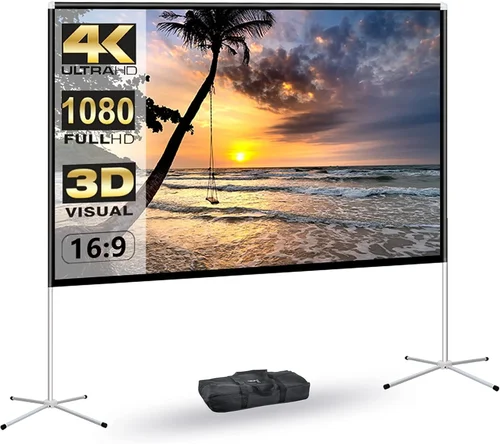
Summer is here, and there’s nothing quite like hosting friends and family in your backyard for a barbecue, movie night, or live sports viewing under the stars. But let’s face it—setting up a regular indoor TV outside isn’t just impractical; it’s risky. Heat, humidity, dust, and sudden rain can ruin your investment in minutes. That’s where outdoor TVs come in. Designed specifically to withstand the elements, these weather-resistant displays let you enjoy high-quality video outdoors without worrying about damage from sun, rain, or temperature swings.
However, many people assume that “outdoor-ready” means “expensive.” While premium models can run into the thousands, the market has evolved significantly in recent years. Thanks to advances in display technology and increased competition among brands, it’s now possible to find reliable, high-performing outdoor TVs at surprisingly affordable prices—perfect for summer parties on a budget. Whether you’re planning a casual game-day gathering or a full-scale outdoor cinema experience, this guide will help you navigate the options and make a smart, cost-effective choice.
In this comprehensive buying guide, we’ll walk you through everything you need to know to pick the best cheap outdoor TV for your summer setup. You’ll learn how to evaluate key features like brightness, weather resistance, and connectivity, understand the different types of outdoor TVs available, avoid common purchasing pitfalls, and discover where to score the best deals. By the end, you’ll have the confidence and knowledge to choose a TV that delivers great performance without breaking the bank—so you can focus on what really matters: enjoying your summer parties with friends and family.

What to Look for When Buying Buying Guide
1. Budget & Price Range
When shopping for a cheap outdoor TV, your budget is the starting point—but it shouldn’t be the only factor. The good news? You don’t need to spend over $2,000 to get a solid outdoor viewing experience. Entry-level outdoor TVs now start around $300–$500 for smaller sizes (32–43 inches), while mid-range models with better brightness and durability typically fall between $600 and $1,200. Premium all-weather models with full IP55 or IP65 ratings can go higher, but even those have seen price drops in 2026.
The key is balancing cost with essential features. A $400 TV might save you money upfront, but if it lacks sufficient brightness or proper sealing against moisture, you could end up replacing it after one rainy season. Set a realistic budget based on how often you’ll use the TV and your local climate. For occasional summer parties in mild weather, a lower-cost model may suffice. But if you live in a region with intense sunlight, high humidity, or frequent rain, investing slightly more in a well-sealed, high-brightness model will pay off in longevity and performance.
2. Performance Specifications
Not all TVs labeled “outdoor” perform equally well in real-world conditions. Two specs matter most: brightness (measured in nits) and contrast ratio. Standard indoor TVs usually deliver 300–500 nits—fine for a dim living room but nearly invisible in direct sunlight. For outdoor use, you’ll want at least 700 nits, with 1,000+ nits being ideal for bright patios or decks.
Contrast ratio determines how deep blacks and bright whites appear, which is crucial for daytime viewing. Look for TVs with high dynamic range (HDR) support, especially HDR10 or Dolby Vision, as these enhance detail in both shadows and highlights. Resolution is also important: while 1080p is acceptable for smaller screens viewed from a distance, 4K UHD is recommended for 50 inches and above, especially if you plan to stream modern content.
Refresh rate (measured in Hz) affects motion smoothness—important for sports and action movies. A 60Hz panel is fine for casual viewing, but 120Hz offers noticeably smoother playback. Also check input lag if you plan to connect gaming consoles; under 20ms is ideal for responsive gameplay.
3. Build Quality & Durability
This is where outdoor TVs differ most from their indoor counterparts. True outdoor TVs are built with sealed enclosures, corrosion-resistant materials, and components rated to handle extreme temperatures—from freezing winter nights to scorching summer afternoons. Look for an Ingress Protection (IP) rating, such as IP55 (dust protected and protected against water jets) or IP65 (dust tight and protected against low-pressure water jets). These ratings indicate how well the TV resists environmental hazards.
Pay attention to the chassis material. Aluminum or powder-coated steel frames resist rust and fading better than plastic. Internal components should be rated for operation between -22°F and 122°F (-30°C to 50°C). Some budget models claim “outdoor use” but are merely indoor TVs in weatherproof enclosures—these may work short-term but often fail prematurely due to inadequate ventilation or poor sealing.
Mounting hardware matters too. Ensure the TV includes VESA-compatible mounting points and consider purchasing a weatherproof outdoor mount separately if not included. Avoid placing the TV in direct ground contact or areas prone to flooding.
4. Features & Functionality
Modern outdoor TVs pack impressive smart features, even at lower price points. Most now run on platforms like Android TV, Roku TV, or webOS, giving you access to Netflix, YouTube, Disney+, and other streaming apps directly on the screen. Built-in Wi-Fi and Bluetooth are standard, allowing wireless audio output to outdoor speakers or headphones.
HDMI ports are essential for connecting devices like soundbars, streaming sticks (e.g., Roku Ultra, Fire Stick 4K), or gaming consoles. Aim for at least two HDMI 2.0 ports (or HDMI 2.1 for future-proofing). USB ports let you play media files directly from flash drives, while optical audio outputs enable high-quality sound routing.
Voice control via Google Assistant or Alexa is increasingly common and convenient for hands-free operation during parties. Some models even include built-in cameras or microphones for video calls—though privacy-conscious buyers may prefer models without these.
5. Brand Reputation
Not all brands are created equal when it comes to outdoor electronics. Established names like Samsung, LG, and Sony offer reliable indoor TVs, but their outdoor-specific lines are often limited or expensive. Instead, look for brands specializing in outdoor AV gear: SunBriteTV (now part of SnapAV), Seura, and Peerless-AV are top-tier but pricey. For budget-conscious buyers, emerging brands like Sylvane, Outdoor TV Direct, and Vantec have gained traction by offering certified outdoor models at accessible prices.
Check customer service responsiveness and availability of spare parts. A brand with poor support may leave you stranded if something goes wrong. Read professional reviews from outlets like CNET, Wirecutter, or RTINGS.com, but also scan user reviews on Amazon, Best Buy, or Home Depot for real-world durability reports.
6. Warranty & Support
Outdoor TVs face harsher conditions than indoor models, so warranty coverage is critical. Most reputable outdoor TVs come with at least a 1-year limited warranty, but some extend to 2 or even 3 years. Pay attention to what’s covered: does it include accidental water damage? What about power surges from lightning storms? Some manufacturers offer extended warranties or protection plans for an additional fee.
Avoid brands that only offer 90-day warranties—this is a red flag for low-quality construction. Also verify whether the warranty requires professional installation; some void coverage if mounted incorrectly. Keep your receipt and register the product online to ensure smooth claims processing.
7. Size & Portability
Outdoor TVs come in sizes from 32 inches up to 85 inches, but bigger isn’t always better. Consider your seating distance: for every 1 inch of screen size, sit about 1.5 feet away for optimal viewing. So a 55-inch TV is best viewed from 6–8 feet away. Measure your patio or deck space before buying—oversized TVs can overwhelm small areas.
Portability matters if you plan to move the TV between locations (e.g., from the patio to the garage for winter storage). Some models include built-in handles or lightweight designs, but most outdoor TVs are heavy due to reinforced casings. If mobility is a priority, consider a smaller screen or invest in a rolling outdoor TV cart with locking wheels.
8. User Reviews & Ratings
Never buy an outdoor TV based solely on specs or marketing claims. User reviews reveal real-world performance issues that specs sheets omit—like overheating after prolonged sun exposure, Wi-Fi dropouts, or poor remote range. Focus on verified purchase reviews and look for patterns: if multiple users report the same problem (e.g., “screen fades in direct sun”), it’s likely a design flaw.
Use tools like Amazon’s “Top Critical Review” filter to see honest feedback. Pay special attention to comments about longevity—how well the TV held up after 6 months or a full season outdoors. Ratings below 4 stars should raise caution, especially if complaints mention build quality or customer service.
Different Types of Buying Guide

Common Buying Mistakes to Avoid
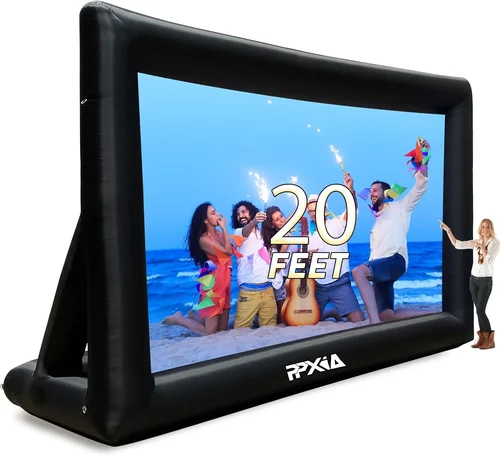
❌ Mistake: Buying an Indoor TV for Outdoor Use
Why it’s bad: Indoor TVs lack weatherproofing, UV-resistant coatings, and proper ventilation for outdoor conditions. Even brief exposure to rain or high humidity can cause internal corrosion, screen fogging, or electrical failure. Many homeowners insurance policies won’t cover damage from using non-outdoor-rated electronics outside.
What to do instead: Only purchase TVs explicitly labeled for outdoor use with verified IP ratings. If budget is extremely tight, pair a mid-tier indoor TV with a certified outdoor enclosure—but understand this is a temporary solution, not a long-term fix.
❌ Mistake: Ignoring Brightness Requirements
Why it’s bad: A dim screen turns your summer party into a squinting contest. Without sufficient brightness, images appear washed out, colors lose vibrancy, and details vanish—especially during daylight hours.
What to do instead: Match brightness to your environment. For shaded areas, 700–1,000 nits is adequate. For direct sun, insist on 1,500+ nits. Check spec sheets carefully—some brands inflate brightness numbers using misleading metrics.
❌ Mistake: Overlooking Mounting and Ventilation Needs
Why it’s bad: Improper mounting can lead to water pooling, restricted airflow, or structural failure. Outdoor TVs generate heat and need clearance for ventilation. Sealing them in enclosed spaces without airflow causes overheating and premature component failure.
What to do instead: Use a VESA-compatible outdoor mount with tilt/swivel options for optimal viewing angle. Leave at least 2–3 inches of space around the TV for airflow. Avoid mounting under gutters or in areas where rain drips directly onto the screen.
❌ Mistake: Skipping the Warranty Check
Why it’s bad: Outdoor TVs are expensive to repair or replace. A short or vague warranty leaves you vulnerable to costly failures from environmental damage—something indoor TV warranties rarely cover.
What to do instead: Choose brands offering at least a 1-year comprehensive warranty that includes weather-related damage. Register your product immediately and keep documentation handy.
❌ Mistake: Assuming All “Outdoor” Labels Are Equal
Why it’s bad: Some retailers market standard TVs as “suitable for outdoor use” based on flimsy enclosures or vague claims. These often fail within months.
What to do instead: Verify certifications. Look for IP ratings, temperature operation ranges, and third-party testing (e.g., UL Listed for outdoor use). Cross-reference with professional reviews.
❌ Mistake: Neglecting Audio Solutions
Why it’s bad: Most outdoor TVs have weak built-in speakers that struggle against wind, chatter, and ambient noise. Relying solely on TV audio ruins the immersive experience.
What to do instead: Pair your TV with weather-resistant outdoor speakers or a Bluetooth soundbar. Many budget TVs support optical or HDMI ARC for easy audio routing.
❌ Mistake: Buying Without Testing Viewing Angles
Why it’s bad: Outdoor seating often spans wide angles. TVs with poor off-axis viewing lose color accuracy and contrast when viewed from the side—common at parties.
What to do instead: Choose TVs with IPS or advanced VA panels known for wide viewing angles. Avoid TN panels, which degrade quickly outside the center.
Budget Guidelines: How Much Should You Spend?
Entry-Level ($300–$600): Ideal for occasional use in covered or shaded areas. Expect 32–43 inch screens, 700–1,000 nits brightness, basic smart features, and IP54 rating. Brands like Vantec and Sylvane offer reliable options in this range. Perfect for small gatherings or background viewing during cookouts.
Mid-Range ($600–$1,200): The sweet spot for most buyers. You’ll get 50–65 inch 4K displays, 1,000–1,500 nits brightness, HDR support, robust weather sealing (IP55), and full smart platforms. Models from Outdoor TV Direct and refurbished SunBriteTV units often fall here. Great for regular summer parties with mixed daylight and evening viewing.
Premium ($1,200–$2,000): For enthusiasts who want reliability in harsh conditions. These feature ultra-bright panels (1,500+ nits), anti-reflective coatings, extreme temperature tolerance, and premium build quality. Ideal for uncovered patios, pool decks, or regions with intense sun. Often include extended warranties and professional installation support.
Luxury ($2,000+): Top-tier all-season models with heated/cooled internals, 85-inch+ screens, and commercial-grade durability. Best for permanent installations or high-end outdoor entertainment zones. Overkill for casual summer parties but unmatched in performance and longevity.
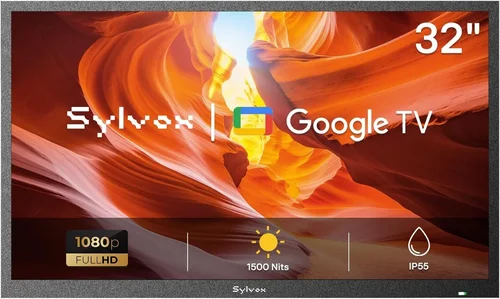
Expert Tips for Getting the Best Deal
1. Shop During Off-Season Sales: The best deals on outdoor TVs happen in late fall and winter (October–February). Retailers clear inventory before the spring rush. You can save 20–40% by buying “last year’s model” with nearly identical specs.
2. Compare Retailers Strategically: Big-box stores (Best Buy, Home Depot) often price-match online deals. Online marketplaces (Amazon, Walmart.com) offer wider selection and user reviews. Specialty AV retailers (Crutchfield, B&H) provide expert advice and bundle discounts on mounts or cables.
3. Look for Bundled Packages: Many sellers offer TV + mount + cable kits at a discount. A $900 bundle might cost $1,100 if bought separately. Check for free shipping thresholds—many outdoor TVs qualify.
4. Consider Refurbished or Open-Box Units: Certified refurbished TVs from manufacturer outlets (e.g., Samsung Renewed, LG Outlet) come with full warranties and rigorous testing. Open-box items from Best Buy or Costco are often like-new and deeply discounted.
5. Read Return Policies Carefully: Outdoor TVs are bulky and expensive to return. Ensure the retailer offers at least 30 days for returns and covers return shipping for defective units. Avoid sellers with restocking fees over 15%.
6. Test Before Finalizing Installation: Once delivered, power on the TV and test all inputs, Wi-Fi, and brightness in your intended location. If the picture looks dim or colors are off, contact support immediately—don’t wait until party day.
7. Invest in Surge Protection: Outdoor electronics are vulnerable to lightning-induced power surges. Use a heavy-duty outdoor surge protector (look for 2,000+ joules rating) between the outlet and TV.
8. Join Loyalty Programs: Stores like Costco, Sam’s Club, and Best Buy reward members with exclusive discounts, early access to sales, and extended return windows—valuable perks for big-ticket purchases.

Frequently Asked Questions
Q: Can I use a regular TV outside if I cover it with a tarp?
A: Technically yes, but it’s risky and not recommended. Tarps trap moisture, block ventilation, and can scratch the screen. Even brief rain exposure can seep into seams and damage internal components. For reliable, safe outdoor viewing, invest in a properly rated outdoor TV or enclosure.
Q: Do outdoor TVs need special power outlets?
A: No, they use standard 120V AC power like indoor TVs. However, always use a GFCI (ground fault circuit interrupter) outlet outdoors for safety. Avoid daisy-chaining multiple extension cords.
Q: How do I clean an outdoor TV screen?
A: Use a microfiber cloth slightly dampened with distilled water. Never spray liquid directly on the screen. For stubborn grime, use a screen-safe cleaner labeled for outdoor electronics. Avoid ammonia-based cleaners.
Q: Will an outdoor TV work in winter?
A: It depends on the model. Partial-sun TVs may fail below 32°F. All-season models are designed to operate in freezing temps—check the spec sheet for the minimum operating temperature.
Q: Can I mount an outdoor TV on a brick wall?
A: Yes, but use masonry anchors and a mount rated for the TV’s weight. Consult a professional if you’re unsure—improper mounting can damage both the wall and TV.
Q: Do outdoor TVs come with remotes that work in sunlight?
A: Most use standard IR remotes, which can struggle in bright light. Some newer models include RF remotes or smartphone app control for better reliability. Consider a remote extender if needed.
Q: How long do outdoor TVs typically last?
A: With proper care, a quality outdoor TV should last 5–7 years—similar to indoor models. Harsh climates may shorten lifespan, so choose a model suited to your environment.
Q: Are outdoor TVs energy efficient?
A: Modern LED-backlit outdoor TVs are quite efficient, especially compared to older plasma models. Look for ENERGY STAR certification to minimize electricity costs during long viewing sessions.
Q: Can I connect a soundbar to an outdoor TV?
A: Absolutely. Most outdoor TVs support HDMI ARC, optical audio, or Bluetooth. Just ensure the soundbar is also weather-resistant if placed outdoors.
Q: What’s the difference between IP55 and IP65?
A: Both protect against dust and water, but IP65 offers complete dust protection (“dust tight”) while IP55 allows limited dust ingress. For most residential use, IP55 is sufficient unless you’re in a very dusty or sandy area.
Our Final Recommendations
Best for Budget-Conscious Buyers: Vantec 43-inch Partial Sun Outdoor TV ($549)
A solid entry-level option with 1,000 nits brightness, IP55 rating, and Roku TV built-in. Perfect for covered patios and occasional summer use.
Best Overall Value: Outdoor TV Direct 55-inch Full Sun 4K UHD ($1,099)
Delivers 1,500 nits, HDR10, Android TV, and robust aluminum chassis. Handles direct sunlight and light rain with ease—ideal for most backyard setups.
Best Premium Option: SunBriteTV Veranda Series 65-inch ($1,799, refurbished)
Originally a $2,500+ model, this refurbished unit offers 2,000 nits, anti-glare coating, and all-season durability. Excellent for serious entertainers.
Best for Beginners: Sylvane 32-inch Portable Outdoor TV ($479)
Lightweight, easy to set up, and includes a carrying handle. Great for renters or those testing outdoor viewing before committing to a permanent install.
Best for Advanced Users: Peerless-AV Xtreme 75-inch All-Weather ($2,299)
Commercial-grade build, heated/cooled internals, and IP66 rating. Built to last decades in any climate—worth the investment for permanent installations.
Conclusion: Making the Right Choice
Choosing the right cheap outdoor TV for your summer parties doesn’t have to be overwhelming—or expensive. By focusing on key factors like brightness, weather resistance, and build quality, you can find a model that delivers excellent performance without draining your wallet. Remember: the cheapest option isn’t always the best value. Investing in a TV designed specifically for outdoor use ensures reliability, safety, and years of enjoyment.
Prioritize your specific needs: Do you host mostly at night or during the day? Is your space covered or exposed? How often will you use the TV? Answering these questions will guide you toward the perfect balance of cost and capability. And don’t forget the extras—good audio, smart features, and proper mounting can transform a simple TV into a full outdoor entertainment system.
With summer just around the corner, now is the time to act. Use the tips, comparisons, and recommendations in this guide to make an informed decision. Whether you’re streaming the big game, hosting a backyard movie night, or just enjoying music with friends, the right outdoor TV will elevate every moment. So go ahead—press play on summer fun, confidently and affordably.

