
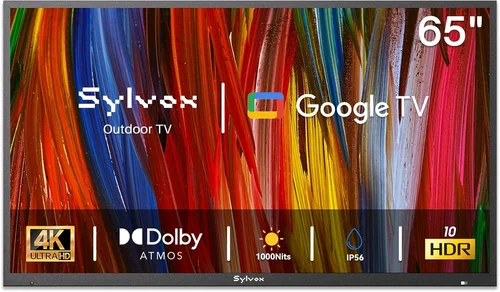
If you live in a rainy climate—whether that’s the Pacific Northwest, the UK, Ireland, parts of Japan, or anywhere else where drizzle is more common than sunshine—you know how challenging it can be to enjoy outdoor spaces year-round. Gardens, patios, and balconies often go unused for weeks at a time simply because the weather turns wet and unpredictable. But what if you could transform your garden into a cozy, weather-resilient entertainment zone? Enter the garden TV: a weatherproof display designed to bring your favorite shows, sports, movies, and music outdoors—rain or shine.
This comprehensive buying guide is here to help you navigate the world of affordable, durable garden TVs built specifically for rainy climates. Whether you’re dreaming of watching the World Cup under a covered pergola or binge-watching your favorite series while sipping tea on a covered deck, we’ll walk you through everything you need to know. From understanding key performance specs to avoiding common pitfalls, comparing types, and finding the best deals, this guide is your ultimate resource for making a smart, informed purchase in 2026.
The market for outdoor TVs has exploded in recent years, with manufacturers now offering a wide range of options—from budget-friendly models under $500 to high-end commercial-grade displays costing thousands. But not all “outdoor TVs” are created equal, especially when it comes to handling constant moisture, humidity, and temperature swings. Many so-called “weatherproof” TVs are merely indoor models with a basic protective cover, which won’t cut it in a truly rainy environment. Our goal is to help you identify the real deal: affordable, reliable, and genuinely weather-resistant garden TVs that deliver great picture quality, long-term durability, and excellent value for money. By the end of this guide, you’ll know exactly what to look for, how much to spend, and which models offer the best balance of performance and price.

What to Look for When Buying Buying Guide
1. Weather Resistance Rating (IP Rating)
When shopping for a garden TV in a rainy climate, the most critical factor is its weather resistance—specifically, its Ingress Protection (IP) rating. This two-digit code tells you how well the TV can withstand dust and water. The first digit refers to protection against solids (like dust), and the second digit indicates resistance to liquids (like rain). For outdoor use in wet climates, you should look for a minimum IP54 rating, but ideally aim for IP55 or higher.
An IP55 rating means the TV is protected against dust (limited ingress) and low-pressure water jets from any direction—perfect for most garden setups under a roof or awning. If you plan to mount your TV in an open area with no overhead cover, consider models with IP65 or IP66 ratings, which offer full dust protection and resistance to powerful water jets. Avoid any TV labeled as “weather-resistant” without a clear IP rating, as this is often marketing fluff. Real outdoor TVs will proudly display their certification.
Also, pay attention to additional sealing features like rubber gaskets around ports, corrosion-resistant screws, and sealed internal components. These details matter because even a high IP rating won’t save a TV if moisture seeps in through poorly sealed cable entry points. Brands like SunBriteTV, Peerless-AV, and Seura are known for rigorous sealing standards, but more affordable options from companies like Sylvane and Outdoor TV also offer solid protection at lower prices.
2. Screen Brightness & Anti-Glare Technology
Outdoor viewing presents unique challenges, especially when it comes to screen visibility. Even on overcast days, ambient light can wash out an indoor TV’s display. In rainy climates, where skies are often gray and diffuse, you still need a bright, high-contrast screen to enjoy your content. Look for a garden TV with a brightness level of at least 700 nits—preferably 1000 nits or more. For comparison, most indoor TVs range from 250 to 500 nits, which simply won’t cut it outside.
Brightness alone isn’t enough. You also need anti-glare or anti-reflective coating on the screen. Without it, sunlight (even filtered through clouds) can create distracting reflections, making it hard to see the image. Some premium models use optically bonded glass, which reduces internal reflections and improves clarity in bright conditions. Others use matte finishes or specialized polarizing layers. These features are especially important if your TV will be mounted facing a window or in a spot that gets direct morning or afternoon light.
Another consideration is the panel type. OLED screens offer superior contrast and color accuracy but are generally more expensive and less bright than LED/LCD panels. For garden use, a high-brightness LED/LCD with local dimming is often the better choice due to its durability and cost-effectiveness. Brands like Samsung and LG offer outdoor-compatible models with enhanced brightness, but again, make sure they’re rated for outdoor use—not just “outdoor viewing.”
3. Build Quality & Durability
A garden TV isn’t just exposed to rain—it’s also subject to temperature fluctuations, UV exposure, humidity, and even salt air if you live near the coast. That means the build quality must go beyond a plastic casing. Look for TVs with powder-coated aluminum or stainless-steel frames, which resist rust and corrosion far better than standard plastics or untreated metals.
Internal components should also be designed for outdoor conditions. This includes conformal coating on circuit boards (a protective layer that prevents moisture damage), sealed cooling systems (to avoid condensation), and components rated for extended temperature ranges (typically -22°F to 122°F or -30°C to 50°C). Cheaper models may skimp on these details, leading to premature failure in humid or cold environments.
Don’t overlook the mounting hardware. A sturdy, corrosion-resistant wall mount or ceiling bracket is essential. Many outdoor TVs come with compatible mounts, but if not, ensure the VESA pattern matches standard brackets. Also, consider whether the TV is front-vented or rear-vented—front-vented models are easier to cool but may allow moisture ingress if not properly sealed. Rear-vented designs are generally safer for rainy climates.
4. Performance Specifications
While durability is key, you still want a TV that delivers a great viewing experience. Start with resolution: 4K UHD is the standard in 2026, and even budget outdoor TVs now offer it. Avoid 1080p models unless you’re on an extremely tight budget—4K provides sharper details, better upscaling, and future-proofing for streaming services.
Refresh rate matters too, especially for sports and action content. Look for at least 60Hz, but 120Hz is ideal for smooth motion. HDR support (HDR10, Dolby Vision, or HLG) enhances color depth and contrast, making outdoor viewing more vibrant. However, not all HDR implementations are equal—cheaper models may claim HDR but lack the brightness or color gamut to deliver it effectively.
Audio is another often-overlooked spec. Most outdoor TVs have small, downward-firing speakers that struggle in open spaces. Consider models with built-in soundbars or audio outputs for external speakers. Bluetooth connectivity is also useful for wireless audio systems. And don’t forget smart features: built-in Wi-Fi, app support (like Netflix, YouTube, or Disney+), and voice control (via Alexa or Google Assistant) add convenience, especially when you’re relaxing outdoors.
5. Size & Viewing Distance
Choosing the right screen size depends on your garden layout and typical viewing distance. A common rule of thumb is that the ideal screen size (in inches) should be about one-third of your viewing distance (in inches). For example, if you’ll be sitting 9 feet (108 inches) away, a 36-inch TV is suitable, but a 55-inch model would be better for immersive viewing.
However, in outdoor settings, larger screens are often preferred because ambient light reduces perceived image quality. A 55-inch or 65-inch TV will look more impressive and be easier to see from a distance, even in dim conditions. That said, don’t go too big—oversized screens can overwhelm small patios or look awkward under low pergolas. Measure your space carefully and consider sightlines from seating areas.
Also, think about placement flexibility. Some garden TVs are designed for permanent wall mounting, while others come with portable stands or can be placed on weatherproof cabinets. If you want to move your TV between the garden and garage or shed, look for lightweight models with carrying handles. Just ensure the stand or cabinet is also weather-resistant.
6. Connectivity & Smart Features
Modern garden TVs should offer a full suite of connectivity options. Look for multiple HDMI ports (at least two, preferably three), USB ports for media playback, and audio outputs (optical or 3.5mm). Ethernet ports are a plus for stable streaming, especially if Wi-Fi signals weaken outdoors. Some models also include antenna inputs for over-the-air broadcasts—useful for live sports or local news.
Smart TV platforms vary by brand. Roku TV, Android TV, and webOS (LG) are popular choices, each with their own app ecosystems and user interfaces. Consider which platform you’re already familiar with—switching systems can be frustrating. Also, check for software update policies. Outdoor TVs are often used for years, so regular firmware updates are essential for security and feature improvements.
For rainy climates, remote control durability matters too. Look for remotes with rubberized coatings, sealed buttons, or even waterproof designs. Some high-end models include RF remotes that don’t require line-of-sight, which is helpful if your TV is under a deep overhang or behind glass.
7. Brand Reputation & Reliability
Not all outdoor TV brands are equal. While big names like Samsung and LG dominate the indoor market, outdoor-specific brands like SunBriteTV, Peerless-AV, and Seura have built reputations for rugged, reliable products. These companies specialize in weatherproof displays and often offer longer warranties and better customer support.
That said, you don’t need to spend thousands to get a quality garden TV. Mid-tier brands like Sylvane, Outdoor TV, and Aviditi offer excellent value, with models priced between $600 and $1,200 that rival premium options in durability and performance. Read customer reviews carefully—look for feedback on long-term use in wet climates, not just initial impressions.
Avoid unknown brands sold exclusively on Amazon or eBay with no physical presence or customer service. These often use generic components and lack proper certifications. A reputable brand will have a website, contact information, and clear warranty terms. Also, check if the company offers local service or repair options—important if something goes wrong after installation.
8. Warranty & Support
Outdoor electronics are an investment, and a strong warranty is a sign of confidence in product quality. Most reputable garden TVs come with at least a 2-year warranty, with some premium models offering 3 to 5 years. Look for coverage that includes both parts and labor, and check if it’s valid for outdoor use—some indoor TV warranties are voided if used outside.
Customer support is equally important. Can you reach a real person by phone? Is there a live chat option? Are there local service centers? Brands with dedicated outdoor divisions (like SunBriteTV’s “Veranda” series) often provide better support than general electronics retailers. Also, consider extended warranty options or protection plans, especially if you live in an area with frequent storms or power surges.
Finally, read the fine print. Some warranties require professional installation or specific mounting methods. Others exclude damage from lightning, flooding, or improper ventilation. Make sure you understand the terms before buying.
Different Types of Buying Guide

Common Buying Mistakes to Avoid
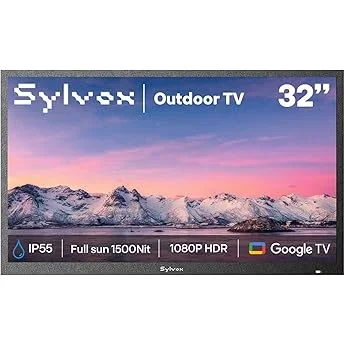
❌ Mistake: Buying an Indoor TV and Calling It “Outdoor”
Why it’s bad: Indoor TVs are not designed to handle moisture, temperature swings, or UV exposure. Using one outside—even under cover—can lead to condensation, corrosion, screen fogging, and electrical failure. Many manufacturers void warranties if indoor models are used outdoors.
What to do instead: Invest in a TV specifically rated for outdoor use. Look for IP ratings, weatherproof casings, and outdoor certifications. If budget is tight, consider a covered patio model or a portable outdoor TV instead.
❌ Mistake: Ignoring the IP Rating
Why it’s bad: Without a proper IP rating, you have no way of knowing how well the TV will resist water and dust. Marketing terms like “weather-resistant” or “all-weather” are not standardized and can be misleading.
What to do instead: Always check the IP rating in the product specs. Aim for IP55 or higher for rainy climates. Verify the rating with the manufacturer if it’s not clearly listed.
❌ Mistake: Overlooking Screen Brightness
Why it’s bad: A dim screen will look washed out even on cloudy days. You’ll strain your eyes and miss details, especially during daytime viewing.
What to do instead: Choose a TV with at least 700 nits of brightness, preferably 1000+ nits. Look for anti-glare coatings and high contrast ratios to improve visibility in ambient light.
❌ Mistake: Choosing the Wrong Size for Your Space
Why it’s bad: A TV that’s too small will be hard to see from a distance, while one that’s too large can overwhelm your garden and look awkward under low ceilings.
What to do instead: Measure your viewing distance and use the one-third rule. Consider your seating layout and sightlines. When in doubt, go slightly larger—outdoor screens benefit from bigger sizes.
❌ Mistake: Skimping on the Mount or Enclosure
Why it’s bad: A weak or non-weatherproof mount can fail in wind or rain, damaging the TV or causing injury. Poor enclosures allow moisture to seep in.
What to do instead: Use a corrosion-resistant, VESA-compatible mount rated for outdoor use. If using an enclosure, ensure it’s ventilated, sealed, and designed for your TV model.
❌ Mistake: Not Checking Warranty Terms
Why it’s bad: Some warranties exclude outdoor use or require professional installation. You could be left with no coverage if something goes wrong.
What to do instead: Read the warranty carefully. Confirm it covers outdoor use and understand any installation or maintenance requirements.
❌ Mistake: Buying Based on Price Alone
Why it’s bad: The cheapest option often cuts corners on durability, brightness, and sealing. You may end up replacing it within a year.
What to do instead: Balance price with features. Look for the best value in your budget—mid-range models often offer the best mix of quality and affordability.
Budget Guidelines: How Much Should You Spend?
When it comes to garden TVs for rainy climates, your budget will largely determine the level of protection, performance, and longevity you can expect. Here’s a breakdown of what you can get at different price points in 2026:
Entry-Level ($400 – $700): At this price, you’ll find portable outdoor TVs or indoor models with basic weatherproof enclosures. These are great for small patios, covered decks, or temporary setups. Expect 4K resolution, 500-700 nits brightness, and IP54 ratings. Brands like Sylvane and Outdoor TV offer solid options here. However, build quality may be lighter, and warranties are often shorter (1-2 years). Ideal for renters or those testing the waters.
Mid-Range ($700 – $1,500): This is the sweet spot for most buyers. You’ll get true outdoor TVs with IP55 or higher ratings, 700-1000 nits brightness, and durable aluminum frames. Models often include smart features, multiple HDMI ports, and 2-3 year warranties. Brands like Peerless-AV, Aviditi, and Seura offer excellent value here. These TVs are perfect for covered patios, pergolas, and semi-exposed areas.
Premium ($1,500 – $3,000): For enthusiasts and serious outdoor entertainers, premium models deliver top-tier performance. Expect IP65+ ratings, 1000+ nits brightness, OLED or high-end LED panels, and commercial-grade components. These TVs are built for full outdoor exposure and can handle extreme weather. SunBriteTV’s Veranda and Pro series fall into this category. They often include advanced cooling, optical bonding, and 3-5 year warranties.
Luxury ($3,000+): At this level, you’re investing in commercial or custom solutions. These are used in high-end homes, restaurants, or public spaces. Features include 24/7 operation, ultra-high brightness (1500+ nits), modular designs, and professional installation support. While overkill for most homeowners, they offer unmatched durability and image quality.
Expert Tips for Getting the Best Deal
- Shop During Off-Seasons: The best time to buy a garden TV is in late fall or winter (October to February), when demand is lowest. Retailers often discount outdoor electronics to clear inventory before spring.
- Compare Online and In-Store: Check prices on Amazon, Best Buy, Home Depot, and specialty outdoor retailers. Sometimes in-store pickup offers better warranties or bundled deals.
- Look for Refurbished Models: Certified refurbished outdoor TVs from reputable brands can save you 20-30% off retail. Ensure they come with a warranty and are tested for outdoor use.
- Bundle with Accessories: Some retailers offer discounts when you buy a TV with a mount, enclosure, or sound system. These bundles can be more cost-effective than buying separately.
- Check Return Policies: Outdoor TVs can be tricky to install. Choose retailers with generous return windows (30+ days) in case the model doesn’t suit your space.
- Read Real User Reviews: Look for reviews from buyers in similar climates. Pay attention to comments about long-term durability, brightness, and customer service.
- Consider Energy Efficiency: Outdoor TVs run longer hours. Look for ENERGY STAR ratings to save on electricity over time.
- Test Before Committing: If possible, visit a showroom to see the TV in person. Check brightness, color accuracy, and remote functionality under lighting conditions similar to your garden.
Frequently Asked Questions
Q: Can I use a regular TV outdoors if it’s under cover?
A: Technically yes, but it’s not recommended. Indoor TVs lack proper sealing, corrosion resistance, and brightness for outdoor use. Even under cover, humidity and temperature changes can damage internal components. For reliable performance, choose a TV rated for outdoor use.
Q: Do garden TVs need special power outlets?
A: Not necessarily, but they should be connected to a GFCI (ground fault circuit interrupter) outlet for safety, especially in wet areas. Also, use a surge protector to guard against power spikes.
Q: How do I protect my garden TV from lightning?
A: Install a whole-house surge protector and unplug the TV during thunderstorms. Avoid mounting near tall trees or metal structures that could attract lightning.
Q: Can I leave my garden TV on all the time?
A: Most outdoor TVs are designed for extended use, but continuous 24/7 operation is best left to commercial-grade models. For home use, turn it off when not in use to extend lifespan.
Q: What’s the difference between a garden TV and a digital signage display?
A: Digital signage displays are built for constant use, higher brightness, and remote management. They’re more expensive and lack smart TV features. Garden TVs are optimized for home entertainment with better audio and user interfaces.
Q: Do outdoor TVs come with built-in heaters or coolers?
A: Some premium models include internal heating elements for cold climates and enhanced cooling fans for hot weather. Check the specs—this is especially useful in regions with extreme temperatures.
Q: Can I stream content to my garden TV without Wi-Fi?
A: Yes, you can use a wired Ethernet connection, mobile hotspot, or pre-download content to a USB drive. Some models also support screen mirroring from smartphones or tablets.
Q: How long do outdoor TVs typically last?
A: With proper care, a quality outdoor TV can last 7-10 years or more. Cheaper models may fail in 3-5 years, especially in harsh climates.
Q: Are there solar-powered garden TV options?
A: While not common, some DIY setups use solar panels with battery storage. However, most garden TVs require a stable power source due to high energy consumption.
Q: Can I mount my garden TV on a pole or freestanding frame?
A: Yes, as long as the mount is rated for outdoor use and can support the TV’s weight. Ensure the pole is anchored securely to prevent tipping in wind.
Our Final Recommendations
Best for Budget-Conscious Buyers: Sylvane 55″ Outdoor TV (Model: SO-55UHD) – At under $700, this model offers IP55 rating, 750 nits brightness, 4K resolution, and a 2-year warranty. Perfect for covered patios and small gardens.
Best Overall Value: Peerless-AV 65″ Xtreme Outdoor TV – Priced around $1,200, it delivers IP65 protection, 1000 nits brightness, smart features, and a rugged aluminum frame. Ideal for rainy climates with partial exposure.
Best Premium Option: SunBriteTV Veranda 3 Series 75″ – At $2,800, this is a top-tier choice with IP66 rating, 1500 nits brightness, and commercial-grade durability. Built for full outdoor use in any weather.
Best for Beginners: Outdoor TV 50″ Portable Garden Display – Easy to set up, move, and store. Includes a weatherproof stand and remote. Great for first-time buyers.
Best for Advanced Users: Seura Shade 65″ Outdoor Smart TV – Combines sleek design with IP65 protection, 1200 nits brightness, and advanced cooling. Perfect for tech-savvy homeowners who want performance and style.
Conclusion: Making the Right Choice
Choosing the right garden TV for a rainy climate doesn’t have to be overwhelming. By focusing on key factors like weather resistance, screen brightness, build quality, and smart features, you can find a model that delivers years of reliable outdoor entertainment. Avoid common pitfalls like buying indoor TVs or ignoring IP ratings, and always consider your specific environment—whether you’re under a covered pergola or braving the elements on an open deck.
Remember, the cheapest option isn’t always the best long-term investment. Mid-range models often offer the best balance of durability, performance, and price. And don’t forget to factor in accessories, installation, and warranty coverage. With the insights from this guide, you’re now equipped to make a confident, informed decision.
So go ahead—transform your garden into a cozy, weather-ready retreat. Whether you’re watching the sunset with a movie or hosting a rainy-day BBQ with the game on, your perfect garden TV is out there. Start shopping smart, and enjoy your outdoor oasis—rain or shine.

