
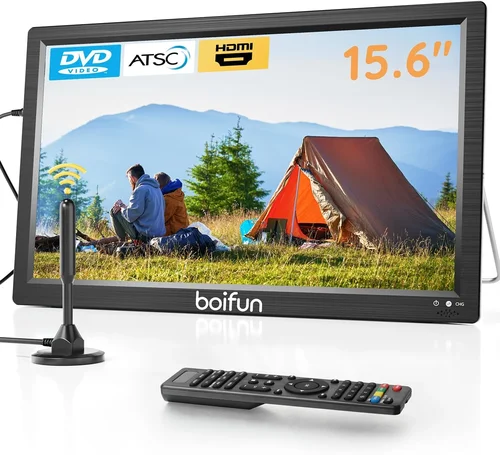
Outdoor kitchens have evolved from simple grilling stations to full-scale culinary and entertainment hubs. Whether you’re hosting summer barbecues, enjoying quiet evenings under the stars, or catching up on your favorite shows while prepping dinner, having a reliable TV in your garden kitchen transforms the experience. But here’s the catch: most outdoor TVs come with a hefty price tag. That’s why finding a cheap garden TV that doesn’t sacrifice essential performance is more important than ever.
This guide is designed for homeowners, DIY enthusiasts, and outdoor living lovers who want to enjoy high-quality entertainment without breaking the bank. We’ll walk you through everything you need to know to make a smart, informed decision—from understanding key technical specs to avoiding common pitfalls. You’ll learn how to balance cost with durability, what features truly matter for outdoor use, and where to find the best deals in 2026. Whether you’re mounting a screen under a covered patio or placing it in a semi-exposed area, this guide ensures you get the most value for your money.
The market for outdoor TVs has grown significantly in recent years, driven by increased demand for outdoor living spaces. However, many affordable options are simply indoor TVs marketed as “outdoor-friendly,” which can lead to disappointment—or worse, equipment failure. True outdoor TVs are built to withstand humidity, temperature swings, dust, and even direct sunlight. The challenge? Finding one that’s both budget-friendly and genuinely built for the elements. In this comprehensive guide, we’ll cut through the marketing noise and help you identify the best cheap garden TVs that deliver real outdoor performance.

What to Look for When Buying a Cheap Garden TV
1. Budget & Price Range
When shopping for a garden TV, your budget is the first and most critical factor. While “cheap” is relative, most buyers in this category are looking for models under $800, with many excellent options available between $300 and $600. Setting a clear budget helps narrow your choices and prevents overspending on features you don’t need.
It’s important to understand what you’re getting at different price points. Entry-level models (under $400) often use standard indoor panels with basic weatherproofing, which may be sufficient for covered patios but risky in exposed areas. Mid-range options ($400–$700) typically offer better brightness, improved enclosures, and more robust connectivity. Avoid the temptation to go ultra-cheap—TVs under $250 are rarely built for outdoor use and may fail within a season.
2. Performance Specifications
Performance specs determine how well your TV will function in an outdoor environment. The most critical specs to evaluate include brightness (measured in nits), resolution, refresh rate, and viewing angle.
Brightness is paramount. Indoor TVs typically range from 250 to 400 nits, but outdoor screens need at least 700 nits to remain visible in daylight. Look for models with 1000+ nits if your kitchen gets direct sun. Resolution should be at least Full HD (1920×1080), though 4K is becoming more common even in budget models. A higher refresh rate (60Hz or 120Hz) ensures smoother motion, which is especially noticeable during sports or action movies.
Viewing angle matters too. If your seating area is spread out, choose a TV with wide viewing angles (178 degrees or more) to avoid color distortion when viewed from the side.
3. Build Quality & Durability
Outdoor TVs face harsh conditions: rain, humidity, temperature extremes, dust, and UV exposure. A cheap garden TV must have a durable, weather-resistant build to survive these challenges.
Look for an IP (Ingress Protection) rating of at least IP55, which means the TV is protected against dust and water jets. Higher ratings like IP65 or IP66 offer even better protection. The enclosure should be made of powder-coated aluminum or stainless steel to resist rust and corrosion. Avoid plastic housings—they degrade quickly under UV exposure.
Also consider thermal management. Outdoor TVs generate heat, and without proper ventilation or cooling systems, internal components can overheat. Some budget models include passive cooling (heat sinks), while others use silent fans. Ensure the TV has adequate airflow, especially if it’s mounted in an enclosed space.
4. Features & Functionality
Modern outdoor TVs come with a range of features that enhance usability. While you don’t need every bell and whistle, certain functionalities are worth prioritizing.
Smart TV capabilities are increasingly common, even in budget models. Look for built-in Wi-Fi, support for streaming apps like Netflix, YouTube, and Amazon Prime Video, and voice control via Alexa or Google Assistant. HDMI ports (at least two) are essential for connecting devices like streaming sticks, gaming consoles, or soundbars.
Audio quality is another consideration. Most outdoor TVs have small, low-power speakers that struggle in open spaces. If sound is important, plan to connect external speakers or a soundbar. Some models include audio output jacks or Bluetooth for wireless audio.
5. Brand Reputation
Not all brands are created equal when it comes to outdoor electronics. Some companies specialize in rugged, weather-resistant displays, while others repackage indoor models with minimal modifications.
Reputable brands in the outdoor TV space include SunBriteTV, Seura, and Peerless-AV, though their products tend to be premium-priced. For budget options, look for brands like Sylvans, Kogan, or Hisense, which offer outdoor-ready models at lower price points. Research customer reviews and expert ratings to gauge reliability.
Avoid no-name brands sold exclusively through third-party marketplaces. These often lack proper certifications, customer support, or warranty coverage. A trusted brand may cost slightly more upfront but saves money in the long run by reducing the risk of early failure.
6. Warranty & Support
A strong warranty is a sign of confidence in a product’s durability. Most reputable outdoor TVs come with at least a 1-year warranty, with some offering 2–3 years. Check what the warranty covers: does it include weather damage? What about accidental drops or power surges?
Customer support is equally important. Can you reach a human being quickly? Is there a dedicated outdoor product support line? Read user reviews to see how the company handles repairs and replacements. A cheap TV with poor support can become a costly headache if it breaks down.
7. Size & Portability
The size of your TV depends on your viewing distance and available space. For most outdoor kitchens, a 43-inch to 55-inch screen is ideal. Smaller screens (32–40 inches) work well for compact setups, while larger models (60+ inches) are better for open patios with distant seating.
Consider portability if you plan to move the TV seasonally or store it indoors during winter. Some outdoor TVs are designed to be lightweight and easy to dismount, while others are permanently installed. Wall mounts should be sturdy and corrosion-resistant—look for powder-coated or stainless steel brackets.
If you’re using a portable TV, ensure it has a secure stand or can be mounted on a weatherproof cart. Never leave a portable TV exposed to rain or snow unless it’s specifically rated for full outdoor use.
8. User Reviews & Ratings
User reviews provide real-world insights that specs alone can’t offer. Look for feedback on brightness in sunlight, durability over time, ease of setup, and customer service experiences.
Pay attention to recurring issues. If multiple users report screen fogging, overheating, or Wi-Fi dropouts, it’s a red flag. Conversely, consistent praise for picture quality or weather resistance is a good sign.
Use trusted review platforms like Amazon, Best Buy, or specialized outdoor living forums. Avoid relying solely on manufacturer websites, as they may feature curated or incentivized reviews.

