
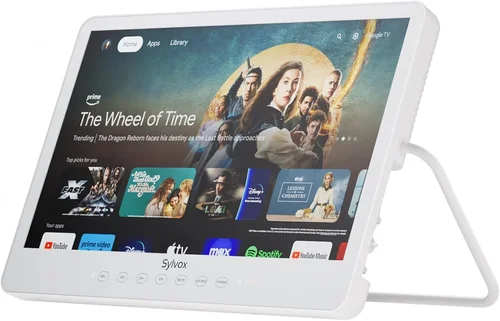
Outdoor living has evolved dramatically over the past decade, and one of the most exciting additions to modern backyard setups is the garden TV. Whether you’re hosting summer barbecues, relaxing by the pool, or enjoying a quiet evening under the stars, having a television in your outdoor space transforms how you experience entertainment. But for many homeowners—especially those in hot climates—the dream of an outdoor TV often hits a major roadblock: cost and climate compatibility. Standard indoor TVs simply aren’t built to withstand extreme heat, intense sunlight, or fluctuating humidity levels. That’s where affordable, climate-resilient garden TVs come into play.
This comprehensive buying guide is designed specifically for budget-conscious buyers in hot regions who want to enjoy high-quality outdoor viewing without breaking the bank. Whether you live in Arizona, Texas, Southern California, or any other sun-drenched area, you’ll learn exactly what to look for when choosing a cheap garden TV that can handle the heat. We’ll walk you through key technical specs, durability considerations, smart features, and real-world performance tips—all while keeping your wallet in mind. By the end of this guide, you’ll be equipped with the knowledge to make a confident, informed decision that balances affordability with long-term value.
The market for outdoor TVs has expanded significantly in recent years, with more manufacturers offering budget-friendly options that don’t sacrifice essential protections. While premium models from brands like SunBrite and Seura still dominate the high-end segment, a new wave of cost-effective alternatives—often repurposed indoor TVs with added cooling or weatherproof enclosures—has emerged. These solutions cater to casual users who want basic functionality without investing thousands of dollars. However, not all “cheap” options are created equal. Some cut corners on heat dissipation, UV resistance, or waterproofing, which can lead to premature failure in scorching environments. This guide cuts through the noise, helping you identify genuinely reliable, heat-resistant garden TVs that deliver solid performance at a fraction of the price of full outdoor-rated units.

What to Look for When Buying Buying Guide
1. Heat Resistance & Thermal Management
In hot climates, excessive heat is the number one enemy of electronic devices—and TVs are no exception. Most indoor televisions are designed to operate safely between 50°F and 95°F (10°C to 35°C). When placed in direct sunlight or enclosed outdoor spaces, temperatures can easily exceed 120°F (49°C), causing internal components to overheat, warp, or fail prematurely. This is why thermal management is arguably the most critical factor when selecting a cheap garden TV for hot weather.
Look for models that include built-in cooling systems such as passive heat sinks, active fans, or advanced ventilation designs. Some budget-friendly outdoor TVs use sealed enclosures with internal airflow channels that prevent dust and moisture ingress while allowing heat to escape. Others may rely on external cooling accessories like sun shields or insulated TV cabinets. Pay close attention to the manufacturer’s operating temperature range—ideally, it should be rated for at least 104°F (40°C), with some models going up to 122°F (50°C).
Another often-overlooked detail is the placement of vents. If a TV has bottom-mounted vents, it may trap hot air when mounted low on a wall or under a pergola. Side or top ventilation is generally more effective in high-heat scenarios. Also, consider the ambient temperature around the TV: if it’s installed in a shaded but poorly ventilated area, even a heat-resistant model may struggle. Always allow at least 4–6 inches of clearance on all sides for airflow.
2. Sunlight Readability & Display Technology
Watching TV outdoors means battling glare, reflections, and washed-out colors caused by direct sunlight. Even the brightest indoor TVs typically peak at 300–500 nits of brightness—far below what’s needed for comfortable daytime viewing. In contrast, true outdoor TVs often feature displays with 700 nits or higher, along with anti-reflective coatings and high-contrast panels.
For budget buyers, finding a cheap garden TV with excellent sunlight readability can be challenging—but not impossible. Look for models that specify “high brightness” (600+ nits) or “outdoor visibility” in their marketing. LED-backlit LCD panels generally perform better than older CCFL or standard LCDs in bright conditions. Some manufacturers also use quantum dot technology (QLED) or enhanced color filters to improve contrast and color accuracy in daylight.
Another key feature is the screen’s viewing angle. Wide-angle IPS (In-Plane Switching) panels maintain color consistency even when viewed from the side—ideal for group gatherings. Avoid TN (Twisted Nematic) panels, which offer poor color reproduction and narrow viewing angles, especially in bright light.
Don’t forget about ambient light sensors. These automatically adjust screen brightness based on surrounding light conditions, reducing eye strain and conserving energy. While not essential, they’re a nice-to-have feature that enhances the outdoor viewing experience without adding significant cost.
3. Weatherproofing & IP Rating
Even if your garden TV is installed under a covered patio or pergola, it’s still exposed to dust, humidity, rain splashes, and temperature swings. A lack of proper weatherproofing is one of the fastest ways a cheap outdoor TV can fail—especially in humid or monsoon-prone regions.
The standard measure of weather resistance is the IP (Ingress Protection) rating, which consists of two digits. The first digit indicates protection against solid particles (like dust), and the second refers to liquid ingress (like rain or condensation). For outdoor use in hot climates, aim for at least an IP54 rating—this means the TV is dust-protected and resistant to water splashes from any direction.
However, many budget garden TVs are not fully sealed and instead rely on external enclosures or cabinets to achieve weather resistance. If you go this route, ensure the enclosure itself has a high IP rating (IP65 or higher is ideal) and is made from UV-stabilized materials that won’t degrade in the sun. Avoid plastic housings that become brittle over time.
Also, check the ports and connectors. Are they covered with rubber gaskets? Is there a drip loop for cables to prevent water from traveling into the TV? These small details make a big difference in long-term reliability. Remember: even a few drops of moisture can corrode internal circuits, especially in high-heat environments where condensation forms rapidly during evening cooldowns.
4. Build Quality & Durability
Cheap doesn’t have to mean flimsy—but it often does. When shopping for a budget garden TV, scrutinize the build quality just as closely as the specs. A TV that looks sleek in photos might use thin plastic casings, weak mounting brackets, or poorly soldered internal connections that fail under thermal stress.
Start with the chassis material. Metal-backed TVs (especially aluminum) dissipate heat more efficiently than all-plastic designs and are less likely to warp in extreme temperatures. Look for reinforced corners, sturdy bezels, and secure port covers. The remote control should also feel solid and include rubberized buttons that resist fading from UV exposure.
Mounting hardware is another durability checkpoint. Many inexpensive outdoor TVs come with basic wall mounts that aren’t rated for outdoor use. Invest in a heavy-duty, corrosion-resistant mount (powder-coated steel or marine-grade aluminum) that can handle wind loads and thermal expansion. If you’re using a TV cabinet, ensure it’s anchored securely to prevent tipping.
Finally, consider the internal components. TVs with solid-state capacitors, ceramic resistors, and conformal-coated circuit boards are better equipped to handle heat cycles and humidity. While you can’t always verify these details before purchase, reputable brands often highlight “industrial-grade” or “ruggedized” internals in their product descriptions.
5. Smart Features & Connectivity
Modern garden TVs aren’t just about displaying content—they’re entertainment hubs. Even on a budget, you’ll want access to streaming apps, voice control, and seamless device integration. Fortunately, many affordable models now come with built-in smart platforms like Roku TV, Android TV, or Fire TV, eliminating the need for external streaming sticks.
Check which apps are pre-installed and whether the interface receives regular software updates. Outdated firmware can lead to security vulnerabilities and app incompatibilities, especially as services evolve. Also, verify Wi-Fi performance: dual-band (2.4GHz and 5GHz) support ensures stable connectivity, which is crucial for buffering-free streaming in areas with weak signals.
Connectivity options matter too. Look for at least three HDMI ports (preferably HDMI 2.0 or higher for 4K content), USB inputs for media playback, and an Ethernet port for wired internet if Wi-Fi is unreliable. Audio outputs (optical or 3.5mm) allow you to connect external speakers or soundbars, enhancing the outdoor audio experience.
Voice assistants like Alexa or Google Assistant are increasingly common even in budget models. These let you change channels, search for shows, or adjust volume hands-free—perfect for when you’re grilling or lounging. Just remember that microphones on remotes may pick up wind noise, so test responsiveness in real outdoor conditions.
6. Size & Viewing Distance
Choosing the right screen size isn’t just about preference—it’s about practicality. A TV that’s too small will be hard to see from a distance, while one that’s too large may overwhelm your space or require excessive brightness to look good in daylight.
As a rule of thumb, divide your viewing distance (in inches) by 1.5 to 2.5 to determine the ideal screen diagonal. For example, if your seating area is 10 feet (120 inches) away, a 48- to 80-inch TV would be appropriate. In hot climates, larger screens often benefit from higher brightness and better heat distribution, but they also consume more power and generate more internal heat.
Consider your installation environment. Will the TV be mounted high on a wall? If so, a slightly larger screen improves visibility. Is it placed near reflective surfaces like pools or glass railings? A matte or anti-glare screen reduces distracting reflections. Also, think about portability: if you plan to move the TV between indoor and outdoor spaces, a lighter 43- or 50-inch model may be more manageable than a 65-inch behemoth.
Lastly, factor in ambient lighting. In full sun, a 55-inch TV with 700 nits may look great, but in shaded areas, a 43-inch with 500 nits could suffice. Don’t overspend on size if your usage is casual or limited to evenings.
7. Brand Reputation & User Reviews
With so many generic brands flooding the budget TV market, it’s easy to get lured by low prices and flashy specs. But brand reputation and real-user feedback are your best defenses against buyer’s remorse. Established electronics companies like TCL, Hisense, and Vizio have proven track records of delivering reliable, feature-rich TVs at competitive prices—even in outdoor-adapted models.
Before purchasing, read verified customer reviews on retailer sites like Amazon, Best Buy, or Walmart. Pay special attention to comments about heat performance, longevity, and customer service. Look for recurring issues: “screen flickered after two weeks in the sun,” “remote stopped working in humidity,” or “Wi-Fi drops during peak heat.” These red flags often reveal design flaws that specs alone won’t show.
Also, check if the brand offers dedicated outdoor support or extended warranties for garden use. Some manufacturers void warranties if the TV is used outside, so confirm the terms beforehand. Niche outdoor TV brands like Sylvane or Outdoor TV Direct may offer better climate-specific support, even if their base models are pricier.
Finally, consider community forums and Reddit threads. Enthusiast groups often share long-term testing results, DIY cooling mods, and compatibility tips that aren’t available elsewhere. A little research can save you hundreds and extend your TV’s life.
8. Warranty & Return Policy
A cheap garden TV is only a good deal if it lasts. Unfortunately, many budget models come with minimal warranties—sometimes as short as 90 days—or exclude outdoor use entirely. Always verify the warranty length and coverage before buying. A minimum one-year warranty is standard; two years or more is ideal for outdoor electronics.
Read the fine print: does the warranty cover heat-related damage? What about moisture ingress or power surges? Some brands offer “outdoor use” add-ons for an extra fee, which can be worth it for peace of mind. Also, check if the warranty is honored by local service centers or requires shipping the unit back—this can be costly and time-consuming.
Return policies are equally important. Most reputable retailers offer 14- to 30-day return windows, but some exclude opened electronics. If possible, choose a seller with a generous return policy (like Costco or Amazon) so you can test the TV in your actual outdoor environment. If it overheats, has poor visibility, or fails within the first month, you can send it back hassle-free.
Pro tip: Register your TV immediately after purchase to activate the warranty and receive firmware update notifications. Keep your receipt and packaging in case you need to return or repair the unit.
Different Types of Buying Guide

Common Buying Mistakes to Avoid
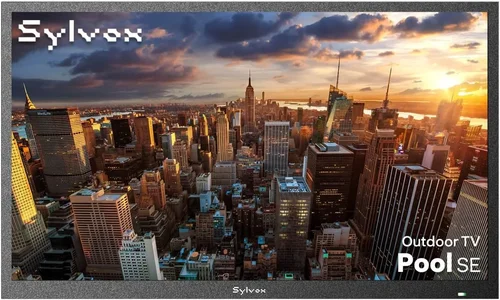
❌ Mistake: Buying a Standard Indoor TV for Outdoor Use
Why it’s bad: Indoor TVs lack thermal management, weatherproofing, and high-brightness displays. In hot climates, they can overheat within weeks, suffer screen burn-in from constant sun exposure, or short-circuit due to humidity. Many manufacturers void warranties if used outdoors.
What to do instead: Either invest in a semi-outdoor or fully rated model, or pair an indoor TV with a certified outdoor enclosure that includes cooling and IP65+ protection. Never assume “it’ll be fine under the patio.”
❌ Mistake: Ignoring the IP Rating
Why it’s bad: Without proper ingress protection, dust and moisture will infiltrate the TV, causing corrosion, electrical faults, and premature failure—especially in dusty deserts or humid coastal areas.
What to do instead: Always check the IP rating. For covered areas, IP54 is acceptable; for exposed locations, aim for IP65 or higher. If the TV doesn’t list an IP rating, it’s not designed for outdoor use.
❌ Mistake: Overlooking Viewing Angle and Brightness
Why it’s bad: A dim screen with narrow viewing angles makes group viewing impossible and forces you to sit directly in front of the TV, limiting seating flexibility.
What to do instead: Choose a TV with at least 600 nits brightness and an IPS panel for wide viewing angles. Test the screen in daylight conditions before finalizing your purchase.
❌ Mistake: Skimping on the Mount or Enclosure
Why it’s bad: A weak mount can fail in high winds, and a cheap plastic enclosure may crack or yellow in the sun, compromising protection.
What to do instead: Invest in a heavy-duty, corrosion-resistant mount and a UV-stabilized outdoor cabinet. These are small upgrades that significantly extend your TV’s lifespan.
❌ Mistake: Not Checking Warranty Terms
Why it’s bad: Many warranties exclude outdoor use, heat damage, or moisture-related issues. You could end up paying full price for repairs on a “cheap” TV.
What to do instead: Read the warranty carefully. If outdoor use isn’t covered, consider purchasing an extended warranty or choosing a brand that explicitly supports garden installations.
❌ Mistake: Forgetting About Power and Connectivity
Why it’s bad: Running long HDMI or power cables through walls without proper conduits can create fire hazards or signal loss. Poor Wi-Fi coverage leads to buffering.
What to do instead: Use weatherproof cable conduits, install a Wi-Fi extender near the TV, and consider wired Ethernet for stable streaming. Plan your cable routing before mounting.
❌ Mistake: Buying Based Solely on Price
Why it’s bad: The cheapest option often lacks essential protections, leading to frequent replacements and higher long-term costs.
What to do instead: Focus on value—not just price. A $600 TV that lasts 5 years is better than a $300 TV that fails in 6 months. Prioritize heat resistance, brightness, and build quality.
Budget Guidelines: How Much Should You Spend?
Entry-Level ($300–$600): This tier includes basic indoor TVs paired with third-party outdoor enclosures or older-model semi-outdoor units. Expect modest brightness (400–500 nits), limited smart features, and minimal weatherproofing. Best for shaded, temporary setups or occasional use. Examples: TCL 4-Series in a Sylvane outdoor cabinet.
Mid-Range ($600–$1,000): The sweet spot for most buyers. These TVs offer 600+ nits brightness, decent smart platforms (Roku, Fire TV), and better thermal design. Many come with IP54 ratings or optional outdoor kits. Ideal for covered patios in hot climates. Examples: Hisense U6H with outdoor mounting kit.
Premium ($1,000–$1,800): Designed for serious outdoor enthusiasts. Features include full IP65 weatherproofing, 700+ nits brightness, advanced cooling, and rugged builds. Suitable for exposed decks or poolside areas. Examples: SunBrite Veranda Series (budget tier).
Luxury ($1,800+): Top-tier outdoor TVs with commercial-grade components, extreme temperature tolerance (-40°F to 140°F), and professional installation support. Overkill for most homeowners but ideal for luxury resorts or permanent installations.
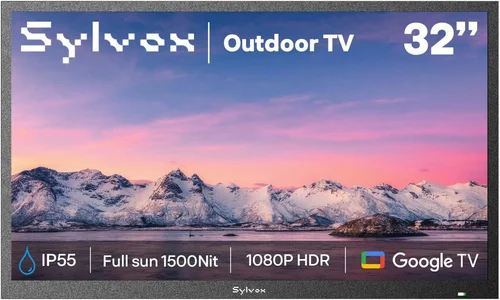
Expert Tips for Getting the Best Deal
- Shop during off-seasons: Prices drop significantly in fall and winter when demand for outdoor electronics declines. Look for Black Friday, Cyber Monday, or post-summer clearance sales.
- Compare bundled deals: Some retailers offer TV + outdoor enclosure + mount packages at discounted rates. These can save $100–$200 versus buying separately.
- Check refurbished options: Certified refurbished outdoor TVs from reputable sellers often come with full warranties and cost 20–30% less than new units.
- Use price tracking tools: Set alerts on CamelCamelCamel (for Amazon) or Honey to monitor price drops on your desired model.
- Negotiate with local installers: Some AV specialists offer discounts if you bundle TV purchase with installation services.
- Verify return windows: Choose retailers with 30-day return policies so you can test the TV in real conditions.
- Join loyalty programs: Stores like Costco and Sam’s Club offer member-exclusive pricing and extended return periods.
- Consider energy efficiency: TVs with ENERGY STAR ratings consume less power, reducing long-term costs—especially important if running all day.

Frequently Asked Questions
Q: Can I use a regular TV outside if it’s under a covered patio?
A: Technically yes, but it’s risky. Even under cover, heat buildup, humidity, and dust can damage internal components. For reliable performance, use a TV rated for outdoor use or pair an indoor model with a certified outdoor enclosure.
Q: How hot is too hot for a garden TV?
A: Most electronics fail above 122°F (50°C). Check your TV’s operating temperature range—if it’s below 104°F (40°C), avoid direct sun or poorly ventilated areas.
Q: Do I need a special mount for outdoor TVs?
A: Yes. Standard mounts aren’t rated for outdoor conditions. Use a corrosion-resistant, tilt/swivel mount designed for outdoor use, and ensure it’s securely anchored.
Q: Will my Wi-Fi work well outdoors?
A: Not always. Walls, distance, and interference reduce signal strength. Install a weatherproof Wi-Fi extender or use a wired Ethernet connection for best results.
Q: Can I leave my garden TV on all day?
A: It depends on the model. TVs with active cooling and high-duty-cycle ratings can handle extended use. Avoid leaving cheaper models on for more than 6–8 hours continuously.
Q: Are outdoor TVs worth the extra cost?
A: If you live in a hot climate and plan to use the TV regularly, yes. The added durability, brightness, and weatherproofing prevent frequent replacements and enhance viewing quality.
Q: What’s the difference between IP54 and IP65?
A: IP54 protects against dust and water splashes; IP65 adds protection against low-pressure water jets. For exposed areas, IP65 is strongly recommended.
Q: Can I connect external speakers?
A: Yes, most outdoor TVs have optical, HDMI ARC, or 3.5mm audio outputs. Pair with weather-resistant outdoor speakers for better sound.
Q: How do I clean my outdoor TV screen?
A: Use a microfiber cloth and distilled water only. Avoid ammonia-based cleaners, which can damage anti-reflective coatings.
Q: Will my TV fade in the sun?
A: Prolonged UV exposure can degrade plastic bezels and remotes. Choose models with UV-stabilized materials or use protective covers when not in use.
Our Final Recommendations
Best for Budget-Conscious Buyers: TCL 50S546 (50″ QLED) + Sylvane Outdoor TV Cabinet. Combines vibrant QLED display with robust IP65 enclosure for under $700.
Best Overall Value: Hisense 55U6H (55″ ULED) with built-in outdoor mounting kit. Offers 700 nits brightness, Dolby Vision, and reliable cooling for around $850.
Best Premium Option: SunBrite Veranda 55-inch Full Sun. Fully weatherproof, 1000+ nits brightness, and designed for extreme heat—ideal for poolside use ($1,600).
Best for Beginners: Vizio V-Series 43″ with Outdoor TV Direct starter kit. Simple setup, good app selection, and solid performance in shaded areas ($550).
Best for Advanced Users: Custom-built solution using LG OLED C2 in a NERO outdoor enclosure. Delivers stunning picture quality with professional-grade protection ($1,400+).
Conclusion: Making the Right Choice
Choosing a cheap garden TV for hot climates doesn’t mean sacrificing quality—it means being smart about where you spend your money. By prioritizing heat resistance, sunlight readability, weatherproofing, and build quality, you can find a reliable outdoor entertainment solution that fits your budget and withstands the elements. Avoid common pitfalls like using indoor TVs without protection or ignoring IP ratings, and always verify warranty terms before purchasing.
Remember, the goal isn’t just to save money upfront—it’s to invest in a TV that delivers years of enjoyment without constant repairs or replacements. Whether you’re watching the big game, streaming a movie under the stars, or simply enjoying background music while gardening, the right garden TV enhances your outdoor lifestyle in ways an indoor screen never could.
Take the time to assess your specific needs: How much sun does your space get? How many people will typically watch? Do you need smart features or just basic connectivity? Use the guidelines, comparisons, and expert tips in this guide to narrow your options and make a confident decision. And when in doubt, lean toward slightly higher brightness, better cooling, and reputable brands—even if it means stretching your budget a little.
Your perfect outdoor TV is out there. With the knowledge from this guide, you’re now equipped to find it—without overspending or compromising on performance. Happy viewing!

