
Outdoor living spaces have evolved dramatically over the past decade. What once was a simple patio with a grill and a few chairs has transformed into a full-fledged entertainment zone—complete with outdoor kitchens, fire pits, and yes, even televisions. Whether you’re hosting summer barbecues, watching the big game under the stars, or enjoying a quiet evening movie night with family, having a TV on your deck can elevate your outdoor experience. But here’s the catch: not all TVs are built to withstand the elements, and premium outdoor models often come with premium price tags.
That’s where this guide comes in. If you’re looking to add entertainment value to your deck without breaking the bank, you need a smart, informed approach. A “cheap deck TV” doesn’t have to mean low quality—it means finding the right balance between affordability, durability, and performance. With so many options flooding the market in 2026, it’s easy to get overwhelmed. Some brands promise weather resistance but fail under real-world conditions. Others offer great picture quality indoors but falter in bright sunlight. And then there are the hidden costs—mounting hardware, protective enclosures, or short lifespans that force you to replace your TV sooner than expected.
In this comprehensive buying guide, we’ll walk you through everything you need to know to choose the best cheap deck TV for your needs. You’ll learn how to evaluate key factors like brightness, weather resistance, and connectivity, avoid common pitfalls, and stretch your budget further with expert tips. Whether you’re a first-time buyer or upgrading from an older model, this guide will help you make a confident, cost-effective decision. We’ll also break down different types of outdoor TVs, compare price tiers, and answer your most pressing questions—so by the end, you’ll know exactly what to look for and where to buy.
The market for outdoor TVs has expanded significantly in recent years, driven by consumer demand for year-round outdoor living. While fully weatherproof, commercial-grade outdoor TVs from brands like SunBrite and Samsung’s The Terrace dominate the high-end segment, there’s a growing middle ground of affordable, semi-outdoor models that offer solid performance at a fraction of the cost. These budget-friendly options often use standard indoor TVs housed in protective outdoor enclosures or feature enhanced brightness and basic weather resistance. In 2026, advancements in display technology and manufacturing have made it easier than ever to find a reliable deck TV under $800—sometimes even under $500. This guide focuses on those value-driven options, helping you navigate the noise and find a TV that delivers great picture, survives the seasons, and fits your budget.
What to Look for When Buying a Cheap Deck TV
1. Brightness and Sunlight Readability
One of the most critical factors when choosing a deck TV is brightness, measured in nits. Indoor TVs typically range from 250 to 500 nits, which is fine for dimly lit rooms but completely inadequate for outdoor use. On a sunny afternoon, glare and ambient light can wash out the screen, making it nearly impossible to see what’s on display. For deck use, you’ll want a TV with at least 700 nits of brightness, but ideally 1000 nits or more for optimal visibility in direct sunlight.
Look for TVs marketed as “high-brightness” or “outdoor-ready.” Many budget models now include anti-glare coatings and enhanced backlighting to improve outdoor visibility. For example, some TCL and Hisense models in the 500–700 nit range can work well in shaded or partially covered decks, especially if you’re viewing from a fixed seating area. However, if your deck is fully exposed to midday sun, aim for 1000+ nits. Keep in mind that higher brightness often comes with increased power consumption and heat output, so ensure your setup allows for proper ventilation.
2. Weather Resistance and Durability
Not all TVs are built to handle rain, humidity, dust, or temperature swings. While fully sealed outdoor TVs are ideal, they’re often expensive. For budget buyers, the next best option is a standard indoor TV paired with a weatherproof outdoor enclosure. These enclosures—made from powder-coated aluminum or reinforced plastic—protect the TV from moisture, UV rays, and debris while allowing airflow to prevent overheating.
When evaluating weather resistance, check the IP (Ingress Protection) rating of any enclosure or outdoor TV. An IP55 rating means the unit is protected against dust and low-pressure water jets, which is sufficient for most deck environments. Avoid TVs or enclosures with no IP rating or vague claims like “weather-resistant” without certification. Also, consider the operating temperature range. Most indoor TVs are rated for 32°F to 95°F, but outdoor use may expose them to freezing winters or scorching summers. Look for models that can handle at least 14°F to 113°F if you live in an extreme climate.
3. Screen Size and Viewing Distance
Choosing the right screen size is about more than just preference—it’s about practicality. A TV that’s too small will be hard to see from a distance, while one that’s too large may overwhelm your deck space or require a costly mounting solution. As a general rule, your viewing distance should be about 1.5 to 2.5 times the diagonal screen size. For example, a 55-inch TV is ideal for seating 7 to 10 feet away.
On a typical deck, 50 to 65 inches is the sweet spot. Smaller decks or balconies might benefit from a 43-inch model, while larger patios can accommodate 70 inches or more. Keep in mind that larger screens consume more power and may require a more robust mounting system. Also, consider the viewing angle. If your seating is spread out or off to the sides, look for a TV with wide viewing angles (typically found in IPS panels) to maintain color and contrast.
4. Connectivity and Smart Features
Modern deck TVs should offer a range of connectivity options to support streaming, gaming, and external devices. At a minimum, look for HDMI ports (preferably HDMI 2.0 or higher for 4K content), USB ports for media playback, and Wi-Fi or Ethernet for internet access. Bluetooth is a nice bonus for connecting wireless speakers or headphones.
Smart TV platforms are essential for streaming content without additional hardware. In 2026, most budget TVs come with Roku TV, Google TV, or Amazon Fire TV built-in. Roku is user-friendly and supports nearly all major streaming apps, while Google TV offers deeper integration with Android devices and voice control via Google Assistant. Fire TV is ideal if you’re already in the Amazon ecosystem. Avoid TVs with outdated or proprietary smart systems, as they may lack app support or receive infrequent updates.
5. Audio Quality and Sound Solutions
Most budget TVs, especially slim models, have underwhelming built-in speakers. On a deck, where ambient noise from wind, traffic, or conversation can drown out dialogue, this becomes a major issue. While some TVs offer decent audio enhancement features like Dolby Audio or DTS Virtual:X, they rarely match the clarity and volume needed for outdoor use.
Consider pairing your TV with external speakers. Weather-resistant Bluetooth speakers or a compact outdoor soundbar can dramatically improve your audio experience. Look for speakers with IPX5 or higher ratings and long battery life if you’re going wireless. Alternatively, wired options like in-ground or wall-mounted speakers can be integrated into your deck design for a cleaner look. Just ensure your TV has audio output options like optical or 3.5mm jack to connect external audio systems.
6. Mounting and Installation Flexibility
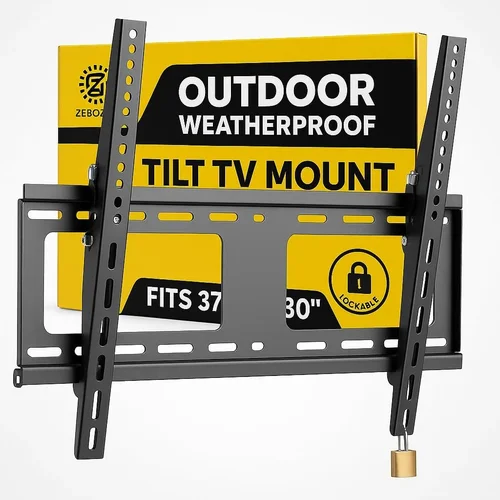
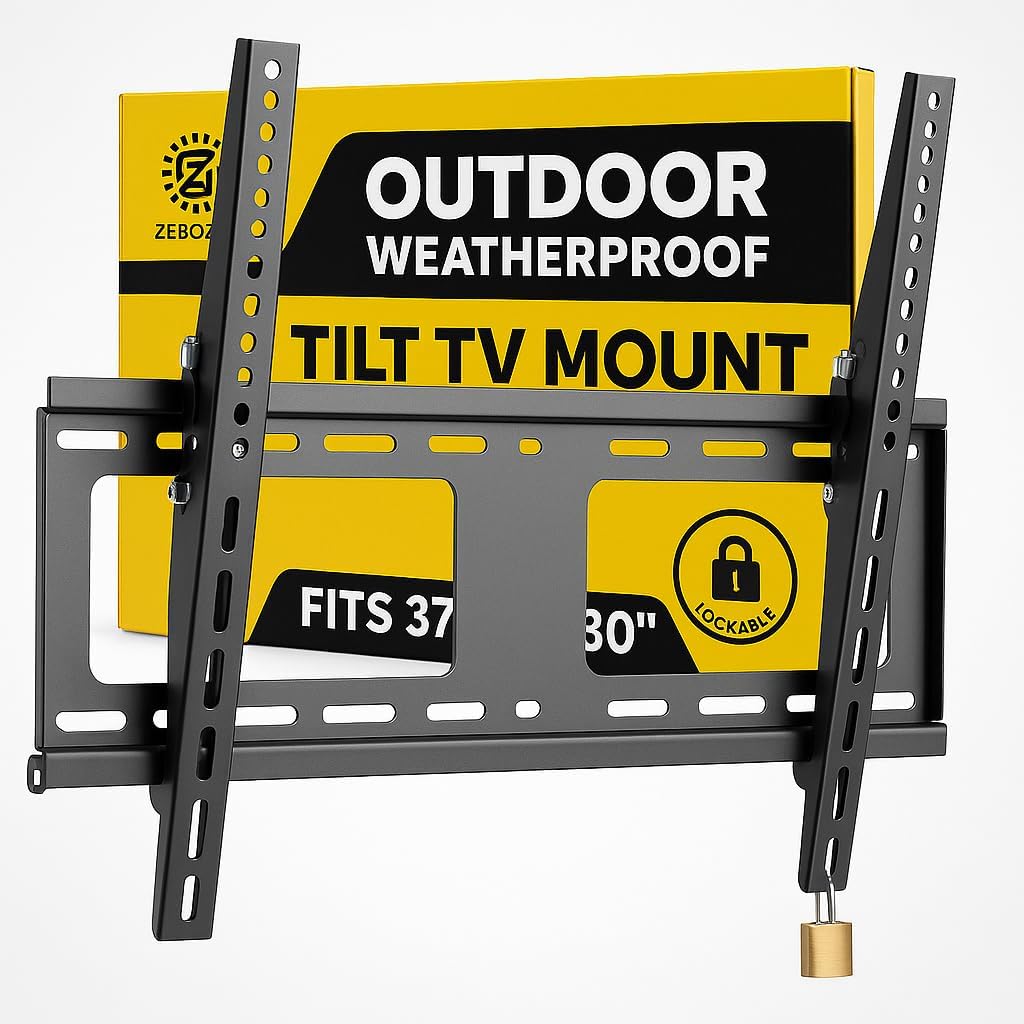
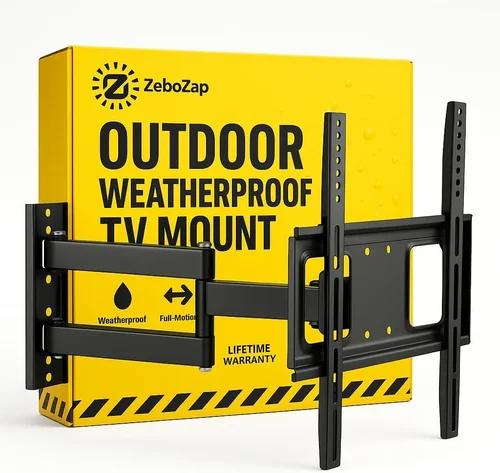
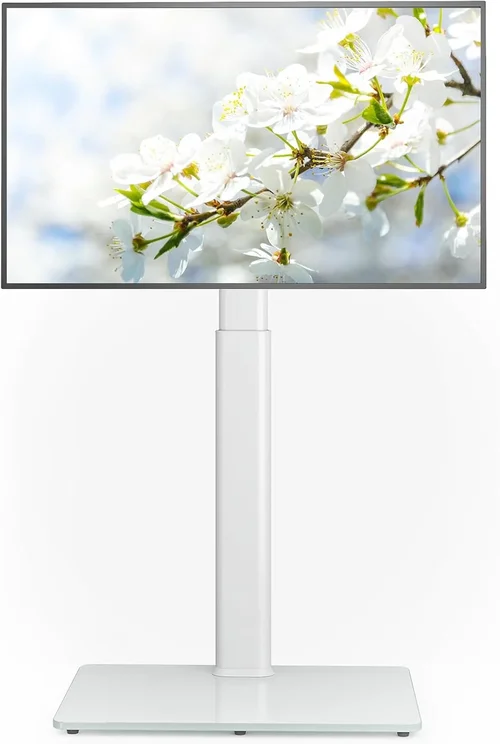
How you plan to mount your TV will influence your buying decision. Wall mounts are the most common, but you may also consider ceiling mounts, articulating arms, or even portable stands. For decks, a full-motion mount is ideal—it allows you to tilt, swivel, and extend the TV for optimal viewing from different angles.
Check the VESA (Video Electronics Standards Association) pattern on the back of the TV to ensure compatibility with your chosen mount. Common patterns include 200×200, 400×400, and 600×400 mm. Also, consider the weight and thickness of the TV, especially if you’re using a weatherproof enclosure, which can add bulk. Some enclosures come with built-in mounting hardware, simplifying installation.
Installation location matters too. Avoid placing the TV directly above a grill or fire pit, as heat and smoke can damage components. Ideally, mount it under a covered area like a pergola or awning to protect it from direct rain and sun. If that’s not possible, ensure the enclosure provides full coverage.
7. Brand Reputation and Reliability
Not all budget TV brands are created equal. While you can find great deals from lesser-known manufacturers, sticking with reputable brands increases your chances of getting a reliable, long-lasting product. In 2026, brands like TCL, Hisense, Vizio, and Samsung dominate the affordable TV market with strong performance and solid customer support.
TCL, for example, offers excellent value with its Roku-powered 4-Series and 5-Series TVs, many of which are available in high-brightness variants. Hisense has made strides with its ULED technology, delivering vibrant colors and good outdoor visibility at competitive prices. Vizio’s V-Series provides a balance of features and affordability, while Samsung’s Crystal UHD models are known for reliability and smart functionality.
Avoid no-name brands or models sold exclusively through third-party online retailers with limited return policies. These may use inferior components or lack proper certifications. Always check for UL (Underwriters Laboratories) or ETL safety listings, which indicate the TV meets electrical safety standards.
8. Warranty and Customer Support
A cheap TV isn’t a bargain if it breaks down after a year. Warranty coverage is a crucial factor, especially for outdoor use where environmental stress can shorten a TV’s lifespan. Most budget TVs come with a standard 1-year limited warranty, but some brands offer extended coverage or optional protection plans.
Look for manufacturers that provide accessible customer support, including phone, email, and live chat. Check online reviews for feedback on warranty claims and repair times. Some companies, like Samsung and LG, have nationwide service networks, making repairs faster and more convenient. Others may require you to ship the TV back, which can take weeks.
If you’re using a weatherproof enclosure, check if it’s covered under warranty and whether the manufacturer offers replacement parts. Also, consider purchasing an extended warranty or protection plan from the retailer, especially if you live in a harsh climate.
Different Types of Cheap Deck TVs

Common Buying Mistakes to Avoid
❌ Mistake: Buying a Standard Indoor TV Without Protection
Why it’s bad: Indoor TVs are not designed for outdoor conditions. Exposure to moisture, dust, and temperature changes can cause corrosion, screen damage, or electrical failure within months. Even a light rain shower can ruin an unprotected TV.
What to do instead: Always use a weatherproof enclosure or choose a TV specifically rated for outdoor use. If you already own an indoor TV, invest in a high-quality outdoor case with proper ventilation and IP55 or higher rating.
❌ Mistake: Ignoring Brightness Requirements
Why it’s bad: A dim TV will be unwatchable on a sunny deck. You’ll strain your eyes, miss details, and ultimately regret your purchase. Many buyers assume their indoor TV will work fine outside, only to discover it’s too dark.
What to do instead: Prioritize brightness. Aim for at least 700 nits for shaded areas and 1000+ nits for full sun. Check product specs carefully—don’t rely on marketing terms like “outdoor-ready” without verifying nit levels.
❌ Mistake: Overlooking Audio Needs
Why it’s bad: Poor sound ruins the viewing experience. On a deck, background noise makes it hard to hear dialogue, especially during windy days or lively gatherings.
What to do instead: Plan for external audio from the start. Budget for weather-resistant speakers or a soundbar. Test audio quality before finalizing your setup.
❌ Mistake: Choosing the Wrong Size
Why it’s bad: A TV that’s too small forces viewers to squint, while one that’s too large overwhelms the space and may not fit your mounting setup.
What to do instead: Measure your deck and seating layout. Use the 1.5–2.5x screen size rule for viewing distance. Consider a 55-inch TV for most standard decks.
❌ Mistake: Skipping the Warranty Check
Why it’s bad: Outdoor use increases the risk of damage. Without a solid warranty, you could be stuck with repair costs or a dead TV.
What to do instead: Always review warranty terms. Opt for brands with strong support and consider extended coverage if available.
❌ Mistake: Installing in a High-Risk Location
Why it’s bad: Placing the TV near heat sources, grills, or uncovered areas exposes it to smoke, grease, and direct weather.
What to do instead: Mount the TV under cover, away from cooking zones. Use a protective enclosure and ensure proper airflow.
❌ Mistake: Buying Based on Price Alone
Why it’s bad: The cheapest option often lacks essential features like brightness, durability, or smart functionality, leading to frustration and early replacement.
What to do instead: Balance cost with key features. Spend a little more on brightness and weather protection to ensure long-term satisfaction.
Budget Guidelines: How Much Should You Spend?
Entry-Level ($300–$500): This tier is ideal for small decks, balconies, or occasional use. Expect 43- to 50-inch TVs with 500–700 nits brightness, basic smart features, and the need for a separate weatherproof enclosure. Brands like TCL and Hisense offer solid options here. While not built for extreme conditions, these setups work well under covered areas with moderate sun exposure.
Mid-Range ($500–$800): This is the sweet spot for most buyers. You’ll find 55- to 65-inch TVs with 700–1000 nits brightness, better color accuracy, and improved smart platforms. Many models in this range come with enhanced anti-glare coatings and are compatible with outdoor enclosures. This tier offers the best balance of performance, durability, and affordability.
Premium ($800–$1,500): For those willing to invest more, this range includes semi-outdoor TVs with 1000+ nits brightness, wider viewing angles, and sometimes built-in weather resistance. Some models feature reinforced casings and improved thermal management. These are suitable for partially exposed decks and offer a more seamless outdoor experience.
Luxury ($1,500+): At this level, you’re entering the realm of fully weatherproof, commercial-grade outdoor TVs. These are sealed, fan-cooled, and designed for year-round use in any climate. While not “cheap,” they offer unmatched durability and performance for serious outdoor entertainers.
Expert Tips for Getting the Best Deal
– Shop During Seasonal Sales: The best time to buy a deck TV is during spring and early summer (March to June), when retailers promote outdoor living products. Black Friday and Cyber Monday also offer deep discounts, though selection may be limited.
– Compare Online and In-Store Prices: Use price comparison tools like Google Shopping or CamelCamelCamel to track price history. Sometimes, in-store pickup offers additional discounts or bundled deals.
– Look for Refurbished or Open-Box Models: Certified refurbished TVs from reputable sellers often come with full warranties and can save you 20–30%. Open-box items are typically returned due to minor issues and are resold at a discount.
– Bundle with Accessories: Some retailers offer package deals that include mounts, enclosures, or speakers. These can be more cost-effective than buying separately.
– Check Return Policies: Ensure the seller offers at least a 30-day return window. Outdoor TVs can be tricky to install, and you may need to test visibility and sound in real conditions.
– Test Before Committing: If possible, visit a store to see the TV in person. Check brightness, color accuracy, and smart interface responsiveness.
– Consider Energy Efficiency: Look for ENERGY STAR-certified models to reduce long-term electricity costs, especially if the TV will be used frequently.
– Read User Reviews: Focus on reviews from buyers who use the TV outdoors. They’ll highlight real-world performance, durability, and common issues.

Frequently Asked Questions
Q: Can I use a regular indoor TV on my deck?
A: Technically yes, but only with a high-quality weatherproof enclosure. Without protection, indoor TVs will fail quickly due to moisture, dust, and temperature changes. Always use an IP55-rated or higher enclosure and ensure proper ventilation.
Q: How bright should my deck TV be?
A: For shaded or covered decks, 700 nits is acceptable. For full sun exposure, aim for 1000 nits or more. Anything below 500 nits will be difficult to see during the day.
Q: Do I need a special mount for outdoor use?
A: A standard wall mount can work, but a full-motion outdoor mount is ideal. Look for mounts rated for outdoor use with rust-resistant coatings and sufficient weight capacity.
Q: Can I leave my deck TV outside all year?
A: Only if it’s a fully weatherproof outdoor TV or properly enclosed. Most indoor TVs should be covered or brought inside during winter in cold climates to prevent damage from freezing.
Q: Are outdoor TVs worth the extra cost?
A: If you use your deck frequently and want a hassle-free, long-lasting solution, yes. However, for occasional use or covered areas, a budget indoor TV with an enclosure is a smart compromise.
Q: What’s the difference between IP55 and IP65?
A: IP55 protects against dust and low-pressure water jets, suitable for most decks. IP65 offers better dust protection and resistance to water from any direction, ideal for exposed areas.
Q: Can I connect a soundbar to my deck TV?
A: Yes, as long as the TV has an audio output (optical, HDMI ARC, or 3.5mm). Choose a weather-resistant soundbar or use indoor models with protective covers.
Q: How long do outdoor TVs last?
A: With proper care, a well-protected TV can last 5–7 years. Fully sealed outdoor models may last 8–10 years due to better durability.
Q: Is a projector better than a TV for outdoor use?
A: Projectors offer larger screen sizes and are great for movie nights, but they require darkness and a flat surface. TVs are brighter, more reliable, and usable during the day.
Our Final Recommendations
Best for Budget-Conscious Buyers: TCL 55″ 5-Series 4K QLED Roku TV ($450) + Kanto OLEG55 Outdoor Enclosure ($250). This combo delivers excellent picture quality, 700 nits brightness, and solid smart features at a total cost under $700.
Best Overall Value: Hisense 65″ U6H QLED Google TV ($650). With 800 nits brightness, Dolby Vision, and built-in Google Assistant, this TV offers premium features at a mid-range price. Pair with a weatherproof case for outdoor use.
Best Premium Option: SunBrite Veranda 55″ 4K Outdoor TV ($1,400). Fully sealed, 1000+ nits brightness, and designed for year-round outdoor use. Ideal for exposed decks and serious entertainers.
Best for Beginners: Vizio 50″ V-Series 4K Smart TV ($380) + OutdoorTV Enclosure ($220). Simple setup, user-friendly interface, and reliable performance for first-time outdoor TV owners.
Best for Advanced Users: Samsung The Terrace 65″ Full Sun 4K Outdoor TV ($2,200). Top-tier brightness (2,000 nits), anti-reflective coating, and professional-grade durability. For those who want the best and don’t mind the investment.
Conclusion: Making the Right Choice
Choosing a cheap deck TV in 2026 doesn’t mean sacrificing quality—it means being smart about your priorities. Focus on brightness, weather protection, and smart features, and avoid common pitfalls like underestimating audio needs or skipping the warranty. Whether you go with a budget indoor TV in an enclosure or invest in a semi-outdoor model, the key is matching the TV to your deck’s environment and usage patterns.
Remember, the best deck TV is one that enhances your outdoor lifestyle without constant worry. Take the time to research, compare options, and plan your setup carefully. With the insights from this guide, you’re equipped to make a confident, cost-effective decision that brings years of enjoyment to your deck. So go ahead—fire up that grill, invite some friends over, and enjoy your favorite show under the open sky. Your perfect outdoor entertainment experience is just a smart purchase away.

