
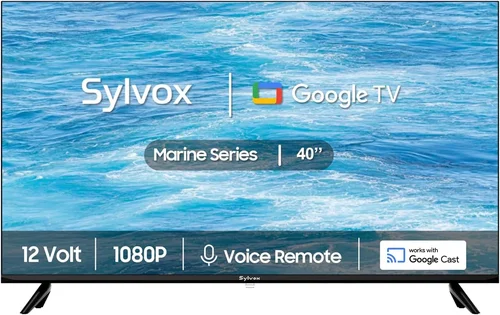
Outdoor living spaces have become the heart of modern homes—especially in coastal regions where mild weather and scenic views invite year-round enjoyment. Whether you’re hosting a sunset barbecue, watching the big game under string lights, or unwinding with a movie after a day at the beach, having a reliable outdoor TV can transform your backyard into a true entertainment oasis. But for homeowners near the coast, choosing the right TV isn’t just about picture quality or smart features—it’s about survival. Salt air, high humidity, intense UV exposure, and sudden rain showers create a uniquely harsh environment that can quickly degrade standard indoor electronics.
That’s why this guide exists: to help you find a cheap backyard TV that doesn’t sacrifice durability for affordability. We understand that not everyone wants to spend thousands on a fully weatherproof outdoor display, and frankly, you don’t have to. With smart shopping and a clear understanding of what matters most in a coastal setting, you can get excellent performance and protection without breaking the bank. In this comprehensive buying guide, we’ll walk you through every critical factor—from build materials and IP ratings to smart functionality and warranty coverage—so you can make a confident, informed decision. You’ll learn how to balance cost with resilience, avoid common pitfalls, and ultimately choose a TV that delivers great value and long-term reliability, even when Mother Nature throws her worst at it.
The market for outdoor TVs has evolved significantly in recent years. Once dominated by ultra-expensive, fully sealed commercial-grade models, it now includes a growing number of budget-friendly options designed specifically for residential use. Brands like SunBrite, Seura, and Peerless still lead the premium segment, but newer entrants and repurposed indoor TVs with protective enclosures are making outdoor viewing accessible to more people than ever. However, not all “outdoor-ready” TVs are created equal—especially when salt corrosion and moisture are constant threats. This guide cuts through the marketing noise to focus on real-world performance, practical features, and genuine value. By the end, you’ll know exactly what to look for, what to avoid, and how to stretch your dollar while ensuring your backyard TV stands up to coastal life for years to come.

What to Look for When Buying Buying Guide
1. Budget & Price Range
Setting a realistic budget is the first and most important step in your search for a cheap backyard TV. Coastal environments demand extra protection, which often comes at a premium—but that doesn’t mean you need to overspend. Entry-level outdoor TVs or indoor TVs in weatherproof enclosures typically start around $300–$500 for smaller sizes (32–43 inches), while mid-range models with better brightness and durability fall between $600–$1,200. Premium fully outdoor-rated TVs can exceed $2,000, but for many coastal homeowners, a well-chosen mid-range option offers the best balance of cost and performance.
When defining your budget, consider not just the TV itself but also mounting hardware, cables, and any necessary accessories like surge protectors or ventilation fans. Also, factor in potential long-term savings: a slightly more expensive TV with superior corrosion resistance may last twice as long as a cheaper alternative, making it the smarter investment. Be wary of “too good to be true” deals—TVs priced significantly below market average often cut corners on critical components like seals, coatings, or power supplies, which can lead to premature failure in salty, humid conditions.
2. Performance Specifications
Picture quality outdoors is fundamentally different from indoor viewing. Sunlight glare, ambient light, and distance from the screen all impact how well you’ll see your content. For coastal backyards—often open, bright, and exposed—brightness is king. Aim for a TV with at least 700 nits of peak brightness; anything below 500 nits will struggle in direct daylight. Many budget outdoor TVs now offer 1,000+ nits, which is ideal for patios facing east or west where morning or evening sun hits directly.
Resolution should be Full HD (1080p) minimum, though 4K is increasingly common even in affordable models. While 4K offers sharper detail, it’s less critical outdoors where viewing distances are greater. More important is contrast ratio and color accuracy—look for TVs with good HDR support (even basic HDR10) to maintain image depth in varying light conditions. Refresh rate matters too: a 60Hz panel is fine for casual viewing, but if you plan to watch sports or action movies, consider 120Hz for smoother motion.
Audio is another often-overlooked spec. Most outdoor TVs have limited built-in speakers due to space and weather constraints. If you’re not pairing your TV with external speakers or a soundbar, check decibel output and frequency response. At minimum, you’ll want clear dialogue reproduction—something many budget models skimp on.
3. Build Quality & Durosity
This is non-negotiable for coastal homes. Salt air is incredibly corrosive—it attacks metal components, degrades plastic housings, and seeps into electronics through microscopic gaps. A TV that works fine in Arizona may fail within months in Florida, Hawaii, or the Carolinas. The key is looking for marine-grade or salt-air-resistant construction.
Start with the chassis: aluminum or powder-coated steel resists rust far better than untreated metal or cheap plastic. Check for conformal coating on internal circuit boards—a thin protective layer that shields components from moisture and corrosion. Sealed ports, gaskets around buttons and vents, and fully enclosed back panels are also essential. Avoid TVs with exposed screw heads, ventilation grilles, or removable back covers unless they’re specifically designed for outdoor use.
The screen itself should be anti-reflective and scratch-resistant. Tempered glass or optically bonded panels reduce glare and prevent fogging. Some budget models use acrylic instead of glass—it’s lighter and less prone to shattering, but can scratch more easily. If your TV will be under a covered patio, acrylic may suffice; for fully exposed areas, tempered glass is preferable.
4. Features & Functionality
Smart capabilities are now standard even in budget outdoor TVs. Look for platforms like Roku TV, Android TV, or webOS, which offer easy access to streaming services without needing an external device. Built-in Wi-Fi (dual-band 2.4GHz/5GHz) ensures stable connectivity, crucial for buffer-free streaming in areas with weaker signals.
Connectivity matters too. Ensure the TV has enough HDMI ports (at least two, preferably three) for devices like streaming sticks, gaming consoles, or cable boxes. USB ports are useful for media playback or firmware updates. Some models include weatherproof cable glands or pass-through channels—small details that make installation cleaner and more secure.
Remote control design is another consideration. Look for remotes with rubberized coatings, sealed buttons, and long-range infrared or Bluetooth connectivity. Bonus points if it’s backlit for nighttime use. Voice control via Alexa or Google Assistant is becoming common and adds convenience, especially when your hands are full with drinks or grilling tools.
5. Brand Reputation
Not all brands are created equal when it comes to outdoor durability. Established names like SunBrite (now part of Sylvane), Seura, and Peerless have spent years refining their weatherproofing techniques and offer proven track records in harsh environments. However, they come at a premium.
Luckily, several mainstream brands now offer “outdoor-ready” versions of their popular indoor models. Samsung’s The Terrace, LG’s OLED Flex (with optional outdoor kit), and TCL’s Roku TV Outdoor Edition are examples of consumer-grade TVs adapted for exterior use. These often cost 30–50% less than dedicated outdoor brands while still offering solid performance and decent protection.
When evaluating lesser-known brands, dig into user reviews—especially those from coastal owners. Look for mentions of rust, fogging, or premature failure. Reddit forums, YouTube unboxings, and specialty outdoor living blogs are goldmines for real-world feedback. Avoid brands with no customer service presence or vague warranty terms.
6. Warranty & Support
A strong warranty is your safety net against the unpredictable nature of coastal weather. Most reputable outdoor TV manufacturers offer at least a 2-year warranty, with some extending to 3 or even 5 years. Pay close attention to what’s covered: does it include corrosion damage? Power supply failures due to humidity? Screen burn-in from prolonged sun exposure?
Beware of warranties that exclude “environmental damage”—a common loophole used to deny claims in salty or humid regions. Read the fine print carefully. Also, check if the warranty is valid only if installed by a certified technician. Some brands require professional installation to maintain coverage, which adds to your total cost.
Customer support responsiveness is just as important. Can you reach a human quickly? Do they offer replacement parts? Is there a local service center? Brands with U.S.-based support teams tend to resolve issues faster than those relying on overseas call centers.
7. Size & Portability
Outdoor TVs aren’t one-size-fits-all. Consider your viewing distance: for every 1 foot of distance, you’ll want roughly 1 inch of screen size. So if you’re sitting 8–10 feet away, a 55-inch TV is ideal. But don’t go oversized—a massive screen in a small patio can feel overwhelming and may require a more robust (and expensive) mount.
Portability matters if you plan to move the TV between locations—say, from the patio to the garage during hurricanes. Some budget models come with integrated handles or lightweight frames, but true portability usually means using a TV in a weatherproof enclosure rather than a built-for-outdoors unit. Enclosures like the Peerless Outdoor TV Cover or VIVO’s weatherproof box allow you to use a standard indoor TV safely outside. Just ensure the enclosure has proper ventilation to prevent overheating.
Weight is another factor. Heavier TVs need sturdier mounts and may require professional installation. If you’re mounting on a pergola or freestanding pole, confirm the structure can handle the load—especially in windy coastal areas.
8. User Reviews & Ratings
Never buy an outdoor TV based solely on specs or marketing claims. Real user experiences reveal flaws that lab tests miss—like hidden ventilation holes that let in rain, remotes that stop working after a few months in humidity, or apps that crash during thunderstorms (which can cause power surges).
Focus on reviews from buyers in similar climates. Search phrases like “used in Florida,” “beach house TV,” or “salt air durability” to find relevant feedback. Amazon, Best Buy, and specialty retailers like Crutchfield often have detailed reviews with photos of installations. Pay attention to recurring complaints: if multiple users report the same issue (e.g., HDMI ports corroding), it’s likely a design flaw.
Also check return rates and product longevity. A TV with a 4.8-star rating but only 20 reviews may not be as reliable as a 4.3-star model with 500+ reviews. Volume matters—it indicates real-world testing across diverse conditions.
Different Types of Buying Guide

Common Buying Mistakes to Avoid
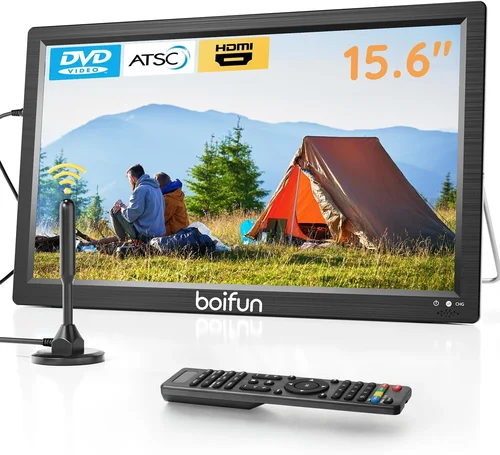
❌ Mistake: Buying a Standard Indoor TV for Outdoor Use
Why it’s bad: Indoor TVs lack the necessary seals, coatings, and ventilation controls to handle moisture, dust, and temperature swings. In coastal areas, salt corrosion can destroy internal components within weeks, leading to costly repairs or total failure.
What to do instead: Either invest in a purpose-built outdoor TV or use a high-quality weatherproof enclosure rated for your climate. Never assume “it’ll be fine under the eaves”—salt spray travels far and wide.
❌ Mistake: Ignoring IP Rating
Why it’s bad: IP (Ingress Protection) ratings indicate how well a device resists dust and water. Without at least IP54 (splash-resistant), your TV is vulnerable to rain, sea mist, and condensation.
What to do instead: Look for TVs or enclosures with IP55 or higher. IP65 is ideal for fully exposed locations. Remember: IP ratings apply to the entire system—not just the TV, but also the enclosure and cables.
❌ Mistake: Overlooking Brightness Needs
Why it’s bad: A dim TV turns your backyard into a blurry shadow box on sunny days. You’ll constantly adjust seating or install expensive shades just to see the screen.
What to do instead: Prioritize brightness over resolution. A 700-nit Full HD TV will outperform a 400-nit 4K model in daylight. Test brightness specs under real conditions if possible.
❌ Mistake: Skimping on Mounting Hardware
Why it’s bad: Cheap mounts rust, bend, or fail in high winds—common in coastal storms. A falling TV can cause injury or property damage.
What to do instead: Use marine-grade stainless steel mounts with corrosion-resistant bolts. Ensure the mount is rated for your TV’s weight plus a safety margin. Consider tilt and swivel features for optimal viewing angles.
❌ Mistake: Neglecting Power Protection
Why it’s bad: Coastal storms bring lightning and power surges that can fry electronics instantly. Standard surge protectors aren’t always enough.
What to do instead: Install a whole-home surge protector and use a high-quality outdoor-rated power strip with EMI/RFI filtering. Unplug the TV during severe weather if possible.
❌ Mistake: Assuming All “Outdoor” TVs Are Equal
Why it’s bad: Some brands label indoor TVs as “outdoor” simply because they’re sold with an enclosure. Others use minimal weatherproofing that fails in harsh conditions.
What to do instead: Research the specific model’s construction, not just the marketing label. Look for third-party certifications like UL Listed for outdoor use or ASTM corrosion testing.
❌ Mistake: Forgetting About Maintenance
Why it’s bad: Even the best outdoor TV needs occasional cleaning and inspection. Salt buildup, spider webs in vents, or loose seals can compromise performance over time.
What to do instead: Schedule quarterly maintenance: wipe down the screen with a microfiber cloth, check seals for cracks, and tighten mounting hardware. Keep a log to track any changes.
Budget Guidelines: How Much Should You Spend?
Entry-Level ($300–$600): This tier is perfect for covered patios or temporary setups. Expect to use an indoor TV in a basic weatherproof enclosure (like the VIVO VOSS003 or Peerless Outdoor TV Cover). Picture quality is decent, but brightness rarely exceeds 500 nits, so avoid direct sun exposure. Smart features are usually present, but build quality may lack marine-grade materials. Ideal for renters or those testing outdoor viewing before committing.
Mid-Range ($600–$1,200): The sweet spot for most coastal homeowners. These are often semi-outdoor-rated TVs from brands like TCL, Hisense, or Samsung’s budget outdoor line. They offer 700–1,000 nits brightness, basic conformal coating, and sealed ports. Some include anti-glare screens and improved remotes. With proper mounting and care, they can last 3–5 years in moderate coastal conditions.
Premium ($1,200–$2,500): Designed for serious outdoor enthusiasts. Fully outdoor-rated models from SunBrite, Seura, or Peerless dominate this range. Features include 1,500+ nits brightness, full IP65 sealing, heated/cooled internal compartments, and commercial-grade components. Built to withstand hurricanes, salt spray, and extreme temps. Expect 5–7 year lifespans with minimal maintenance.
Luxury ($2,500+): For large estates, commercial properties, or those who demand perfection. These TVs offer OLED-level contrast, 2,000+ nits brightness, custom finishes, and advanced thermal management. Some include integrated soundbars, motorized lifts, or anti-vandal casings. Overkill for most residential uses, but unmatched in performance and prestige.
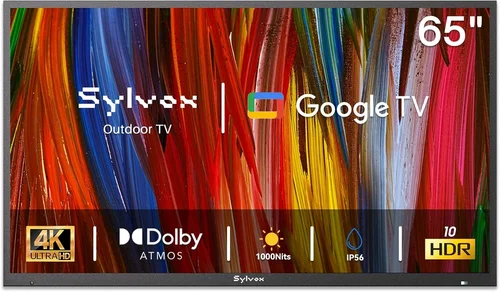
Expert Tips for Getting the Best Deal
- Buy off-season: Retailers discount outdoor electronics in late summer and early fall. You can save 20–40% on last year’s models without losing key features.
- Bundle with installation: Some retailers offer free or discounted professional installation with purchase—worth it for heavy or complex mounts.
- Check refurbished programs: Brands like SunBrite sell certified refurbished units at 30–50% off with full warranties. These are often display models or returns in like-new condition.
- Use price tracking tools: Set alerts on CamelCamelCamel (for Amazon) or Honey to catch sudden drops. Outdoor TVs don’t fluctuate often, but when they do, it’s significant.
- Negotiate with local dealers: Independent AV installers may have leftover inventory or demo units they’re willing to discount.
- Read return policies carefully: Ensure you can return the TV if it fails to perform outdoors—some retailers only accept returns for indoor issues.
- Test before finalizing: If buying locally, ask to see the TV powered on outdoors. Check for glare, color accuracy, and remote responsiveness.
- Consider total cost of ownership: A $900 TV that lasts 6 years is cheaper long-term than a $500 model that fails in 2.

Frequently Asked Questions
Q: Can I use a regular TV outside if it’s under a roof?
A: Technically yes, but it’s risky—especially in coastal areas. Salt air, humidity, and temperature swings can still damage internal components. For covered but exposed areas, a semi-outdoor-rated TV or a quality enclosure is strongly recommended.
Q: What’s the difference between IP54 and IP65?
A: IP54 protects against splashing water and limited dust. IP65 is dust-tight and resistant to low-pressure water jets—making it suitable for rain and hose cleaning. For coastal homes, IP65 is the minimum for peace of mind.
Q: Do outdoor TVs need special cables?
A: Yes. Use outdoor-rated HDMI and power cables with UV-resistant jackets and corrosion-proof connectors. Standard indoor cables degrade quickly in sunlight and moisture.
Q: How do I clean my outdoor TV?
A: Use a soft, dry microfiber cloth for daily dusting. For smudges, lightly dampen the cloth with distilled water—never spray liquid directly on the screen. Avoid ammonia-based cleaners.
Q: Will my outdoor TV work in winter?
A: Most outdoor-rated TVs operate from -30°F to 120°F. However, extreme cold can slow startup times. Ensure the model you choose specifies cold-weather performance if you live in a temperate coastal zone with chilly winters.
Q: Can I mount my outdoor TV on a pergola?
A: Only if the pergola is structurally sound and anchored to resist wind loads. Consult a contractor to verify weight capacity and stability—especially important in hurricane-prone areas.
Q: Are outdoor TVs energy efficient?
A: Modern LED-backlit outdoor TVs are surprisingly efficient. Look for ENERGY STAR certification. Brightness settings also impact power use—dimming the screen at night saves energy.
Q: What happens if my outdoor TV gets rained on?
A: If it’s properly rated (IP65 or higher) and installed correctly, rain shouldn’t cause damage. However, standing water on the screen can create temporary visibility issues until it evaporates.
Q: Can I use a projector instead of a TV?
A: Projectors can work but require complete shade and a smooth, light-colored surface. They’re less bright than TVs and more vulnerable to wind and insects. For most coastal backyards, a TV is more practical.
Q: How long do outdoor TVs typically last?
A: With proper care, entry-level models last 2–4 years, mid-range 4–6 years, and premium units 6–10+ years. Salt exposure is the biggest lifespan reducer—regular maintenance extends usability.
Our Final Recommendations
Best for Budget-Conscious Buyers: TCL 55S555 55″ QLED 4K Roku TV + VIVO Weatherproof Enclosure. At under $700 total, this combo delivers vibrant colors, 800 nits brightness, and solid smart features. The enclosure provides IP65 protection, making it ideal for covered coastal patios.
Best Overall Value: SunBrite Veranda Series 55″ 4K UHD Outdoor TV. Priced around $1,200, it offers full weatherproofing, 1,000 nits brightness, and excellent color accuracy. Built specifically for residential outdoor use with a 3-year warranty.
Best Premium Option: Seura 55″ Shadow Series Outdoor TV. At $2,800, it’s an investment—but you get OLED-like contrast, 1,500 nits brightness, and a sleek, frameless design that blends into luxury outdoor spaces. Perfect for high-end coastal homes.
Best for Beginners: Hisense 50″ U6G QLED with Peerless Outdoor TV Cover. Simple setup, intuitive Android TV interface, and reliable performance for first-time outdoor TV owners. Great for learning the ropes without overspending.
Best for Advanced Users: Peerless PRM-65-Full Outdoor 65″ Commercial Monitor. Designed for 24/7 operation, this beast handles extreme conditions with ease. Ideal for large decks, pool bars, or tech-savvy homeowners who want maximum control and durability.
Conclusion: Making the Right Choice
Choosing a cheap backyard TV for your coastal home doesn’t mean settling for subpar performance or flimsy construction. It means being smart about where you spend your money—prioritizing durability, brightness, and weather resistance over flashy extras. By understanding the unique challenges of salt air and humidity, avoiding common pitfalls, and leveraging expert tips, you can find a TV that delivers years of enjoyment without constant repairs or replacements.
Remember, the cheapest option isn’t always the most economical in the long run. Invest in quality where it counts: sealed components, anti-corrosion materials, and reliable customer support. And don’t forget the little things—like a good mount, surge protection, and regular maintenance—that keep your setup running smoothly season after season.
Your backyard is more than just an extension of your home; it’s a sanctuary, a gathering place, and a reflection of your lifestyle. With the right TV, you can elevate every moment—from quiet mornings with coffee to lively weekend parties under the stars. So take your time, do your research, and choose wisely. Your future self (and your guests) will thank you.

