
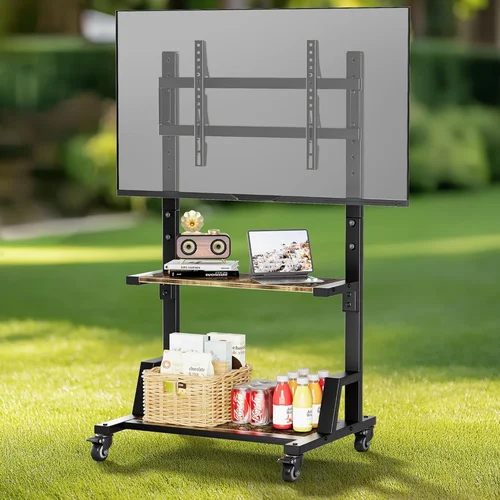
Outdoor living has evolved dramatically over the past decade, and the modern patio is no longer just a space for grilling and lounging—it’s a full-fledged entertainment hub. Whether you’re hosting summer barbecues, watching the big game under the stars, or enjoying a quiet evening with a movie, having a reliable TV on your patio can transform your outdoor experience. But here’s the catch: not all TVs are built to handle the harsh conditions of hot climates. Intense sunlight, high temperatures, humidity, dust, and even occasional rain can wreak havoc on standard indoor televisions, leading to overheating, screen glare, color distortion, or outright failure.
That’s why choosing the right patio TV for hot climates isn’t just a luxury—it’s a necessity. This comprehensive buying guide is designed to help you navigate the complex world of outdoor televisions, with a special focus on performance in extreme heat. Whether you live in Arizona, Texas, Florida, or any other sun-drenched region, we’ll walk you through everything you need to know to make a smart, informed decision. From understanding critical performance specs to comparing different types of outdoor TVs, avoiding common pitfalls, and finding the best value for your budget, this guide covers it all. By the end, you’ll have the confidence to select a TV that not only survives but thrives in your outdoor environment.
The market for outdoor TVs has grown significantly in recent years, driven by advancements in display technology, weatherproofing, and consumer demand for year-round outdoor entertainment. Major brands like Samsung, LG, Sony, and specialized outdoor manufacturers such as SunBriteTV, Seura, and Peerless have stepped up with purpose-built models designed specifically for exterior use. These aren’t just regular TVs shoved into a plastic box—they’re engineered from the ground up to withstand the elements. However, with so many options available, it’s easy to get overwhelmed. Some models prioritize brightness and anti-glare coatings, while others focus on cooling systems or modular designs for easy maintenance. This guide cuts through the noise, giving you expert-level insights tailored to hot climate conditions, so you can invest wisely and enjoy your outdoor screen for years to come.

What to Look for When Buying a Patio TV for Hot Climates
1. Weather Resistance & IP Rating
When it comes to outdoor TVs, weather resistance isn’t optional—it’s essential. In hot climates, your TV will be exposed to more than just heat; it will face intense UV rays, dust, sand, humidity, and possibly even rain or sprinkler spray. A standard indoor TV lacks the protection needed to survive these conditions, which is why outdoor models come with an Ingress Protection (IP) rating. This two-digit code tells you exactly how well the TV resists dust and water. For example, an IP55 rating means the TV is protected against dust (limited ingress) and water jets from any direction. For most patios, an IP54 or higher is recommended, but if you’re in a coastal area or near a pool, aim for IP65 or better.
Look for TVs with sealed enclosures, rust-resistant materials, and gaskets around ports and vents. Some premium models even feature hydrophobic coatings to repel water and prevent fogging. Also, consider the mounting hardware—ensure it’s made of stainless steel or powder-coated aluminum to resist corrosion. Don’t forget about the back of the TV; many manufacturers seal the internal components in a weatherproof compartment, while others use passive cooling systems that don’t require external vents, reducing the risk of moisture intrusion. Always check the manufacturer’s specifications for environmental tolerances, including operating temperature ranges. Most outdoor TVs are rated for temperatures between -22°F and 122°F (-30°C to 50°C), which is more than sufficient for even the hottest desert climates.
2. Brightness & Anti-Glare Technology
One of the biggest challenges of using a TV outdoors is screen glare. In direct sunlight, even the brightest indoor TVs can become nearly impossible to see. That’s why outdoor TVs must have significantly higher brightness levels—measured in nits—than their indoor counterparts. While a typical living room TV might peak at 300–500 nits, a quality outdoor model should deliver at least 700 nits, with many high-end options exceeding 1,500 nits. This ensures that images remain vivid and readable even at midday.
But brightness alone isn’t enough. You also need advanced anti-glare technology. Look for TVs with optically bonded screens, which laminate the display panel directly to the protective glass. This reduces internal reflections and improves contrast in bright conditions. Some models also feature anti-reflective coatings or matte finishes that diffuse sunlight rather than reflecting it. Additionally, consider the screen’s viewing angle—wide-angle panels (like those using IPS or VA technology) allow multiple people to watch comfortably from different positions without losing color accuracy or brightness. For patios with partial shade, a brightness of 700–1,000 nits may suffice, but for fully exposed areas, go for 1,200 nits or higher.
3. Thermal Management & Cooling Systems
Heat is the enemy of electronics, and in hot climates, your outdoor TV will be working overtime to stay cool. Overheating can cause color shifts, reduced lifespan, and even permanent damage to the display panel or internal components. That’s why thermal management is one of the most critical factors in choosing a patio TV. Unlike indoor TVs, which rely on passive airflow, outdoor models often include active cooling systems such as internal fans or heat sinks designed to dissipate heat efficiently.
Look for TVs with built-in thermal sensors that automatically adjust brightness or activate cooling fans when temperatures rise. Some premium models use dual cooling zones—one for the display and another for the electronics—to prevent hotspots. Passive cooling designs, which use convection and heat-dissipating materials without fans, are also available and are ideal for quiet operation, though they may be less effective in extreme heat. Avoid TVs that rely solely on ventilation grilles, as these can allow dust and moisture to enter. Instead, opt for sealed systems with internal airflow channels. Also, consider the TV’s placement—ensure there’s adequate clearance around the unit for airflow, and avoid installing it in enclosed cabinets unless specifically designed for that purpose.
4. Display Technology: LED, OLED, or QLED?
The type of display technology used in your outdoor TV will significantly impact its performance in bright conditions. Most outdoor TVs use LED-backlit LCD panels, which offer excellent brightness, energy efficiency, and durability. However, within this category, there are important distinctions. Standard LED TVs are affordable and reliable but may struggle with contrast in direct sunlight. QLED (Quantum Dot LED) TVs, like those from Samsung, deliver superior color accuracy, wider color gamuts, and higher peak brightness—making them ideal for sunny patios.
OLED TVs, while stunning indoors with perfect blacks and infinite contrast, are generally not recommended for outdoor use. Their organic compounds degrade faster under UV exposure, and they’re more susceptible to image retention and burn-in when displaying static content like sports scores or news tickers for extended periods. Additionally, OLEDs typically have lower peak brightness than QLEDs, which can be a disadvantage in full sun. For hot climates, QLED or high-brightness LED panels are the best choice. Some manufacturers also offer hybrid solutions, such as SunBriteTV’s Veranda series, which uses a specialized LCD panel with enhanced brightness and anti-reflective properties tailored for outdoor viewing.
5. Size & Viewing Distance
Choosing the right screen size for your patio depends on several factors, including viewing distance, seating arrangement, and ambient lighting. A common mistake is selecting a TV that’s too small for the space, resulting in a poor viewing experience. As a general rule, the optimal screen size is determined by the distance from the screen to the primary seating area. For outdoor TVs, a good starting point is 1 inch of screen diagonal for every 1.5 feet of viewing distance. So, if your seating is 10 feet away, a 65-inch TV would be ideal.
However, in bright environments, larger screens can be harder to view due to glare and reduced contrast. In such cases, a slightly smaller, brighter screen may perform better than a massive but dimmer one. Also, consider the layout of your patio—corner installations, wall mounts, or ceiling drops can affect visibility. For multi-angle viewing, choose a TV with a wide viewing angle (at least 178 degrees). If space is limited, compact models like 43-inch or 50-inch TVs are available, but ensure they still meet brightness and weatherproofing standards. Finally, think about future-proofing: if you plan to expand your outdoor setup or add more seating, go a size up to accommodate growth.
6. Smart Features & Connectivity
Modern outdoor TVs aren’t just about picture quality—they’re also smart entertainment hubs. Most models come with built-in Wi-Fi, Bluetooth, and streaming platforms like Roku, Android TV, or webOS, allowing you to access Netflix, YouTube, Disney+, and more without external devices. This is especially useful for patios, where running cables can be challenging. Look for TVs with voice control compatibility (via Alexa or Google Assistant) for hands-free operation.
Connectivity is another key consideration. Ensure the TV has multiple HDMI ports (at least three), USB inputs, and audio outputs for soundbars or outdoor speakers. Some models include weatherproof cable glands or pass-through ports to protect connections from moisture. If you plan to connect a gaming console, sound system, or streaming stick, verify compatibility and port availability. Also, check for firmware update capabilities—outdoor TVs should receive regular software updates to maintain performance and security. Avoid models with limited app support or outdated operating systems, as these may become obsolete quickly.
7. Mounting & Installation Flexibility
8. Warranty & Customer SupportOutdoor TVs are a significant investment, often costing two to three times more than comparable indoor models. That’s why a strong warranty and reliable customer support are essential. Most reputable brands offer at least a 2-year warranty, with some extending coverage to 3 or even 5 years. Look for warranties that cover both parts and labor, and clarify what’s included—some may exclude damage from extreme weather or improper installation.
Check the manufacturer’s support infrastructure: do they offer phone, email, or chat assistance? Are replacement parts readily available? Brands like SunBriteTV and Seura are known for excellent customer service and modular designs that allow easy repairs. Avoid no-name brands with limited support, as you may be left stranded if something goes wrong. Also, read the fine print—some warranties require professional installation or registration within a certain timeframe. Finally, consider extended warranty options, especially if you live in an area with frequent power surges or extreme weather events.
Different Types of Outdoor TVs

Common Buying Mistakes to Avoid
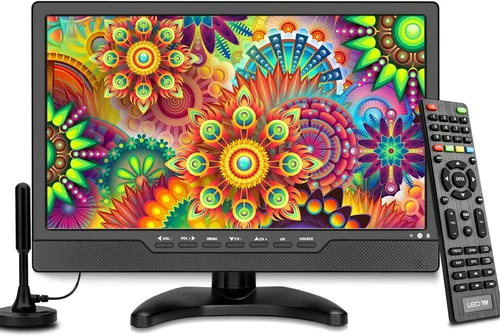
❌ Mistake: Using a Standard Indoor TV Outdoors
Why it’s bad: Indoor TVs are not designed to handle heat, humidity, or direct sunlight. They lack weatherproofing, have lower brightness, and can overheat or suffer screen damage within weeks of outdoor exposure. The internal components are also vulnerable to dust and moisture, leading to premature failure.
What to do instead: Invest in a purpose-built outdoor TV or use a high-quality outdoor enclosure. Even if you choose the enclosure route, ensure it’s rated for your climate and includes proper ventilation and UV protection.
❌ Mistake: Ignoring the IP Rating
Why it’s bad: Without a proper IP rating, you have no guarantee that your TV can withstand rain, dust, or humidity. A TV with a low or unspecified rating may fail during the first summer storm or when sprinklers are activated.
What to do instead: Always check the IP rating before purchasing. For hot, dry climates, IP54 is acceptable, but for areas with rain or high humidity, aim for IP65 or higher.
❌ Mistake: Overlooking Brightness Requirements
Why it’s bad: A dim screen will be unwatchable in daylight, no matter how good the picture quality is indoors. You’ll end up squinting or watching only at night, defeating the purpose of an outdoor TV.
What to do instead: Choose a TV with at least 700 nits of brightness, and ideally 1,000+ nits for full sun exposure. Look for anti-glare coatings and optically bonded screens to improve visibility.
❌ Mistake: Poor Placement or Mounting
Why it’s bad: Installing a TV in direct sunlight without shade, or mounting it too high or at the wrong angle, can make it difficult to see and increase strain on the viewer. Improper mounting can also lead to safety hazards.
What to do instead: Position the TV under a covered area or use an awning. Ensure the screen is at eye level when seated, and use a tilt or swivel mount for flexibility.
❌ Mistake: Skimping on Cooling Systems
Why it’s bad: In hot climates, inadequate cooling can cause the TV to throttle performance, reduce brightness, or shut down entirely. Over time, heat buildup can damage internal components.
What to do instead: Choose a TV with active or advanced passive cooling. Look for thermal sensors, internal fans, or heat-dissipating designs. Avoid models with open vents that allow dust ingress.
❌ Mistake: Neglecting Warranty and Support
Why it’s bad: Outdoor TVs are expensive, and repairs can be costly. Without a solid warranty, you risk paying out of pocket for failures due to weather or manufacturing defects.
What to do instead: Buy from reputable brands with strong warranties (2+ years) and good customer support. Register your product and keep documentation.
❌ Mistake: Forgetting About Audio
Why it’s bad: Outdoor environments are noisy—wind, traffic, and nature can drown out TV audio. Relying on built-in speakers often results in poor sound quality.
What to do instead: Pair your TV with outdoor-rated speakers or a soundbar. Look for weatherproof audio systems with good bass response and volume.
Budget Guidelines: How Much Should You Spend?
Entry-Level ($800 – $1,500): This tier includes partial-shade outdoor TVs and indoor TVs with basic enclosures. You’ll get decent weather resistance and brightness around 700 nits, but may sacrifice advanced cooling, smart features, or durability. Ideal for covered patios or occasional use.
Mid-Range ($1,500 – $3,000): The sweet spot for most buyers. These TVs offer full weatherproofing (IP55+), brightness of 1,000–1,500 nits, built-in cooling, and smart platforms. Models like the SunBriteTV Veranda or Samsung The Terrace fall here, providing excellent value and performance.
Premium ($3,000 – $5,000): For enthusiasts and those in extreme climates. Expect top-tier brightness (1,500+ nits), advanced thermal management, modular designs for easy repairs, and premium materials. These TVs are built to last 7–10 years with minimal maintenance.
Luxury ($5,000+): Commercial-grade displays and custom installations. These are overkill for most homes but ideal for high-end resorts or permanent outdoor theaters. Features include 24/7 operation, extreme durability, and professional support.
Expert Tips for Getting the Best Deal
– Buy during off-season: Prices drop in fall and winter when demand is lower. Look for end-of-summer sales in August and September.
– Compare retailers: Check authorized dealers, manufacturer websites, and specialty outdoor electronics stores. Avoid unauthorized sellers to ensure warranty validity.
– Bundle with installation: Some retailers offer free or discounted professional installation with purchase—worth it for complex setups.
– Check for rebates: Energy-efficient models may qualify for local utility rebates, especially in hot climates with high cooling costs.
– Read real user reviews: Look for feedback from customers in similar climates. Pay attention to long-term durability and customer service experiences.
– Test before you buy: If possible, visit a showroom to see the TV in bright conditions. Compare brightness, color, and viewing angles side by side.
– Consider refurbished models: Certified pre-owned outdoor TVs from reputable brands can save 20–30% and often come with full warranties.

Frequently Asked Questions
Q: Can I use a regular TV on my patio if it’s under cover?
A: Technically yes, but it’s not recommended for long-term use. Even under cover, indoor TVs are exposed to heat, humidity, and dust, which can shorten their lifespan. For occasional use, a high-quality outdoor enclosure can help, but for daily viewing, invest in a proper outdoor TV.
Q: How do I protect my outdoor TV from rain?
A: Choose a TV with an IP65 or higher rating, which means it’s protected against water jets. Ensure all ports are sealed and use weatherproof cable glands. Avoid placing the TV where water can pool or drip directly onto it.
Q: Will my outdoor TV overheat in 100°F+ weather?
A: Quality outdoor TVs are designed to operate safely in temperatures up to 122°F (50°C). Built-in cooling systems and thermal sensors prevent overheating. However, avoid enclosing the TV in a tight space without airflow.
Q: Can I leave my outdoor TV on all day?
A: Most outdoor TVs are rated for continuous use, but it’s best to turn them off when not in use to extend lifespan and save energy. Use a smart plug with a timer for convenience.
Q: Do outdoor TVs need special mounts?
A: Yes. Use mounts rated for outdoor use with rust-resistant hardware. Ensure the mount can support the TV’s weight and allows for proper ventilation.
Q: How often do I need to clean my outdoor TV?
A: Clean the screen and exterior every 1–2 months with a microfiber cloth and mild cleaner. Avoid abrasive materials that can scratch the anti-glare coating.
Q: Can I connect a soundbar to an outdoor TV?
A: Yes, most outdoor TVs have audio outputs for external speakers. Choose a weatherproof soundbar or outdoor speaker system for best results.
Q: Are outdoor TVs energy efficient?
A: Many modern outdoor TVs are ENERGY STAR certified and use LED backlighting, which is more efficient than older technologies. Brightness settings can be adjusted to save power.
Q: What’s the lifespan of an outdoor TV?
A: With proper care, a quality outdoor TV can last 7–10 years. Factors like climate, usage, and maintenance play a role.
Q: Can I use my outdoor TV in the winter?
A: Yes, most outdoor TVs operate in temperatures as low as -22°F (-30°C). However, avoid turning on a cold TV immediately—let it acclimate to room temperature first.
Our Final Recommendations
Best for Budget-Conscious Buyers: SunBriteTV Veranda Series (55-inch) – Offers excellent weather resistance, 1,000 nits brightness, and smart features at a mid-range price. Ideal for covered patios.
Best Overall Value: Samsung The Terrace (65-inch) – Combines QLED color, 1,500+ nits brightness, IP55 rating, and robust cooling. A top performer in hot climates.
Best Premium Option: Seura Outdoor TV (75-inch) – Sleek design, modular components, and exceptional build quality. Perfect for luxury outdoor spaces.
Best for Beginners: Peerless-AV Outdoor TV (50-inch) – Easy to install, reliable performance, and strong warranty. Great first outdoor TV.
Best for Advanced Users: SunBriteTV Pro Series (86-inch) – Commercial-grade durability, extreme brightness, and customizable mounting. Built for demanding environments.
Conclusion: Making the Right Choice
Choosing the right patio TV for a hot climate is about more than just picking a screen that looks good—it’s about investing in a product that can withstand the elements, deliver stunning picture quality in bright conditions, and provide reliable performance year after year. From weather resistance and brightness to cooling systems and smart features, every detail matters when you’re building your outdoor entertainment space.
Remember, the cheapest option isn’t always the best value. A poorly chosen TV may save you money upfront but cost you more in repairs, replacements, or frustration down the line. Prioritize your needs: if you live in a scorching desert, focus on cooling and brightness. If you’re near the coast, weatherproofing and corrosion resistance are key. And if you entertain often, don’t forget about audio and connectivity.
Take the time to research, compare models, and read real user experiences. Use the guidelines in this guide to narrow your options and avoid common pitfalls. And when you’re ready to buy, look for deals during off-peak seasons and consider professional installation for peace of mind.
Your patio is an extension of your home—a place to relax, connect, and enjoy life under the open sky. With the right TV, you can elevate that experience to something truly special. So go ahead, make the investment, and start enjoying your favorite shows, sports, and movies in the great outdoors. The perfect outdoor viewing experience is within reach.

