
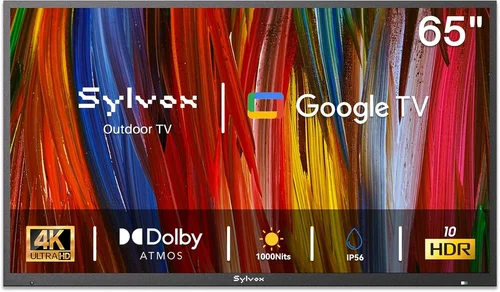
Outdoor living spaces have evolved far beyond simple patios with a grill and a few chairs. Today’s homeowners are transforming their covered patios into full-fledged entertainment zones—complete with outdoor kitchens, fire pits, sound systems, and yes, even televisions. But can you really use a regular TV for your covered patio? The short answer is: it depends. While technically possible in some cases, using a standard indoor TV outdoors—even under cover—comes with significant risks and limitations that most people don’t realize until it’s too late.
That’s where this comprehensive buying guide comes in. Whether you’re planning a movie night under the stars, watching the big game while grilling, or simply enjoying your favorite show from the comfort of your outdoor lounge, choosing the right TV for your covered patio requires careful consideration. This guide will walk you through everything you need to know—from understanding the differences between indoor and outdoor TVs, to evaluating weather resistance, brightness, and installation requirements. You’ll learn how to avoid costly mistakes, maximize your investment, and enjoy reliable performance season after season.
The market for outdoor TVs has grown rapidly in recent years, driven by advancements in display technology and increasing demand for outdoor entertainment. Brands like Samsung, LG, Sony, and specialized outdoor manufacturers such as SunBriteTV and Seura now offer a range of options designed specifically for exterior use. However, not all “outdoor-ready” TVs are created equal. Some are built to withstand full exposure to rain and snow, while others are only suitable for fully covered, sheltered areas. With prices ranging from under $500 to well over $5,000, it’s essential to understand what you’re paying for—and whether a regular TV might actually work for your specific setup. By the end of this guide, you’ll have the knowledge and confidence to make the smartest choice for your space, budget, and lifestyle.

What to Look for When Buying Buying Guide
1. Weather Resistance & Environmental Protection
One of the most critical factors when selecting a TV for a covered patio is its ability to withstand environmental conditions. Even if your patio is covered, it’s rarely as protected as an indoor environment. Humidity, temperature fluctuations, dust, insects, and occasional splashes from rain or sprinklers can all impact electronics over time. A standard indoor TV lacks the necessary sealing and protective coatings to handle these elements, which can lead to corrosion, short circuits, or premature failure.
Look for TVs with an IP (Ingress Protection) rating, which indicates resistance to dust and moisture. For covered patios, an IP55 or higher rating is ideal—this means the TV is protected against low-pressure water jets and limited dust ingress. Additionally, outdoor TVs often feature weather-resistant casings made from powder-coated aluminum or composite materials that resist rust and UV degradation. Some models also include internal heaters or cooling systems to maintain optimal operating temperatures in extreme climates. Always check the manufacturer’s specifications to ensure the TV is rated for partial outdoor use, not just indoor installation near windows.
2. Brightness & Anti-Glare Performance
Brightness is arguably the second most important factor after weather resistance. Indoor TVs typically have a brightness level between 300 and 500 nits, which is sufficient for dimly lit living rooms but inadequate for outdoor viewing—even under cover. Sunlight reflecting off concrete, water features, or nearby windows can create glare that washes out the image, making it difficult or impossible to see the screen clearly during daytime hours.
Outdoor TVs are engineered with significantly higher brightness levels, often ranging from 700 to 2,500 nits or more. This ensures vivid, clear visuals even in bright ambient light. Additionally, many outdoor models feature anti-reflective coatings or optically bonded screens that reduce glare and improve contrast. When comparing models, prioritize those with at least 1,000 nits of brightness for covered patios that receive indirect sunlight. If your patio gets direct sun at certain times of day, aim for 1,500 nits or higher. Don’t rely solely on marketing claims—look for independent reviews that test real-world visibility in outdoor settings.
3. Build Quality & Durability
Durability goes beyond just weatherproofing. The overall build quality of an outdoor TV determines how well it will hold up over years of use in a potentially harsh environment. Indoor TVs are designed for stable indoor conditions and often use lightweight plastics and minimal internal reinforcement. In contrast, outdoor TVs are constructed with rugged materials and reinforced components to resist vibration, temperature swings, and physical stress.
Pay attention to the chassis material—powder-coated metal frames are far superior to plastic for long-term outdoor use. Also consider the quality of internal components, such as capacitors and circuit boards, which should be rated for extended operation in high-humidity or high-temperature environments. Some premium outdoor TVs undergo rigorous testing standards like MIL-STD-810G for shock and vibration resistance. While you may not need military-grade durability for a covered patio, investing in a well-built TV reduces the risk of malfunctions and extends the lifespan of your investment.
4. Size & Viewing Distance
Choosing the right screen size for your covered patio involves balancing visibility, space constraints, and seating arrangement. A TV that’s too small will be hard to see from a distance, while one that’s too large can overwhelm the space and strain your eyes. The ideal size depends on how far viewers will be seated from the screen.
As a general rule, multiply your viewing distance (in inches) by 0.84 to determine the optimal screen diagonal in inches. For example, if your seating is 10 feet (120 inches) away, a 100-inch screen (120 × 0.84 ≈ 101) would be ideal. However, outdoor environments often benefit from slightly larger screens due to ambient light and potential glare. Most covered patios accommodate TVs between 43 and 75 inches comfortably. Avoid going below 40 inches unless your seating is very close. Also consider the TV’s bezel size—outdoor models often have thicker bezels for structural integrity, which can affect perceived screen size.
5. Connectivity & Smart Features
Modern outdoor TVs come equipped with a range of connectivity options and smart capabilities, but not all are created equal. Ensure the model you choose has the ports and features you need for your setup. HDMI inputs are essential for connecting streaming devices, gaming consoles, or cable boxes. Look for at least two HDMI 2.0 or HDMI 2.1 ports to support 4K content and high refresh rates.
Smart TV platforms vary by brand—Samsung uses Tizen, LG uses webOS, and Sony uses Google TV. These platforms allow access to streaming apps like Netflix, Hulu, and YouTube directly on the TV, reducing the need for external devices. However, outdoor environments can pose challenges for Wi-Fi connectivity due to distance from the router or interference from building materials. Consider models with robust Wi-Fi 6 support or the option to connect via Ethernet for more reliable streaming. Some outdoor TVs also include built-in Bluetooth for wireless audio to outdoor speakers.
6. Installation & Mounting Requirements
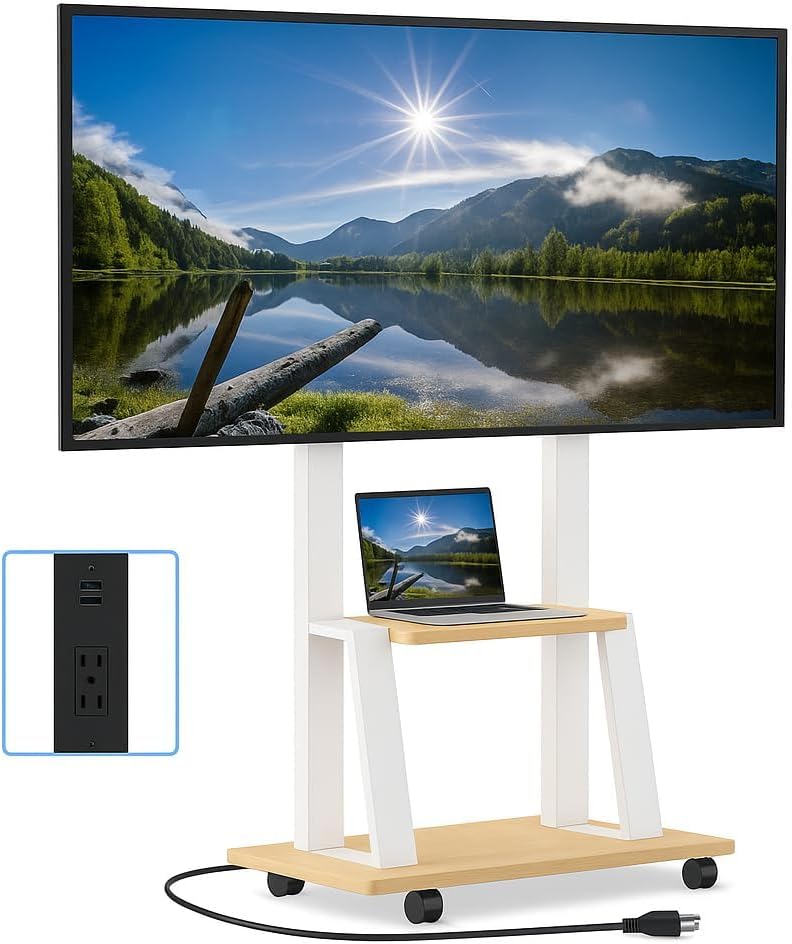
Proper installation is crucial for both performance and safety. Outdoor TVs are heavier and often require specialized mounting hardware designed to withstand wind, vibration, and environmental stress. Standard indoor mounts are not suitable for outdoor use, even under cover.
Look for TVs that come with or are compatible with VESA-standard outdoor mounts. These mounts are typically made from corrosion-resistant materials like stainless steel or aluminum and include features like tilt and swivel adjustments for optimal viewing angles. Wall-mounted installations should be secured to studs or reinforced framing, not just drywall. Ceiling mounts are also an option for pergolas or covered decks. Always follow the manufacturer’s installation guidelines and consider hiring a professional if you’re unsure. Improper mounting can lead to accidents or damage to the TV.
7. Brand Reputation & Specialization
Not all TV brands are equally equipped to handle the demands of outdoor use. While major manufacturers like Samsung and LG offer outdoor-compatible models, specialized brands like SunBriteTV, Seura, and Avip have built their reputations specifically around outdoor display technology. These companies often provide better support, longer warranties, and more tailored solutions for exterior environments.
Research customer reviews and expert ratings to gauge reliability. Look for brands that offer dedicated customer service for outdoor products and have a track record of standing behind their warranties. Avoid generic or off-brand TVs marketed as “outdoor-ready” without clear specifications or certifications. A reputable brand may cost more upfront but can save you money and frustration in the long run by reducing the likelihood of premature failure.
8. Warranty & Support
Outdoor TVs represent a significant investment, so protecting that investment with a strong warranty is essential. Standard indoor TVs typically come with one-year limited warranties that may not cover damage caused by environmental exposure. In contrast, outdoor-specific models often include extended warranties—sometimes up to three or five years—that explicitly cover outdoor use.
Read the fine print carefully. Some warranties require professional installation or registration within a certain timeframe to remain valid. Also check whether the warranty covers both parts and labor, and whether on-site service is available in your area. Brands with strong support networks can resolve issues quickly, minimizing downtime. If a manufacturer offers only a basic warranty or excludes outdoor conditions, it’s a red flag that the product may not be truly built for exterior use.
Different Types of Buying Guide
Common Buying Mistakes to Avoid
❌ Mistake: Using a Regular Indoor TV Outdoors
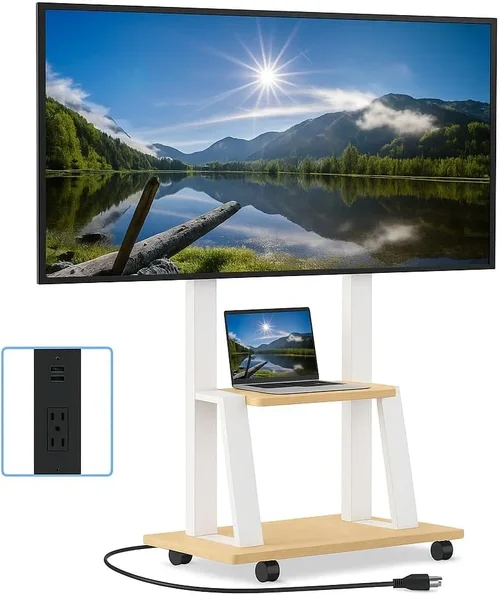
Why it’s bad: Indoor TVs are not designed to handle humidity, temperature changes, or dust. Even under a covered patio, moisture can seep into vents and cause internal corrosion. Over time, this leads to flickering screens, color distortion, or complete failure. Most indoor TV warranties void coverage if used outdoors.
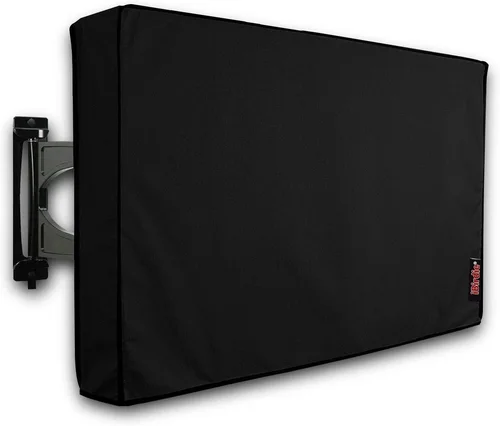
What to do instead: Invest in a TV specifically rated for outdoor or partial outdoor use. If budget is tight, consider an indoor TV paired with a certified outdoor enclosure, but only if your patio is fully enclosed and climate-controlled.
❌ Mistake: Ignoring Brightness Requirements
Why it’s bad: A dim screen will be unwatchable during daylight hours, especially if your patio has windows, skylights, or reflective surfaces. You’ll end up watching a dark, washed-out image no matter how good the content is.
What to do instead: Choose a TV with at least 1,000 nits of brightness for covered patios. Test the viewing angle and lighting conditions at different times of day before purchasing.
❌ Mistake: Skimping on Mounting Hardware
Why it’s bad: Standard mounts aren’t built to withstand outdoor conditions. Wind, vibration, and temperature changes can loosen screws or warp brackets, leading to dangerous falls or damage.
What to do instead: Use a VESA-compatible outdoor mount made from corrosion-resistant materials. Have it installed by a professional if you’re not confident in your DIY skills.
❌ Mistake: Overlooking Connectivity Needs
Why it’s bad: Running long HDMI cables across your patio can be messy and prone to interference. Limited ports may force you to constantly swap devices, reducing convenience.
What to do instead: Plan your setup in advance. Use wireless streaming devices like Apple TV or Roku, or install in-wall conduits for clean cable management. Ensure the TV has enough HDMI and USB ports for your devices.
❌ Mistake: Buying Based Solely on Price
Why it’s bad: The cheapest option often lacks essential features like weather resistance or adequate brightness. You may end up replacing it within a year, costing more in the long run.
What to do instead: Focus on value, not just price. Compare features, warranties, and customer reviews. A mid-range outdoor TV often offers the best balance of performance and durability.
❌ Mistake: Neglecting Warranty Details
Why it’s bad: Some “outdoor” TVs come with warranties that exclude environmental damage. If your TV fails due to humidity, you could be stuck with repair costs.
What to do instead: Read the warranty terms carefully. Choose brands that explicitly cover outdoor use and offer on-site service if possible.
Budget Guidelines: How Much Should You Spend?
- Entry-Level ($500 – $1,000): At this price point, you’re likely looking at indoor TVs used with outdoor enclosures or basic partial-outdoor models. Expect lower brightness (under 700 nits), limited weather resistance, and shorter warranties. Best for fully enclosed, shaded patios with minimal environmental exposure. Ideal for casual viewers who prioritize affordability over longevity.
- Mid-Range ($1,000 – $2,500): This is the sweet spot for most covered patio owners. You’ll find TVs with 1,000–1,500 nits brightness, IP55 ratings, and durable builds from reputable brands. Many include smart features, multiple HDMI ports, and 2–3 year warranties. These models offer excellent value, balancing performance, durability, and cost.
- Premium ($2,500 – $4,000): Designed for enthusiasts and those with larger patios, premium outdoor TVs feature 1,500+ nits brightness, advanced anti-glare technology, and robust weatherproofing. Brands like SunBriteTV and Seura dominate this space. Expect longer warranties (3–5 years), superior customer support, and compatibility with professional installation services.
- Luxury ($4,000+): Top-tier models offer commercial-grade durability, ultra-high brightness (2,000+ nits), and features like built-in heaters, cooling systems, and modular designs. These are ideal for high-end homes, outdoor theaters, or commercial applications. While expensive, they deliver unmatched reliability and performance in demanding environments.
Expert Tips for Getting the Best Deal
- Shop During Off-Season: Outdoor TVs are in highest demand during spring and summer. Buy in late fall or winter (October–February) when retailers offer discounts to clear inventory. You can save 15–30% during these periods.
- Compare Retailers: Prices vary significantly between big-box stores, specialty AV retailers, and online marketplaces. Check Crutchfield, Best Buy, Amazon, and manufacturer websites. Some offer price matching or bundle deals with mounts and cables.
- Look for Certified Refurbished Models: Many brands sell refurbished outdoor TVs with full warranties at 20–40% off retail. These are thoroughly tested and often indistinguishable from new units.
- Check Return Policies: Outdoor TVs are difficult to return due to size and shipping costs. Ensure the retailer offers at least a 30-day return window and covers return shipping if the product is defective.
- Test Before You Buy (If Possible): Visit a local showroom to see the TV in person. Check brightness, color accuracy, and viewing angles under simulated outdoor lighting. Some retailers have outdoor demo areas.
- Negotiate Installation Bundles: Many AV installers offer package deals that include TV, mount, and setup. Bundling can save money and ensure professional installation.
- Register Your Warranty Immediately: Some brands require registration within 30 days to activate extended coverage. Keep all receipts and documentation in a safe place.
- Consider Future-Proofing: Choose a TV with HDMI 2.1 if you plan to use it for gaming or 8K content in the future. While not essential now, it extends the TV’s usable lifespan.

Frequently Asked Questions
Q: Can I use a regular TV on my covered patio?
A: Technically yes, but it’s not recommended unless your patio is fully enclosed, climate-controlled, and protected from all moisture and dust. Even then, the TV’s warranty may be voided. For reliable performance, invest in a TV designed for outdoor use.
Q: What’s the difference between a partial outdoor TV and a full outdoor TV?
A: Partial outdoor TVs are rated for covered areas with minimal exposure to the elements (e.g., under a roof or pergola). Full outdoor TVs are built to withstand direct rain, snow, and extreme temperatures. Choose based on your patio’s level of protection.
Q: How bright should my outdoor TV be?
A: For covered patios, aim for at least 1,000 nits. If your space gets indirect sunlight or has reflective surfaces, 1,500 nits or more is ideal. Brightness is measured in nits—check the spec sheet, not just marketing claims.
Q: Do outdoor TVs need special mounts?
A: Yes. Standard indoor mounts aren’t designed for outdoor conditions. Use VESA-compatible outdoor mounts made from rust-resistant materials. Professional installation is recommended.
Q: Can I leave my outdoor TV on all the time?
A: Most outdoor TVs are designed for extended use, but continuous 24/7 operation is best left to commercial-grade models. For home use, turn it off when not in use to prolong lifespan.
Q: Are outdoor TVs energy efficient?
A: Modern outdoor TVs use LED backlighting and efficient processors, but higher brightness increases power consumption. Look for ENERGY STAR certification if efficiency is a priority.
Q: Can I use streaming devices with an outdoor TV?
A: Absolutely. Most outdoor TVs support HDMI inputs for devices like Roku, Apple TV, or Fire Stick. Ensure your Wi-Fi signal reaches the patio, or use an Ethernet connection for stability.
Q: What happens if my outdoor TV gets wet?
A: If it’s rated for outdoor use (IP55 or higher), occasional splashes won’t damage it. However, avoid direct exposure to heavy rain or pressure washing. Always follow the manufacturer’s care instructions.
Q: How long do outdoor TVs last?
A: With proper care, a quality outdoor TV can last 7–10 years or more. Indoor TVs used outdoors may fail within 1–3 years due to environmental stress.
Q: Can I use an outdoor TV indoors?
A: Yes, outdoor TVs work perfectly indoors. Their high brightness and durability make them great for bright rooms or high-traffic areas. However, they’re often more expensive than comparable indoor models.
Our Final Recommendations
- Best for Budget-Conscious Buyers: SunBriteTV Veranda Series (55″) – Offers excellent weather resistance, 1,000 nits brightness, and a 3-year warranty at a competitive price. Ideal for covered patios with moderate sun exposure.
- Best Overall Value: Samsung The Terrace (65″) – Combines Samsung’s smart TV platform with outdoor durability, 1,500 nits brightness, and sleek design. Great for tech-savvy users who want premium features without commercial-grade pricing.
- Best Premium Option: Seura Shadow Series (75″) – Ultra-bright (2,000 nits), nearly invisible when off, and built for luxury outdoor living. Perfect for high-end patios and outdoor theaters.
- Best for Beginners: LG Outdoor TV (50″) – User-friendly webOS interface, solid build quality, and reliable performance. A great entry point for first-time outdoor TV buyers.
- Best for Advanced Users: Avip Pro Series (86″) – Commercial-grade durability, modular design, and 24/7 operation capability. Ideal for large patios, outdoor bars, or custom installations.
Conclusion: Making the Right Choice
Choosing the right TV for your covered patio is about more than just screen size or brand name—it’s about matching your specific environment, usage habits, and budget to a product built to perform reliably outdoors. While it might be tempting to repurpose an old indoor TV or go for the cheapest option, the risks far outweigh the savings. Environmental damage, poor visibility, and premature failure can turn what seemed like a smart decision into a costly mistake.
By prioritizing weather resistance, brightness, build quality, and proper installation, you’ll ensure your outdoor entertainment setup delivers years of enjoyment. Use the guidelines in this guide to evaluate your needs, compare options, and avoid common pitfalls. Whether you’re hosting summer barbecues, watching fall football, or enjoying quiet evenings under the stars, the right outdoor TV will enhance every moment.
Take the time to research, plan your setup, and invest in a solution that fits your lifestyle. Your covered patio deserves more than a compromise—it deserves a TV that’s built to shine, rain or shine. Start your search today, and transform your outdoor space into the ultimate entertainment destination.

