
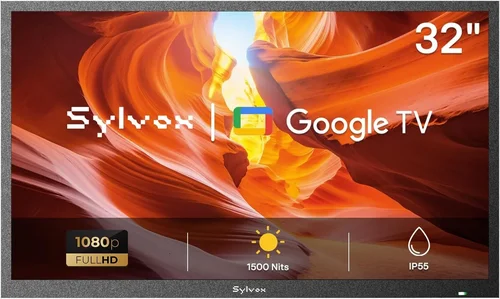
If you’re dreaming of relaxing under your pergola with a crisp drink in hand, watching your favorite show while the sun sets over the pool—then you’ve probably asked yourself: Can I really use a poolside TV for my pergola? The answer is a resounding yes—but only if you choose wisely. Outdoor entertainment has evolved dramatically in recent years, and today’s weather-resistant, high-brightness televisions are built to handle everything from humidity and heat to splashes and UV exposure. However, not all “outdoor” TVs are created equal, and installing one under a pergola—especially one that’s partially open to the elements—requires careful planning.
This guide is designed for homeowners, outdoor living enthusiasts, and smart investors who want to elevate their backyard experience without compromising on performance or longevity. Whether you’re building a new pergola or upgrading an existing space, we’ll walk you through everything you need to know to select, install, and enjoy the perfect poolside TV. You’ll learn how to balance budget, durability, picture quality, and smart features while avoiding common pitfalls that can turn your dream setup into a costly mistake. From understanding IP ratings to comparing indoor vs. true outdoor models, this comprehensive guide covers it all—so you can make a confident, informed decision.
The market for outdoor TVs has exploded, with brands like Samsung, LG, SunBrite, and Seura leading the charge. But with options ranging from $800 to over $5,000, it’s easy to feel overwhelmed. Some TVs claim to be “weather-resistant,” while others are engineered specifically for full outdoor use. The difference isn’t just marketing—it’s engineering. A TV installed under a pergola faces unique challenges: reflected glare from water, indirect rain exposure, temperature swings, and dust. This guide cuts through the noise, giving you expert-level insights to help you pick the right model for your climate, usage, and aesthetic goals.

What to Look for When Buying a Poolside TV for Your Pergola
1. Weather Resistance & IP Rating
When it comes to outdoor TVs, weather resistance isn’t optional—it’s essential. A pergola offers partial shelter, but it’s not a fully enclosed space. Rain, humidity, dust, and even pool chemicals can damage standard indoor TVs within weeks. That’s why you need a television with a high Ingress Protection (IP) rating. Look for models rated IP55 or higher—this means they’re protected against dust and low-pressure water jets from any direction. For poolside use, IP65 is even better, offering full dust protection and resistance to water projected from a nozzle.
True outdoor TVs are built with sealed components, corrosion-resistant materials, and internal cooling systems that prevent overheating in direct sunlight. Indoor TVs, even if placed under cover, can suffer from moisture buildup, which leads to fogging, electrical shorts, and premature failure. Don’t be tempted by “weather-resistant” indoor models—they’re not designed for long-term outdoor exposure. Always check the manufacturer’s specifications to confirm the TV is rated for outdoor use, not just “covered patio” use.
2. Brightness & Anti-Glare Performance
One of the biggest challenges with outdoor viewing is glare—especially near a pool where sunlight reflects off the water. A standard indoor TV typically peaks at 300–400 nits of brightness, which is fine for a dim living room but nearly invisible in daylight. For pergola use, you need a TV with at least 700 nits, but ideally 1,000 nits or more. High brightness ensures the image remains clear and vibrant even when the sun is shining directly on the screen.
Equally important is anti-glare technology. Look for TVs with matte or anti-reflective coatings that diffuse sunlight rather than reflecting it. Some premium models feature optically bonded screens, which reduce internal reflections and improve contrast in bright conditions. Samsung’s The Terrace, for example, uses a special anti-glare layer that maintains color accuracy even in full sun. Without this feature, you’ll be squinting at a washed-out image, no matter how bright the TV claims to be.
3. Screen Size & Viewing Distance
Choosing the right screen size isn’t just about preference—it’s about physics. A TV that’s too small will be hard to see from a distance, while one that’s too large can overwhelm the space and strain your eyes. For pergola setups, consider your typical seating arrangement. If viewers will be 8–10 feet away, a 55-inch TV is ideal. For distances of 10–12 feet, go with 65 inches. If your pergola is larger or you plan to host gatherings, a 75-inch model provides a cinematic experience without requiring everyone to sit too close.
Also consider the height of installation. The center of the screen should be at or slightly below eye level when seated—typically 42–48 inches from the ground. Mounting too high forces viewers to tilt their heads, leading to neck strain over time. Use a tilting or full-motion wall mount to adjust the angle for optimal viewing, especially if the pergola has a sloped roof or uneven walls.
4. Build Quality & Durability
Outdoor TVs endure more stress than their indoor counterparts. Temperature fluctuations, humidity, and UV exposure can degrade plastics, weaken adhesives, and corrode metal components. That’s why build quality matters. Look for TVs with powder-coated aluminum frames, stainless steel hardware, and sealed ports. Avoid models with plastic backs or exposed vents—these are prone to warping and moisture intrusion.
Pay attention to the internal design. True outdoor TVs often include passive cooling systems (no fans) to prevent dust and water from entering the chassis. They also use conformal coating on circuit boards to protect against corrosion. Brands like SunBrite and Seura are known for their rugged construction, with some models rated to operate in temperatures from -22°F to 122°F. If you live in an area with extreme weather—desert heat, coastal salt air, or heavy rain—invest in a model designed for those conditions.
5. Smart Features & Connectivity
Today’s outdoor TVs aren’t just screens—they’re smart hubs. Most come with built-in Wi-Fi, streaming apps (Netflix, YouTube, Disney+), and voice control via Alexa or Google Assistant. This eliminates the need for external devices like streaming sticks, reducing clutter and potential failure points. However, not all smart platforms are created equal. Samsung’s Tizen and LG’s webOS are user-friendly and regularly updated, while some budget models use outdated or sluggish interfaces.
Connectivity is another key factor. Ensure the TV has enough HDMI ports (at least three) for devices like a soundbar, gaming console, or cable box. Look for HDMI 2.1 if you plan to game or stream 4K/120Hz content. USB ports are useful for playing media files or updating firmware. Also check for Bluetooth support—this allows you to connect wireless headphones or speakers without running cables across your deck.
6. Audio Quality & Sound Solutions
Outdoor environments are noisy. Wind, water features, and distant traffic can drown out TV audio, especially if you’re relying on built-in speakers. Most outdoor TVs have decent sound, but it’s rarely enough for immersive viewing. For the best experience, pair your TV with a weather-resistant soundbar or outdoor speaker system. Look for models with IPX5 or higher ratings and built-in amplifiers.
If you prefer a minimalist setup, consider TVs with enhanced audio features like Dolby Atmos or AI sound optimization. Samsung’s The Terrace, for example, uses upward-firing speakers to create a surround-like effect. Alternatively, use wireless Bluetooth speakers placed strategically around the pergola. Just be mindful of battery life and signal range—Bluetooth can struggle over long distances or through walls.
7. Installation & Mounting Requirements
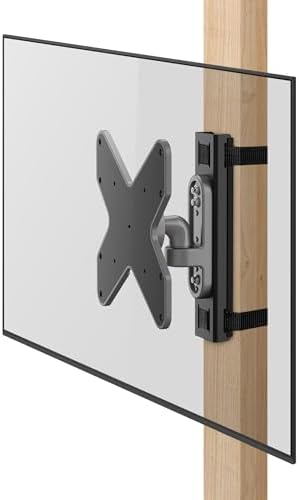
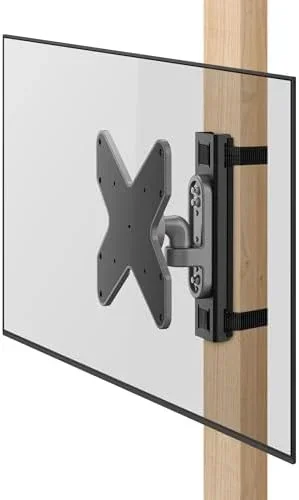
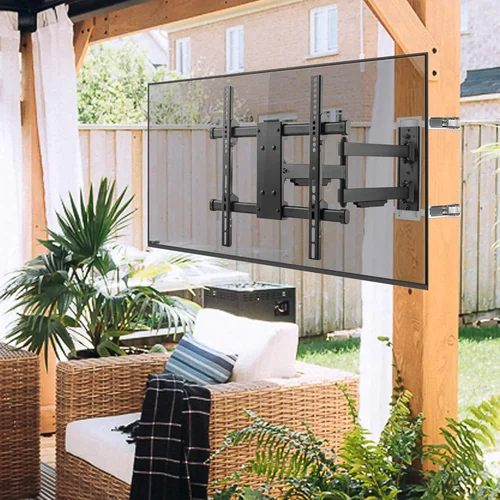
Installing a TV under a pergola isn’t as simple as hanging it on a wall. You’ll need a sturdy mount that can support the TV’s weight and withstand wind loads. Full-motion mounts allow you to tilt and swivel the screen, which is helpful if your pergola has angled beams or you want to adjust the view for different seating areas. However, they’re more complex to install and may require professional help.
Consider cable management. Exposed wires are not only unsightly but also vulnerable to weather and pests. Use weatherproof conduit or in-wall cable channels to route power and HDMI cables safely. If your pergola doesn’t have electrical access, you may need to run a dedicated outdoor-rated circuit from your home’s breaker panel. Always consult a licensed electrician to ensure compliance with local codes.
8. Brand Reputation & Warranty
Not all outdoor TV brands are equal. Some specialize in rugged, commercial-grade models, while others offer budget-friendly options with limited durability. Research brands with a proven track record in outdoor electronics. SunBrite, for example, has been making outdoor TVs since 2004 and offers a 2-year warranty with optional extended coverage. Samsung and LG back their outdoor models with strong customer support and service networks.
Warranty terms matter. Look for at least a 1-year warranty, but 2 years is better. Some brands offer on-site service, which is invaluable if your TV fails in the middle of summer. Avoid brands with vague warranties or no U.S.-based support. Also check return policies—some retailers allow 30-day returns, giving you time to test the TV in real conditions.
Different Types of Poolside TVs for Pergolas
Common Buying Mistakes to Avoid
❌ Mistake: Buying an Indoor TV for Outdoor Use
Why it’s bad: Indoor TVs aren’t designed to handle moisture, heat, or dust. Even under a pergola, they can fail within months due to humidity buildup or temperature swings. The internal components aren’t sealed, and the screen can fog or discolor.
What to do instead: Invest in a TV specifically rated for outdoor use. Look for models with IP55 or higher ratings and confirm the manufacturer supports outdoor installation.
❌ Mistake: Ignoring Brightness Requirements
Why it’s bad: A dim TV will be unwatchable in daylight, especially near a reflective pool surface. You’ll end up squinting or only using it at night, defeating the purpose of an outdoor setup.
What to do instead: Choose a TV with at least 700 nits of brightness, preferably 1,000+ nits. Check reviews for real-world performance in sunlight.
❌ Mistake: Overlooking Audio Needs
Why it’s bad: Built-in speakers on outdoor TVs are often underpowered. In an open pergola, sound dissipates quickly, making dialogue hard to hear.
What to do instead: Pair your TV with weather-resistant speakers or a soundbar. Consider wireless options to reduce cable clutter.
❌ Mistake: Poor Installation Planning
Why it’s bad: Improper mounting can lead to sagging, vibration, or even the TV falling. Exposed cables are a tripping hazard and can be damaged by weather.
What to do instead: Use a heavy-duty outdoor mount and route cables through conduit. Hire a professional if you’re unsure about structural integrity or electrical work.
❌ Mistake: Choosing the Wrong Size
Why it’s bad: A TV that’s too small forces viewers to lean in, while one that’s too large dominates the space and strains the eyes.
What to do instead: Measure your viewing distance and use a size guide. When in doubt, go one size up—but don’t exceed what’s comfortable for your space.
❌ Mistake: Skimping on Warranty & Support
Why it’s bad: Outdoor TVs are expensive. If something goes wrong, a weak warranty leaves you with a costly repair or replacement.
What to do instead: Choose brands with strong warranties (2+ years) and U.S.-based customer support. Consider extended coverage for peace of mind.
Budget Guidelines: How Much Should You Spend?
Entry-Level ($800–$1,500): These are typically weather-resistant indoor TVs or basic outdoor models. They may lack high brightness or advanced durability but can work in fully covered, low-exposure pergolas. Ideal for occasional use or shaded areas.
Mid-Range ($1,500–$3,000): This is the sweet spot for most homeowners. You’ll find true outdoor TVs with 1,000+ nits brightness, IP65 ratings, and solid smart features. Models like the SunBrite Veranda series offer excellent value and reliability.
Premium ($3,000–$5,000): For those who want the best, premium models deliver superior brightness, anti-glare tech, and rugged construction. Samsung’s The Terrace and Seura’s Shadow Series fall here—perfect for full sun exposure and high-end outdoor living.
Luxury ($5,000+): These are commercial-grade displays with 2,000+ nits, 24/7 operation capability, and advanced cooling. Best for large pergolas, resorts, or those who demand flawless performance in any condition.
Expert Tips for Getting the Best Deal
- Buy during off-season: Prices drop in fall and winter when demand is low. Look for holiday sales around Black Friday or end-of-year clearances.
- Shop at specialty retailers: Stores like Crutchfield, Abt, or Outdoor TV Direct often have better warranties and expert advice than big-box stores.
- Compare total cost of ownership: Factor in installation, mounts, cables, and potential repairs. A cheaper TV may cost more long-term.
- Check for rebates: Some utility companies offer rebates for energy-efficient outdoor electronics.
- Test before you commit: If possible, visit a showroom to see the TV in bright conditions. Online reviews can’t replicate real-world glare.
- Negotiate extended warranties: Some retailers offer discounts on protection plans during checkout.
- Consider refurbished models: Certified pre-owned outdoor TVs from reputable sellers can save 20–30% with full warranty coverage.

Frequently Asked Questions
Q: Can I use a regular TV under my pergola?
A: Technically yes, but it’s not recommended. Regular TVs lack weatherproofing and can fail quickly due to humidity, heat, or dust. For long-term use, invest in a true outdoor model.
Q: Do outdoor TVs need to be plugged in?
A: Yes. Most outdoor TVs require a standard 120V outlet. Ensure your pergola has a GFCI-protected circuit installed by a licensed electrician.
Q: How do I protect my TV from rain?
A: Choose a TV with an IP65 or higher rating and install it under a solid roof or awning. Avoid direct exposure to downpours.
Q: Can I leave my outdoor TV on all the time?
A: Most outdoor TVs are designed for continuous use, but check the manufacturer’s guidelines. Avoid leaving it on during thunderstorms.
Q: Do I need a special mount?
A: Yes. Use a heavy-duty, weather-resistant mount rated for outdoor use. Full-motion mounts offer flexibility but require stronger anchoring.
Q: Will my Wi-Fi reach the pergola?
A: It depends on distance and obstacles. Consider a Wi-Fi extender or mesh network to ensure strong signal. Some TVs support Ethernet for wired connections.
Q: Can I use a projector instead?
A: Projectors can work but require a dark environment and are less bright than outdoor TVs. They’re better for nighttime movie nights than daytime viewing.
Q: How long do outdoor TVs last?
A: With proper care, 7–10 years is typical. True outdoor models often outlast indoor TVs due to better build quality and cooling.
Q: Are outdoor TVs energy efficient?
A: Many modern models are ENERGY STAR certified. Look for TVs with low power consumption, especially if you plan to use them frequently.
Q: Can I control the TV with my phone?
A: Yes, most smart outdoor TVs support mobile apps for remote control, streaming, and voice commands via Alexa or Google.
Our Final Recommendations
Best for Budget-Conscious Buyers: SunBrite Veranda Series (55″) – At around $1,800, it offers excellent brightness (1,000 nits), IP55 rating, and reliable performance for covered pergolas.
Best Overall Value: Samsung The Terrace (65″) – Priced at $3,500, it delivers stunning 4K HDR, 2,000 nits brightness, and a sleek design that blends with modern outdoor spaces.
Best Premium Option: Seura Shadow Series (75″) – With 2,500 nits, anti-glare coating, and military-grade durability, it’s ideal for full sun and luxury setups.
Best for Beginners: LG Outdoor TV (55″) – User-friendly webOS, solid build, and good customer support make it a great entry point for first-time buyers.
Best for Advanced Users: Peerless-AV Xtreme (75″) – A commercial-grade display with 3,000 nits, 24/7 operation, and customizable mounting—perfect for tech-savvy homeowners.
Conclusion: Making the Right Choice
Choosing the right poolside TV for your pergola is about more than just picture quality—it’s about creating a lasting outdoor entertainment experience. By prioritizing weather resistance, brightness, and smart features, you can enjoy crystal-clear viewing in any condition. Avoid common mistakes like using indoor TVs or ignoring audio needs, and always plan for proper installation and cable management.
Remember, your pergola is an extension of your home—a place for relaxation, connection, and joy. The right TV enhances that experience, turning sunny afternoons and starry nights into unforgettable moments. Take your time, compare options, and invest in a model that matches your lifestyle and climate. With the insights from this guide, you’re well-equipped to make a smart, satisfying choice that will delight you for years to come.
Now go enjoy that sunset—your perfect poolside TV is waiting.

