
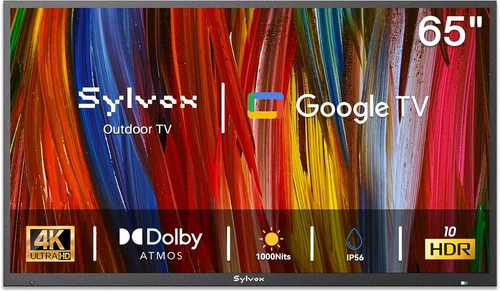
Outdoor sports watching has evolved dramatically over the past decade. What once meant huddling around a small, weather-beaten portable TV or relying on a smartphone screen under a canopy has transformed into a full-fledged backyard entertainment experience. With the rise of weather-resistant displays, wireless streaming, and smart home integration, more people than ever are investing in dedicated outdoor TVs to enjoy everything from March Madness to the World Cup in the comfort of their own backyards. Whether you’re hosting a Super Bowl party, catching a live soccer match with friends, or simply unwinding after a long day with your favorite baseball team, having the right outdoor television can make all the difference.
This comprehensive buying guide is designed to help you navigate the rapidly expanding market of backyard TVs in 2026. We’ll walk you through everything you need to know—from understanding key performance specs and durability requirements to comparing different types of outdoor displays and avoiding common purchasing pitfalls. You’ll learn how to balance budget constraints with feature expectations, how to choose between permanent installations and portable setups, and how to ensure your investment lasts through rain, snow, heat, and humidity. By the end of this guide, you’ll be equipped with expert-level knowledge to make a confident, informed decision that matches your lifestyle, viewing habits, and outdoor space.
The outdoor TV market has matured significantly, with manufacturers now offering purpose-built models that far surpass the capabilities of repurposed indoor TVs. Brands like SunBriteTV, Samsung, LG, and Seura have pioneered technologies specifically engineered for outdoor use, including anti-glare screens, enhanced brightness, weatherproof casings, and thermal management systems. At the same time, consumer demand has driven innovation in connectivity, smart features, and energy efficiency. Whether you’re a casual viewer or a die-hard sports fan who never misses a game, this guide will help you find the perfect backyard TV that delivers crystal-clear visuals, reliable performance, and long-term value—no matter the weather.

What to Look for When Buying Buying Guide
1. Brightness & Display Quality
One of the most critical factors when choosing an outdoor TV is brightness, measured in nits. Indoor TVs typically range from 300 to 500 nits, which is sufficient for dimly lit living rooms but falls short in direct sunlight. For outdoor use, especially in open backyards with minimal shade, you’ll need a display with at least 700 nits—though 1,000 nits or higher is ideal for daytime viewing. High brightness ensures that colors remain vibrant and details stay sharp even under harsh midday sun.
Beyond brightness, consider the panel technology. Most premium outdoor TVs use IPS (In-Plane Switching) panels for superior color accuracy and wide viewing angles—essential when guests are seated around a patio or deck. OLED panels offer excellent contrast and deep blacks but are less common in outdoor models due to higher costs and potential burn-in risks under constant static content like scoreboards. Additionally, look for displays with anti-reflective coatings or optically bonded glass, which reduce glare and improve visibility in bright conditions.
Resolution is another key consideration. While 4K UHD is now standard even in mid-range outdoor TVs, ensure the model supports HDR (High Dynamic Range) for richer colors and better contrast. Dolby Vision and HDR10+ are preferred formats, especially for streaming live sports, where dynamic lighting and fast motion benefit greatly from enhanced contrast and color depth.
2. Weather Resistance & Durability
Unlike indoor TVs, outdoor models must withstand extreme temperatures, moisture, dust, and UV exposure. Look for TVs with an IP (Ingress Protection) rating of at least IP55, which means they’re protected against dust and low-pressure water jets from any direction. Some high-end models boast IP65 or even IP66 ratings, offering near-total protection against dust and powerful water sprays—ideal for coastal areas or regions with heavy rainfall.
Durability also extends to the internal components. Quality outdoor TVs feature sealed enclosures that prevent condensation buildup, corrosion-resistant screws and brackets, and thermal management systems that regulate internal temperature. This is crucial because electronics can overheat in summer or fail to start in freezing winter conditions. Many models include built-in heaters or cooling fans that activate automatically based on ambient temperature, ensuring consistent performance year-round.
Additionally, consider the materials used in the chassis and bezel. Aluminum or powder-coated steel resists rust and fading, while plastic components should be UV-stabilized to prevent yellowing or cracking over time. If you live in an area with high wind or hail risk, opt for models with reinforced mounting systems and shatter-resistant glass.
3. Size & Viewing Distance
Choosing the right screen size depends on your outdoor space and typical seating arrangement. A general rule of thumb is that the optimal viewing distance is 1.5 to 2.5 times the diagonal screen size. For example, a 55-inch TV is best viewed from 6.5 to 11 feet away. In a large backyard with multiple seating zones, a 65-inch or 75-inch model may be more appropriate to ensure everyone gets a clear view.
However, size isn’t everything. A massive screen in a small patio can overwhelm the space and strain the eyes, especially during fast-paced sports with rapid camera cuts. Conversely, a screen that’s too small may force viewers to squint, diminishing the immersive experience. Measure your space carefully and consider using a tape measure or painter’s tape to simulate the TV’s footprint before purchasing.
Also, think about portability. Some outdoor TVs are designed for permanent wall or ceiling mounting, while others come with wheeled stands or are lightweight enough to move between locations. If you plan to use the TV in different areas—like the patio in summer and the garage in winter—a portable model with a sturdy, lockable base offers greater flexibility.
4. Smart Features & Connectivity
Modern outdoor TVs are increasingly equipped with smart platforms that allow direct access to streaming services like Netflix, YouTube, Hulu, and ESPN+. Look for models running on established operating systems such as Android TV, webOS (LG), or Tizen (Samsung), which offer intuitive interfaces, regular updates, and broad app compatibility. Built-in Wi-Fi (preferably dual-band 5GHz for faster, more stable connections) is essential for seamless streaming, especially during live sports events that require low latency.
Connectivity options are equally important. Ensure the TV has multiple HDMI ports (at least three), USB inputs for media playback, and support for HDMI ARC (Audio Return Channel) if you’re using a soundbar or external audio system. For sports fans, low input lag (under 20ms) is crucial for gaming or watching fast-action broadcasts without delay. Some models also include Ethernet ports for wired internet connections, which can improve streaming reliability in areas with weak Wi-Fi signals.
Voice control via Google Assistant or Amazon Alexa is a nice-to-have feature, allowing you to change channels, adjust volume, or search for games hands-free. Additionally, check for compatibility with popular streaming devices like Roku, Apple TV, or Fire Stick—some outdoor TVs lack built-in apps but work flawlessly with external sticks.
5. Audio Performance
While many outdoor TVs include built-in speakers, they’re often underpowered and lack the depth needed for immersive sports audio. Wind, ambient noise, and distance from the screen can further degrade sound quality. For this reason, most experts recommend pairing your outdoor TV with a dedicated outdoor sound system.
If you prefer to use the TV’s internal audio, look for models with at least 20W of total power output and support for virtual surround sound. Some premium units feature upward-firing speakers or Dolby Atmos compatibility for a more cinematic experience. However, even the best built-in speakers struggle in open spaces, so consider investing in weather-resistant outdoor speakers, a soundbar with wireless subwoofer, or a multi-zone audio system that distributes sound across your backyard.
Bluetooth connectivity is another useful feature, allowing you to stream audio from your phone or connect wireless headphones for private listening during late-night games. Just ensure the TV supports Bluetooth 5.0 or higher for stable, low-latency transmission.
6. Installation & Mounting Options
Proper installation is key to both performance and safety. Most outdoor TVs are designed for wall or ceiling mounting using VESA-compatible brackets. However, outdoor environments present unique challenges: walls may be uneven, surfaces could be brick or stucco, and weather exposure can weaken mounting hardware over time.
Choose a mounting system rated for outdoor use, with corrosion-resistant materials and adjustable tilt/swivel capabilities to optimize viewing angles. Full-motion mounts allow you to pull the TV away from the wall for easier access to ports or to adjust the screen based on sun position. For patios with limited wall space, ceiling mounts or freestanding poles with integrated cable management offer clean, secure setups.
If you’re not comfortable with DIY installation, hire a professional. Many retailers offer installation services, and some manufacturers provide certified technicians who understand the specific requirements of outdoor setups. Improper mounting can lead to screen damage, electrical hazards, or even injury in high winds.
7. Brand Reputation & Reliability
Not all outdoor TVs are created equal. Established brands like SunBriteTV, Samsung, and LG have spent years refining their outdoor display technologies and offer proven track records of reliability. SunBriteTV, for instance, specializes exclusively in outdoor TVs and is widely regarded as the industry leader, with models tested in extreme climates from deserts to snowy mountains.
Research customer reviews on trusted platforms like Amazon, Best Buy, or specialty AV forums. Pay attention to feedback about long-term durability, customer service responsiveness, and real-world performance in various weather conditions. Avoid generic or off-brand models that may cut corners on materials or lack proper certifications.
Also, consider the availability of replacement parts and service centers in your area. A TV that’s difficult to repair or lacks local support can become a costly paperweight if something goes wrong.
8. Warranty & Support
A robust warranty is a strong indicator of a manufacturer’s confidence in their product. Most reputable outdoor TV brands offer at least a 2-year warranty, with some extending coverage to 3 or even 5 years. Look for warranties that cover both parts and labor, and clarify whether on-site service is included—especially important for permanently mounted units.
Check the terms carefully: some warranties are voided if the TV is installed incorrectly or used in conditions beyond its rated specifications (e.g., submerging in water). Also, verify whether the warranty is transferable if you sell your home—a valuable perk for real estate transactions.
Customer support quality varies widely. Brands with dedicated outdoor TV divisions typically offer better technical assistance, including setup guides, troubleshooting videos, and live chat support. Avoid companies with only email-based support or long response times.
Different Types of Buying Guide

Common Buying Mistakes to Avoid
❌ Mistake: Using an Indoor TV Outdoors
Why it’s bad: Indoor TVs are not designed to handle temperature fluctuations, humidity, or direct sunlight. Over time, the screen can yellow, internal components may corrode, and the display will suffer from severe glare, making daytime viewing nearly impossible. In extreme cases, condensation can form inside the panel, leading to permanent damage.
What to do instead: Invest in a TV specifically built for outdoor use or use a high-quality outdoor enclosure if you must repurpose an indoor model. Even then, ensure the enclosure provides adequate ventilation and UV protection.
❌ Mistake: Ignoring Sunlight and Glare
Why it’s bad: A TV with insufficient brightness will appear washed out in direct sunlight, forcing viewers to strain their eyes or retreat to shaded areas. This defeats the purpose of an outdoor setup and limits usability during peak daylight hours.
What to do instead: Choose a model with at least 1,000 nits of brightness and an anti-glare screen. Position the TV to minimize direct sun exposure—consider installing it under a pergola or using retractable shades.
❌ Mistake: Overlooking Audio Needs
Why it’s bad: Built-in speakers on outdoor TVs are often weak and lack bass, resulting in tinny commentary and missed crowd reactions during key moments of a game. Poor audio can ruin the excitement of live sports.
What to do instead: Pair your TV with outdoor-rated speakers or a wireless soundbar. Look for systems with weatherproof certification and sufficient power to fill your space without distortion.
❌ Mistake: Skimping on Mounting Hardware
Why it’s bad: Using indoor mounts or low-quality brackets outdoors can lead to rust, instability, or even collapse in high winds. This poses a serious safety risk and can damage your TV or property.
What to do instead: Purchase mounting kits specifically rated for outdoor use. Ensure they’re compatible with your TV’s VESA pattern and can support the weight and size of the display.
❌ Mistake: Not Planning for Connectivity
Why it’s bad: Running HDMI or power cables through walls or across yards without proper conduit can expose them to moisture, pests, and wear. Poor cable management also creates tripping hazards and reduces aesthetics.
What to do instead: Use in-wall rated cables and waterproof conduits. Consider wireless streaming options or power-over-Ethernet (PoE) solutions where feasible. Hire a professional for complex installations.
❌ Mistake: Buying Based on Price Alone
Why it’s bad: The cheapest outdoor TV may lack essential features like thermal management or proper sealing, leading to premature failure. You may end up replacing it within a year, costing more in the long run.
What to do instead: Focus on value—balance price with durability, features, and warranty. Mid-range models often offer the best combination of performance and longevity.
❌ Mistake: Neglecting Future-Proofing
Why it’s bad: Technology evolves quickly. A TV without smart features, 4K/HDR support, or modern connectivity may become obsolete within a few years, limiting your ability to enjoy new streaming services or devices.
What to do instead: Choose a model with upgradable software, multiple HDMI 2.1 ports, and support for current and emerging standards like Wi-Fi 6 and Dolby Vision.
Budget Guidelines: How Much Should You Spend?
- Entry-Level ($500 – $1,000): Ideal for covered patios or occasional use. These are typically partial-shade models or indoor TVs in basic enclosures. Expect lower brightness (500–700 nits), limited smart features, and shorter warranties. Best for casual viewers who watch sports a few times a year.
- Mid-Range ($1,000 – $2,500): The sweet spot for most homeowners. These TVs offer 700–1,200 nits brightness, full weather sealing (IP55+), smart platforms, and solid build quality. Perfect for regular backyard gatherings and all-season use in moderate climates.
- Premium ($2,500 – $5,000): Designed for enthusiasts and those in extreme environments. Features include 1,500+ nits brightness, advanced thermal systems, commercial-grade durability, and premium audio. Ideal for open backyards, coastal areas, or regions with harsh winters.
- Luxury ($5,000+): Top-tier models with ultra-high brightness (2,000+ nits), 24/7 operation capability, custom finishes, and integration with home automation systems. Often used in luxury homes, resorts, or commercial venues.
Expert Tips for Getting the Best Deal
- Buy during off-season: Prices on outdoor TVs often drop in late fall and winter when demand is lowest. Look for Black Friday, Cyber Monday, or post-holiday sales for significant discounts.
- Compare retailers: Check prices at specialty AV stores, big-box retailers, and online marketplaces. Some dealers offer price matching or bundle deals with installation.
- Consider refurbished models: Certified refurbished outdoor TVs from reputable brands can save you 20–30% while offering the same performance and warranty as new units.
- Read the fine print on warranties: Ensure coverage includes outdoor use and clarify what’s excluded. Some brands require professional installation for warranty validity.
- Test before you buy: If possible, visit a showroom to see the TV in person. Check brightness, color accuracy, and menu navigation under simulated outdoor lighting.
- Negotiate installation: Many retailers offer free or discounted installation with purchase. Don’t hesitate to ask—especially during promotional periods.
- Check for rebates: Some utility companies offer energy efficiency rebates for outdoor electronics. LG and Samsung occasionally run manufacturer rebates as well.
- Plan for long-term use: A higher upfront cost may pay off over time. A $3,000 TV that lasts 10 years is a better value than a $1,000 model that fails after 3.

Frequently Asked Questions
Q: Can I use a regular TV outside if it’s under a covered patio?
A: It’s not recommended. Even under cover, temperature swings, humidity, and dust can damage internal components over time. Partial-shade outdoor TVs are specifically designed for these conditions and will last significantly longer.
Q: Do outdoor TVs need special power outlets?
A: Most outdoor TVs use standard 120V outlets, but they should be GFCI-protected (Ground Fault Circuit Interrupter) for safety. Avoid extension cords; run a dedicated outdoor-rated line if needed.
Q: How do I clean an outdoor TV screen?
A: Use a microfiber cloth and a mild cleaner designed for electronics. Never spray liquid directly on the screen. For stubborn grime, lightly dampen the cloth—never use ammonia-based cleaners.
Q: Can outdoor TVs be used in winter?
A: Yes, but only if they’re rated for cold weather. Look for models with built-in heaters or operating temperature ranges that include sub-freezing conditions (e.g., -22°F to 122°F).
Q: Do I need a streaming device if my outdoor TV is smart?
A: Not necessarily. Most smart outdoor TVs support popular apps like YouTube, Netflix, and ESPN+. However, adding a Roku or Apple TV can improve performance and offer more customization.
Q: How long do outdoor TVs typically last?
A: With proper care, high-quality outdoor TVs can last 7–10 years or more. Cheaper models or indoor TVs used outdoors may fail within 2–3 years.
Q: Are outdoor TVs energy efficient?
A: Modern outdoor TVs are designed with energy efficiency in mind. Look for ENERGY STAR certification, which indicates lower power consumption without sacrificing performance.
Q: Can I mount an outdoor TV on a brick wall?
A: Yes, but you’ll need masonry anchors and a drill capable of handling brick or concrete. Consider hiring a professional to ensure a secure, level installation.
Q: What’s the difference between partial-shade and full-sun outdoor TVs?
A: Partial-shade models are designed for covered areas with indirect light and offer lower brightness (500–700 nits). Full-sun or all-weather TVs are built for direct sunlight and feature higher brightness, better sealing, and thermal management.
Q: Do outdoor TVs come with remotes?
A: Yes, most include weather-resistant remotes. Some high-end models also offer smartphone app control or voice activation as alternatives.
Our Final Recommendations
- Best for Budget-Conscious Buyers: SunBriteTV Veranda Series (55″) – Excellent value for partial-shade use, with 700 nits brightness, smart features, and solid build quality under $1,500.
- Best Overall Value: Samsung The Terrace (65″) – Combines 1,500 nits brightness, IP55 rating, Tizen OS, and sleek design at a competitive mid-range price.
- Best Premium Option: SunBriteTV Pro Series (75″) – Built for extreme conditions with 2,000+ nits, full thermal management, and commercial-grade durability—ideal for open backyards.
- Best for Beginners: LG Outdoor Smart TV (50″) – User-friendly webOS interface, good brightness, and reliable performance for those new to outdoor viewing.
- Best for Advanced Users: Seura Outdoor TV with Ambient Light Sensor – Features auto-brightness adjustment, premium audio, and seamless integration with smart home systems.
Conclusion: Making the Right Choice
Choosing the right backyard TV for outdoor sports watching is about more than just screen size or price—it’s about creating a reliable, enjoyable, and long-lasting entertainment experience that enhances your lifestyle. From understanding the importance of brightness and weather resistance to avoiding common pitfalls like using indoor TVs outdoors, this guide has equipped you with the knowledge to make a smart, informed decision.
Remember to prioritize your specific needs: your climate, viewing habits, budget, and outdoor space all play a role in determining the best fit. Whether you’re hosting game-day parties or enjoying quiet evenings under the stars, the right outdoor TV will deliver crisp visuals, rich sound, and dependable performance year after year.
Take your time, compare options, and don’t hesitate to invest in quality. A well-chosen backyard TV isn’t just a purchase—it’s an upgrade to your home, your social life, and your love of the game. So grab some snacks, invite your friends, and get ready to experience sports like never before—right in your own backyard.

