
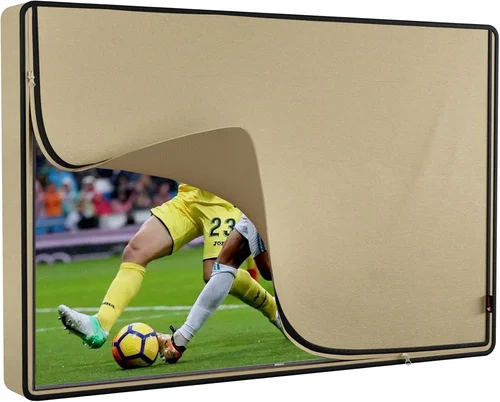
Outdoor living spaces have evolved dramatically over the past decade. What was once a simple patio or backyard has transformed into fully functional entertainment zones complete with grills, sound systems, and even televisions. In hot climates, however, enjoying your favorite show under the sun comes with unique challenges. Standard indoor TVs weren’t built for extreme heat, UV exposure, humidity, or dust—and using them outdoors can lead to overheating, screen damage, or total failure within months. That’s why investing in a weatherproof TV designed specifically for high-temperature environments isn’t just a luxury—it’s a necessity.
This comprehensive buying guide is crafted for homeowners, outdoor designers, and tech enthusiasts who want to make an informed decision when selecting a weatherproof television for hot climates. Whether you’re setting up a backyard cinema, a poolside lounge, or a covered patio in Arizona, Dubai, or Southern California, you’ll learn exactly what to look for to ensure long-term performance, safety, and value. We’ll walk you through critical factors like thermal management, IP ratings, display technology, and build quality—all tailored to the realities of scorching summers and year-round sun exposure.
The market for outdoor TVs has grown significantly, with brands like SunBriteTV, Samsung, LG, and Seura leading the charge. But not all “weatherproof” TVs are created equal, especially when it comes to handling sustained high temperatures. Some models claim outdoor durability but lack proper cooling systems, while others prioritize aesthetics over functionality. By the end of this guide, you’ll know how to distinguish marketing hype from genuine engineering excellence—and choose a TV that won’t quit when the mercury hits 100°F.

What to Look for When Buying Buying Guide
1. Thermal Management & Heat Resistance
In hot climates, one of the most overlooked yet critical aspects of outdoor TV performance is thermal management. Unlike indoor TVs, which operate in climate-controlled environments, outdoor models must withstand ambient temperatures that regularly exceed 90°F—and often climb above 110°F in direct sunlight. Without proper heat dissipation, internal components like the processor, power supply, and LED backlight can overheat, leading to premature failure, color distortion, or permanent screen damage.
Look for TVs with active cooling systems such as built-in fans or heat sinks, especially if they’ll be installed in fully exposed areas. Passive cooling (relying solely on ventilation) may suffice under covered patios, but it’s risky in open-air setups. High-quality outdoor TVs often feature temperature sensors that automatically adjust brightness or shut down temporarily if internal temps rise too high. Additionally, check the operating temperature range listed in the specs—reputable brands will specify a minimum and maximum threshold (e.g., -22°F to 122°F). Avoid models that only list “weather-resistant” without clear thermal data.
2. IP Rating & Weatherproofing Standards
The Ingress Protection (IP) rating tells you how well a TV resists dust and water—two major threats in outdoor environments. For hot climates, where dust storms, monsoon rains, or high humidity are common, an IP55 or higher rating is essential. IP55 means the TV is protected against dust (limited ingress) and low-pressure water jets from any direction. For coastal areas or regions with heavy rainfall, aim for IP65 (dust-tight and protected against water projected from a nozzle).
Don’t confuse “weather-resistant” with “fully weatherproof.” Many manufacturers use vague language to imply durability without meeting certified standards. Always verify the IP code on the product datasheet or packaging. Also, inspect the sealing around ports, vents, and the screen bezel—poor gaskets or gaps can allow moisture and debris to infiltrate, especially during temperature fluctuations that cause condensation.
3. Display Technology & Brightness
Screen visibility in bright daylight is perhaps the biggest challenge for outdoor TVs. Standard indoor TVs typically peak at 300–500 nits of brightness—far too dim for sunny patios. In hot climates, where sunlight can be intense even under partial shade, you need a display capable of at least 700 nits, with 1000+ nits being ideal for full sun exposure.
Look for TVs with anti-reflective coatings and high-gloss or optically bonded screens that minimize glare. OLED panels offer superior contrast and viewing angles but can suffer from burn-in and are less common in outdoor models due to cost and heat sensitivity. Most premium outdoor TVs use enhanced LED/LCD panels with local dimming and high dynamic range (HDR) support. Samsung’s “Outdoor Mode” and SunBriteTV’s “Direct Sunlight Viewable” technology are examples of specialized brightness enhancements designed for harsh lighting conditions.
Brightness Guidelines by Environment:
- Covered patio (indirect light): 500–700 nits
- Partial shade (dappled sunlight): 700–1000 nits
- Full sun exposure: 1000+ nits
4. Build Quality & Materials
Outdoor TVs endure more than just heat—they’re exposed to UV rays, salt air, pollen, and physical impacts from wind-blown debris. The chassis and bezel should be constructed from corrosion-resistant materials like powder-coated aluminum or marine-grade stainless steel. Avoid plastic housings, which can warp, fade, or become brittle under prolonged sun exposure.
Pay attention to internal component shielding. Quality outdoor models use conformal-coated circuit boards to prevent moisture damage and reinforced wiring that won’t degrade in high heat. The screen itself should be made of tempered glass or acrylic with UV inhibitors to prevent yellowing or cracking. Some premium models even feature impact-resistant front glass rated for hail or flying objects—a smart investment in hurricane-prone regions.
5. Smart Features & Connectivity
Just because a TV is built for the outdoors doesn’t mean it should lack modern conveniences. Most buyers expect smart functionality, including Wi-Fi connectivity, voice assistants (like Alexa or Google Assistant), and access to streaming apps such as Netflix, YouTube, and Disney+. However, in remote or rural areas with weak signals, ensure the TV supports Ethernet for wired internet connections.
Check the number and type of HDMI ports—outdoor setups often require multiple inputs for gaming consoles, soundbars, or media players. Look for HDMI 2.1 if you plan to use next-gen consoles like the PlayStation 5 or Xbox Series X. Also, verify that the remote control is weather-resistant or consider purchasing a universal outdoor remote with rubberized buttons and long-range IR or RF capability.
6. Size & Viewing Distance
Choosing the right screen size depends on both your available space and typical viewing distance. For outdoor areas, larger screens (55″ to 75″) are common because viewers tend to sit farther away than indoors. A general rule: multiply your viewing distance (in feet) by 8 to get the ideal screen diagonal in inches. So, if you’re sitting 10 feet away, an 80″ TV would be optimal—though practical constraints like mounting space and budget may influence your final choice.
Keep in mind that larger screens generate more heat and consume more power. Ensure your mounting solution can support the weight and that your outdoor electrical setup meets the TV’s power requirements. Most outdoor TVs draw between 100–300 watts, so a dedicated circuit may be necessary to avoid tripping breakers during peak usage.
7. Brand Reputation & Industry Experience
Not all consumer electronics brands specialize in outdoor durability. While Samsung and LG offer some outdoor-capable models, companies like SunBriteTV, Seura, and Avid Power have built their entire reputation around weatherproof displays. These brands conduct rigorous environmental testing, including thermal cycling, salt fog exposure, and UV degradation trials.
Research customer reviews on trusted platforms like Amazon, Best Buy, or specialized forums like AVS Forum. Look for feedback from users in similar climates—someone in Phoenix will have very different experiences than someone in Seattle. Brands with a proven track record in hot-weather performance are more likely to deliver reliable, long-lasting products.
8. Warranty & Support
A robust warranty is a strong indicator of a manufacturer’s confidence in their product. For outdoor TVs in extreme climates, aim for at least a 2-year comprehensive warranty that covers both parts and labor. Some premium brands offer 3–5 year warranties, including on-site service in major metropolitan areas.
Read the fine print: many warranties become void if the TV is installed incorrectly or used outside its specified environmental range. Ensure the brand provides accessible customer support, preferably with technicians familiar with outdoor installations. Avoid brands that only offer email support or require you to ship the unit back for repairs—this can leave you without TV for weeks during peak summer months.
Different Types of Buying Guide

Common Buying Mistakes to Avoid
❌ Mistake: Assuming All “Outdoor” TVs Are Equal
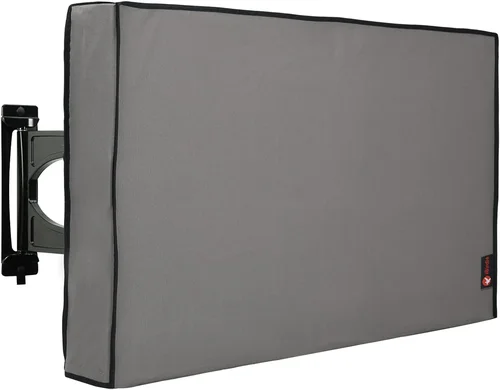
Why it’s bad: Many retailers market standard TVs with weatherproof covers as “outdoor-ready,” but these setups often lack proper ventilation, leading to overheating. The cover may protect against rain but trap heat inside, accelerating component failure.
What to do instead: Invest in a purpose-built outdoor TV with integrated thermal management. If using a cover, ensure it’s specifically designed for your model and allows for airflow.
❌ Mistake: Ignoring Local Climate Extremes
Why it’s bad: A TV rated for “outdoor use” in Florida may not survive the dry, dusty heat of Nevada. Humidity, sand, and UV intensity vary greatly by region and affect material longevity.
What to do instead: Match the TV’s specs to your local conditions. Coastal buyers should prioritize salt corrosion resistance; desert dwellers need superior dust sealing and heat tolerance.
❌ Mistake: Overlooking Power and Electrical Safety
Why it’s bad: Outdoor outlets are often on shared circuits. Running a high-wattage TV alongside a grill, lights, and speakers can trip breakers or create fire hazards.
What to do instead: Consult an electrician to install a dedicated GFCI-protected circuit. Use outdoor-rated extension cords if needed, and never daisy-chain power strips.
❌ Mistake: Choosing Size Over Visibility
Why it’s bad: A massive 85″ screen looks impressive but may be unwatchable in bright sunlight if it lacks sufficient brightness or anti-glare treatment.
What to do instead: Prioritize brightness (nits) and screen coating over sheer size. Test visibility during peak sun hours before finalizing your purchase.
❌ Mistake: Skipping Professional Installation
Why it’s bad: Improper mounting can lead to water ingress, structural damage, or TV detachment during high winds—especially dangerous in hurricane zones.
What to do instead: Hire a certified installer experienced in outdoor AV setups. They’ll ensure proper sealing, cable management, and compliance with local building codes.
❌ Mistake: Neglecting Software Updates and Security
Why it’s bad: Smart outdoor TVs connected to Wi-Fi are vulnerable to hacking if not regularly updated. Outdated firmware can also cause performance issues or app crashes.
What to do instead: Enable automatic updates and periodically check for firmware patches. Use a strong Wi-Fi password and consider a guest network for your outdoor devices.
❌ Mistake: Buying Based Solely on Price
Why it’s bad: The cheapest “weatherproof” TV may save you $500 upfront but cost thousands in replacements due to premature failure.
What to do instead: View the purchase as a long-term investment. Calculate total cost of ownership, including potential repair or replacement costs over 5–7 years.
Budget Guidelines: How Much Should You Spend?
Outdoor TVs represent a significant investment, but pricing varies widely based on features, durability, and brand. Here’s a realistic breakdown to help you allocate your budget wisely:
Entry-Level ($800 – $1,500): These models are best suited for covered patios or three-season use. Expect basic weather resistance (IP54), moderate brightness (500–700 nits), and limited smart features. Brands like TCL and Vizio offer convertible indoor/outdoor options in this range. While affordable, they may struggle in full sun or extreme heat and typically come with shorter warranties (1–2 years).
Mid-Range ($1,500 – $3,000): This is the sweet spot for most homeowners in hot climates. You’ll find TVs with IP55 or IP65 ratings, active cooling, 700–1000 nits brightness, and full smart functionality. Models from SunBriteTV’s Veranda series or Samsung’s The Terrace fall here. These units balance performance, durability, and value, often including 2–3 year warranties and reliable customer support.
Premium ($3,000 – $5,500): Designed for full sun exposure and year-round reliability, premium outdoor TVs feature military-grade materials, 1000+ nits brightness, advanced HDR, and robust thermal systems. Expect seamless integration with home automation, voice control, and premium audio. SunBriteTV’s Pro series and Seura’s Shadow TV are prime examples. Ideal for luxury homes, resorts, or commercial applications.
Luxury ($5,500+): At this tier, you’re paying for cutting-edge engineering, bespoke designs, and unmatched durability. These TVs often include features like motorized enclosures, 4K OLED panels with heat-resistant coatings, and 24/7 operational capability. Commercial-grade displays from manufacturers like Peerless-AV or Planar fall into this category. Best for high-end estates, yachts, or public installations where failure is not an option.
Expert Tips for Getting the Best Deal
- Buy During Off-Peak Seasons: Retailers often discount outdoor TVs in late fall and winter (October–February) when demand drops. You can save 10–20% compared to spring and summer pricing.
- Check Manufacturer Rebates: Brands like Samsung and SunBriteTV occasionally offer mail-in rebates or bundle deals with mounts and soundbars. Sign up for newsletters to stay informed.
- Compare Online vs. In-Store: Online retailers (Amazon, Crutchfield, Abt) often have better prices and return policies, but local AV specialists may offer free installation consultations.
- Negotiate with Dealers: Authorized dealers may match online prices or throw in free shipping if you ask. Mention competitor quotes to leverage better terms.
- Inspect Return Policies: Ensure the seller allows returns within 30–60 days, especially since outdoor performance can’t be fully tested indoors. Avoid “final sale” items unless certified refurbished by the manufacturer.
- Test Before Final Mounting: Once delivered, power on the TV and check for dead pixels, audio issues, or Wi-Fi connectivity problems before permanent installation.
- Consider Refurbished Models: Certified refurbished outdoor TVs from the manufacturer can save 20–30% and often include the same warranty as new units.
- Bundle with Other Outdoor Gear: Some retailers offer discounts when purchasing TVs alongside outdoor speakers, lighting, or furniture. Look for package deals during holiday sales.
Frequently Asked Questions
Q: Can I use a regular TV outdoors if I cover it?
A: While possible, it’s not recommended for hot climates. Most TV covers restrict airflow, causing internal temperatures to rise dangerously. Additionally, standard TVs lack UV-resistant screens and corrosion-proof components, leading to rapid degradation. For reliable, long-term use, a purpose-built outdoor TV is the safer and more cost-effective choice.
Q: How do I protect my outdoor TV from theft?
A: Use a locking mount with security screws, install motion-sensor lighting, and consider a GPS tracker hidden inside the housing. For high-risk areas, choose a model with a built-in alarm or integrate it with a smart security system.
Q: Will an outdoor TV work in the rain?
A: Yes—if it has an appropriate IP rating (IP55 or higher). However, avoid spraying water directly on the screen or ports. Most outdoor TVs are designed to shed rain but aren’t meant for submersion or high-pressure washing.
Q: Do outdoor TVs consume more power than indoor models?
A: Generally, yes—due to higher brightness and cooling systems. Expect 20–50% higher energy use. Look for ENERGY STAR-certified models to minimize electricity costs.
Q: Can I mount an outdoor TV on a brick or stucco wall?
A: Absolutely. Use masonry anchors and ensure the wall can support the TV’s weight (typically 30–80 lbs). A professional installer can assess structural integrity and prevent water infiltration around mounting holes.
Q: What’s the average lifespan of an outdoor TV in a hot climate?
A: With proper installation and maintenance, a quality outdoor TV should last 7–10 years. Cheaper models may fail within 2–3 years due to heat stress or moisture damage.
Q: Are outdoor TVs compatible with streaming devices like Roku or Apple TV?
A: Most smart outdoor TVs have built-in streaming platforms, but you can also connect external devices via HDMI. Ensure the ports are easily accessible and protected from the elements.
Q: Do I need a special antenna for over-the-air broadcasts?
A: Standard outdoor antennas work fine, but in areas with weak signals, consider an amplified antenna or a streaming alternative like YouTube TV or Hulu + Live TV.
Q: Can outdoor TVs be used in winter?
A: Yes—most are rated for cold temperatures down to -22°F. However, snow accumulation on the screen can block visibility, so tilt mounts or heated bezels (on premium models) help prevent buildup.
Q: Is professional installation worth the cost?
A: Highly recommended. Improper installation voids warranties and risks damage. Certified installers ensure correct sealing, cable routing, and electrical safety—saving you money and stress in the long run.
Our Final Recommendations
Best for Budget-Conscious Buyers: SunBriteTV Veranda Series (55″) – At around $1,800, this model offers excellent value with IP55 rating, 700 nits brightness, and reliable performance under covered patios. Ideal for those who want durability without breaking the bank.
Best Overall Value: Samsung The Terrace (65″) – Priced near $2,500, it combines stunning 4K HDR visuals, 1000+ nits brightness, and seamless smart features. Its sleek design and strong thermal management make it perfect for hot, sunny environments.
Best Premium Option: SunBriteTV Pro Series (75″) – For those who demand the best, this $4,500+ TV delivers military-grade durability, 1500 nits brightness, and 24/7 operation capability. Built for full sun exposure and extreme climates.
Best for Beginners: Seura Shadow TV (50″) – With its intuitive setup, excellent customer support, and partial-shade optimization, this $2,200 model is ideal for first-time outdoor TV owners.
Best for Advanced Users: Peerless-AV Xtreme Outdoor Display (86″) – A commercial-grade powerhouse with customizable mounting, remote monitoring, and unmatched resilience. Best suited for tech-savvy users or professional installations.
Conclusion: Making the Right Choice
Choosing a weatherproof TV for a hot climate isn’t just about picking the shiniest screen or the biggest brand name—it’s about understanding the unique demands of your environment and matching them with a product engineered to thrive under pressure. From thermal management and IP ratings to brightness and build quality, every detail matters when the sun beats down relentlessly and humidity lingers in the air.
Remember, this is a long-term investment in your outdoor lifestyle. Skimping on quality might save money today, but it could cost you dearly tomorrow in repairs, replacements, or missed movie nights. Prioritize your specific needs: Will your TV face direct sun? Do you need smart features? How important is warranty coverage? Answering these questions honestly will guide you toward the right model.
We encourage you to use this guide as your roadmap—not just to find a TV that works, but one that excels. Read reviews, compare specs, consult professionals, and don’t rush the decision. When you finally press play on that first sunset barbecue with friends gathered around your new outdoor screen, you’ll know it was worth every thoughtful step.
Ready to transform your backyard into the ultimate entertainment zone? Start your search with confidence—you’ve got the knowledge, the tools, and the expert insight to make the smartest choice for your home and your climate.

