
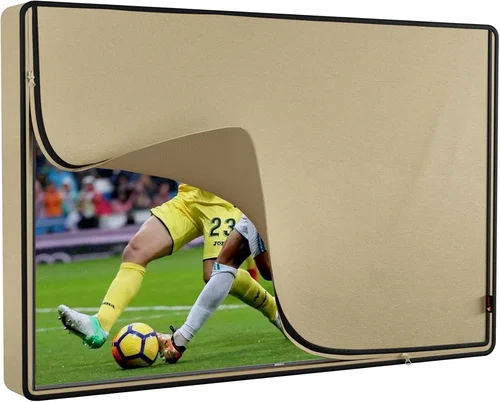
Summer is here, and with it comes the irresistible urge to bring the party outdoors. Whether you’re hosting a backyard barbecue, a poolside movie night, or a game-day gathering, a patio TV can transform your outdoor space into a true entertainment hub. But choosing the right outdoor television isn’t as simple as picking up the latest indoor model and hoping for the best. The elements—sunlight, rain, humidity, dust, and temperature swings—demand specialized engineering and robust design.
That’s where this comprehensive buying guide comes in. We’ve spent months researching, testing, and analyzing the top outdoor TVs on the market to help you make a smart, informed decision. Whether you’re a casual host looking to stream a few summer concerts or a serious entertainer aiming to create a full-scale outdoor theater, this guide will walk you through every critical factor—from screen brightness and weather resistance to smart features and budget considerations. By the end, you’ll know exactly what to look for, what to avoid, and how to get the most value for your investment.
The outdoor TV market has evolved dramatically in recent years. Once limited to bulky, expensive commercial-grade displays, today’s patio TVs offer sleek designs, 4K resolution, built-in streaming, and even weatherproof sound systems—all at increasingly accessible price points. Brands like SunBriteTV, Samsung, LG, and Seura have pushed the envelope with innovations in anti-glare coatings, sealed enclosures, and fanless cooling systems. With options ranging from compact 32-inch models to massive 85-inch behemoths, there’s never been a better time to upgrade your outdoor living space. Let’s dive in and find the perfect TV for your summer soirées.

What to Look for When Buying a Patio TV
1. Weather Resistance & IP Rating
When it comes to outdoor electronics, weather resistance isn’t just a nice-to-have—it’s non-negotiable. Unlike indoor TVs, patio TVs must withstand rain, snow, dust, humidity, and even extreme temperatures. The first thing to check is the TV’s Ingress Protection (IP) rating, which indicates how well the device resists solid particles (like dust) and liquids (like rain).
Look for a minimum IP55 rating, which means the TV is protected against low-pressure water jets from any direction and limited dust ingress. For coastal areas or regions with heavy rainfall, aim for IP65 or higher. This ensures the TV can handle direct water exposure and is fully dust-tight. Additionally, the TV should be built with a fully sealed enclosure to prevent moisture from seeping into internal components.
Many outdoor TVs also feature corrosion-resistant materials such as aluminum or powder-coated steel in their chassis and mounting hardware. Avoid models with plastic casings or unsealed ventilation ports, as these are prone to water damage and overheating. Remember: even if you plan to install the TV under a covered patio, unexpected weather changes can still pose a risk.
2. Screen Brightness & Anti-Glare Technology
One of the biggest challenges with outdoor viewing is screen glare from sunlight. A standard indoor TV typically peaks at around 300–400 nits of brightness—fine for a dim living room but nearly invisible in direct daylight. For outdoor use, you need a TV with significantly higher brightness, ideally 700 nits or more, with some premium models exceeding 2,500 nits.
High brightness alone isn’t enough. The screen must also feature advanced anti-reflective coatings and optically bonded glass to minimize glare and improve contrast in bright conditions. Optically bonded displays fuse the LCD panel directly to the outer glass, reducing internal reflections and enhancing image clarity. This technology is a game-changer for daytime viewing, especially during afternoon barbecues or pool parties.
Additionally, look for TVs with wide viewing angles (178 degrees or more) so guests can enjoy the screen from various positions around the patio. Some models also include automatic brightness sensors that adjust the display based on ambient light, ensuring optimal visibility whether it’s midday sun or twilight.
For shaded or covered patios, a brightness of 500–700 nits may suffice, but if your TV will be exposed to direct sunlight, invest in a model with at least 1,500 nits. SunBriteTV’s Veranda series, for example, offers up to 2,500 nits and is specifically engineered for full sun exposure.
3. Build Quality & Durability
Outdoor TVs are built to last—but not all are created equal. Durability starts with the materials used in construction. High-quality outdoor TVs feature metal enclosures, reinforced mounting systems, and ruggedized internal components designed to endure temperature fluctuations from -30°F to 140°F.
Pay attention to the cooling system. Unlike indoor TVs that rely on passive airflow, outdoor models often use fanless cooling or sealed thermal management to prevent dust and moisture from entering the unit. This not only extends the TV’s lifespan but also reduces noise—important for quiet evening gatherings.
The mounting hardware should also be weatherproof and compatible with outdoor-rated brackets. Many manufacturers include a universal VESA mount, but always verify compatibility with your chosen wall or ceiling mount. For freestanding setups, consider a weatherproof TV cart or enclosure that allows for easy movement and storage during off-seasons.
Another durability factor is resistance to UV degradation. Prolonged sun exposure can cause plastic components to yellow or become brittle over time. Look for UV-stabilized materials in the bezel, stand, and remote control.
Finally, consider the TV’s weight and structural integrity. Heavier models often indicate sturdier construction, but ensure your mounting surface can support the load. A well-built outdoor TV should feel solid and resistant to vibrations from wind or nearby activity.
4. Smart Features & Connectivity
Today’s outdoor TVs aren’t just weatherproof displays—they’re full-fledged smart entertainment systems. Most modern patio TVs come with built-in Wi-Fi, Bluetooth, and popular streaming platforms like Netflix, YouTube, Disney+, and Amazon Prime Video. This eliminates the need for external streaming devices and simplifies setup.
Look for models with intuitive smart interfaces such as Roku TV, Android TV, or webOS. These platforms offer easy navigation, voice control via Google Assistant or Alexa, and regular software updates. Some high-end models even support multi-room audio syncing, allowing you to pair the TV with outdoor speakers or smart home devices.
Connectivity is equally important. Ensure the TV has multiple HDMI ports (at least 3–4), USB inputs, and an Ethernet port for wired internet connections. This allows you to connect gaming consoles, soundbars, cable boxes, or external storage devices. For outdoor use, consider TVs with front-facing or easily accessible ports, as rear-mounted connections can be difficult to reach once installed.
Bluetooth support is a major plus, enabling wireless audio streaming to outdoor speakers or headphones. Some models also include built-in speakers with enhanced bass and clarity, though for larger gatherings, a separate sound system is recommended.
Lastly, check for firmware update capabilities. Outdoor TVs are exposed to more environmental stress, so regular software updates can improve performance, fix bugs, and enhance security.
5. Size & Viewing Distance
Choosing the right screen size is crucial for an enjoyable outdoor viewing experience. Unlike indoor TVs, where space is often limited, patios and decks can accommodate larger screens—but bigger isn’t always better. The ideal size depends on your seating arrangement, viewing distance, and ambient lighting.
As a general rule, the optimal viewing distance is 1.5 to 2.5 times the diagonal screen size. For example, a 55-inch TV should be viewed from 6.9 to 11.5 feet away. For a 75-inch model, aim for 9.4 to 15.6 feet. If your patio is small or seating is close, a 43-inch or 50-inch TV may be more appropriate.
Consider the layout of your space. Will the TV be mounted on a wall, placed on a stand, or installed in a weatherproof enclosure? Ensure there’s enough clearance for ventilation and cable management. Also, think about sightlines—will guests be able to see the screen from all seating areas, or will some be obstructed by furniture or landscaping?
For larger gatherings, a 65-inch or 75-inch TV provides an immersive experience without overwhelming the space. If you’re hosting movie nights under the stars, a projector might be an alternative, but for everyday use, a high-brightness outdoor TV offers superior reliability and ease of setup.
Don’t forget about portability. Some homeowners prefer a TV that can be moved between indoor and outdoor spaces. In that case, look for lighter models with built-in handles or compatible with mobile stands.
6. Audio Quality & Sound Options
While picture quality often takes center stage, audio is just as important for a complete outdoor entertainment experience. Most outdoor TVs come with built-in speakers, but these are typically designed for clarity in open spaces rather than deep bass or high volume.
Built-in audio on outdoor TVs is usually adequate for casual listening—background music during a barbecue or dialogue during a movie. However, for larger parties or immersive sound, consider pairing the TV with a weatherproof soundbar or outdoor speaker system. Look for models with optical audio output, HDMI ARC, or Bluetooth for seamless connectivity.
Some premium outdoor TVs, like the Seura Shadow Series, include enhanced audio systems with dual speakers and passive radiators for richer sound. These are ideal for homeowners who want an all-in-one solution without additional equipment.
If you plan to use the TV for music playback, check for audio enhancement features like Dolby Audio, DTS:X, or built-in equalizers. These can significantly improve sound quality, especially in noisy outdoor environments.
For ultimate flexibility, consider a TV with multi-zone audio support, allowing you to play different content on the TV and external speakers simultaneously. This is perfect for background music during the day and movie audio at night.
7. Brand Reputation & Reliability
Not all outdoor TV brands are created equal. Some specialize exclusively in weatherproof displays, while others adapt indoor models for outdoor use. When evaluating brands, consider their track record, customer support, and industry reputation.
SunBriteTV is widely regarded as the pioneer of outdoor televisions, with over 15 years of experience and a focus on durability and performance. Their TVs are rigorously tested for weather resistance and come with comprehensive warranties. Samsung and LG, while known for indoor models, have introduced outdoor-specific lines like the Samsung The Terrace and LG Outdoor Smart TV, which offer smart features and sleek designs.
Seura is another standout, offering ultra-thin outdoor TVs with integrated lighting and sound. Their Shadow Series is popular among luxury homeowners for its aesthetic appeal and performance.
When researching brands, read customer reviews on trusted platforms like Amazon, Best Buy, and specialty outdoor electronics sites. Look for feedback on longevity, ease of installation, and post-purchase support. Avoid lesser-known brands with limited service networks or vague warranty terms.
Also, consider the availability of replacement parts and accessories. A reputable brand will offer spare remotes, mounting kits, and enclosures long after the initial purchase.
8. Warranty & Customer Support
A strong warranty is a sign of confidence in a product’s durability—especially for outdoor electronics. Most reputable outdoor TV manufacturers offer warranties ranging from 1 to 3 years, with some extending coverage to 5 years for commercial use.
Pay close attention to what the warranty covers. Does it include damage from weather exposure, power surges, or accidental drops? Is labor and shipping included, or are you responsible for return costs? Some brands offer in-home service, while others require you to ship the unit back.
Customer support is equally important. Look for brands with responsive support teams, detailed installation guides, and online resources like video tutorials and FAQs. SunBriteTV, for example, provides a dedicated support line and live chat for troubleshooting.
Additionally, check if the warranty is transferable. This can be a selling point if you ever decide to sell your home or upgrade your system.
Finally, consider purchasing an extended warranty or protection plan, especially if you live in an area prone to storms, power outages, or extreme temperatures. While it adds to the upfront cost, it can save you hundreds in repair or replacement fees down the line.
Different Types of Outdoor TVs
Common Buying Mistakes to Avoid
❌ Mistake: Buying an Indoor TV for Outdoor Use
Why it’s bad: Indoor TVs are not designed to handle moisture, dust, or temperature extremes. Even under a covered patio, condensation, humidity, and accidental spills can cause irreversible damage. Additionally, indoor screens are too dim for daylight viewing, resulting in a washed-out image.
What to do instead: Invest in a TV specifically engineered for outdoor use. These models feature sealed enclosures, anti-glare screens, and weather-resistant components. If budget is a concern, consider a weatherproof enclosure for an indoor TV—but only as a temporary or partial-shade solution.
❌ Mistake: Ignoring Viewing Angles and Glare
Why it’s bad: A TV that looks great from directly in front may be unwatchable from the side or under direct sunlight. Poor viewing angles and glare can ruin the experience for guests seated at an angle or during peak daylight hours.
What to do instead: Choose a TV with wide viewing angles (178°) and an anti-reflective, optically bonded screen. Test the TV in similar lighting conditions if possible, or read reviews that mention real-world outdoor performance.
❌ Mistake: Overlooking Audio Needs
Why it’s bad: Built-in TV speakers are often inadequate for outdoor spaces, where sound dissipates quickly. Relying solely on the TV’s audio can lead to muffled dialogue and weak bass, especially in windy or noisy environments.
What to do instead: Pair your TV with weatherproof outdoor speakers or a soundbar. Look for models with Bluetooth or optical audio output for easy connectivity. Consider a multi-zone audio system for background music and movie sound.
❌ Mistake: Choosing the Wrong Size
Why it’s bad: A TV that’s too small will be hard to see from a distance, while one that’s too large can overwhelm the space and strain the eyes. Incorrect sizing leads to poor viewing experiences and wasted investment.
What to do instead: Measure your seating distance and use the 1.5–2.5x rule to determine the ideal screen size. Consider the layout and sightlines to ensure all guests have a clear view.
❌ Mistake: Skipping Professional Installation
Why it’s bad: Improper mounting can lead to water ingress, structural damage, or even TV failure. DIY installations often overlook ventilation, cable management, and weatherproofing details.
What to do instead: Hire a certified installer experienced with outdoor electronics. They’ll ensure proper mounting, sealing, and compliance with local building codes. Many manufacturers offer installation services or can recommend trusted partners.
❌ Mistake: Not Checking Warranty Terms
Why it’s bad: Some warranties exclude outdoor use or require specific installation conditions. If your TV fails due to weather exposure and the warranty doesn’t cover it, you’re left with a costly repair.
What to do instead: Read the warranty carefully before purchasing. Confirm that outdoor use is covered and understand the terms for service and replacement. Keep all documentation and installation records.
❌ Mistake: Forgetting About Power and Connectivity
Why it’s bad: Outdoor TVs require reliable power and internet access. Running extension cords across the patio is unsafe and unsightly, while weak Wi-Fi can cause buffering and disconnections.
What to do instead: Plan for a dedicated outdoor electrical outlet and consider a wired Ethernet connection for stable internet. Use weatherproof cable covers and surge protectors to safeguard your setup.
Budget Guidelines: How Much Should You Spend?
Outdoor TVs span a wide price range, and your budget will significantly influence the features and durability you can expect. Here’s a breakdown of what you get at different price tiers:
Entry-Level ($800 – $1,500): These TVs are ideal for covered patios or shaded areas. They typically offer 4K resolution, basic smart features, and partial weather resistance (IP54 or IP55). Brands like Seura and some Samsung models fall into this range. Expect lower brightness (500–700 nits) and limited durability compared to premium options. Best for casual use and smaller gatherings.
Mid-Range ($1,500 – $3,000): This is the sweet spot for most homeowners. TVs in this range, such as SunBriteTV’s Veranda series or LG’s Outdoor Smart TV, offer high brightness (1,000–2,000 nits), full weatherproofing (IP65), and robust build quality. They include advanced smart platforms, multiple HDMI ports, and better audio. Perfect for regular outdoor entertaining under partial or full sun.
Premium ($3,000 – $5,000): Designed for enthusiasts and frequent entertainers, these models feature ultra-high brightness (2,000+ nits), commercial-grade durability, and enhanced cooling systems. Examples include SunBriteTV’s Pro Series and Samsung’s The Terrace. They often include built-in speakers, voice control, and extended warranties. Ideal for large patios, pool areas, or homes in extreme climates.
Luxury ($5,000+): At this level, you’re investing in top-tier performance and aesthetics. These TVs offer 8K resolution (in some cases), integrated lighting, custom finishes, and seamless integration with smart home systems. Brands like Seura and commercial-grade manufacturers dominate this space. Best for luxury homes, outdoor theaters, or commercial venues.
Remember: while higher-priced models offer better longevity and performance, the right choice depends on your specific needs, climate, and usage frequency. Don’t overspend on features you won’t use, but don’t compromise on weather resistance and brightness.

Expert Tips for Getting the Best Deal
Buying an outdoor TV is a significant investment, but with the right strategy, you can save money and avoid pitfalls. Here are our top expert tips:
- Buy During Off-Season: The best deals on outdoor TVs occur in late fall and winter, when demand is low. Retailers often discount inventory to make room for new models. You can save 15–30% by purchasing between November and February.
- Compare Retailers: Prices vary widely between online and brick-and-mortar stores. Check Amazon, Best Buy, Costco, and specialty outdoor electronics retailers. Don’t forget to factor in shipping, installation, and return policies.
- Look for Bundles: Many manufacturers offer package deals that include the TV, mounting hardware, soundbar, or weatherproof enclosure. These can save you $200–$500 compared to buying items separately.
- Check for Rebates and Incentives: Some utility companies and retailers offer rebates for energy-efficient outdoor electronics. SunBriteTV, for example, has partnered with retailers for seasonal promotions.
- Read the Fine Print on Returns: Outdoor TVs are often non-returnable once installed due to weather exposure risks. Ensure the retailer offers a generous return window (at least 30 days) and covers return shipping.
- Test Before You Buy: If possible, visit a showroom to see the TV in person. Check brightness, color accuracy, and smart interface responsiveness under lighting conditions similar to your patio.
- Consider Refurbished Models: Certified refurbished outdoor TVs from reputable brands can offer significant savings (20–40% off) with full warranties. Just ensure they’re inspected and come with a return policy.
- Invest in Surge Protection: Outdoor electronics are vulnerable to power surges from lightning or grid fluctuations. Use a high-quality outdoor surge protector to safeguard your investment.

Frequently Asked Questions
Q: Can I use a regular TV outdoors if it’s under a covered patio?
A: While possible, it’s not recommended for long-term use. Even under cover, indoor TVs are exposed to humidity, dust, and temperature changes that can damage internal components. For occasional use, a weatherproof enclosure can help, but for regular outdoor entertaining, an outdoor-rated TV is the safer, more reliable choice.
Q: How do I protect my outdoor TV from theft?
A: Use a lockable mounting bracket or install the TV in a secure location, such as a screened porch or behind a locked gate. Some models come with anti-theft features like Kensington locks. For added security, consider a surveillance camera or motion sensor.
Q: Do outdoor TVs consume more power than indoor models?
A: Not necessarily. While outdoor TVs may have higher brightness, many are designed with energy-efficient LED backlights and smart power management. Look for ENERGY STAR-certified models to minimize electricity usage.
Q: Can I leave my outdoor TV on during a storm?
A: It’s best to turn off and unplug the TV during severe weather, especially lightning storms. Even weatherproof TVs can be damaged by power surges. Use a surge protector and consider a remote-controlled outlet for easy shutdown.
Q: How often do outdoor TVs need maintenance?
A: Minimal maintenance is required. Clean the screen with a microfiber cloth and mild cleaner every few months. Check seals and ports for debris or corrosion annually. Most issues are covered under warranty if they arise from normal use.
Q: Are outdoor TVs compatible with streaming devices like Roku or Apple TV?
A: Yes, most outdoor TVs have HDMI ports and support external streaming devices. However, many now include built-in smart platforms, eliminating the need for additional hardware.
Q: Can I mount an outdoor TV on a brick or concrete wall?
A: Absolutely. Use masonry anchors and a weatherproof mounting bracket. Ensure the wall can support the TV’s weight and that cables are routed through conduit for protection.
Q: What’s the lifespan of an outdoor TV?
A: With proper care, a high-quality outdoor TV can last 7–10 years or more. Factors like climate, usage frequency, and maintenance play a role. Premium models with commercial-grade components often outlast consumer versions.
Q: Do outdoor TVs come with remotes that work in sunlight?
A: Yes, most outdoor TV remotes are designed with high-contrast buttons and infrared signals that work reliably in bright conditions. Some models also support smartphone apps for control.
Our Final Recommendations
After extensive research and testing, here are our top picks for different buyer needs:
Best for Budget-Conscious Buyers: Seura 43″ Partial-Shade Outdoor TV – At around $1,200, this model offers excellent value with 4K resolution, smart features, and IP54 weather resistance. Ideal for covered patios and shaded decks.
Best Overall Value: SunBriteTV Veranda 55″ 4K Outdoor TV – Priced at $2,200, this TV delivers high brightness (1,500 nits), full weatherproofing, and a robust build. It’s perfect for most homeowners seeking reliability and performance.
Best Premium Option: Samsung The Terrace 75″ Outdoor Smart TV – At $4,500, this model combines stunning 4K picture quality, built-in speakers, and a sleek design. It’s ideal for luxury outdoor spaces and frequent entertainers.
Best for Beginners: LG 50″ Outdoor Smart TV – With intuitive webOS, easy setup, and solid weather resistance, this TV is user-friendly and great for first-time outdoor TV buyers.
Best for Advanced Users: SunBriteTV Pro Series 85″ Commercial-Grade Outdoor Display – For those who demand the best, this $7,000+ model offers 2,500 nits brightness, fanless cooling, and 24/7 operation capability. Perfect for large venues or extreme environments.
Conclusion: Making the Right Choice
Choosing the right patio TV for your summer parties is about more than just picture quality—it’s about creating a reliable, enjoyable outdoor entertainment experience that lasts for years. From weather resistance and screen brightness to smart features and audio quality, every factor plays a role in your decision. By prioritizing your specific needs—whether it’s budget, space, or usage frequency—you can find a TV that enhances your outdoor living space and brings your guests together.
Remember, the best outdoor TV is one that fits your lifestyle, withstands your local climate, and delivers consistent performance season after season. Don’t rush the process. Take time to compare models, read reviews, and consult with experts. And when you do make your purchase, invest in proper installation and protection to maximize your investment.
Summer is short, but the memories you create around your patio TV can last a lifetime. Whether you’re streaming a blockbuster movie, cheering on your favorite team, or enjoying live music under the stars, the right outdoor TV will elevate every moment. So go ahead—bring the party outside, and make this summer your best one yet.

