
If you’ve ever tried watching your favorite show or live sports game from a screened porch, you know how quickly the experience can go from relaxing to frustrating. Sunlight glares off the screen, humidity fogs up the display, and standard indoor TVs simply weren’t built to handle the unique environmental challenges of outdoor living spaces. That’s where a dedicated patio TV comes in—a purpose-built solution designed to deliver crisp visuals, reliable performance, and long-term durability in semi-outdoor settings like screened porches, sunrooms, and covered patios.
This comprehensive buying guide is here to help you navigate the often-confusing world of outdoor-ready televisions. Whether you’re upgrading from an old indoor model or investing in your first true patio TV, we’ll walk you through every critical decision point—from weather resistance and brightness levels to smart features and mounting options. By the end of this guide, you’ll have a clear understanding of what makes a TV truly suitable for screened porch use, how to balance performance with budget, and which models offer the best value for your specific needs.
The market for outdoor TVs has evolved significantly over the past few years. What once meant bulky, expensive all-weather enclosures now includes sleek, high-performance displays specifically engineered for covered outdoor use. Major brands like Samsung, LG, Sony, and specialized players like SunBriteTV and Seura have stepped up their game, offering models that blend indoor-level picture quality with outdoor resilience. With options ranging from budget-friendly weather-resistant screens to premium 4K HDR models with anti-glare coatings and enhanced cooling systems, there’s never been a better time to invest in a patio TV. Let’s dive into the key factors that will help you make the smartest choice for your space.
What to Look for When Buying a Patio TV
1. Weather Resistance & Environmental Protection
One of the most critical considerations when choosing a patio TV is its ability to withstand the elements—even in a screened porch. While your TV may not be fully exposed to rain or snow, it’s still subject to fluctuating temperatures, humidity, dust, and insects. Standard indoor TVs lack the necessary protection against these conditions and can suffer from overheating, moisture damage, or corrosion over time.
Look for TVs that are specifically rated for outdoor or semi-outdoor use. These models typically feature sealed components, corrosion-resistant materials, and enhanced ventilation systems designed to manage heat without allowing moisture ingress. Many outdoor-ready TVs carry an IP (Ingress Protection) rating, such as IP55 or IP65, which indicates resistance to dust and water jets. For screened porches, an IP55 rating is usually sufficient, as it protects against low-pressure water sprays and limited dust exposure.
Additionally, consider the operating temperature range. Most indoor TVs are designed to function between 50°F and 95°F, but outdoor models often support a wider range—sometimes from 20°F to 120°F—ensuring reliable performance during both chilly mornings and hot summer afternoons. If your porch is unheated or lacks climate control, this becomes even more important.
2. Brightness & Anti-Glare Performance
Brightness is arguably the most important visual specification for any TV used in a well-lit environment—and screened porches often receive significant natural light, especially during daytime viewing. Standard indoor TVs typically offer brightness levels between 300 and 500 nits, which may appear dim or washed out under bright ambient light.
For optimal visibility on a screened porch, aim for a TV with a minimum brightness of 700 nits, though 1000 nits or higher is ideal. High-brightness displays use advanced backlighting technologies—such as full-array local dimming (FALD) or quantum dot enhancement—to maintain color accuracy and contrast even in sunny conditions.
Equally important is the screen’s anti-reflective coating. Glare from windows, skylights, or nearby reflective surfaces can ruin the viewing experience. Look for TVs with matte or anti-glare screens that diffuse ambient light rather than reflecting it. Some premium outdoor models also feature optically bonded glass, which reduces internal reflections and improves clarity by minimizing the air gap between the LCD panel and the outer glass layer.
Real-world example: A 65-inch TV with 1000 nits brightness and an anti-glare coating will deliver a dramatically better image on a sunny afternoon compared to a 500-nit indoor model, even if both have similar resolution and color gamut.
3. Build Quality & Durability
Patio TVs endure more stress than their indoor counterparts. Temperature swings, humidity, and occasional bumps or vibrations (from wind or nearby activity) demand a higher standard of build quality. When evaluating durability, examine the materials used in the chassis, bezel, and internal components.
High-quality outdoor TVs often feature aluminum or powder-coated steel frames that resist rust and corrosion. Plastic components should be UV-stabilized to prevent yellowing or cracking over time. Internal circuitry is typically potted or sealed to protect against moisture, and cooling systems are designed to operate efficiently without drawing in outside air (which could carry dust or humidity).
Pay attention to the mounting system as well. Many outdoor TVs come with reinforced VESA patterns and compatible wall mounts that allow for secure, weather-resistant installation. Some models even include built-in cable management to keep wires protected and out of sight.
Durability also extends to longevity. While an indoor TV might last 5–7 years under normal use, a well-built patio TV should easily surpass that—especially if it’s used daily in a semi-outdoor setting. Investing in a model with a robust construction pays off in reduced maintenance, fewer repairs, and consistent performance over time.
4. Display Technology & Picture Quality
Not all outdoor TVs are created equal when it comes to picture quality. While brightness and weather resistance are essential, you still want a display that delivers vibrant colors, deep blacks, and smooth motion—especially if you’re watching movies, sports, or gaming.
The two dominant display technologies for patio TVs are LED-LCD and OLED. LED-LCD remains the most common due to its affordability, high brightness capabilities, and compatibility with outdoor environments. Premium LED models with quantum dot technology (often marketed as QLED) offer wider color gamuts and better color accuracy, making them excellent choices for color-critical viewing.
OLED TVs, while stunning indoors, face challenges in bright environments due to their lower peak brightness compared to high-end LED models. However, some newer OLEDs with enhanced brightness and anti-reflective coatings are beginning to appear in semi-outdoor applications. If you prioritize perfect black levels and infinite contrast and your porch has controlled lighting (e.g., curtains or shades), an OLED could be a compelling option—but only if it’s explicitly rated for outdoor use.
Resolution is another key factor. 4K UHD (3840 x 2160) is the standard for modern patio TVs and provides four times the detail of Full HD. With streaming services like Netflix, Disney+, and YouTube offering vast libraries of 4K content, upgrading to a 4K model ensures future-proofing and a noticeably sharper image, especially on larger screens.
High Dynamic Range (HDR) support—including HDR10, Dolby Vision, and HLG—further enhances picture quality by expanding brightness, contrast, and color range. Look for TVs that support multiple HDR formats for maximum compatibility with your favorite content.
5. Smart Features & Connectivity
A modern patio TV should do more than just display cable channels—it needs to integrate seamlessly into your connected home ecosystem. Most outdoor-ready models now come with built-in smart platforms like Google TV, webOS (LG), Tizen (Samsung), or Roku TV, giving you access to thousands of apps, voice control, and streaming services without needing an external device.
Evaluate the user interface for ease of use. A cluttered or slow interface can ruin the outdoor relaxation vibe. Look for platforms with intuitive navigation, quick app loading, and support for voice assistants like Alexa or Google Assistant. This allows you to change channels, adjust volume, or search for content hands-free—perfect for when you’re lounging with a drink in hand.
Connectivity is equally important. Ensure the TV has enough HDMI ports (at least three, preferably HDMI 2.1 for future-proofing), USB inputs, and wireless options like Wi-Fi 6 and Bluetooth 5.0. If you plan to connect a soundbar, gaming console, or streaming stick, having ample ports prevents the hassle of constant swapping.
Some advanced models also support HDMI-CEC (Consumer Electronics Control), which lets you control multiple devices with a single remote. Others offer built-in streaming sticks or modular designs that allow you to upgrade the smart module separately from the display—a smart investment for longevity.
6. Audio Performance & Sound Solutions
While picture quality grabs most of the attention, sound matters just as much—especially in an open or semi-open space like a screened porch. Wind, background noise, and distance from seating can make built-in TV speakers sound thin or muffled.
Most patio TVs come with basic stereo speakers, but they’re rarely powerful enough for immersive audio. If you’re serious about your outdoor entertainment setup, consider pairing your TV with a weather-resistant soundbar or outdoor speaker system. Many manufacturers offer matching audio solutions designed to withstand the same environmental conditions as their TVs.
Alternatively, look for TVs with enhanced audio features such as Dolby Atmos support, built-in subwoofers, or audio output options (optical, HDMI ARC, or Bluetooth) that make it easy to connect external speakers. Some models even include acoustic front-firing speakers, which project sound toward the viewer rather than downward, improving clarity in open spaces.
7. Size & Viewing Distance
Choosing the right screen size is crucial for both comfort and visual impact. A TV that’s too small will strain your eyes, while one that’s too large can feel overwhelming or require excessive mounting space.
As a general rule, your viewing distance should be about 1.5 to 2.5 times the diagonal screen size for 4K content. For example:
– A 55-inch TV is ideal for seating 7–9 feet away.
– A 65-inch TV works best at 8–11 feet.
– A 75-inch model suits distances of 10–13 feet.
Measure your porch layout carefully, including wall space, seating arrangement, and sightlines. Avoid placing the TV where it’s directly facing a window or bright light source, as this increases glare. Consider a tilting or full-motion mount to adjust the angle for optimal viewing from different seating positions.
Also, factor in ambient light. Larger screens with high brightness are better suited for brightly lit porches, while smaller models may suffice in shaded or evening-use areas.
8. Brand Reputation & Warranty Support
Not all TV brands are equally committed to the outdoor market. While mainstream manufacturers like Samsung and LG offer some weather-resistant models, specialized brands like SunBriteTV, Seura, and Avid Power focus exclusively on outdoor displays and often provide superior build quality and customer support.
Research brand reputation by reading professional reviews, user testimonials, and warranty terms. A reputable brand will stand behind its product with comprehensive coverage—typically 2–3 years for parts and labor, sometimes extendable. Look for companies that offer in-home service or local repair centers, as shipping a large TV for repairs can be costly and inconvenient.
Avoid unknown or off-brand models that promise “outdoor-ready” performance at suspiciously low prices. These often cut corners on materials, brightness, or sealing, leading to premature failure.
Warranty should also cover environmental damage—something rarely included with standard indoor TVs. Confirm that humidity, temperature extremes, and dust exposure are covered under the policy before purchasing.
Different Types of Patio TVs

For most screened porch owners, semi-outdoor TVs strike the perfect balance between performance, protection, and price. They’re engineered for covered environments and offer the brightness, connectivity, and smart features needed for daily use—without the premium cost of fully sealed all-weather models.
Common Buying Mistakes to Avoid

❌ Mistake: Using a Standard Indoor TV Outdoors
Why it’s bad: Indoor TVs lack weatherproofing, have lower brightness, and aren’t designed for temperature fluctuations. Moisture can seep into vents, causing corrosion or short circuits. Over time, the screen may fog, colors fade, or the TV fails entirely—often just outside the warranty period.
What to do instead: Invest in a TV specifically rated for semi-outdoor use. Even if it costs more upfront, it will last significantly longer and perform better in your porch environment.
❌ Mistake: Ignoring Brightness Specifications
Why it’s bad: A dim screen turns daytime viewing into a squint-fest. You’ll miss details in bright scenes, and colors will look washed out. This is especially frustrating during sports or nature documentaries.
What to do instead: Prioritize TVs with at least 700 nits brightness, and aim for 1000+ nits if your porch gets direct sunlight. Check real-world reviews—not just specs—to confirm performance under light.
❌ Mistake: Overlooking Mounting and Installation Needs
Why it’s bad: Improper mounting can lead to instability, cable damage, or even the TV falling. Standard indoor mounts aren’t always rated for outdoor conditions or heavier outdoor TVs.
What to do instead: Use a weather-resistant, VESA-compatible outdoor mount. Ensure your wall or ceiling can support the weight. Consider professional installation if wiring or structural reinforcement is needed.
❌ Mistake: Skimping on Audio
Why it’s bad: Built-in TV speakers struggle in open spaces. Dialogue gets lost, and action scenes lack impact. You end up turning the volume up too high, which can distort sound or disturb neighbors.
What to do instead: Pair your TV with outdoor-rated speakers or a soundbar. Look for weatherproof models with wireless connectivity to keep setup clean and simple.
❌ Mistake: Buying Based Solely on Price
Why it’s bad: The cheapest “outdoor” TV may use inferior materials, lack proper sealing, or have poor brightness. You could end up replacing it within a year—costing more in the long run.
What to do instead: Focus on value, not just cost. A mid-range TV with strong reviews, good warranty, and proven durability often offers better lifetime value than a budget model.
❌ Mistake: Not Checking Return and Warranty Policies
Why it’s bad: Outdoor TVs are expensive. If the unit arrives damaged, doesn’t perform as expected, or fails early, you need clear recourse. Some retailers charge restocking fees or don’t cover shipping for large items.
What to do instead: Buy from reputable retailers with generous return windows (30+ days) and confirm warranty coverage includes environmental damage. Keep all documentation.
Budget Guidelines: How Much Should You Spend?
– Entry-Level ($800 – $1,500): These are typically indoor TVs paired with third-party weatherproof enclosures or basic semi-outdoor models with limited brightness (500–700 nits). Suitable for shaded porches with minimal sun exposure. Expect fewer smart features and shorter lifespans.
– Mid-Range ($1,500 – $3,000): The sweet spot for most screened porch owners. These TVs offer 700–1,200 nits brightness, robust weather resistance, full 4K HDR support, and reliable smart platforms. Brands like Samsung The Terrace (partial outdoor line) and value-oriented SunBrite models fall here.
– Premium ($3,000 – $5,000): Designed for enthusiasts who want top-tier picture quality and durability. Features include 1,500+ nits brightness, anti-glare optically bonded screens, advanced cooling, and premium audio. Ideal for bright porches and daily use.
– Luxury ($5,000+): Commercial-grade or fully sealed all-weather models with 24/7 operation capability, extreme temperature tolerance, and enterprise-level support. Best for high-end homes, vacation properties, or commercial installations.
Expert Tips for Getting the Best Deal
– Shop during off-seasons: Prices on outdoor TVs drop significantly in fall and winter (October–February) when demand is lower. Retailers often clear inventory before new models launch in spring.
– Compare bundled packages: Some sellers offer TV + mount + soundbar bundles at a discount. These can save $200–$500 compared to buying separately.
– Check manufacturer refurbished programs: Brands like SunBriteTV and Seura sell certified refurbished units with full warranties at 20–30% off retail.
– Use price tracking tools: Set alerts on sites like CamelCamelCamel (Amazon) or Honey to monitor price drops on your desired model.
– Negotiate with local dealers: Independent AV installers may offer better pricing or free installation if you buy through them.
– Verify energy efficiency: Outdoor TVs run longer hours. Look for ENERGY STAR certification to reduce electricity costs over time.
– Test before you buy (if possible): Visit a showroom to compare brightness and color accuracy side-by-side. Bring a sample of your favorite content to evaluate real-world performance.

Frequently Asked Questions
Q: Can I use a regular TV on my screened porch?
A: Technically yes, but it’s not recommended. Standard TVs lack weatherproofing and sufficient brightness for outdoor-like conditions. Over time, humidity and temperature swings can cause malfunctions or permanent damage. For reliable, long-term use, invest in a purpose-built patio TV.
Q: Do patio TVs need special power outlets?
A: No, most outdoor TVs use standard 120V outlets. However, ensure your outlet is GFCI-protected (required for outdoor use) and consider a surge protector to safeguard against power fluctuations.
Q: How do I clean an outdoor TV screen?
A: Use a microfiber cloth and a mild screen cleaner designed for anti-reflective coatings. Avoid ammonia-based cleaners or paper towels, which can scratch the surface. Power off the TV and let it cool before cleaning.
Q: Can I leave my patio TV on all day?
A: Yes, most semi-outdoor TVs are designed for extended use. However, avoid leaving it on during thunderstorms or extreme weather unless it’s fully sealed. Use a timer or smart plug to automate power cycles.
Q: Are outdoor TVs compatible with streaming devices?
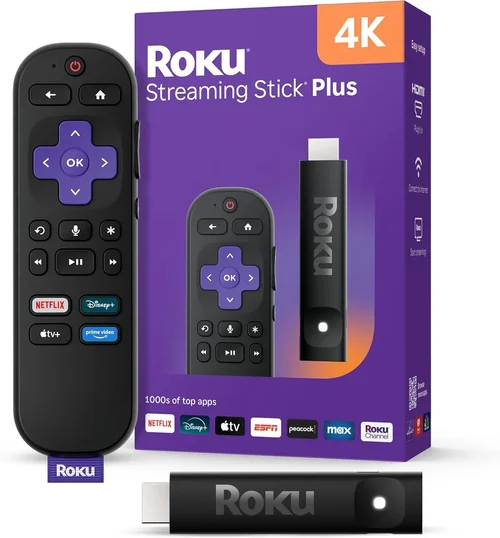
A: Absolutely. Most come with built-in smart platforms, but you can also connect Fire Stick, Roku, or Apple TV via HDMI. Just ensure the device is protected from moisture if placed near the TV.
Q: What’s the difference between IP55 and IP65?
A: IP55 protects against dust (limited ingress) and low-pressure water jets from any direction. IP65 offers complete dust protection and resistance to stronger water sprays. For screened porches, IP55 is usually sufficient.
Q: Can I mount a patio TV on a ceiling?
A: Yes, with a compatible ceiling mount. Ensure the mount is rated for outdoor use and the ceiling structure can support the weight. Angled mounts help optimize viewing from seating areas.
Our Final Recommendations
– Best for Budget-Conscious Buyers: TCL 6-Series (with third-party outdoor enclosure) – Offers excellent 4K HDR performance and Roku OS at a fraction of the cost of dedicated outdoor models. Pair with a quality weatherproof case for screened porch use.
– Best Overall Value: SunBriteTV Veranda Series – Specifically engineered for covered outdoor spaces, with 1,000+ nits brightness, anti-glare screen, and robust build. Priced fairly for its performance and durability.
– Best Premium Option: Samsung The Terrace (Partial Sun Model) – Combines QLED color, 2,000 nits brightness, and sleek design. Ideal for bright porches where picture quality is paramount.
– Best for Beginners: LG OLED G3 (in outdoor-rated enclosure) – If your porch has controlled lighting, this delivers stunning contrast and color. Use with a trusted enclosure like the Peerless-AV Outdoor Enclosure.
– Best for Advanced Users: Seura Shadow Series – Features motorized weatherproof covers, ultra-bright display, and seamless integration with home automation systems. Perfect for tech-savvy homeowners who want a fully integrated outdoor experience.
Conclusion: Making the Right Choice
Choosing the right patio TV for your screened porch is about more than just picking a screen that fits on the wall—it’s about creating a reliable, enjoyable outdoor entertainment space that stands up to the elements while delivering the visual quality you expect from modern television. By prioritizing weather resistance, brightness, build quality, and smart functionality, you’ll avoid common pitfalls and invest in a solution that enhances your lifestyle for years to come.
Remember, your porch is an extension of your living room. It deserves a TV that’s built for the job, not just repurposed from indoors. Take the time to assess your specific needs: How much sunlight does your space get? How far will you be sitting? Do you plan to host movie nights or just catch the evening news? Answering these questions will guide you toward the perfect model.
Don’t rush the decision. Compare specs, read real user reviews, and consider total cost of ownership—including mounting, audio, and potential repairs. And when in doubt, lean toward quality over convenience. A well-chosen patio TV transforms your screened porch from a seasonal retreat into a year-round hub of relaxation and connection.
Now that you’re armed with expert knowledge, it’s time to make your purchase with confidence. Your ideal outdoor viewing experience is just a few clicks—or a visit to the store—away.

