
Outdoor living spaces have evolved dramatically over the past decade. What used to be simple patios with a few chairs and a grill have transformed into full-fledged entertainment zones—complete with outdoor kitchens, fire pits, and yes, even televisions. Whether you’re hosting summer barbecues, watching the big game under the stars, or simply unwinding after a long day with your favorite show, an outdoor TV can elevate your small patio into a true backyard oasis.
But here’s the catch: not all TVs are built for the elements. Standard indoor TVs simply aren’t designed to withstand humidity, temperature swings, dust, or direct sunlight. That’s why choosing the right outdoor TV is critical—not just for performance, but for safety, longevity, and overall enjoyment. This guide is here to help you navigate the often-confusing world of outdoor televisions, especially if you’re working with a compact space like a small patio. We’ll break down everything you need to know, from technical specs to real-world usability, so you can make a confident, informed decision.
In this comprehensive buying guide, you’ll learn how to identify the best outdoor TV for your specific needs. We’ll cover the key factors that separate outdoor models from their indoor counterparts, compare different types of outdoor TVs, highlight common pitfalls to avoid, and provide expert tips to help you get the most value for your money. Whether you’re on a tight budget or ready to invest in a premium setup, this guide will walk you through every step—from initial research to final installation. By the end, you’ll know exactly what to look for, what questions to ask, and how to ensure your outdoor TV delivers stunning picture quality and reliable performance, rain or shine.

What to Look for When Buying an Outdoor TV
1. Weather Resistance & IP Rating
When it comes to outdoor electronics, weather resistance isn’t just a nice-to-have—it’s a necessity. Unlike indoor TVs, outdoor models must endure rain, snow, humidity, dust, and extreme temperatures. The first thing to check is the TV’s IP (Ingress Protection) rating, which tells you how well the device is sealed against environmental threats.
Look for a minimum IP55 rating, which means the TV is protected against low-pressure water jets and limited dust ingress. For full sun exposure or areas with heavy rainfall, aim for IP65 or higher. This ensures complete protection against dust and powerful water jets. Some premium models even boast IP66 or IP67 ratings, making them suitable for near-pool installations or coastal environments.
Beyond the IP rating, consider the TV’s operating temperature range. Most outdoor TVs are designed to function between -22°F and 122°F (-30°C to 50°C), but always verify this spec based on your local climate. If you live in a region with harsh winters or scorching summers, choose a model with a wider thermal tolerance.
2. Brightness & Anti-Glare Technology
One of the biggest challenges with outdoor viewing is ambient light. Sunlight reflecting off the screen can wash out colors and make images nearly impossible to see. That’s why brightness—measured in nits—is one of the most critical specs for an outdoor TV.
Indoor TVs typically range from 300 to 600 nits, but outdoor models need significantly more. For a small patio with partial shade, look for at least 700 nits. If your patio gets direct sunlight for part of the day, aim for 1,000 nits or higher. Some high-end outdoor TVs now offer 2,000+ nits, delivering cinema-quality clarity even at noon.
Equally important is anti-glare or anti-reflective coating. This technology reduces screen reflections by diffusing incoming light, improving visibility without sacrificing color accuracy. Many outdoor TVs also feature optically bonded glass, which eliminates the air gap between the LCD panel and the outer glass. This not only reduces glare but also enhances contrast and color vibrancy.
When comparing models, don’t rely solely on manufacturer claims. Look for independent reviews that test brightness in real outdoor conditions. A TV might claim 1,500 nits on paper, but if the panel isn’t optimized for outdoor use, the actual performance could fall short.
3. Build Quality & Durability
Outdoor TVs are built to last—but not all are created equal. The materials used in construction play a huge role in longevity. Look for models with powder-coated aluminum or stainless steel chassis. These materials resist rust, corrosion, and UV degradation far better than plastic or standard metal finishes.
Pay attention to the internal components as well. Outdoor TVs often include sealed circuit boards, conformal-coated electronics, and enhanced cooling systems to prevent overheating. Some models even use passive cooling (no fans), which reduces noise and eliminates moving parts that could fail over time.
Mounting hardware is another area where quality matters. Ensure the TV comes with a weatherproof mounting bracket or is compatible with VESA-standard outdoor mounts. A poorly secured TV can become a safety hazard in high winds or storms.
Finally, consider the screen itself. Tempered glass is standard on most outdoor models, but some use laminated or reinforced glass for added impact resistance. If your patio is near a play area or prone to flying debris (like during a storm), this extra layer of protection is worth the investment.
4. Display Technology: LED vs. OLED vs. QLED
The type of display technology used in your outdoor TV will significantly impact picture quality, energy efficiency, and lifespan. Here’s a breakdown of the main options:
- LED/LCD: The most common and affordable option. Modern LED TVs use full-array local dimming (FALD) to improve contrast and black levels. They’re bright, energy-efficient, and well-suited for outdoor use. However, they may struggle with deep blacks compared to OLED.
- OLED: Known for perfect blacks and infinite contrast, OLED delivers stunning picture quality. However, traditional OLED panels can be susceptible to burn-in and may not get as bright as LED models—making them less ideal for very sunny patios. Some manufacturers now offer outdoor-optimized OLEDs with enhanced brightness, but they come at a premium price.
- QLED: Samsung’s quantum dot technology enhances color accuracy and brightness. QLED TVs are brighter than standard LED models and offer excellent color volume, making them a strong contender for outdoor use. They’re also less prone to burn-in than OLED, which is a plus for static content like sports scores or news tickers.
For most small patios, a high-brightness QLED or FALD LED TV will offer the best balance of performance, durability, and value. OLED is better reserved for shaded or covered areas where ambient light is minimal.
5. Smart Features & Connectivity
Today’s outdoor TVs aren’t just about picture quality—they’re also smart hubs for your backyard entertainment. Most models come with built-in Wi-Fi, Bluetooth, and streaming platforms like Android TV, webOS, or Roku. This allows you to access Netflix, YouTube, Disney+, and more without needing an external streaming device.
Check the operating system for ease of use and app availability. Android TV offers the widest range of apps and integrates well with Google Assistant, while Roku is known for its simplicity and universal search. If you use Apple devices, look for AirPlay 2 support to stream content directly from your iPhone or iPad.
Connectivity is equally important. Ensure the TV has enough HDMI ports (at least 3–4) for devices like gaming consoles, soundbars, or cable boxes. USB ports are useful for playing media files or updating firmware. Some models also include optical audio outputs or Ethernet ports for wired internet connections—ideal if your Wi-Fi signal is weak outdoors.
Voice control is becoming standard, with support for Alexa, Google Assistant, or Siri. This is especially handy when your hands are full with food or drinks. Just say, “Hey Google, play the game” and your TV will respond.
6. Audio Performance & Sound Solutions
While picture quality gets most of the attention, sound is just as important for an immersive outdoor experience. Unfortunately, many outdoor TVs have limited built-in speakers due to space and weatherproofing constraints. Sound can often feel thin or muffled, especially in open-air environments where audio dissipates quickly.
To compensate, look for TVs with enhanced audio features like Dolby Audio, DTS:X, or built-in subwoofers. Some models even include upward-firing speakers for a more spatial sound experience. However, for the best results, we recommend pairing your outdoor TV with a dedicated weatherproof soundbar or outdoor speaker system.
Popular options include the Sonos Move (portable and weather-resistant), Bose Professional Free Space 51 (for permanent installation), or the Yamaha NS-AW150W (budget-friendly and durable). Wireless systems are ideal for small patios, as they eliminate the need for running cables across your deck or patio.
If you plan to host parties or watch loud content like action movies, consider a system with at least 100 watts of power. Also, check for Bluetooth pairing so guests can stream music directly from their phones.
7. Size & Viewing Distance
Choosing the right screen size is crucial—especially on a small patio where space is limited. A TV that’s too large can overwhelm the area, while one that’s too small may be hard to see from a distance.
As a general rule, your viewing distance should be about 1.5 to 2.5 times the diagonal screen size. For example, a 55-inch TV is ideal for seating 6.5 to 11 feet away. On a small patio, 43 to 55 inches is usually the sweet spot. Larger screens (65+ inches) are better suited for bigger decks or backyard theaters.
Also consider the TV’s physical dimensions and weight. Outdoor models are often bulkier due to reinforced casings and weatherproofing. Measure your mounting space carefully and ensure your wall or stand can support the weight—some outdoor TVs can exceed 50 pounds.
If your patio has limited wall space, consider a ceiling-mounted or articulating arm mount. These allow you to position the TV at the perfect angle and fold it away when not in use.
8. Brand Reputation & Warranty
Not all outdoor TV brands are created equal. Stick with reputable manufacturers known for quality and customer support. Top names in the outdoor TV space include Samsung, LG, Sony, SunBriteTV, Seura, and Peerless-AV. These companies specialize in weather-resistant electronics and offer comprehensive warranties.
SunBriteTV, for example, is a leader in the outdoor TV market, with models specifically engineered for full sun exposure. Seura offers TVs with built-in heaters for cold climates, while Peerless-AV focuses on rugged, commercial-grade displays.
Always check the warranty terms. Most outdoor TVs come with a 1- to 3-year limited warranty, but some premium models offer up to 5 years. Look for coverage that includes both parts and labor, and ensure the warranty is valid for outdoor use—some indoor TV warranties are voided if installed outside.
Customer support is another factor. Can you easily reach a technician if something goes wrong? Are replacement parts readily available? Reading user reviews on forums like Reddit or AVS Forum can give you insight into real-world reliability and service experiences.
Different Types of Outdoor TVs
Common Buying Mistakes to Avoid
❌ Mistake: Buying an Indoor TV for Outdoor Use
Why it’s bad: Indoor TVs lack the weatherproofing, brightness, and thermal management needed for outdoor environments. Exposure to moisture can cause electrical shorts, while sunlight will wash out the picture. In extreme cases, using an indoor TV outside can void the warranty or even pose a fire hazard.
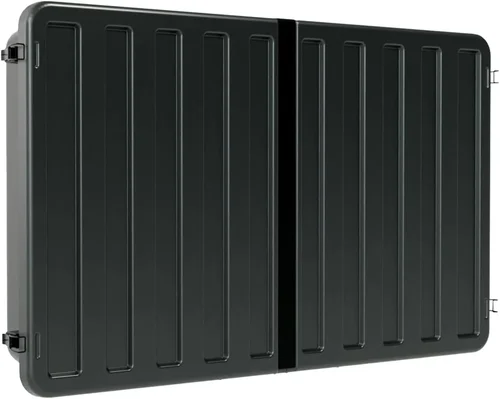
What to do instead: Always choose a TV specifically designed for outdoor use. If budget is a concern, consider a partial-shade model or an indoor TV in a certified outdoor enclosure.
❌ Mistake: Ignoring Brightness Specs
Why it’s bad: A dim screen will be nearly invisible in daylight, turning your outdoor TV into a decorative mirror. Many buyers focus on resolution or smart features but overlook nits, leading to disappointment.
What to do instead: Prioritize brightness based on your patio’s sun exposure. Use a light meter app to measure ambient light, and choose a TV with at least 700 nits for shaded areas and 1,000+ for full sun.
❌ Mistake: Overlooking Audio Needs
Why it’s bad: Built-in speakers on outdoor TVs are often underpowered. Without external audio, dialogue can be hard to hear over wind, traffic, or background noise.
What to do instead: Plan for a weatherproof sound system from day one. Even a compact soundbar can dramatically improve the experience.
❌ Mistake: Choosing the Wrong Size
Why it’s bad: A TV that’s too large can dominate a small patio, while one that’s too small forces viewers to squint. Poor sizing affects both aesthetics and usability.
What to do instead: Measure your space and seating distance. Use online screen size calculators and consider a 43–55 inch model for most small patios.
❌ Mistake: Skipping the Warranty Check
Why it’s bad: Outdoor TVs are expensive, and repairs can be costly. If the warranty doesn’t cover outdoor use, you could be on the hook for thousands in repairs.
What to do instead: Read the fine print. Ensure the warranty explicitly covers outdoor installation and includes both parts and labor.
❌ Mistake: Poor Mounting or Installation
Why it’s bad: Improper mounting can lead to water ingress, screen damage, or even the TV falling. DIY installations without proper tools or knowledge increase these risks.
What to do instead: Hire a professional installer or use a certified outdoor mounting kit. Ensure the mount is rated for the TV’s weight and weather conditions.
❌ Mistake: Not Planning for Power & Cables
Why it’s bad: Running extension cords across a patio is unsafe and unsightly. Without proper conduit or outdoor-rated wiring, you risk electrical hazards.
What to do instead: Plan your power source in advance. Use outdoor-rated extension cords or have an electrician install a weatherproof outlet near the TV.
Budget Guidelines: How Much Should You Spend?
- Entry-Level ($500 – $1,000): These are typically partial-shade models or indoor TVs in outdoor enclosures. Expect basic smart features, 500–700 nits brightness, and limited weather resistance. Best for covered patios with minimal sun exposure.
- Mid-Range ($1,000 – $2,500): The sweet spot for most homeowners. These TVs offer 700–1,500 nits, full weatherproofing (IP55+), and robust smart platforms. Ideal for small patios with partial to full sun.
- Premium ($2,500 – $5,000): High-end models with 1,500+ nits, OLED or QLED panels, advanced cooling, and premium audio. Perfect for enthusiasts who want cinema-quality outdoor viewing.
- Luxury ($5,000+): Top-tier commercial-grade displays with extreme durability, 24/7 operation, and custom installation options. Best for large venues or those who want the absolute best.

Expert Tips for Getting the Best Deal
- Buy during off-season: Prices drop in fall and winter when demand is lower. Look for holiday sales around Black Friday or end-of-year clearances.
- Shop at specialty retailers: Stores like Best Buy, Crutchfield, or Outdoor TV Direct often have better selection and expert advice than big-box stores.
- Check for bundle deals: Some retailers offer discounts when you buy a TV, mount, and soundbar together.
- Read return policies: Ensure you can return the TV if it doesn’t perform as expected in your specific environment.
- Test brightness in person: If possible, visit a showroom to see how the TV performs under bright lighting.
- Consider refurbished models: Certified pre-owned outdoor TVs can save you 20–30% and often come with the same warranty.
- Negotiate installation: Some retailers offer free or discounted installation with purchase—don’t hesitate to ask.

Frequently Asked Questions
Q: Can I use a regular TV outside if it’s under a covered patio?
A: It’s not recommended. Even under cover, humidity, temperature swings, and dust can damage internal components. A partial-shade outdoor TV or indoor TV in a certified enclosure is a safer choice.
Q: Do outdoor TVs need to be plugged in all the time?
A: Yes, most outdoor TVs require constant power. However, some portable models run on batteries or solar power for temporary use.
Q: How do I clean an outdoor TV screen?
A: Use a microfiber cloth and a mild cleaning solution designed for electronics. Avoid ammonia-based cleaners, which can damage anti-glare coatings.
Q: Can I mount an outdoor TV on a brick or stone wall?
A: Yes, but you’ll need masonry anchors and a drill designed for hard surfaces. Consider hiring a professional for safe installation.
Q: Will an outdoor TV work in the rain?
A: Yes, as long as it has a proper IP rating and is installed correctly. However, avoid spraying water directly on the screen or ports.
Q: Do outdoor TVs come with remotes?
A: Most do, but some high-end models use smartphone apps or voice control. Check the included accessories before buying.
Q: Can I use streaming services on an outdoor TV?
A: Absolutely. Most outdoor TVs run full smart platforms like Android TV or Roku, giving you access to all major streaming apps.
Q: How long do outdoor TVs last?
A: With proper care, 7–10 years is typical. Higher-end models with better components may last even longer.
Q: Is it worth upgrading from a 1080p to a 4K outdoor TV?
A: Yes, especially if you’re watching 4K content. The increased detail and clarity are noticeable, even on smaller screens.
Our Final Recommendations
- Best for Budget-Conscious Buyers: SunBriteTV Veranda Series – Excellent value with 700 nits, IP55 rating, and full smart features under $1,500.
- Best Overall Value: Samsung The Terrace – 1,500 nits, QLED display, and robust weatherproofing for around $2,200.
- Best Premium Option: Seura Shade – 2,000 nits, OLED panel, and built-in heater for extreme climates. Priced around $4,500.
- Best for Beginners: LG Outdoor Smart TV – User-friendly webOS, 1,000 nits, and reliable performance for first-time buyers.
- Best for Advanced Users: Peerless-AV Xtreme – Commercial-grade durability, 2,500 nits, and modular design for custom installations.
Conclusion: Making the Right Choice
Choosing the right outdoor TV for your small patio is about more than just picture quality—it’s about creating a space where you can relax, entertain, and enjoy the outdoors without compromise. By focusing on weather resistance, brightness, build quality, and smart features, you can find a TV that not only survives the elements but enhances your lifestyle.
Remember, the best TV is the one that fits your space, budget, and viewing habits. Don’t rush the decision. Take time to compare models, read reviews, and consider your long-term needs. And when in doubt, consult with a professional installer who understands outdoor electronics.
With the right setup, your small patio can become the heart of your home—a place where memories are made, games are watched, and quiet evenings under the stars become the norm. So go ahead, invest wisely, and enjoy your outdoor oasis to the fullest.

