
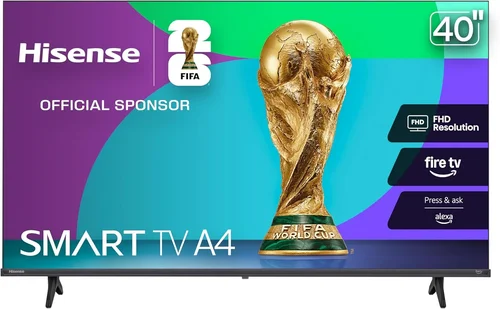
Outdoor living spaces have evolved far beyond simple patios and decks—today’s screened porches are fully functional extensions of the home, complete with seating areas, grills, lighting, and yes, even televisions. Whether you’re hosting a backyard movie night, catching the big game while grilling, or simply unwinding with your favorite show under the stars, an outdoor TV can transform your screened porch into a true entertainment hub. But unlike indoor TVs, outdoor models face unique challenges: glare from sunlight, temperature fluctuations, humidity, and dust. That’s why choosing the right outdoor TV isn’t just about screen size or resolution—it’s about durability, visibility, and smart engineering designed specifically for exterior environments.
This comprehensive buying guide is here to help you navigate the often-confusing world of outdoor televisions in 2026. We’ll walk you through every critical factor—from brightness and weather resistance to smart features and installation considerations—so you can make a confident, informed decision. Whether you’re a first-time buyer or upgrading from an older model, this guide covers everything you need to know to find the perfect TV for your screened porch. You’ll learn how to balance performance with budget, avoid common pitfalls, and ultimately select a television that delivers stunning picture quality year-round, rain or shine. The market has grown significantly in recent years, with more brands offering dedicated outdoor models, but not all are created equal. Our goal is to cut through the marketing noise and give you expert-backed insights that prioritize real-world usability over flashy specs.

What to Look for When Buying an Outdoor TV
1. Brightness & Anti-Glare Performance
One of the most critical factors for any outdoor TV is brightness—specifically, its ability to combat glare from direct or indirect sunlight. Indoor TVs typically operate at around 300–500 nits (a unit of luminance), which is perfectly fine in a dimly lit living room but completely inadequate outdoors. On a screened porch, even with partial shade, ambient light can easily wash out an underpowered display. For true outdoor visibility, you’ll want a TV with a minimum brightness of 700 nits, but ideally 1,000 nits or higher. Some premium outdoor models now reach up to 2,500 nits, making them readable even in full sun.
Beyond raw brightness, anti-glare technology matters just as much. Look for TVs with matte or anti-reflective coatings on the screen surface. These coatings diffuse incoming light rather than reflecting it directly into your eyes, significantly improving visibility. Additionally, some manufacturers use optical bonding—a process where the LCD panel is directly bonded to the protective glass layer—to reduce internal reflections and enhance contrast in bright conditions. Without this feature, you may notice a “hazy” or washed-out image when viewing from an angle or in daylight.
Another often-overlooked aspect is local dimming. While not all outdoor TVs include advanced local dimming zones (due to thermal and cost constraints), those that do offer dramatically better black levels and contrast, especially during evening viewing. This is particularly important if you plan to use your TV after sunset or in low-light conditions. In short, don’t just focus on resolution—prioritize brightness and glare resistance first, as these directly impact whether you’ll actually be able to see what’s on screen.
2. Weather Resistance & IP Rating
Since your TV will be installed in a screened porch—a semi-outdoor space exposed to humidity, temperature swings, and occasional moisture—it must be built to withstand the elements. Unlike indoor TVs, outdoor models are engineered with sealed enclosures, corrosion-resistant materials, and specialized ventilation systems to prevent internal condensation and component degradation.
The key metric here is the Ingress Protection (IP) rating, which indicates how well the TV resists dust and water. For screened porches, an IP55 or higher rating is recommended. IP55 means the TV is protected against dust ingress (limited to no harmful deposits) and low-pressure water jets from any direction—perfect for environments where rain might blow in during storms or sprinklers are nearby. Some high-end models boast IP65 or even IP66 ratings, offering near-total protection against dust and powerful water jets, making them suitable for fully exposed patios.
Beyond the IP rating, examine the TV’s internal design. Quality outdoor TVs use fanless cooling systems or passive heat dissipation to avoid drawing in moist air, which can lead to corrosion over time. They also feature stainless steel screws, aluminum chassis, and conformal-coated circuit boards to resist rust and oxidation. Avoid models that rely on open vents or mesh grilles unless explicitly rated for outdoor use—these can trap moisture and shorten the TV’s lifespan.
Temperature tolerance is another crucial consideration. Most outdoor TVs are rated to operate between -22°F to 122°F (-30°C to 50°C), which covers nearly all North American climates. However, if you live in an area with extreme winters or scorching summers, verify the operating range before purchasing. Some manufacturers also offer optional heater kits for sub-zero environments, which activate automatically to prevent screen damage.
3. Screen Size & Viewing Distance
Choosing the right screen size for your screened porch depends on two main factors: viewing distance and available wall space. Unlike indoor setups where you might sit 6–8 feet from a 55-inch TV, outdoor viewing often involves greater distances due to larger seating areas or open layouts. A good rule of thumb is to multiply your viewing distance (in inches) by 0.84 to estimate the ideal screen diagonal. For example, if you’ll be sitting 10 feet (120 inches) away, aim for a TV around 100 inches—though this may be impractical for most porches.
In reality, most screened porches accommodate TVs between 43 and 65 inches. A 55-inch model is often the sweet spot, offering immersive viewing without overwhelming the space. If your porch is smaller or closer to the seating area, a 43- or 50-inch TV may suffice. Conversely, if you have a large covered deck or outdoor theater setup, consider a 65- or 75-inch model—but ensure your mounting structure and power supply can support it.
Also consider aspect ratio and bezel design. Modern outdoor TVs typically use slim bezels to maximize screen real estate, but some ruggedized models have thicker frames for added durability. Measure your intended installation area carefully, including clearance for ventilation and cable management. Remember: outdoor TVs are generally heavier than indoor equivalents due to reinforced casings, so verify that your wall or stand can support the weight.
4. Display Technology: LED vs. OLED vs. QLED
Not all display technologies are equally suited for outdoor use. Understanding the differences can save you from disappointment down the line.
LED/LCD remains the most common and practical choice for outdoor TVs. These panels are bright, energy-efficient, and cost-effective. High-end LED models often incorporate quantum dot technology (QLED), which enhances color accuracy and brightness without sacrificing longevity. QLED is particularly well-suited for sunny environments because it maintains vivid colors even at high luminance levels.
OLED, while offering superior contrast and deep blacks, is generally not recommended for outdoor or semi-outdoor installations. OLED panels are more susceptible to image retention (burn-in) and degrade faster under constant high brightness—conditions common on a screened porch. Additionally, most OLED TVs lack the necessary brightness (rarely exceeding 800 nits) and weatherproofing for reliable outdoor performance. While a few manufacturers have experimented with outdoor OLED prototypes, they remain niche and prohibitively expensive.
For 2026, mini-LED backlighting is emerging as a compelling middle ground. These TVs use thousands of tiny LEDs to provide precise local dimming, resulting in better contrast than standard LED while maintaining high brightness. If budget allows, a mini-LED outdoor TV can deliver near-OLED black levels with the durability and luminance needed for exterior viewing.
5. Smart Features & Connectivity
Just because your TV is outdoors doesn’t mean it should lack modern conveniences. Most outdoor TVs in 2026 come equipped with built-in smart platforms like Google TV, webOS, or Roku TV, allowing you to stream content directly without external devices. This is especially useful if your porch lacks easy access to HDMI ports or streaming boxes.
Look for models with Wi-Fi 6 or Wi-Fi 6E support for faster, more reliable streaming, particularly if multiple devices will be connected to your home network. Bluetooth 5.2 or higher enables wireless audio pairing with outdoor speakers or headphones—ideal for private listening without disturbing others.
Connectivity options are equally important. Ensure the TV includes:
– At least 3–4 HDMI 2.1 ports (for gaming consoles, soundbars, or streaming devices)
– USB ports for media playback or firmware updates
– Optical audio out or HDMI ARC/eARC for connecting to external sound systems
– Ethernet port for wired internet (more stable than Wi-Fi in some outdoor setups)
Some premium models even offer weatherproof external input boxes that mount separately from the TV, keeping cables protected from the elements. This modular approach simplifies maintenance and reduces wear on the TV’s internal connectors.
6. Audio Quality & Sound Solutions
Outdoor acoustics are inherently challenging—sound dissipates quickly in open or semi-open spaces, and background noise from wind, birds, or traffic can drown out dialogue. Most outdoor TVs include built-in speakers, but they’re often underpowered and lack bass response. Don’t rely solely on the TV’s audio unless you’re only watching casual content at close range.
For a truly enjoyable experience, plan to pair your outdoor TV with a dedicated outdoor sound system. Options include:
– Weather-resistant soundbars (e.g., models from Sonos, Bose, or Polk Audio)
– Outdoor speaker pairs mounted on posts or walls
– Wireless multi-room systems that sync with your indoor audio
If you prefer simplicity, look for TVs with high-wattage built-in speakers (20W or more per channel) and support for DTS:X or Dolby Atmos decoding—even if you’re using external speakers, these formats enhance spatial audio cues.
7. Installation & Mounting Requirements
Proper installation is just as important as the TV itself. Outdoor TVs require heavy-duty, weatherproof mounts that can withstand wind, vibration, and temperature changes. Standard indoor mounts are not suitable—they lack corrosion resistance and may loosen over time.
Choose between:
– Fixed mounts: Simple and secure, ideal for permanent installations
– Tilting mounts: Allow slight angle adjustment to reduce glare
– Full-motion/articulating mounts: Enable swiveling and extending—great for multi-angle viewing but require stronger support
Ensure your mounting surface (wall, ceiling, or post) is structurally sound. Concrete, brick, or reinforced wood studs are best. Avoid drywall or thin siding. Many manufacturers sell proprietary outdoor mounting kits designed specifically for their TVs—these often include sealing gaskets and stainless hardware.
Cable management is another key consideration. Use conduit or waterproof raceways to protect power and signal cables from moisture and UV exposure. Consider hiring a licensed electrician to run dedicated outdoor-rated wiring if your TV requires hardwiring.
8. Brand Reputation & Warranty Coverage
Not all outdoor TV brands are created equal. Stick with manufacturers known for reliability and customer support. Established players like SunBriteTV (by Sylvane), Seura, and Samsung’s Terrace series have years of experience engineering for exterior use. Emerging brands may offer lower prices, but often cut corners on materials or service.
Warranty terms vary widely. Premium outdoor TVs typically come with 3–5 year comprehensive warranties that cover both parts and labor, including damage from environmental factors. Cheaper alternatives may offer only 1-year coverage and exclude weather-related issues. Always read the fine print: some warranties require professional installation or registration within 30 days of purchase.
Customer support responsiveness is equally important. Look for brands with dedicated outdoor product support lines and readily available replacement parts. Online forums and user communities can provide real-world insights into long-term reliability.
Different Types of Outdoor TVs

Common Buying Mistakes to Avoid
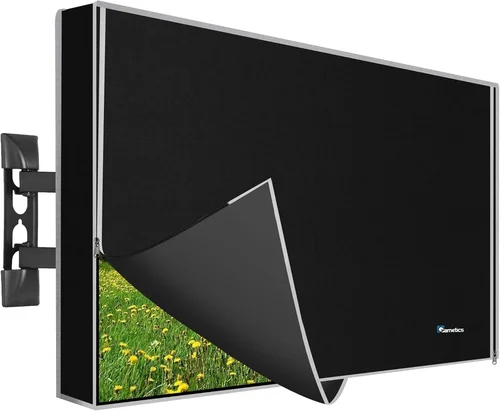
❌ Mistake: Buying an Indoor TV for Outdoor Use
Why it’s bad: Indoor TVs lack weatherproofing, have insufficient brightness, and are not built to handle temperature extremes. Using one outdoors voids the warranty and risks electrical hazards or premature failure.
What to do instead: Invest in a purpose-built outdoor TV or use a certified outdoor enclosure if budget is tight. Never assume “it’s just under a roof” means it’s safe.
❌ Mistake: Ignoring Viewing Angle and Glare
Why it’s bad: Even with high brightness, poor viewing angles or reflective screens can make content unwatchable from side seats or in direct light.
What to do instead: Choose TVs with wide viewing angles (178° horizontal/vertical) and anti-glare coatings. Position the TV perpendicular to primary seating and avoid windows or light-colored walls behind it.
❌ Mistake: Overlooking Audio Needs
Why it’s bad: Built-in speakers on outdoor TVs are often weak and muffled. Relying on them leads to frustrating viewing experiences, especially during action scenes or dialogue-heavy shows.
What to do instead: Plan your audio setup from day one. Pair your TV with weather-resistant speakers or a soundbar designed for outdoor use.
❌ Mistake: Skimping on Mounting Hardware
Why it’s bad: Cheap mounts corrode, loosen, or fail under wind load, potentially causing the TV to fall and creating safety hazards.
What to do instead: Use manufacturer-recommended or UL-listed outdoor mounts with stainless steel hardware. Have installation done by a professional if unsure.
❌ Mistake: Not Checking Local Climate Compatibility
Why it’s bad: A TV rated for mild climates may malfunction in areas with heavy rain, snow, or high humidity.
What to do instead: Verify the TV’s operating temperature range and IP rating match your local conditions. Consider add-ons like heater kits for cold regions.
❌ Mistake: Assuming All “Outdoor” TVs Are Equal
Why it’s bad: Some brands market indoor TVs as “outdoor-ready” with minimal modifications, offering false confidence.
What to do instead: Research thoroughly. Look for third-party certifications, user reviews, and detailed spec sheets. Stick to reputable outdoor specialists.
Budget Guidelines: How Much Should You Spend?
Why it’s bad: Cheap mounts corrode, loosen, or fail under wind load, potentially causing the TV to fall and creating safety hazards.
What to do instead: Use manufacturer-recommended or UL-listed outdoor mounts with stainless steel hardware. Have installation done by a professional if unsure.
❌ Mistake: Not Checking Local Climate Compatibility
Why it’s bad: A TV rated for mild climates may malfunction in areas with heavy rain, snow, or high humidity.
What to do instead: Verify the TV’s operating temperature range and IP rating match your local conditions. Consider add-ons like heater kits for cold regions.
❌ Mistake: Assuming All “Outdoor” TVs Are Equal
Why it’s bad: Some brands market indoor TVs as “outdoor-ready” with minimal modifications, offering false confidence.
What to do instead: Research thoroughly. Look for third-party certifications, user reviews, and detailed spec sheets. Stick to reputable outdoor specialists.
Budget Guidelines: How Much Should You Spend?
Why it’s bad: Some brands market indoor TVs as “outdoor-ready” with minimal modifications, offering false confidence.
What to do instead: Research thoroughly. Look for third-party certifications, user reviews, and detailed spec sheets. Stick to reputable outdoor specialists.
Budget Guidelines: How Much Should You Spend?
– Entry-Level ($800–$1,500): Best for small covered porches with minimal sun exposure. Typically includes basic LED panels with 700–1,000 nits brightness, IP54 rating, and limited smart features. Expect shorter warranties (1–2 years) and fewer connectivity options. Ideal for casual viewers who prioritize affordability over premium performance.
– Mid-Range ($1,500–$3,000): The sweet spot for most screened porch owners. These TVs offer 1,000–1,500 nits brightness, IP55 rating, robust smart platforms, and better audio. Brands like SunBriteTV Veranda series or Samsung Terrace (mid-tier) fall here. Expect 3-year warranties and reliable year-round performance.
– Premium ($3,000–$5,000): For enthusiasts who demand top-tier picture quality and durability. Features include mini-LED backlighting, 1,500–2,500 nits brightness, IP65 rating, advanced local dimming, and commercial-grade components. Perfect for large porches, frequent entertaining, or high-end home automation integration.
– Luxury ($5,000+): Reserved for fully exposed installations or commercial use. These are built like tanks—think Seura Luxury Series or custom commercial displays. They offer 24/7 operation capability, extreme weather resistance, and modular designs. Only necessary if you’re building an outdoor theater or live in a harsh climate.
Expert Tips for Getting the Best Deal
– Buy during off-seasons: Prices drop significantly in late fall and winter (November–February) when demand for outdoor electronics declines. Retailers often clear inventory before spring.
– Shop authorized dealers: Avoid third-party sellers on marketplaces. Authorized dealers offer valid warranties, professional support, and sometimes free installation consultations.
– Bundle with accessories: Many brands offer discounts when you purchase a TV with a mount, soundbar, or heater kit. Compare total bundle pricing vs. buying separately.
– Check for rebates: Some utility companies offer energy-efficiency rebates for outdoor electronics. Additionally, manufacturers occasionally run seasonal promotions.
– Read return policies carefully: Outdoor TVs are often non-returnable once installed due to customization. Ensure you have a trial period or demo option.
– Test before committing: If possible, visit a showroom or ask for a loaner unit. Brightness and glare performance are hard to judge from specs alone.
– Consider refurbished models: Certified refurbished outdoor TVs from reputable sellers can save 20–30% with full warranty coverage.
– Plan for long-term costs: Factor in electricity usage (outdoor TVs consume more power due to high brightness), potential repairs, and accessory upgrades.

Frequently Asked Questions
Q: Can I use a regular TV on my screened porch?
A: Technically yes, but it’s not recommended. Indoor TVs lack weatherproofing, adequate brightness, and thermal management for outdoor conditions. Moisture, temperature swings, and glare will likely cause premature failure or poor performance. If you must, use a certified outdoor enclosure—but expect added cost and reduced airflow.
Q: Do outdoor TVs need special power outlets?
A: Most outdoor TVs use standard 120V outlets, but they draw more power than indoor models due to higher brightness. Ensure your circuit can handle the load, especially if running other devices (lights, speakers). For safety, use a GFCI outlet rated for outdoor use.
Q: How do I clean an outdoor TV screen?
A: Use a microfiber cloth slightly dampened with water or a screen-safe cleaner. Never spray liquid directly on the screen. Avoid ammonia-based cleaners, which can damage anti-reflective coatings. Clean gently to prevent scratching.
Q: Will an outdoor TV work in the rain?
A: Only if it has an appropriate IP rating (IP55 or higher). Screened porches are generally protected, but if rain blows in, a properly rated TV should withstand it. Never operate the TV during electrical storms.
Q: Can I mount an outdoor TV on a ceiling?
A: Yes, but only with a ceiling-specific outdoor mount designed for the TV’s weight and dimensions. Ensure the ceiling structure (e.g., rafters) can support the load. Avoid mounting over seating areas without safety cables.
Q: Do outdoor TVs come with remotes?
A: Yes, but many include weather-resistant remotes with rubberized buttons and longer-range IR or RF signals. Some support voice control via Google Assistant or Alexa.
Q: How long do outdoor TVs last?
A: With proper care, a quality outdoor TV can last 7–10 years or more. Cheaper models may degrade in 3–5 years due to component wear or corrosion. Regular maintenance (cleaning, checking seals) extends lifespan.
Q: Are outdoor TVs worth the extra cost?
A: Absolutely—if you value reliability, visibility, and peace of mind. The upfront investment pays off in consistent performance, safety, and longevity. Trying to cut corners often leads to frustration and higher long-term costs.
Our Final Recommendations
– Best for Budget-Conscious Buyers: SunBriteTV Veranda Series (55″) – Excellent balance of price, brightness (1,000 nits), and IP55 rating. Great for covered porches with partial sun exposure.
– Best Overall Value: Samsung The Terrace Partial Sun (65″) – Premium QLED display, 1,500 nits brightness, robust smart features, and sleek design. Ideal for most screened porch setups.
– Best Premium Option: Seura Luxury Series (65″) – Mini-LED backlighting, 2,000+ nits, IP65 rating, and commercial-grade build. Perfect for luxury outdoor entertainment.
– Best for Beginners: SunBriteTV Pro 2 Series (50″) – Simple setup, reliable performance, and strong customer support. Great entry point for first-time outdoor TV owners.
– Best for Advanced Users: Peerless-AV Xtreme Outdoor Display (75″) – Modular design, customizable inputs, and 24/7 operation capability. Suited for tech-savvy users building a full outdoor AV system.
Conclusion: Making the Right Choice
Choosing an outdoor TV for your screened porch is about more than just picking the biggest or brightest screen—it’s about finding a device engineered to thrive in your specific environment. From combating glare and resisting moisture to delivering crisp audio and seamless smart functionality, every detail matters. By prioritizing brightness, weather resistance, proper mounting, and reputable brands, you’ll ensure years of enjoyable outdoor entertainment.
Remember, your screened porch is an extension of your home—a place for relaxation, connection, and celebration. Don’t settle for a compromised viewing experience. Use this guide to evaluate your needs, compare options honestly, and invest wisely. Whether you’re watching a sunset drama or the championship finale, the right outdoor TV will make every moment feel larger than life.
Take your time, do your research, and when you’re ready, choose the TV that matches your lifestyle, budget, and vision. Your perfect outdoor entertainment setup is within reach—just one informed decision away.

