
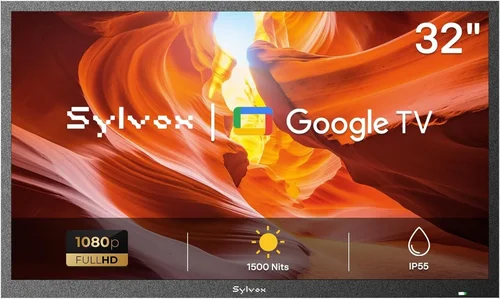
Outdoor living spaces have evolved far beyond simple patios and decks—they’re now fully integrated entertainment zones, complete with grills, sound systems, lighting, and yes, even televisions. Whether you’re hosting summer barbecues, watching the big game under the stars, or enjoying a quiet evening movie with family, an outdoor TV can transform your deck into a true extension of your home theater experience. But unlike indoor TVs, outdoor models face unique challenges: intense sunlight, humidity, temperature swings, dust, and even pests. That’s why choosing the right outdoor television isn’t just about picture quality—it’s about durability, performance in harsh conditions, and long-term reliability.
This comprehensive buying guide is designed to help you navigate the often-confusing world of outdoor TVs in 2026. We’ll walk you through every critical factor—from weather resistance and brightness to smart features and installation considerations—so you can make a confident, informed decision. Whether you’re a first-time buyer or upgrading from an older model, this guide covers everything you need to know to pick the perfect outdoor television for your deck setup. By the end, you’ll understand not only what to look for but also how to avoid common pitfalls, maximize your budget, and ensure your investment lasts for years of outdoor enjoyment.
The market for outdoor TVs has grown significantly in recent years, driven by increased demand for outdoor living and advancements in display technology. Major brands like Samsung, LG, Sony, and specialized manufacturers such as SunBriteTV and Seura now offer a range of models tailored specifically for exterior use. These aren’t just regular TVs shoved into weatherproof boxes—they’re engineered from the ground up to perform reliably in environments where standard electronics would quickly fail. With options ranging from budget-friendly partial-outdoor models to premium all-weather 4K HDR displays, there’s never been a better time to invest in an outdoor TV. Let’s dive into the key factors that will guide your purchase.

What to Look for When Buying Buying Guide
1. Weather Resistance & IP Rating
When it comes to outdoor electronics, weather resistance isn’t optional—it’s essential. Unlike indoor TVs, outdoor models must withstand rain, snow, dust, extreme temperatures, and UV exposure without compromising performance or safety. The first thing to check is the TV’s Ingress Protection (IP) rating, which indicates how well the device resists solid particles (like dust) and liquids (like rain). For outdoor use, look for a minimum IP55 rating, but ideally aim for IP65 or higher. An IP65-rated TV is dust-tight and protected against water jets from any direction, making it suitable for most deck environments, including those exposed to direct rainfall.
Beyond the IP rating, consider the TV’s operating temperature range. Most quality outdoor TVs can function reliably between -22°F and 122°F (-30°C to 50°C), which covers nearly all climate zones in the U.S. and beyond. Cheaper models may claim outdoor compatibility but fail in extreme cold or heat, leading to screen flickering, shutdowns, or permanent damage. Also, ensure the TV uses sealed components and corrosion-resistant materials—especially in coastal areas where salt air accelerates wear. Don’t forget about ventilation: some outdoor TVs include built-in cooling fans or passive heat dissipation systems to prevent overheating during summer months.
2. Display Brightness & Anti-Glare Technology
One of the biggest challenges with outdoor TVs is visibility in bright daylight. Even the best 4K picture looks washed out if the screen isn’t bright enough to compete with ambient light. Standard indoor TVs typically peak at 300–500 nits of brightness—fine for a dim living room but useless on a sunny deck. Outdoor TVs, by contrast, start at around 700 nits and can go as high as 2,500 nits or more. For optimal daytime viewing, aim for at least 1,000 nits, especially if your deck gets direct sunlight for several hours a day.
Brightness alone isn’t enough—you also need effective anti-glare treatment. Look for TVs with optically bonded glass or matte-finish screens that diffuse reflections rather than reflecting them like a mirror. Some premium models use advanced optical filters that enhance contrast and color accuracy while minimizing glare. Additionally, consider the TV’s viewing angle. Wide-angle panels (like IPS or VA with enhanced viewing tech) ensure that colors and brightness remain consistent even when viewers are seated off-center—a common scenario on outdoor seating arrangements.
Another often-overlooked factor is backlight uniformity. In bright conditions, uneven backlighting becomes more noticeable, creating dark spots or clouding. High-end outdoor TVs use full-array local dimming (FALD) or mini-LED backlights to maintain consistent illumination across the entire screen. This not only improves picture quality but also ensures that no matter where you’re sitting, the image remains clear and vibrant.
3. Build Quality & Durability
An outdoor TV is a long-term investment, so build quality matters just as much as specs. Start by examining the materials used in the chassis and bezel. Aluminum or powder-coated steel frames resist rust and corrosion far better than plastic, which can become brittle and crack over time when exposed to UV rays and temperature changes. The screen itself should be made of toughened glass—ideally with scratch-resistant coating—to withstand accidental bumps, falling debris, or even curious pets.
Internal components are equally important. Look for TVs with sealed circuit boards, conformal-coated PCBs (which protect against moisture and dust), and robust power supplies designed for fluctuating voltages. Some manufacturers go the extra mile by using marine-grade components or testing their units in simulated extreme environments. Also, check the mounting system. A sturdy, VESA-compatible mount with corrosion-resistant hardware is crucial—especially if you’re installing the TV on a wall or ceiling where vibrations from wind or nearby activity could loosen fittings over time.
Don’t overlook cable management. Outdoor TVs should include sealed input compartments or conduit-ready designs that keep HDMI, power, and antenna cables protected from the elements. Exposed ports are a common failure point, so ensure all connections are either internally routed or housed in weatherproof enclosures.
4. Performance Specifications
While durability is paramount, you still want a TV that delivers a great viewing experience. In 2026, most outdoor TVs offer 4K UHD resolution as standard, with many supporting HDR10, HLG, or Dolby Vision for enhanced contrast and color depth. However, not all HDR is created equal—look for TVs with high peak brightness and wide color gamut coverage (ideally 90% or more of DCI-P3) to take full advantage of HDR content.
Refresh rate is another key spec, especially if you plan to watch sports or fast-action movies. A 120Hz panel with motion interpolation provides smoother motion and reduces blur during rapid scenes. For gamers, HDMI 2.1 support with Variable Refresh Rate (VRR) and Auto Low Latency Mode (ALLM) can make a big difference, though true outdoor gaming setups remain niche.
Audio performance is often overlooked but critically important outdoors, where ambient noise (wind, traffic, birds) can drown out dialogue. Many outdoor TVs include built-in speakers with 20W or higher output, but for serious entertainment, consider pairing your TV with a weather-resistant soundbar or outdoor speaker system. Some models even feature audio passthrough or optical outputs for easy integration with external audio setups.
5. Smart Features & Connectivity
Most modern outdoor TVs come with smart platforms like Google TV, webOS, or Tizen, giving you access to streaming apps like Netflix, Disney+, YouTube, and more. This eliminates the need for external devices like Roku sticks or Apple TV boxes—though having HDMI ports for such devices is still useful for flexibility. Ensure the TV supports Wi-Fi 6 or at least dual-band Wi-Fi for stable streaming, especially if your deck is far from your router.
Connectivity options should include multiple HDMI 2.0 or 2.1 ports, USB inputs for media playback, and possibly Ethernet for wired internet. Some premium models offer built-in ATSC 3.0 tuners for over-the-air 4K broadcasts, which is great if you rely on local channels. Voice control via Google Assistant or Alexa is also common and convenient for hands-free operation.
One emerging trend in 2026 is integration with smart home ecosystems. Look for TVs that work seamlessly with platforms like Apple HomeKit, Samsung SmartThings, or Amazon Alexa, allowing you to control lighting, temperature, or security cameras directly from your TV interface.
6. Size & Viewing Distance
Choosing the right screen size depends on your deck layout and typical seating arrangement. As a rule of thumb, multiply your viewing distance (in inches) by 0.84 to get the ideal diagonal screen size. For example, if viewers sit 8 feet (96 inches) away, a 70–80 inch TV is optimal. On smaller decks, a 55-inch model may be sufficient, while larger entertaining spaces might benefit from 85-inch or even 98-inch displays.
Keep in mind that larger screens require more power and generate more heat, so ensure your chosen model has adequate thermal management. Also, consider the physical dimensions—not just the screen size but the overall footprint including bezels and mounting hardware. A bulky TV might overwhelm a compact deck or block sightlines to your garden or pool.
Portability is rarely a concern for fixed installations, but if you plan to move the TV between locations (e.g., from deck to patio), look for lighter models with handles or optional rolling stands. However, true all-weather TVs tend to be heavier due to reinforced construction, so factor in installation logistics.
7. Brand Reputation & Ecosystem Compatibility
Not all outdoor TV brands are created equal. Established names like Samsung, LG, and Sony bring decades of display expertise and reliable customer support. Specialized brands like SunBriteTV (now part of SkyVue) and Seura focus exclusively on outdoor displays and often lead in weatherproofing innovation. Reading professional reviews and user feedback can reveal hidden strengths or weaknesses—such as inconsistent firmware updates or poor service networks.
Consider ecosystem compatibility if you already own smart home devices or streaming hardware. For instance, Samsung’s The Terrace integrates smoothly with other Samsung appliances and SmartThings devices, while LG’s outdoor models work well with webOS-compatible soundbars and remotes. Ecosystem cohesion simplifies setup and daily use.
Also, check whether the brand offers dedicated outdoor accessories—like matching mounts, covers, or soundbars—which can enhance both functionality and aesthetics.
8. Warranty & Support
A robust warranty is your safety net against manufacturing defects or premature failure. Most reputable outdoor TV manufacturers offer 2–3 years of coverage, with some extending to 5 years for commercial-grade models. Pay attention to what’s covered: does the warranty include labor for on-site repairs? Is accidental damage protected? Are software issues addressed?
Customer support quality varies widely. Look for brands with responsive service teams, accessible technical documentation, and local repair centers. Some companies even offer proactive monitoring or remote diagnostics for premium models. Avoid brands with vague warranty terms or those that require you to ship the entire unit back for minor issues—this can leave you without a TV for weeks.
Finally, consider extended warranty options or homeowner’s insurance riders that cover outdoor electronics. Given the investment involved, a little extra protection can provide peace of mind.
Different Types of Buying Guide

Common Buying Mistakes to Avoid
❌ Mistake: Buying a Regular Indoor TV for Outdoor Use
Why it’s bad: Indoor TVs lack weatherproofing, have low brightness, and aren’t built to handle temperature extremes. Using one outdoors—even under cover—risks electrical shorts, screen damage, and fire hazards due to moisture ingress or overheating.
What to do instead: Always choose a TV specifically designed for outdoor use. If budget is tight, opt for a partial outdoor model or a quality enclosure, but never expose a standard TV to the elements.
❌ Mistake: Ignoring Sunlight Exposure When Choosing Brightness
Why it’s bad: A TV with only 500 nits will be virtually unwatchable on a sunny deck, no matter how good its resolution or color accuracy. You’ll end up squinting or only using it at night, defeating the purpose of outdoor entertainment.
What to do instead: Assess your deck’s sun exposure throughout the day. For south- or west-facing decks with direct sunlight, prioritize TVs with 1,500+ nits and anti-glare screens.
❌ Mistake: Overlooking Installation Requirements
Why it’s bad: Outdoor TVs often require specialized mounting hardware, weatherproof conduits for cables, and sometimes professional installation. Attempting a DIY install without proper knowledge can lead to unsafe mounting, water leaks, or voided warranties.
What to do instead: Consult with a certified installer or electrician before purchasing. Factor in installation costs (typically $200–$800) when budgeting.
❌ Mistake: Choosing Based Solely on Price
Why it’s bad: The cheapest outdoor TV may save you money upfront but could fail within a year due to poor build quality or inadequate weather sealing, costing more in replacements and frustration.
What to do instead: Focus on value—not just price. A mid-range TV with solid reviews, good warranty, and proven durability often offers better long-term ROI than a bargain model.
❌ Mistake: Neglecting Audio Needs
Why it’s bad: Built-in TV speakers are rarely loud or clear enough for outdoor environments. Relying on them results in muffled dialogue and weak sound, especially with background noise.
What to do instead: Plan for outdoor audio from day one. Invest in weather-resistant speakers or a soundbar, and ensure your TV has the necessary audio outputs.
❌ Mistake: Not Checking Return & Warranty Policies
Why it’s bad: Outdoor TVs are expensive, and if something goes wrong, a restrictive return window or limited warranty can leave you stuck with a defective unit.
What to do instead: Read the fine print. Choose retailers with at least 30-day return windows and manufacturers offering comprehensive coverage. Consider third-party extended warranties for added protection.
❌ Mistake: Forgetting About Future-Proofing
Why it’s bad: Buying a TV without HDMI 2.1, Wi-Fi 6, or smart platform support may limit your ability to use new devices or streaming services in the coming years.
What to do instead: Opt for a TV with modern connectivity and software that receives regular updates. This ensures compatibility with emerging tech and extends the TV’s usable lifespan.
Budget Guidelines: How Much Should You Spend?
Entry-Level ($1,000 – $2,500): This tier includes partial outdoor TVs like Samsung’s The Terrace Partial Outdoor series or basic enclosures for indoor TVs. These are ideal for covered patios with minimal exposure. Expect 4K resolution, decent smart features, and moderate brightness (500–800 nits). Build quality is adequate but not rugged—avoid using these in fully exposed areas.
Mid-Range ($2,500 – $5,000): The sweet spot for most homeowners. Models like SunBriteTV Veranda Series or LG’s outdoor-ready OLEDs offer full weatherproofing, 1,000+ nits brightness, excellent color accuracy, and robust smart platforms. These TVs balance performance, durability, and price, making them perfect for decks with partial or full exposure.
Premium ($5,000 – $10,000): Designed for enthusiasts and those who want the best. Expect flagship features like 2,000+ nits brightness, Dolby Vision HDR, mini-LED backlighting, and commercial-grade components. Brands like Seura and SkyVue dominate here, offering sleek designs, whisper-quiet operation, and advanced thermal management.
Luxury ($10,000+): Reserved for large estates, luxury resorts, or tech aficionados. These include massive 85–98 inch all-weather displays with 24/7 operation capability, integrated smart home control, and bespoke installation services. While overkill for most, they deliver unmatched reliability and visual impact.
Expert Tips for Getting the Best Deal
- Shop During Off-Seasons: Prices on outdoor TVs drop in late fall and winter (October–February) when demand is lowest. Retailers often clear inventory before spring launches.
- Compare Retailers: Check specialty outdoor electronics stores (like Outdoor TV Direct or Seura’s site), big-box retailers (Best Buy, Costco), and Amazon. Sometimes local AV integrators offer bundle deals with installation.
- Look for Floor Models or Open-Box Deals: Many stores discount display units by 10–20%. These are typically in perfect condition and still under warranty.
- Negotiate Installation Bundles: If hiring a pro, ask if they’ll discount labor when you buy the TV through them. Some offer free mounting with purchase.
- Check Manufacturer Rebates: Brands like Samsung and LG occasionally run rebate programs, especially during holidays or product launches.
- Read Return Policies Carefully: Ensure you can return the TV if it doesn’t perform as expected in your specific environment. Some retailers charge restocking fees for large items.
- Test Before Finalizing: If possible, visit a showroom to see the TV in bright lighting. Online reviews help, but real-world visibility is hard to judge from specs alone.
- Consider Energy Efficiency: Higher brightness means higher power consumption. Look for ENERGY STAR-certified models to keep electricity costs down.

Frequently Asked Questions
Q: Can I use a regular TV under a covered patio?
A: It depends on the coverage. If your patio is fully enclosed with walls and a solid roof (like a sunroom), a regular TV may work. But if it’s open on one or more sides—even with a roof—moisture, dust, and temperature swings can still damage it. For true peace of mind, choose a partial or full outdoor model.
Q: Do outdoor TVs need special mounts?
A: Yes. Standard TV mounts aren’t designed for outdoor conditions. Use corrosion-resistant, VESA-compatible mounts rated for your TV’s weight and size. Many outdoor TV brands sell matching mounts engineered for their models.
Q: How do I protect my outdoor TV during winter?
A: Most all-weather TVs are built to handle snow and freezing temps. However, if you live in an area with heavy snowfall, consider a removable cover or tilt the screen slightly to prevent snow accumulation. Never use abrasive materials to clear ice.
Q: Can I leave my outdoor TV on all the time?
A: Commercial-grade models are designed for 24/7 operation, but consumer outdoor TVs are not. Continuous use can shorten the lifespan of LEDs and other components. Use sleep timers or smart plugs to automate shutoff.
Q: Will my outdoor TV work with streaming devices like Roku or Fire Stick?
A: Absolutely. Most outdoor TVs have multiple HDMI ports. Just ensure the device is also protected from the elements—use a weatherproof HDMI extender or place the streamer in a sealed compartment.
Q: Are outdoor TVs worth the high cost?
A: If you frequently entertain outdoors or value extending your living space, yes. The durability, visibility, and reliability justify the premium over indoor TVs. Think of it as investing in your home’s lifestyle value.
Q: Do outdoor TVs come with remotes that work in sunlight?
A: Most use standard IR or Bluetooth remotes. For best results, choose a model with a backlit remote or consider a universal remote with RF capability, which doesn’t require line-of-sight.
Q: Can I connect my outdoor TV to my home network wirelessly?
A: Yes, but signal strength can be an issue outdoors. For reliable streaming, run an Ethernet cable through a conduit or use a weatherproof Wi-Fi extender near the TV.
Q: What’s the difference between “outdoor” and “all-weather” TVs?
A: “Outdoor” is a broad term that may include partial or fully weatherproof models. “All-weather” specifically means the TV is sealed against rain, dust, and extreme temps—ideal for fully exposed locations.
Q: How long do outdoor TVs typically last?
A: With proper care, a quality outdoor TV can last 7–10 years or more. Cheaper models or those used in harsh climates may fail sooner. Regular cleaning and avoiding physical impacts extend lifespan.
Our Final Recommendations
Best for Budget-Conscious Buyers: Samsung The Terrace Partial Outdoor (55”) – At around $2,200, it offers excellent 4K HDR performance, 700-nit brightness, and smart features for covered decks. Not for full exposure, but a great value for sheltered spaces.
Best Overall Value: SunBriteTV Veranda Series (65”) – Priced around $3,800, this all-weather TV delivers 1,000+ nits, IP55 rating, and reliable performance in most climates. Ideal for decks with partial or full sun exposure.
Best Premium Option: Seura UltraBright 4K (75”) – At $7,500, it boasts 2,500 nits, Dolby Vision, and a sleek design. Perfect for luxury decks where visibility and aesthetics matter most.
Best for Beginners: LG Outdoor OLED (55”) – Combines stunning picture quality with user-friendly webOS. Great for those new to outdoor entertainment who want simplicity and performance.
Best for Advanced Users: SkyVue Pro Series (85”) – Built for 24/7 operation with mini-LED backlighting, advanced cooling, and smart home integration. Ideal for tech-savvy homeowners or commercial use.
Conclusion: Making the Right Choice
Choosing the right outdoor TV for your deck is about more than just picking the biggest or brightest screen—it’s about matching the TV’s capabilities to your environment, usage patterns, and long-term goals. From weather resistance and brightness to smart features and installation logistics, every decision impacts your enjoyment and the TV’s lifespan. By prioritizing durability, visibility, and reliable support, you’ll ensure your investment enhances your outdoor living space for years to come.
Remember, the best outdoor TV isn’t necessarily the most expensive—it’s the one that fits your specific needs. Take time to assess your deck’s conditions, compare models using our guidelines, and don’t hesitate to consult professionals for installation. With the right TV, your deck becomes more than just a place to relax—it becomes the heart of your home’s entertainment ecosystem. So go ahead, bring the cinema outside, and make every gathering unforgettable.

