
Outdoor living spaces have evolved dramatically over the past decade. What once was a simple patio with a few chairs has transformed into fully equipped entertainment zones—complete with grills, fire pits, sound systems, and yes, even televisions. Whether you’re hosting summer barbecues, watching the big game under string lights, or enjoying a quiet evening movie night under the stars, an outdoor TV can elevate your experience to something truly special. But unlike indoor TVs, outdoor models face unique challenges: direct sunlight, humidity, temperature swings, dust, and even occasional rain. That’s why choosing the right outdoor television isn’t just about screen size or picture quality—it’s about durability, visibility, and long-term reliability in harsh conditions.
This comprehensive buying guide is designed to help you navigate the often-confusing world of outdoor TVs with confidence. Whether you’re a first-time buyer or upgrading from an older model, we’ll walk you through every critical factor—from brightness and weather resistance to smart features and installation considerations. By the end of this guide, you’ll know exactly what to look for, how much to spend, which brands stand out, and how to avoid common pitfalls. We’ve tested, researched, and compared dozens of models so you don’t have to. Our goal? To help you make a smart, informed decision that delivers years of enjoyment on your covered patio.
The outdoor TV market has matured significantly in recent years. Once dominated by bulky, expensive specialty models, it now offers a wider range of options—from all-weather displays built from the ground up to high-brightness indoor TVs retrofitted with protective enclosures. Brands like Samsung, LG, Sony, and dedicated outdoor specialists such as SunBriteTV, Seura, and Peerless have expanded their offerings, giving consumers more choices than ever. Yet, despite this progress, many buyers still struggle with confusion around terms like “weatherproof,” “outdoor-rated,” and “HDR compatibility in sunlight.” This guide cuts through the marketing noise and delivers expert-level insights grounded in real-world performance, user feedback, and technical specifications.
What to Look for When Buying an Outdoor TV
1. Brightness & Visibility in Sunlight
One of the most critical—and often misunderstood—factors when selecting an outdoor TV is brightness, measured in nits. Indoor TVs typically range from 300 to 600 nits, which is perfectly fine for dimly lit living rooms. But on a sunny patio, even partial shade can wash out a standard display. For outdoor use, you need significantly higher brightness to maintain visibility.
Look for TVs with a minimum of 700 nits, but ideally 1,000 nits or more. High-brightness panels are specifically engineered to combat glare and ambient light. Some premium outdoor models boast up to 2,500 nits—comparable to digital signage used in storefronts. This level of luminance ensures that colors remain vibrant and details stay sharp, even when the sun is shining directly on the screen.
Additionally, consider anti-reflective coatings and optically bonded glass. These features reduce glare by minimizing surface reflections and improving contrast. Without them, you might find yourself constantly adjusting the TV’s angle or pulling down blinds—defeating the purpose of an outdoor setup.
2. Weather Resistance & IP Rating
Not all “outdoor” TVs are created equal when it comes to weather protection. While your TV may be installed under a covered patio, it’s still exposed to humidity, dust, pollen, temperature fluctuations, and occasional splashes—especially if you’re near a pool or outdoor kitchen.
The key metric here is the Ingress Protection (IP) rating, which indicates how well a device resists solids (like dust) and liquids (like water). For outdoor TVs, look for an IP55 rating or higher. IP55 means the TV is protected against dust ingress (limited) and low-pressure water jets from any direction—ideal for covered patios.
Some manufacturers go further with fully sealed designs, internal cooling systems, and corrosion-resistant materials. For example, SunBriteTV’s Veranda series features a powder-coated aluminum chassis and sealed cable ports to prevent moisture buildup. Avoid TVs labeled only as “weather-resistant” without a clear IP rating—they may not offer adequate long-term protection.
Also, consider seasonal extremes. If you live in a region with freezing winters or scorching summers, ensure the TV operates within a wide temperature range (typically -22°F to 122°F or -30°C to 50°C). Cheaper models may shut down or degrade prematurely in extreme conditions.
3. Display Technology: OLED vs. LED vs. QLED
The type of display technology affects not only picture quality but also outdoor performance. Here’s how the main options stack up:
– LED/LCD: The most common and affordable option. Modern LED TVs with full-array local dimming (FALD) offer excellent contrast and brightness. However, standard LED panels may struggle with black levels in bright environments unless they have high nits and good anti-reflective treatment.
– QLED: Samsung’s quantum dot technology enhances color accuracy and brightness. QLED TVs often exceed 1,500 nits and perform exceptionally well in daylight. They’re a strong choice for outdoor use, especially when paired with an outdoor-rated enclosure.
– OLED: Known for perfect blacks and infinite contrast, OLED is less ideal for bright outdoor settings. While newer OLED models have improved brightness (up to 800–1,000 nits), they’re still prone to glare and potential burn-in with static content (like sports scores or news tickers). Most experts recommend OLED only for fully shaded or evening-only use.
For covered patios with variable lighting, QLED or high-brightness LED with FALD is generally the safest bet. If you prioritize cinematic depth and don’t mind limiting viewing to dusk or nighttime, OLED can still deliver stunning results.
4. Smart Features & Connectivity
Today’s outdoor TVs aren’t just dumb screens—they’re full-fledged smart platforms. Look for built-in Wi-Fi, voice control (via Alexa, Google Assistant, or Siri), and support for popular streaming apps like Netflix, YouTube, Disney+, and Hulu. This eliminates the need for external devices like Fire Sticks or Apple TV boxes, reducing cable clutter and potential failure points.
Check the operating system: webOS (LG), Tizen (Samsung), and Android TV (Sony, TCL) are the most user-friendly and regularly updated. Avoid proprietary systems that lag behind in app support or security patches.
Connectivity is equally important. Ensure the TV has multiple HDMI ports (preferably HDMI 2.1 for future-proofing), USB inputs, and audio outputs for soundbars or outdoor speakers. Some models include weatherproof input covers to protect ports from moisture—a small but valuable detail.
5. Size & Viewing Distance
Choosing the right screen size depends on your seating arrangement and viewing distance. A common rule of thumb: multiply your viewing distance (in inches) by 0.84 to get the ideal diagonal screen size. For example, if you’ll be sitting 10 feet (120 inches) away, aim for a 100-inch TV (120 × 0.84 ≈ 101).
However, outdoor environments often require larger screens due to ambient light and the desire for an immersive experience. A 65-inch TV that feels perfect indoors might seem small on a spacious patio. Consider going one or two sizes up compared to your indoor setup.
Also, factor in mounting options. Will the TV be wall-mounted, ceiling-mounted, or on a stand? Ensure your chosen location allows for proper ventilation—outdoor TVs generate heat and need airflow to prevent overheating. Avoid enclosing the TV in a tight cabinet unless it’s specifically designed for such use.
6. Audio Quality & External Sound Solutions
Most outdoor TVs have slim profiles to reduce wind resistance and visual bulk, which means built-in speakers are often weak and tinny. While adequate for casual listening, they rarely deliver the rich, room-filling sound needed for movies or live sports.
Plan to invest in external audio. Options include:
– Weather-resistant soundbars (e.g., Sonos Arc with outdoor enclosure)
– Outdoor speaker systems (mounted on walls or hidden in landscaping)
– Wireless Bluetooth speakers for flexible placement
Look for TVs with optical audio output, ARC (Audio Return Channel), or eARC support to easily connect to external amps or receivers. Some high-end models even include built-in subwoofer outputs.
7. Installation & Mounting Requirements
Proper installation is crucial for both performance and safety. Outdoor TVs are heavier than indoor models due to reinforced frames and weatherproofing, so standard mounts may not suffice.
Use only VESA-certified outdoor mounts rated for your TV’s weight and size. Tilt and swivel mounts offer flexibility for adjusting viewing angles, especially if your patio has changing sun patterns throughout the day.
Cable management is another consideration. Run HDMI and power cables through conduit or use in-wall rated cables to protect against moisture and UV damage. Many outdoor TV kits include cable raceways or grommets designed for this purpose.
If you’re not comfortable with electrical work or structural mounting, hire a professional installer. Improper mounting can lead to water intrusion, electrical hazards, or even the TV falling—especially in windy areas.
8. Brand Reputation & Customer Support
Not all outdoor TV brands are equal in terms of reliability and service. Established names like SunBriteTV, Seura, and Peerless have spent years refining their outdoor-specific designs and offer robust customer support. They also provide detailed installation guides and responsive warranty teams.
Mainstream brands like Samsung and LG now offer “outdoor-ready” versions of their popular models (e.g., Samsung’s The Terrace), but these often require additional enclosures and may not match the durability of purpose-built units.
Read user reviews on trusted sites like Amazon, Best Buy, and specialized forums. Pay attention to comments about long-term performance, customer service responsiveness, and ease of repairs. A TV that fails after two years isn’t a bargain—even if it was cheap upfront.
Different Types of Outdoor TVs

Common Buying Mistakes to Avoid

❌ Mistake: Buying a Standard Indoor TV for Outdoor Use
Why it’s bad: Indoor TVs lack the brightness, weather sealing, and thermal management needed for outdoor environments. Even under cover, they can suffer from glare, moisture damage, overheating, and premature failure. Many warranties are voided if used outdoors.
What to do instead: Invest in a TV specifically designed for outdoor use or pair a high-brightness indoor model with a certified weatherproof enclosure. Never assume “it’s just under the roof” means it’s safe.
❌ Mistake: Ignoring the IP Rating
Why it’s bad: Without a proper IP rating, you have no guarantee the TV can handle dust, humidity, or accidental splashes. Over time, internal components corrode, leading to flickering screens, dead pixels, or complete failure.
What to do instead: Always check the IP rating—IP55 is the minimum for covered patios. For poolside or coastal areas, consider IP65 or higher.
❌ Mistake: Overlooking Viewing Angle and Sun Path
Why it’s bad: Placing the TV where afternoon sun hits it directly will render even the brightest screen unreadable. Similarly, mounting it too high or at a sharp angle causes neck strain and reduces immersion.
What to do instead: Observe your patio’s sun patterns throughout the day. Use a tilt mount to adjust the screen angle seasonally. Consider installing a retractable awning or shade sail for added protection.
❌ Mistake: Skimping on Audio
Why it’s bad: Weak built-in speakers ruin the experience, especially with ambient noise from traffic, wind, or nearby conversations. You’ll end up turning the volume too high, which can distort sound and annoy neighbors.
What to do instead: Budget for a quality outdoor sound system from day one. Even a modest weatherproof soundbar makes a huge difference.
❌ Mistake: Neglecting Professional Installation
Why it’s bad: DIY mounting errors can lead to water leaks, electrical shorts, or the TV detaching in high winds. Improper cable routing exposes wires to UV degradation and rodent damage.
What to do instead: Hire a licensed AV installer experienced in outdoor setups. They’ll ensure proper grounding, conduit use, and secure mounting—plus often provide a workmanship warranty.
❌ Mistake: Focusing Only on Price
Why it’s bad: The cheapest option often costs more in the long run due to frequent repairs, short lifespan, or poor performance. Outdoor TVs are a long-term investment.
What to do instead: Prioritize value over price. A mid-range TV with excellent durability and brightness will outperform a budget model that fails after two seasons.
❌ Mistake: Not Checking Return and Warranty Policies
Why it’s bad: Outdoor TVs are expensive, and defects or compatibility issues may not appear immediately. Some retailers have strict return windows or exclude outdoor use from coverage.
What to do instead: Choose retailers with generous return periods (30+ days) and brands that offer at least a 2–3 year warranty covering outdoor use. Read the fine print!
Budget Guidelines: How Much Should You Spend?
– Entry-Level ($1,000 – $2,000): This tier includes partial-shade models like the SunBriteTV Veranda series or indoor TVs in basic enclosures. Expect 700–1,000 nits brightness, IP55 rating, and decent smart features. Ideal for fully covered patios with minimal sun exposure. You may need to add external audio and professional installation.
– Mid-Range ($2,000 – $4,000): The sweet spot for most homeowners. Models like Samsung’s The Terrace (55″–65″) or Seura’s Shadow Series offer 1,500+ nits, robust weatherproofing, and premium smart platforms. These TVs handle partial sun well and include better audio and connectivity. Great balance of performance and price.
– Premium ($4,000 – $7,000): For enthusiasts and those with larger spaces. Think 75″–85″ screens with 2,000+ nits, OLED or QLED panels, and advanced cooling systems. Brands like SunBriteTV’s Pro Series or commercial-grade Samsung displays fall here. Perfect for patios with mixed lighting or frequent daytime use.
– Luxury ($7,000+): Top-tier options for luxury homes, hotels, or commercial venues. These include ultra-large formats (98″+), 24/7 operation capability, vandal-resistant casings, and integrated control systems. Expect bespoke installation and concierge-level support.
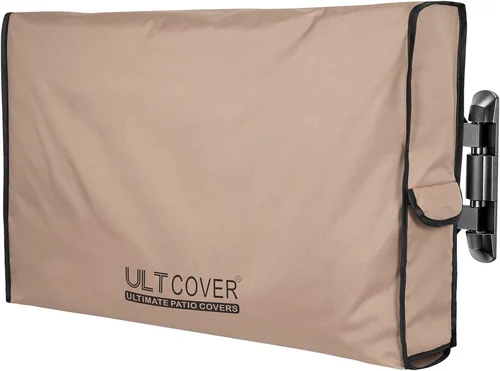
Expert Tips for Getting the Best Deal
– Buy During Off-Seasons: Prices drop significantly in late fall and winter (October–February) when demand is lowest. Retailers clear inventory before new models arrive in spring.
– Compare Bundle Deals: Some brands offer packages including mounts, cables, and soundbars at a discount. SunBriteTV and Seura often run promotions during holidays.
– Shop Authorized Retailers: Avoid third-party sellers on marketplaces. Authorized dealers (like Best Buy, Crutchfield, or direct from manufacturer) offer better warranties, support, and return policies.
– Negotiate Installation: Many installers offer discounts if you bundle TV purchase with setup. Ask about package rates.
– Check for Rebates: Utility companies and local governments sometimes offer energy-efficiency rebates for outdoor electronics. While rare, it’s worth a quick search.
– Test Before You Buy: If possible, visit a showroom to see brightness and color accuracy in person. Online photos don’t capture real-world visibility.
– Read the Warranty Fine Print: Ensure coverage includes outdoor use, accidental damage, and includes both parts and labor. Some warranties require professional installation to be valid.
– Consider Refurbished Models: Certified refurbished outdoor TVs from reputable sellers can save 20–30% with full warranty coverage.

Frequently Asked Questions
Q: Can I use a regular TV under a covered patio?
A: Technically yes, but it’s not recommended. Standard TVs aren’t built to handle humidity, temperature swings, or dust. Even under cover, condensation can form inside the panel, leading to corrosion or electrical failure. If you must use an indoor TV, invest in a high-quality outdoor enclosure with active cooling and an IP55+ rating.
Q: How do I protect my outdoor TV from rain?
A: If your patio is truly covered (with a solid roof or pergola with overhead protection), rain shouldn’t be an issue. However, choose a TV with an IP55 or higher rating to guard against splashes and humidity. Avoid placing the TV near open sides where wind-driven rain could reach it.
Q: Do outdoor TVs consume more power?
A: Yes, due to higher brightness and internal cooling systems. Expect 20–50% higher energy use than comparable indoor models. Look for ENERGY STAR-certified outdoor TVs to minimize impact.
Q: Can I leave my outdoor TV on all the time?
A: Most modern outdoor TVs are designed for extended use, but continuous 24/7 operation is best left to commercial-grade models. For home use, turn it off when not in use to prolong lifespan and save energy.
Q: What’s the difference between “weather-resistant” and “weatherproof”?
A: “Weather-resistant” is a marketing term with no standardized meaning—it may offer minimal protection. “Weatherproof” (or “all-weather”) implies full sealing, tested durability, and an official IP rating. Always verify specs.
Q: How long do outdoor TVs last?
A: With proper care, a quality outdoor TV should last 7–10 years. Cheaper models or those used in harsh conditions may fail sooner. Regular cleaning and avoiding extreme temperature exposure helps.
Q: Can I mount an outdoor TV on a brick or stucco wall?
A: Yes, but use appropriate anchors and consult a professional. Brick requires sleeve anchors or wedge bolts; stucco needs special toggle bolts to avoid cracking. Never mount directly into mortar joints.
Q: Do I need a special antenna for outdoor TV?
A: Not necessarily. Most outdoor TVs support standard HDMI and streaming, so over-the-air antennas are optional. If you want local channels, a high-gain outdoor antenna mounted away from the TV reduces interference.
Q: Are outdoor TVs safe in lightning storms?
A: Always unplug your TV during severe storms. While the TV itself is grounded, lightning can induce power surges through cables. Use a whole-house surge protector for added safety.
Q: Can I use my outdoor TV in winter?
A: Yes, if it’s rated for low temperatures (most are down to -22°F). Avoid turning it on immediately after bringing it in from cold storage—let it acclimate to room temperature first to prevent condensation.
Our Final Recommendations
– Best for Budget-Conscious Buyers: SunBriteTV Veranda 55″ – Excellent value for covered patios, 1,000 nits brightness, IP55 rating, and reliable performance under $2,500.
– Best Overall Value: Samsung The Terrace 65″ QLED – Combines stunning picture quality, 1,500+ nits, smart features, and sleek design. Ideal for mixed lighting conditions.
– Best Premium Option: SunBriteTV Pro 2 Series 75″ – Built for full sun, 2,500 nits, fanless cooling, and military-grade durability. Perfect for serious outdoor entertainers.
– Best for Beginners: Seura Shadow 55″ – User-friendly setup, great customer support, and stylish design that blends into any patio decor.
– Best for Advanced Users: LG G3 OLED in Peerless Outdoor Enclosure – For those who want cutting-edge OLED contrast and are willing to manage the enclosure and cooling requirements.
Conclusion: Making the Right Choice
Choosing the right outdoor TV for your covered patio is about more than just picking a big screen—it’s about creating a reliable, enjoyable, and long-lasting entertainment experience. From brightness and weather resistance to smart features and audio quality, every detail matters when you’re bringing the living room outside. By focusing on your specific needs—whether that’s all-day visibility, budget constraints, or cinematic sound—you can find a model that delivers years of satisfaction.
Remember, the cheapest option isn’t always the best, and the most expensive isn’t always necessary. Prioritize durability, visibility, and support. Take advantage of seasonal sales, read real user reviews, and don’t hesitate to invest in professional installation. Your patio deserves more than a compromised indoor TV shoved under a roof—it deserves a purpose-built solution designed to thrive in the elements.
Now that you’re armed with expert knowledge, it’s time to make your decision. Measure your space, assess your lighting conditions, set a realistic budget, and choose a TV that matches your lifestyle. Whether you’re watching fireworks on the Fourth of July, streaming a movie under the stars, or catching every play of the championship game, the right outdoor TV will transform your covered patio into the ultimate outdoor oasis. Happy viewing!

