
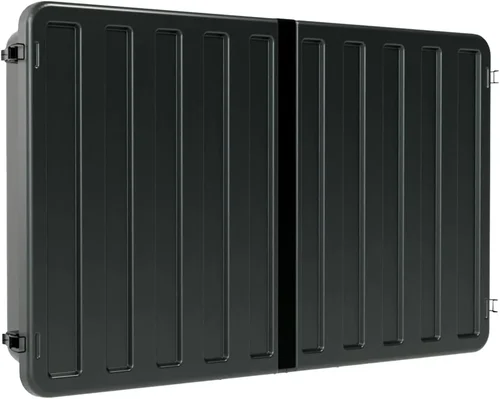
Outdoor kitchens have evolved from simple grilling stations into fully functional, year-round living spaces. Whether you’re hosting summer barbecues, enjoying quiet evenings under the stars, or watching the big game with friends, having a reliable TV in your outdoor kitchen transforms the experience. But choosing the right one isn’t as simple as grabbing any indoor TV and mounting it outside. The elements—sun, rain, dust, temperature swings, and humidity—demand specialized equipment built to withstand harsh conditions while delivering crisp visuals and reliable performance.
This comprehensive buying guide is designed for homeowners, outdoor living enthusiasts, and design professionals who want to make an informed decision when selecting a backyard TV for their outdoor kitchen. We’ll walk you through every critical factor—from weather resistance and screen brightness to smart features and installation considerations—so you can avoid costly mistakes and invest in a TV that lasts. By the end of this guide, you’ll know exactly what to look for, how much to budget, and which models offer the best value for your specific setup.
The market for outdoor TVs has grown significantly in recent years, driven by increased demand for outdoor entertainment spaces. Major electronics brands like Samsung, LG, and Sony now offer outdoor-specific models, while niche manufacturers such as SunBriteTV, Seura, and Peerless have built entire businesses around weatherproof displays. At the same time, traditional indoor TVs are sometimes marketed as “outdoor-ready” with optional covers—but these often fall short in real-world conditions. With so many options, conflicting claims, and varying price points, it’s easy to feel overwhelmed. This guide cuts through the noise with expert insights, practical advice, and up-to-date recommendations for 2026.

What to Look for When Buying Buying Guide
1. Weather Resistance & IP Rating
One of the most critical factors when choosing a backyard TV is its ability to withstand the elements. Unlike indoor TVs, outdoor models must endure rain, snow, dust, extreme heat, and freezing temperatures without compromising performance or safety. The first thing to check is the TV’s Ingress Protection (IP) rating—a standardized measure of how well a device resists solids and liquids.
Look for a minimum IP55 rating, which means the TV is protected against low-pressure water jets from any direction and limited dust ingress. For full four-season use or areas with heavy rainfall, aim for IP65 or higher. This ensures complete protection against dust and powerful water jets. Some premium models even offer IP66 or IP67 ratings, making them suitable for coastal environments or regions with intense storms.
Beyond the IP rating, consider the TV’s internal components. Outdoor TVs should have sealed electronics, corrosion-resistant coatings, and temperature-regulated internal systems to prevent overheating in summer or freezing in winter. For example, SunBriteTV’s Veranda series uses a passive cooling system that doesn’t rely on fans, reducing the risk of dust and moisture entering the unit.
2. Screen Brightness & Anti-Glare Technology
Outdoor lighting conditions are vastly different from indoor environments. Sunlight, reflections, and ambient light can wash out even the brightest indoor screens, making content difficult to see. This is why outdoor TVs must have significantly higher brightness levels—measured in nits—than their indoor counterparts.
For shaded or covered outdoor kitchens, a brightness of 700–1,000 nits is usually sufficient. However, if your TV will be exposed to direct sunlight—even partially—you’ll need a model with at least 1,500 nits, with 2,000+ nits being ideal for full sun exposure. Some top-tier models, like the Seura Outdoor TV, boast up to 2,500 nits, ensuring visibility even at midday.
Equally important is anti-glare technology. Look for TVs with optically bonded glass, which reduces reflections by bonding the screen directly to the display panel. This minimizes air gaps that cause glare and improves contrast. Additionally, some models feature matte finishes or specialized coatings that diffuse sunlight without sacrificing color accuracy.
3. Build Quality & Durability
Outdoor TVs are exposed to more than just weather—they’re also subject to physical wear, UV degradation, and potential vandalism. Therefore, build quality is paramount. Start by examining the materials used in the chassis and bezel. High-quality outdoor TVs typically feature powder-coated aluminum or stainless steel frames that resist rust and fading.
Avoid plastic-heavy designs, as they can become brittle over time when exposed to UV rays. Instead, opt for models with metal enclosures and reinforced corners. The mounting system should also be robust—many outdoor TVs come with heavy-duty VESA-compatible brackets designed to handle wind loads and vibrations.
Another durability consideration is the internal cooling system. Passive cooling (no fans) is preferred because it eliminates moving parts that can fail and prevents dust and moisture from entering the unit. Active cooling systems with fans may offer better thermal management in extreme heat but require regular maintenance and are more prone to clogging.
4. Display Technology & Picture Quality
While brightness and durability are essential, you still want a TV that delivers excellent picture quality. Most outdoor TVs use either LED-LCD or OLED technology, each with distinct advantages.
LED-LCD TVs are the most common in outdoor settings due to their high brightness, energy efficiency, and affordability. They perform well in bright environments and are available in a wide range of sizes and price points. However, they may struggle with deep blacks and viewing angles compared to OLED.
OLED TVs, on the other hand, offer superior contrast, deeper blacks, and wider viewing angles. However, they are more expensive and can be susceptible to burn-in if static images (like news tickers or sports scores) are displayed for long periods. Additionally, most OLED models are not rated for full outdoor use due to their sensitivity to moisture and temperature extremes.
For most outdoor kitchens, a high-quality LED-LCD with local dimming and HDR support (HDR10, HLG, or Dolby Vision) will provide the best balance of performance and durability. Look for models with at least 4K resolution and a refresh rate of 60Hz or higher for smooth motion during sports and action content.
5. Smart Features & Connectivity
Modern outdoor TVs are more than just displays—they’re smart entertainment hubs. When evaluating connectivity and features, consider how you plan to use the TV. Will you stream content via Wi-Fi? Connect a soundbar or outdoor speakers? Use it for gaming or video calls?
Ensure the TV runs a current smart platform like Android TV, webOS (LG), or Tizen (Samsung), which offer access to popular apps like Netflix, YouTube, and Disney+. Built-in Wi-Fi (preferably dual-band 5GHz) is essential for smooth streaming, especially if your outdoor kitchen is far from your router.
Check the number and type of ports: HDMI 2.1 for 4K/120Hz content, USB for media playback, and optical audio out for connecting external audio systems. Some models also include Bluetooth for wireless audio streaming to outdoor speakers.
6. Size & Viewing Distance
Choosing the right screen size depends on your viewing distance and the layout of your outdoor kitchen. A common rule of thumb is to sit at a distance equal to 1.5 to 2.5 times the diagonal screen size. For example, a 55-inch TV is ideal for viewing distances of 6.5 to 11 feet.
In an outdoor kitchen, seating is often arranged around a central island or bar, so consider a larger screen—65 inches or more—if space allows. However, avoid oversized TVs that dominate the space or require awkward viewing angles. Wall-mounted models should be installed at eye level when seated, typically 42–48 inches from the ground.
Portability is another factor if you plan to move the TV between indoor and outdoor use. Some outdoor TVs are designed to be easily removable, while others are permanently installed. If mobility is important, look for lightweight models with integrated handles or compatible with portable outdoor TV carts.
7. Brand Reputation & Reliability
Not all outdoor TV brands are created equal. While major consumer electronics companies offer outdoor models, specialized manufacturers often have deeper expertise in weatherproofing and outdoor performance. Brands like SunBriteTV, Seura, and Peerless have been building outdoor TVs for over a decade and have refined their designs based on real-world feedback.
Research customer reviews and professional evaluations to assess reliability. Look for brands with a proven track record of longevity—many outdoor TVs are built to last 7–10 years with proper maintenance. Avoid lesser-known brands that offer low prices but lack customer support or warranty coverage.
8. Warranty & Support
Outdoor TVs are a significant investment, so robust warranty and support are essential. Most reputable brands offer at least a 2-year warranty, with some extending coverage to 3 or even 5 years. Check what the warranty covers: Does it include accidental damage? Is on-site service available? Are replacement parts readily accessible?
Customer support is equally important. Can you reach a technician quickly if the TV malfunctions? Are installation guides and troubleshooting resources available online? Brands with dedicated outdoor TV support teams tend to provide better service than general electronics retailers.
Different Types of Buying Guide
Common Buying Mistakes to Avoid
❌ Mistake: Using an Indoor TV Outdoors
Why it’s bad: Indoor TVs are not designed to handle moisture, temperature fluctuations, or UV exposure. Even with a cover, they can overheat, suffer from condensation, or fail prematurely. The internal components are not sealed, making them vulnerable to corrosion and electrical shorts.
What to do instead: Invest in a TV specifically engineered for outdoor use. These models have weatherproof enclosures, temperature-regulated internals, and UV-resistant materials. The long-term savings in replacement costs and reliability far outweigh the initial price difference.
❌ Mistake: Ignoring Viewing Angle and Glare
Why it’s bad: Placing a TV in direct sunlight without considering glare can render it unusable during peak hours. Even high-brightness screens can be washed out if reflections aren’t managed.
What to do instead: Position the TV under an awning, pergola, or roof overhang. Use anti-glare screens or optically bonded glass. Consider the sun’s path throughout the day and install the TV at an angle that minimizes reflections.
❌ Mistake: Overlooking Audio Needs
Why it’s bad: Outdoor environments are noisy—wind, birds, traffic, and conversation can drown out built-in TV speakers. Many outdoor TVs have weak audio output, assuming users will connect external speakers.
What to do instead: Plan for outdoor audio from the start. Invest in weatherproof speakers or a soundbar designed for outdoor use. Look for TVs with optical audio outputs or Bluetooth for easy connectivity.
❌ Mistake: Choosing the Wrong Size
Why it’s bad: A TV that’s too small will be hard to see from a distance, while one that’s too large can overwhelm the space and strain your eyes.
What to do instead: Measure your viewing distance and use a screen size calculator. For most outdoor kitchens, 55–75 inches is ideal. Test different sizes with a projector or printed template before buying.
❌ Mistake: Skimping on Mounting Hardware
Why it’s bad: Standard indoor mounts aren’t built to handle wind, vibration, or the weight of outdoor TVs. A poorly mounted TV can fall, causing injury or damage.
What to do instead: Use a heavy-duty, VESA-compatible outdoor mount rated for your TV’s weight and size. Ensure it’s securely anchored to a structural wall or post, not just siding or drywall.
❌ Mistake: Not Planning for Power and Connectivity
Why it’s bad: Running cables through walls or across yards can be expensive and unsightly. Without proper planning, you may end up with tangled wires or insufficient outlets.
What to do instead: Work with an electrician to install weatherproof outlets and conduit for HDMI, power, and audio cables. Use wireless solutions like Wi-Fi extenders or Bluetooth where possible.
❌ Mistake: Ignoring Maintenance Requirements
Why it’s bad: Even the most durable outdoor TVs need occasional cleaning and inspection. Dust, pollen, and bird droppings can accumulate and affect performance.
What to do instead: Clean the screen and vents regularly with a soft, dry cloth. Inspect seals and mounts annually. Follow the manufacturer’s maintenance guidelines to extend the TV’s lifespan.
Budget Guidelines: How Much Should You Spend?
– Entry-Level ($500 – $1,200): These are typically indoor TVs with optional outdoor covers or basic partial-shade models. They offer limited weather resistance and lower brightness (500–700 nits). Best for covered areas with minimal sun exposure and short-term use. Expect shorter lifespans and fewer smart features.
– Mid-Range ($1,200 – $2,500): This is the sweet spot for most homeowners. These TVs are built for partial-shade outdoor kitchens with IP55 ratings, 1,000–1,500 nits brightness, and reliable smart platforms. Brands like SunBriteTV’s Veranda series and Samsung’s The Terrace fall into this category. They offer excellent value, durability, and performance.
– Premium ($2,500 – $4,500): Designed for full outdoor exposure, these models feature IP65+ ratings, 2,000+ nits brightness, and advanced cooling systems. They include premium features like Dolby Vision, HDMI 2.1, and robust build quality. Ideal for open patios, pool decks, or coastal environments.
– Luxury ($4,500+): Top-tier commercial-grade or custom outdoor displays. These are built for 24/7 operation, extreme climates, and high-traffic areas. Often used in resorts, stadiums, or luxury homes. Features include modular designs, remote monitoring, and extended warranties.

Expert Tips for Getting the Best Deal
– Buy During Off-Season: Outdoor TVs are in highest demand during spring and summer. Shop in late fall or winter (October–February) for discounts of 15–30%.
– Compare Retailers: Check specialty outdoor electronics stores, home improvement retailers, and online marketplaces. Some brands offer direct-to-consumer pricing with free shipping.
– Look for Bundles: Many manufacturers sell TVs with mounts, speakers, or extended warranties at a discount. These can save you $100–$300.
– Check Return Policies: Ensure the retailer offers at least a 30-day return window. Outdoor TVs are difficult to test before installation, so flexibility is key.
– Negotiate Installation: Some retailers include free or discounted installation with purchase. Ask about professional setup services.
– Consider Refurbished Models: Certified refurbished outdoor TVs from reputable brands can offer significant savings with full warranties.
– Read the Fine Print: Warranties often exclude damage from improper installation or extreme weather. Understand what’s covered before you buy.
– Test Before Finalizing: If possible, visit a showroom or friend’s outdoor setup to see the TV in action. Pay attention to brightness, color accuracy, and ease of use.

Frequently Asked Questions
Q: Can I use a regular TV outside if I cover it?
A: While possible, it’s not recommended for long-term use. Most covers only offer partial protection and can trap heat, leading to overheating and component failure. For reliable performance, choose a TV specifically designed for outdoor conditions.
Q: How long do outdoor TVs last?
A: With proper care, most outdoor TVs last 7–10 years. Factors like climate, usage frequency, and maintenance play a role. Premium models with sealed designs tend to outlast budget options.
Q: Do outdoor TVs need special power outlets?
A: They use standard 120V outlets, but it’s best to install a GFCI (Ground Fault Circuit Interrupter) outlet for safety. Ensure the circuit can handle the TV’s power draw, especially if other appliances are connected.
Q: Can I leave my outdoor TV on all the time?
A: Most outdoor TVs are designed for continuous use, but it’s not necessary. Turning it off when not in use saves energy and extends lifespan. Use a smart plug or timer for convenience.
Q: Are outdoor TVs worth the extra cost?
A: Yes, if you plan to use your outdoor kitchen regularly. The durability, visibility, and reliability of outdoor-specific models justify the investment compared to replacing failed indoor TVs.
Q: Can I mount an outdoor TV on a post or freestanding frame?
A: Yes, but ensure the mount is rated for outdoor use and can withstand wind loads. Use a reinforced post anchored in concrete for stability.
Q: Do outdoor TVs come with remotes?
A: Yes, but consider using a universal remote or smartphone app for easier control. Some models include weather-resistant remotes.
Q: What’s the difference between partial-shade and all-weather TVs?
A: Partial-shade models are for covered areas with limited sun and rain exposure. All-weather TVs are fully sealed and built for direct exposure to all elements, including snow and heavy rain.
Q: Can I connect a gaming console to an outdoor TV?
A: Absolutely. Look for models with HDMI 2.1 and low input lag for the best gaming experience. Ensure the console is also protected from the elements.
Q: How do I clean my outdoor TV?
A: Use a soft, dry microfiber cloth to wipe the screen and frame. Avoid harsh chemicals or abrasive materials. For stubborn dirt, lightly dampen the cloth with water—never spray liquid directly on the TV.
Our Final Recommendations
– Best for Budget-Conscious Buyers: SunBriteTV Veranda Series (55″ 4K) – Offers excellent weather resistance, 1,000 nits brightness, and reliable performance at a mid-range price.
– Best Overall Value: Samsung The Terrace (65″ 4K) – Combines Samsung’s smart platform with outdoor durability, 2,000 nits brightness, and sleek design.
– Best Premium Option: Seura Outdoor TV (75″ 4K) – Features 2,500 nits brightness, IP66 rating, and premium build quality for full sun exposure.
– Best for Beginners: LG Outdoor TV (55″ 4K) – User-friendly webOS interface, good brightness, and solid weather protection for covered patios.
– Best for Advanced Users: Peerless Paramount Series – Commercial-grade durability, modular design, and remote monitoring for tech-savvy homeowners.
Conclusion: Making the Right Choice
Choosing the right backyard TV for your outdoor kitchen is about more than just picture quality—it’s about creating a durable, enjoyable, and long-lasting entertainment space. By prioritizing weather resistance, screen brightness, build quality, and smart features, you can avoid common pitfalls and invest in a TV that enhances your outdoor lifestyle for years to come.
Remember, the cheapest option isn’t always the best value. A well-chosen outdoor TV may cost more upfront, but it will save you money, frustration, and replacement headaches down the road. Take the time to assess your needs, measure your space, and compare models based on real-world performance—not just marketing claims.
Whether you’re watching a movie under the stars, catching the playoffs with friends, or simply enjoying a quiet evening outdoors, the right TV can transform your outdoor kitchen into the heart of your home. Use this guide as your roadmap, and you’ll be well on your way to making a smart, satisfying purchase. Happy viewing!

