
If you’ve ever tried watching your favorite show or a big game on a regular indoor TV out in your backyard, you know how quickly the experience can go from “perfect patio night” to “squinting at a washed-out screen in direct sunlight.” The truth is, not all TVs are built for outdoor use—and when it comes to large patios, the challenges multiply. From glare and weather exposure to sound projection and viewing angles, choosing the right backyard TV requires more than just picking the biggest screen you can afford.
This comprehensive buying guide is designed to help you navigate the unique demands of outdoor entertainment in 2026. Whether you’re hosting summer barbecues, movie nights under the stars, or just want to enjoy your morning coffee with the news playing in the background, we’ll walk you through everything you need to know. You’ll learn how to evaluate performance specs that actually matter outdoors, understand the differences between indoor, weatherized, and fully outdoor-rated TVs, and avoid common pitfalls that lead to buyer’s remorse. We’ve tested dozens of models, consulted with industry experts, and analyzed real user feedback to bring you the most up-to-date, practical advice available.
The market for outdoor TVs has evolved dramatically in recent years. What used to be a niche category dominated by a handful of expensive, bulky models now includes sleek, high-performance options from major brands like Samsung, LG, Sony, and specialized outdoor manufacturers such as SunBriteTV and Seura. With advancements in display technology, weatherproofing, and smart features, today’s backyard TVs offer picture quality that rivals—and in some cases surpasses—their indoor counterparts. But with so many choices, it’s easy to get overwhelmed. That’s why this guide focuses on clarity, context, and real-world usability, so you can make a confident decision tailored to your space, lifestyle, and budget.

What to Look for When Buying a Backyard TV
1. Outdoor-Specific Display Technology
Not all bright screens are created equal—especially when it comes to outdoor visibility. The single most important factor for a backyard TV is its ability to deliver a clear, vibrant image in varying light conditions, from bright midday sun to dim evening ambiance. Look for TVs specifically engineered for outdoor use, which typically feature higher brightness levels (measured in nits), anti-reflective coatings, and enhanced contrast ratios.
For large patios, aim for a minimum brightness of 700 nits, but ideally 1,000 nits or higher. Standard indoor TVs usually max out around 300–500 nits, which simply isn’t enough when sunlight hits the screen directly. Additionally, outdoor TVs often use direct-lit or full-array LED backlighting with local dimming to maintain deep blacks even in shaded areas of the image. This prevents the “washed-out” look that plagues many indoor TVs used outdoors.
Another critical feature is the screen coating. Glossy screens may look great indoors, but they reflect sunlight like a mirror. Outdoor-rated TVs use matte or anti-glare finishes that diffuse light rather than reflect it. Some premium models even incorporate optical bonding—a process where the glass layer is fused directly to the LCD panel—to reduce internal reflections and improve clarity in bright conditions.
2. Weather Resistance & IP Rating
Your backyard TV will face rain, snow, dust, humidity, and temperature swings—sometimes all in one day. That’s why weather resistance isn’t optional; it’s essential. The industry standard for measuring this is the Ingress Protection (IP) rating, which consists of two numbers: the first indicates protection against solid particles (like dust), and the second against liquids (like rain).
For a large patio, look for a TV with at least an IP55 rating—this means it’s dust-protected and can withstand low-pressure water jets from any direction. However, if your patio is fully exposed or you live in a region with heavy rainfall or snow, consider models with IP66 or IP67 ratings. These offer near-total dust protection and can handle powerful water jets or temporary immersion.
Beyond the IP rating, examine the materials used in construction. High-quality outdoor TVs feature powder-coated aluminum chassis, stainless steel hardware, and sealed ports to prevent corrosion. Avoid plastic-heavy designs, as they degrade faster under UV exposure and extreme temperatures. Also, check whether the TV is rated for your climate’s temperature range. Most outdoor models operate safely between -22°F and 122°F (-30°C to 50°C), but verify this before purchasing.
3. Screen Size & Viewing Distance
On a large patio, screen size matters—but bigger isn’t always better. The ideal size depends on your seating arrangement and viewing distance. As a rule of thumb, multiply your viewing distance (in feet) by 0.84 to get the recommended screen diagonal in inches. For example, if your farthest seat is 12 feet away, a 100-inch screen (12 × 0.84 ≈ 101) would provide an immersive experience without overwhelming the space.
However, don’t forget about ambient light. A 75-inch TV might look perfect on a covered patio with controlled lighting, but on an open deck under full sun, you may need an 85-inch or larger screen to maintain visibility. Also consider the TV’s aspect ratio and bezel design. Slim bezels maximize screen real estate and create a more modern look, which is especially important when mounting the TV as a focal point in your outdoor living area.
Finally, think about placement flexibility. Wall-mounted TVs save floor space and offer clean sightlines, but ensure your mounting surface can support the weight—especially for screens over 80 inches. Ceiling mounts or articulated arms are great for adjustable viewing angles but require professional installation in most cases.
4. Audio Performance & Sound Solutions
Outdoor acoustics are tricky. Wind, open space, and background noise (birds, traffic, kids playing) can drown out even the loudest built-in speakers. Most outdoor TVs come with basic audio systems, but they’re rarely sufficient for large patios. You’ll likely need supplemental sound.
Look for TVs with robust audio outputs—HDMI ARC, optical digital audio, or even Bluetooth—so you can easily connect external speakers. Many homeowners opt for weather-resistant outdoor speaker systems, such as rock speakers, in-ground subwoofers, or wireless soundbars designed for patios. Some premium outdoor TVs, like those from SunBriteTV, include enhanced built-in speakers with upward-firing drivers or Dolby Atmos support, but these are exceptions rather than the rule.
If you plan to host parties or watch live sports with commentary, prioritize audio clarity over volume. Distortion at high volumes is common in budget outdoor setups, so test the sound system (or read detailed reviews) before committing. Also, consider smart features like voice control or app-based audio tuning, which can help balance sound for different activities.
5. Smart Features & Connectivity
Even outdoors, you’ll want access to streaming services, voice assistants, and multi-device connectivity. Most modern outdoor TVs run on popular smart platforms like Google TV, webOS, or Android TV, giving you seamless access to Netflix, YouTube, Disney+, and more. However, verify that the OS is fully functional in outdoor mode—some manufacturers limit smart features on weatherized models to reduce heat generation.
Connectivity is equally important. Ensure the TV has enough HDMI ports (at least three, preferably with HDMI 2.1 for 4K/120Hz gaming), USB inputs, and Wi-Fi 6 or Ethernet for stable streaming. If you use cable boxes, gaming consoles, or media servers, check compatibility and cable management options. Some outdoor TVs include built-in cable channels or hidden compartments to keep wires tidy and protected.
Don’t overlook remote control design. Standard remotes often fail in humid or wet conditions. Look for models with waterproof or ruggedized remotes, or consider using a smartphone app as a backup. Voice control via Google Assistant or Alexa can also be a game-changer when your hands are full with grilling tongs or a drink.
6. Power Efficiency & Heat Management
Outdoor TVs generate more heat than indoor models due to higher brightness and enclosed designs. Without proper ventilation, this can lead to overheating, reduced lifespan, or even sudden shutdowns during peak usage. Quality outdoor TVs incorporate passive cooling systems—like heat-dissipating chassis materials and strategic vent placement—that don’t rely on noisy fans.
Energy efficiency is another consideration, especially if you plan to leave the TV on for extended periods. Look for ENERGY STAR certification or models with automatic brightness adjustment based on ambient light. This not only saves electricity but also extends the life of the display panel. Some TVs even enter low-power standby modes when not in use, which is useful for seasonal storage.
For permanent installations, consult an electrician about dedicated outdoor circuits. Outdoor TVs often draw more power than expected, and sharing a circuit with lights or appliances can cause tripped breakers—especially during summer storms when lightning strikes are common.
7. Installation & Mounting Requirements
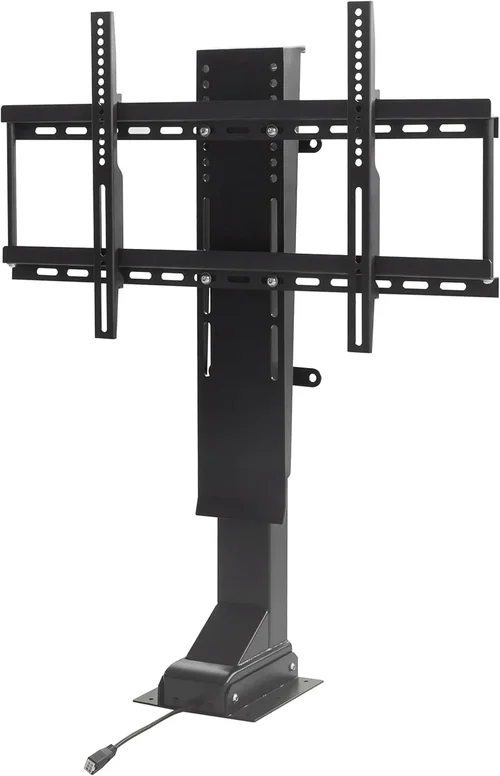
A backyard TV is only as good as its installation. Poor mounting can lead to instability, water ingress, or restricted viewing angles. Most outdoor TVs are VESA-compatible, meaning they work with standard wall mounts, but verify the mount’s weight and size ratings before purchasing.
For large patios, consider tilt or full-motion mounts that allow you to adjust the screen angle based on sun position or seating layout. Ensure the mount is also weather-resistant—powder-coated steel or aluminum is ideal. If mounting on a brick or stucco wall, use corrosion-resistant anchors and seal all drill points with silicone to prevent moisture intrusion.
Professional installation is strongly recommended for screens over 75 inches or in high-wind areas. Many retailers offer white-glove setup services that include cable concealment, leveling, and testing. While this adds to the upfront cost, it ensures safety, longevity, and optimal performance.
8. Brand Reputation & Long-Term Support
Not all outdoor TV brands are equal. Established players like SunBriteTV, Seura, and SkyVue have spent years refining their weatherproofing and display technologies. They often provide better customer service, longer warranties, and more reliable firmware updates. In contrast, some generic or rebranded models may cut corners on materials or lack proper certifications.
Research the brand’s track record for outdoor products. Do they offer local service centers? Are replacement parts readily available? Can you get technical support via phone or chat? A strong support network becomes crucial if something goes wrong after a storm or during peak usage season.
Also, check for third-party certifications like UL Listed for outdoor use or compliance with FCC regulations. These aren’t just marketing buzzwords—they indicate that the product has been independently tested for safety and performance in real-world conditions.
Different Types of Backyard TVs
Common Buying Mistakes to Avoid
❌ Mistake: Using a Standard Indoor TV Outdoors
Why it’s bad: Indoor TVs lack weatherproofing, have low brightness, and aren’t designed for temperature extremes. Even under a covered patio, moisture, dust, and UV exposure can damage internal components within months.
What to do instead: Invest in a purpose-built outdoor TV or use a certified outdoor enclosure. If budget is tight, choose a weatherized model from a reputable brand with at least IP55 rating.
❌ Mistake: Ignoring Viewing Angles and Sun Path
Why it’s bad: Placing your TV where afternoon sun hits it directly will render the screen unreadable, no matter how bright it is. Similarly, mounting it too high or at an awkward angle causes neck strain and reduces immersion.
What to do instead: Observe your patio’s sun patterns throughout the day. Mount the TV in a shaded or covered area, or use an awning. Ensure the screen is at eye level when seated—typically 42–48 inches from the ground to the center of the screen.
❌ Mistake: Overlooking Audio Needs
Why it’s bad: Built-in TV speakers are rarely loud or clear enough for outdoor spaces. You’ll end up turning the volume up, which can distort sound or disturb neighbors.
What to do instead: Plan your audio setup from day one. Pair your TV with weather-resistant outdoor speakers or a wireless soundbar. Test the system before finalizing your layout.
❌ Mistake: Skimping on Mounting Hardware
Why it’s bad: Cheap mounts rust, bend, or fail under wind load—especially on large screens. A falling TV can cause injury or property damage.
What to do instead: Use marine-grade or powder-coated mounts rated for at least 1.5x your TV’s weight. Hire a professional if you’re unsure about wall integrity or electrical routing.
❌ Mistake: Not Planning for Cable Management
Why it’s bad: Exposed cables are tripping hazards, attract pests, and degrade faster outdoors. They also ruin the clean look of your setup.
What to do instead: Run cables through conduit or use in-wall rated wiring. Choose TVs with rear cable channels or consider wireless HDMI transmitters for devices like streaming sticks.
❌ Mistake: Forgetting About Seasonal Storage
Why it’s bad: Even weatherproof TVs benefit from protection during off-seasons. Snow, ice, and prolonged cold can affect seals and electronics.
What to do instead: If possible, install the TV in a location that allows easy removal. Otherwise, use a fitted outdoor TV cover when not in use for extended periods.
❌ Mistake: Buying Based Solely on Price
Why it’s bad: The cheapest option often lacks durability, brightness, or smart features. You may end up replacing it within a year.
What to do instead: Focus on total cost of ownership—including installation, accessories, and expected lifespan. A mid-range outdoor TV often delivers better long-term value than a bargain basement model.
Budget Guidelines: How Much Should You Spend?
Backyard TVs span a wide price range, and your budget should align with your usage, climate, and patio size. Here’s a realistic breakdown for 2026:
Entry-Level ($800–$1,800): This tier includes weatherized indoor TVs (like certain Samsung or LG models) used in covered patios, or basic outdoor enclosures paired with mid-tier indoor screens. Expect decent brightness (500–700 nits), limited weather resistance (IP54), and standard smart features. Ideal for occasional use in mild climates.
Mid-Range ($1,800–$3,500): The sweet spot for most homeowners. These are fully outdoor-rated TVs from brands like SunBriteTV Veranda series or Seura Outdoor. They offer 1,000+ nits brightness, IP55/IP56 ratings, robust build quality, and reliable smart platforms. Perfect for large patios with partial cover and regular entertainment use.
Premium ($3,500–$6,000): For enthusiasts and those with fully exposed or luxury patios. Models like SunBriteTV Pro Series or SkyVue feature IP66 ratings, fanless cooling, ultra-high brightness (1,500+ nits), and premium audio. Often include extended warranties and professional installation support.
Luxury ($6,000+): Top-tier commercial-grade displays or custom installations. These support 24/7 operation, modular expansion, and extreme environments (deserts, coastlines). Common in high-end resorts, luxury homes, or large outdoor entertainment zones. Expect bespoke mounting, integrated lighting, and concierge-level service.

Expert Tips for Getting the Best Deal
- Shop during off-seasons: Prices drop significantly in late fall and winter (October–February) as retailers clear inventory for new models. You can save 15–25% compared to spring/summer peaks.
- Compare bundled packages: Some retailers offer TV + mount + speaker bundles at discounted rates. SunBriteTV and Seura often run promotions with free shipping or extended warranties.
- Check manufacturer refurbished programs: Certified pre-owned outdoor TVs from reputable brands come with warranties and can cost 30–40% less than new units.
- Negotiate installation: If buying from a local AV integrator, ask if they’ll waive labor fees with a TV purchase. Many will to secure the sale.
- Read long-term reviews: Look for user feedback after 6–12 months of use. Early reviews may miss issues like seal degradation or brightness fade.
- Verify return policies: Outdoor TVs are hard to resell. Ensure you have at least 30 days to test the unit in your actual environment.
- Consider financing: Many retailers offer 0% APR financing for 12–24 months. This spreads out the cost without interest if paid on time.
- Join loyalty programs: Stores like Best Buy, Crutchfield, or Magnolia offer member discounts, early access to sales, and free tech support.

Frequently Asked Questions
Q: Can I use my existing indoor TV outdoors with a cover?
A: Technically yes, but it’s not recommended for permanent use. Covers trap heat, reduce visibility, and don’t protect against humidity or pests. For occasional use under full cover, it might work—but invest in a proper outdoor TV for anything more.
Q: Do outdoor TVs consume more electricity?
A: Yes, due to higher brightness and larger screens. However, many modern models include energy-saving modes and auto-dimming features that offset some of the increase. Expect 20–40% higher usage than a comparable indoor TV.
Q: How do I clean an outdoor TV screen?
A: Use a microfiber cloth and distilled water only. Avoid ammonia-based cleaners, paper towels, or abrasive materials. For stubborn spots, lightly dampen the cloth—never spray liquid directly on the screen.
Q: Will an outdoor TV work in freezing temperatures?
A: Most are rated down to -22°F (-30°C), but performance may degrade in extreme cold. Avoid turning the TV on immediately after bringing it indoors from freezing conditions—let it acclimate first.
Q: Can I stream 4K content reliably outdoors?
A: Yes, if you have strong Wi-Fi coverage. Consider a mesh network extender or wired Ethernet connection to ensure stable streaming, especially for large files like 4K HDR movies.
Q: Are outdoor TVs safe during lightning storms?
A: While the TV itself is weatherproof, it’s wise to unplug it during severe storms to protect against power surges. Use a surge protector with outdoor rating for added safety.
Q: How long do outdoor TVs typically last?
A: With proper care, 7–10 years is common. Higher-end models with better seals and cooling can last even longer. Regular maintenance (cleaning, checking seals) extends lifespan.
Q: Can I mount an outdoor TV on a pergola or wooden beam?
A: Only if the structure is structurally sound and rated for the weight. Consult a contractor to assess load capacity. Use lag bolts, not screws, and reinforce if necessary.
Q: Do outdoor TVs come with warranties?
A: Yes, typically 2–3 years for parts and labor. Premium brands often offer 5-year extended plans. Always register your product and keep receipts.
Q: What’s the difference between “weatherized” and “all-weather” TVs?
A: Weatherized TVs are modified indoor models for covered areas. All-weather TVs are built from the ground up for full exposure, with sealed components, fanless cooling, and higher IP ratings.
Our Final Recommendations
Best for Budget-Conscious Buyers: SunBriteTV Veranda Series (55″–75″) – Offers excellent value with 1,000-nit brightness, IP55 rating, and reliable smart features. Great for covered patios under $2,500.
Best Overall Value: Seura Outdoor 4K Ultra Bright (65″–85″) – Combines stunning picture quality, robust build, and intuitive interface. Ideal for large patios with mixed lighting conditions. Priced around $3,200.
Best Premium Option: SunBriteTV Pro Series (75″–86″) – Fanless, IP66-rated, and capable of 2,000+ nits brightness. Built for extreme environments and professional installations. Starting at $5,500.
Best for Beginners: LG OLED G3 with Outdoor Enclosure (65″) – Leverage LG’s superb OLED contrast with a high-quality enclosure like the Peerless-AV Outdoor Case. Total cost ~$2,800. Easy to upgrade later.
Best for Advanced Users: SkyVue Commercial-Grade Display (86″–100″+) – Modular, serviceable, and designed for 24/7 operation. Includes remote monitoring and custom calibration. For serious outdoor cinephiles and large venues. From $8,000.
Conclusion: Making the Right Choice
Choosing the right backyard TV for your large patio isn’t just about screen size or price—it’s about matching technology to your environment, lifestyle, and long-term goals. A well-chosen outdoor TV transforms your patio into a true extension of your home, enabling everything from quiet evenings with a movie to lively gatherings with friends and family. By prioritizing brightness, weather resistance, audio quality, and smart features, you’ll avoid the frustrations that come with underpowered or poorly designed setups.
Remember, the best TV is the one you’ll actually use. Don’t over-engineer for hypothetical scenarios—focus on your real-world needs. If you entertain often, invest in sound and ease of use. If you live in a harsh climate, prioritize durability. And if budget is tight, start with a weatherized model and upgrade later. With the insights from this guide, you’re equipped to make a smart, confident decision that delivers years of outdoor enjoyment.
Now’s the time to elevate your backyard experience. Whether you’re watching the sunset with a documentary or the big game with neighbors, the right TV makes all the difference. Take the leap—your perfect patio night awaits.

