
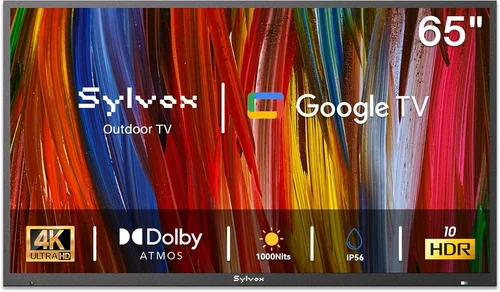
Outdoor living spaces have evolved dramatically over the past decade. What was once a simple backyard with a grill and a few chairs has transformed into fully equipped outdoor kitchens, complete with refrigerators, pizza ovens, sound systems—and yes, televisions. As more homeowners invest in creating year-round entertainment zones, the demand for reliable, weather-resistant patio TVs has surged. Whether you’re hosting a summer cookout, watching the big game under the stars, or simply enjoying a quiet evening outdoors, having a TV in your outdoor kitchen can elevate the entire experience.
But here’s the catch: not all TVs are built for the elements. Standard indoor televisions may look great on paper, but they’re not designed to withstand humidity, temperature swings, UV exposure, or dust. That’s why choosing the right budget TV for your patio requires careful consideration. This guide is here to help you navigate the often-confusing landscape of outdoor TVs without blowing your budget. We’ll walk you through everything you need to know—from key performance specs and durability features to smart functionality and installation tips—so you can make a confident, informed decision.
In this comprehensive buying guide, you’ll learn how to identify the best value-for-money outdoor TVs that balance affordability with essential weatherproofing and performance. We’ll break down the most important factors to consider, compare different types of outdoor TVs, highlight common pitfalls to avoid, and provide expert-backed recommendations tailored to various needs and budgets. Whether you’re a first-time buyer or upgrading from an older model, this guide will equip you with the knowledge to choose a patio TV that delivers great picture quality, lasts for years, and fits comfortably within your price range.

What to Look for When Buying Buying Guide
1. Weather Resistance & IP Rating
When it comes to outdoor TVs, weather resistance isn’t optional—it’s essential. Unlike indoor models, patio TVs are constantly exposed to the elements: rain, snow, humidity, dust, and even salt air if you live near the coast. The first thing to check is the TV’s Ingress Protection (IP) rating. This two-digit code tells you exactly how well the unit is protected against solids (like dust) and liquids (like water).
Look for a minimum IP55 rating, which means the TV is protected against low-pressure water jets from any direction and limited dust ingress. For coastal or high-rainfall areas, aim for IP65 or higher—this ensures full protection against dust and powerful water jets. Some premium models even offer IP66 or IP67, which provide near-total waterproofing. Always verify that the entire unit—including the screen, ports, and mounting hardware—is rated for outdoor use, not just the display itself.
2. Brightness & Anti-Glare Display
Outdoor viewing presents a unique challenge: ambient light. Even under a covered patio, sunlight reflecting off surfaces can wash out your screen, making it hard to see details—especially during daytime viewing. That’s why brightness matters more outdoors than indoors.
Look for a TV with a minimum brightness of 700 nits (candelas per square meter). For partially shaded or semi-exposed areas, 1000 nits or higher is ideal. Many outdoor TVs use high-brightness LED backlighting or OLED panels with enhanced luminance to combat glare. Additionally, anti-reflective coatings on the screen surface help reduce mirror-like reflections, improving visibility in bright conditions.
Avoid standard indoor TVs, even if they’re bright—they lack the specialized optical layers needed for outdoor clarity. A good test: if you can clearly read text on the screen from a 45-degree angle in direct sunlight, you’ve got a winner.
3. Temperature Tolerance & Thermal Management
Outdoor environments experience extreme temperature fluctuations—from freezing winter nights to scorching summer afternoons. Most consumer electronics aren’t built to handle these swings, which can lead to component failure, screen flickering, or shortened lifespan.
A true outdoor TV should operate reliably between -22°F and 122°F (-30°C to 50°C). Check the manufacturer’s operating temperature range before purchasing. Better models include built-in thermal management systems, such as passive cooling vents, heat-dissipating materials, or even small internal fans (in sealed units) to prevent overheating.
Also consider where you’ll mount the TV. If it’s in direct sunlight for long periods, even a weatherproof TV can overheat. Installing it under an awning, pergola, or solid roof overhang helps extend its life and maintain consistent performance.
4. Build Quality & Materials
Durability goes beyond just water resistance. The materials used in construction play a huge role in how well your TV withstands years of outdoor exposure. Look for TVs with powder-coated aluminum or stainless-steel chassis—these resist rust, corrosion, and UV degradation far better than plastic or standard metal finishes.
The screen should be made of tempered glass or reinforced acrylic to resist scratches and impacts from wind-blown debris. Avoid models with thin bezels or flimsy stands; outdoor TVs are often wall-mounted, so sturdy VESA-compatible mounting points are a must.
Pay attention to port covers too. Sealed HDMI, USB, and power ports prevent moisture from seeping into sensitive electronics. Some models include rubber grommets or magnetic covers for easy access while maintaining protection.
5. Smart Features & Connectivity
Just because it’s outdoors doesn’t mean you should sacrifice modern conveniences. Most buyers want access to streaming services like Netflix, YouTube, or Disney+, so smart TV functionality is a major plus. Look for models running established platforms like Android TV, webOS, or Roku OS—they offer app stores, voice control, and regular software updates.
Connectivity is equally important. Ensure the TV has multiple HDMI ports (at least two), USB inputs, and Wi-Fi/Bluetooth support. If you plan to connect a soundbar, gaming console, or outdoor speaker system, having ARC (Audio Return Channel) on HDMI simplifies wiring.
One often-overlooked feature: weatherproof remote controls. Standard remotes can degrade quickly in humid conditions. Some outdoor TVs come with sealed, rubberized remotes or support smartphone apps for control—ideal for avoiding signal interference from walls or glass doors.
6. Size & Viewing Distance
Choosing the right screen size depends on your patio layout and typical seating arrangement. A common mistake is going too small—outdoor spaces often feel more open, so you may need a larger screen than you’d use indoors for the same distance.
As a rule of thumb:
– For viewing distances of 6–8 feet, choose a 43″ to 50″ TV.
– For 8–10 feet, go with 55″ to 65″.
– For distances over 10 feet, consider 70″ or larger.
However, don’t forget about mounting height and angle. Outdoor TVs are usually mounted higher than indoor ones (eye level when seated), so ensure the screen is tilted slightly downward for comfortable viewing. Also, account for potential obstructions like ceiling beams, plants, or kitchen cabinets.
7. Power Requirements & Energy Efficiency
Outdoor TVs often run longer hours than indoor models—think weekend barbecues, holiday gatherings, or evening movie nights. This means energy consumption can add up. Look for ENERGY STAR-certified models, which use up to 30% less power than non-certified equivalents.
Also consider how you’ll power the TV. Most outdoor TVs require a standard 120V outlet, but running extension cords across your patio is both unsafe and unsightly. Ideally, have an electrician install a dedicated outdoor-rated GFCI outlet near the mounting location. Some newer models support low-voltage DC power (via solar or battery systems), which is great for off-grid setups.
8. Warranty & Customer Support
Because outdoor TVs operate in harsher conditions, they’re more prone to wear and unexpected failures. A solid warranty is your safety net. Look for at least a 2-year manufacturer warranty that covers both parts and labor—preferably with on-site service options.
Avoid brands with vague warranty terms or those that void coverage if the TV is used “outdoors” unless explicitly stated as outdoor-rated. Read reviews about customer service responsiveness; some companies offer excellent support, while others leave you waiting weeks for repairs.
Different Types of Buying Guide

Common Buying Mistakes to Avoid
❌ Mistake: Buying a Standard Indoor TV for Outdoor Use
Why it’s bad: Indoor TVs lack weatherproofing, UV protection, and thermal management. Even under cover, humidity and temperature changes can cause condensation inside the panel, leading to permanent damage or electrical shorts.
What to do instead: Invest in a TV specifically designed for outdoor use—or pair an indoor model with a certified outdoor enclosure. Never assume “it’ll be fine under the roof.”
❌ Mistake: Ignoring the IP Rating
Why it’s bad: Without a proper IP rating, you have no guarantee the TV can handle rain, snow, or dust. A TV marketed as “outdoor-ready” but lacking an IP certification may fail within months.
What to do instead: Always verify the IP rating (aim for IP55 or higher) and confirm it applies to the entire unit, not just the screen.
❌ Mistake: Overlooking Brightness Requirements
Why it’s bad: A dim screen turns your outdoor movie night into a squinting contest. Most indoor TVs max out at 300–400 nits—far too low for daylight viewing.
What to do instead: Choose a TV with at least 700 nits brightness and an anti-glare coating. Test reviews often mention real-world visibility—read them!
❌ Mistake: Skimping on Mounting Hardware
Why it’s bad: Standard wall mounts aren’t built for outdoor conditions. Rust, wind load, and vibration can loosen mounts over time, risking a costly (and dangerous) fall.
What to do instead: Use marine-grade or powder-coated outdoor mounts rated for your TV’s weight and wind exposure. Consider tilt or full-motion mounts for optimal viewing angles.
❌ Mistake: Forgetting About Audio
Why it’s bad: Outdoor acoustics are tricky—sound dissipates quickly, and background noise (traffic, birds, kids) can drown out dialogue. Relying on built-in TV speakers often results in poor audio quality.
What to do instead: Pair your TV with weather-resistant outdoor speakers or a soundbar. Many modern outdoor TVs support Bluetooth audio streaming for wireless setups.
❌ Mistake: Not Planning for Power and Cables
Why it’s bad: Running extension cords across your patio creates tripping hazards and looks messy. Exposed cables can degrade quickly in the sun and rain.
What to do instead: Hire a licensed electrician to install a GFCI outlet near the TV. Use conduit or cable raceways to protect wiring, and choose TVs with rear-facing or side-access ports for cleaner cable management.
❌ Mistake: Assuming All “Outdoor” TVs Are Equal
Why it’s bad: The term “outdoor TV” is loosely regulated. Some brands repackage indoor models with minor tweaks, while others build from the ground up for durability.
What to do instead: Research the brand’s reputation, read professional reviews, and check if the model is listed on the manufacturer’s official outdoor product line.
Budget Guidelines: How Much Should You Spend?
Entry-Level ($400–$700): This tier includes basic covered patio TVs or indoor models paired with third-party enclosures. Expect modest brightness (500–600 nits), limited smart features, and IP54 ratings. Ideal for shaded porches or three-season use. Brands like SunBrite and Seura offer entry-level options, but quality varies—read reviews carefully.
Mid-Range ($700–$1,200): The sweet spot for most homeowners. These TVs offer 700–1,000 nits brightness, full smart platforms (Roku, Android TV), IP55+ ratings, and robust build quality. Models from LG, Samsung (via certified partners), and specialized outdoor brands like Avidwood fall here. Great for partially exposed patios with some sun exposure.
Premium ($1,200–$2,000): Designed for serious outdoor entertainers. Expect 1,000+ nits brightness, OLED or QLED panels, advanced thermal management, and commercial-grade durability. Often include premium features like voice control, multi-zone audio, and extended warranties. Perfect for full sun exposure or coastal climates.
Luxury ($2,000+): Top-tier all-weather or commercial displays built for 24/7 operation. These units feature IP66/IP67 ratings, 1,500+ nits brightness, vandal-resistant casings, and professional installation support. Common in luxury homes, resorts, or public venues. While overkill for most residential patios, they’re unmatched in reliability and performance.
Expert Tips for Getting the Best Deal
– Shop During Off-Seasons: Outdoor TV sales peak in spring and summer. Buy in late fall or winter (November–February) for discounts of 15–30%. Retailers clear inventory before new models arrive.
– Compare Certified Refurbished Models: Many manufacturers sell certified refurbished outdoor TVs with full warranties at 20–40% off retail. These are thoroughly tested and often indistinguishable from new units.
– Check Retailer Return Policies: Outdoor TVs are heavy and expensive to return. Choose retailers with at least 30-day return windows and free return shipping (e.g., Best Buy, Crutchfield, or manufacturer direct).
– Bundle with Accessories: Some sellers offer packages including mounts, cables, or speakers at a discount. Compare total cost versus buying separately.
– Use Price Tracking Tools: Websites like CamelCamelCamel (for Amazon) or Honey track price history and alert you to drops. Set alerts for your desired model.
– Consider Local Installers: Some AV specialists offer TV + installation bundles. They may have access to wholesale pricing and can handle permits or electrical work.
– Verify Compatibility with Your Setup: Ensure the TV works with your existing streaming devices, sound system, and Wi-Fi network. Test signal strength at the mounting location before buying.
– Read Long-Term User Reviews: Professional reviews test for a few hours; real users report on months or years of performance. Look for feedback on durability, customer service, and real-world brightness.

Frequently Asked Questions
Q: Can I use a regular TV outside if it’s under a roof?
A: Technically yes, but it’s risky. Even under cover, humidity, temperature swings, and dust can damage internal components over time. For reliable, long-term use, an outdoor-rated TV or enclosure is strongly recommended.
Q: Do outdoor TVs need special mounts?
A: Yes. Standard mounts aren’t designed for outdoor conditions. Use corrosion-resistant, weatherproof mounts rated for your TV’s size and weight. Tilt or full-motion mounts improve viewing angles.
Q: How long do outdoor TVs last?
A: With proper care, a quality outdoor TV can last 5–8 years or more. Cheaper models or those used in harsh climates may last 3–4 years. Regular cleaning and avoiding direct sunlight when possible extends lifespan.
Q: Are outdoor TVs energy hogs?
A: Not necessarily. Many modern outdoor TVs are ENERGY STAR certified and use similar power to indoor equivalents. Brightness settings impact consumption—dimming the screen at night saves energy.
Q: Can I connect my outdoor TV to a sound system?
A: Absolutely. Most outdoor TVs have HDMI ARC, optical audio out, or Bluetooth for connecting to weather-resistant speakers, soundbars, or whole-home audio systems.
Q: What’s the difference between IP55 and IP65?
A: IP55 protects against low-pressure water jets and limited dust. IP65 offers the same water protection but is dust-tight (no ingress). For most patios, IP55 is sufficient; choose IP65 for high-dust or coastal areas.
Q: Do I need a permit to install an outdoor TV?
A: Usually not for the TV itself, but electrical work (like installing a new outlet) often requires a permit and inspection. Check local building codes or consult an electrician.
Q: Can outdoor TVs get stolen easily?
A: Like any outdoor electronics, they’re vulnerable. Use security screws, anti-theft mounts, or install in well-lit, visible areas. Some models include Kensington lock slots.
Q: Are there solar-powered outdoor TV options?
A: Yes, though less common. Solar kits include a battery, charge controller, and low-power TV (often 32″–43″). Ideal for cabins or eco-friendly setups without grid access.
Q: What happens if my outdoor TV gets rained on?
A: If it’s properly rated (IP55+), rain shouldn’t damage it. However, avoid spraying water directly on ports or vents. Wipe down the screen after heavy storms to maintain clarity.
Our Final Recommendations
Best for Budget-Conscious Buyers: SunBrite Veranda Series 43″ – At around $650, this model offers IP55 rating, 700 nits brightness, and Roku OS. Perfect for covered patios with occasional sun exposure.
Best Overall Value: Avidwood AW55OUT 55″ – Priced at $999, it delivers 1,000 nits brightness, Android TV, IP55 rating, and excellent thermal management. A reliable all-rounder for most outdoor kitchens.
Best Premium Option: Seura Shade 65″ Outdoor TV – At $1,899, this luxury model features 1,200 nits brightness, OLED display, IP65 rating, and sleek design. Ideal for high-end patios with full sun.
Best for Beginners: Samsung The Terrace 55″ (via certified dealer) – Samsung’s official outdoor line offers familiar smart features, 1,000 nits brightness, and strong brand support. Great for those already in the Samsung ecosystem.
Best for Advanced Users: Peerless-AV Xtreme 75″ Commercial Display – Built for 24/7 operation, this IP66-rated beast handles extreme weather and delivers stunning 1,500 nits brightness. Overkill for most homes but unmatched in performance.
Conclusion: Making the Right Choice
Choosing the right budget TV for your patio isn’t just about finding the cheapest option—it’s about balancing cost, durability, performance, and your specific outdoor environment. A well-chosen outdoor TV transforms your outdoor kitchen from a functional space into a true entertainment hub, perfect for everything from casual dinners to major sporting events.
Remember: prioritize weather resistance (IP rating), brightness (700+ nits), and build quality above all else. Don’t skimp on mounting hardware or audio, and always plan for power and cable management upfront. Use this guide to compare options, avoid common pitfalls, and shop smart—especially during off-season sales.
Ultimately, the best TV for your patio is the one that fits your budget, matches your usage patterns, and gives you peace of mind knowing it’s built to last. Whether you’re sipping coffee on a quiet morning or hosting a backyard bash, your outdoor TV should enhance the experience—not become a source of frustration.
Take your time, do your research, and invest wisely. Your future self (and your guests) will thank you.

