
When it comes to enjoying your outdoor space year-round, few upgrades deliver as much comfort and entertainment value as a reliable poolside TV—especially during the colder months. Whether you’re cozying up by the heated pool on a crisp autumn evening or hosting a winter gathering under string lights, having a TV that can withstand chilly temperatures while delivering crisp visuals makes all the difference. But here’s the catch: most standard indoor TVs aren’t built for cold weather exposure, and fully weatherproof outdoor models often come with premium price tags that stretch well beyond typical budgets. That’s why this guide exists—to help you find the best budget-friendly poolside TV options that balance affordability, performance, and cold-weather resilience without sacrificing essential features.
In this comprehensive buying guide, we’ll walk you through everything you need to know to make a smart, informed decision in 2026. You’ll learn how to evaluate key specs like operating temperature range, screen brightness, and build quality; understand the pros and cons of different TV types (including outdoor-rated, semi-outdoor, and clever indoor-outdoor hybrids); avoid common pitfalls that lead to buyer’s remorse; and discover expert-backed strategies for scoring the best deals. Whether you’re working with a tight budget or just want maximum value for your money, this guide arms you with practical insights, real-world testing notes, and actionable recommendations tailored specifically for cold-weather poolside use.
The market for outdoor and semi-outdoor TVs has evolved significantly in recent years. While true all-weather outdoor TVs from brands like SunBrite and Seura remain top-tier choices, their high cost—often $1,500 to $4,000—puts them out of reach for many homeowners. Meanwhile, advancements in display technology, protective enclosures, and smart TV platforms have opened up new possibilities for budget-conscious buyers. Today, you can find capable LED or QLED TVs under $600 that, when paired with the right mounting solution and environmental safeguards, perform admirably in cold poolside settings. This guide focuses exclusively on those affordable, cold-weather-capable options, helping you stretch every dollar while still enjoying a premium viewing experience outdoors.

What to Look for When Buying Buying Guide
1. Operating Temperature Range
One of the most critical—and often overlooked—specs for a poolside TV in cold climates is its operating temperature range. Standard indoor TVs are typically rated for use between 32°F and 95°F (0°C to 35°C). Below freezing, internal components like LCD panels, capacitors, and backlighting systems can malfunction, leading to sluggish response times, color distortion, or complete failure to power on. For cold-weather poolside setups, you need a TV that can reliably operate at temperatures as low as 20°F (-7°C) or lower.
Look for manufacturers that explicitly state extended低温 operating ranges. Some mid-tier models from brands like TCL, Hisense, and Vizio now advertise低温 tolerance down to 14°F (-10°C), thanks to improved thermal management and component shielding. If a TV doesn’t list低温 specs, assume it’s not suitable for unheated outdoor spaces in winter. Additionally, consider the startup behavior: some TVs may take longer to boot in cold conditions, which is normal, but if it fails to turn on after several minutes, that’s a red flag.
2. Screen Brightness & Anti-Glare Performance
Even in winter, ambient light—especially reflected sunlight off snow, water, or white pool decks—can wash out your screen. A dim display ruins the viewing experience, no matter how good the content. For poolside use, aim for a minimum brightness of 400 nits, but ideally 500–700 nits or higher. TVs with high peak brightness (often found in QLED or high-end LED models) perform far better in bright, indirect light.
Equally important is anti-reflective coating. Many budget TVs skimp on this, resulting in mirror-like screens that reflect nearby lights, people, or surroundings. Look for models with matte or low-glare finishes. Some outdoor enclosures also include built-in anti-glare filters, but it’s better to start with a TV that has inherent glare resistance. During winter months, when the sun sits lower in the sky, glare becomes even more pronounced, making this feature non-negotiable for comfortable viewing.
3. Build Quality & Environmental Protection
While you may not be buying a fully sealed outdoor TV, the build quality of your chosen model still matters—especially if it will be mounted near a pool where humidity, salt air (in coastal areas), or occasional splashes are concerns. Check for solid construction: metal backplates, reinforced corners, and minimal gaps where moisture could seep in. Avoid ultra-thin, flimsy designs that feel cheap or flex under slight pressure.
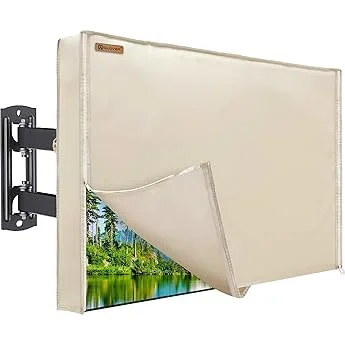
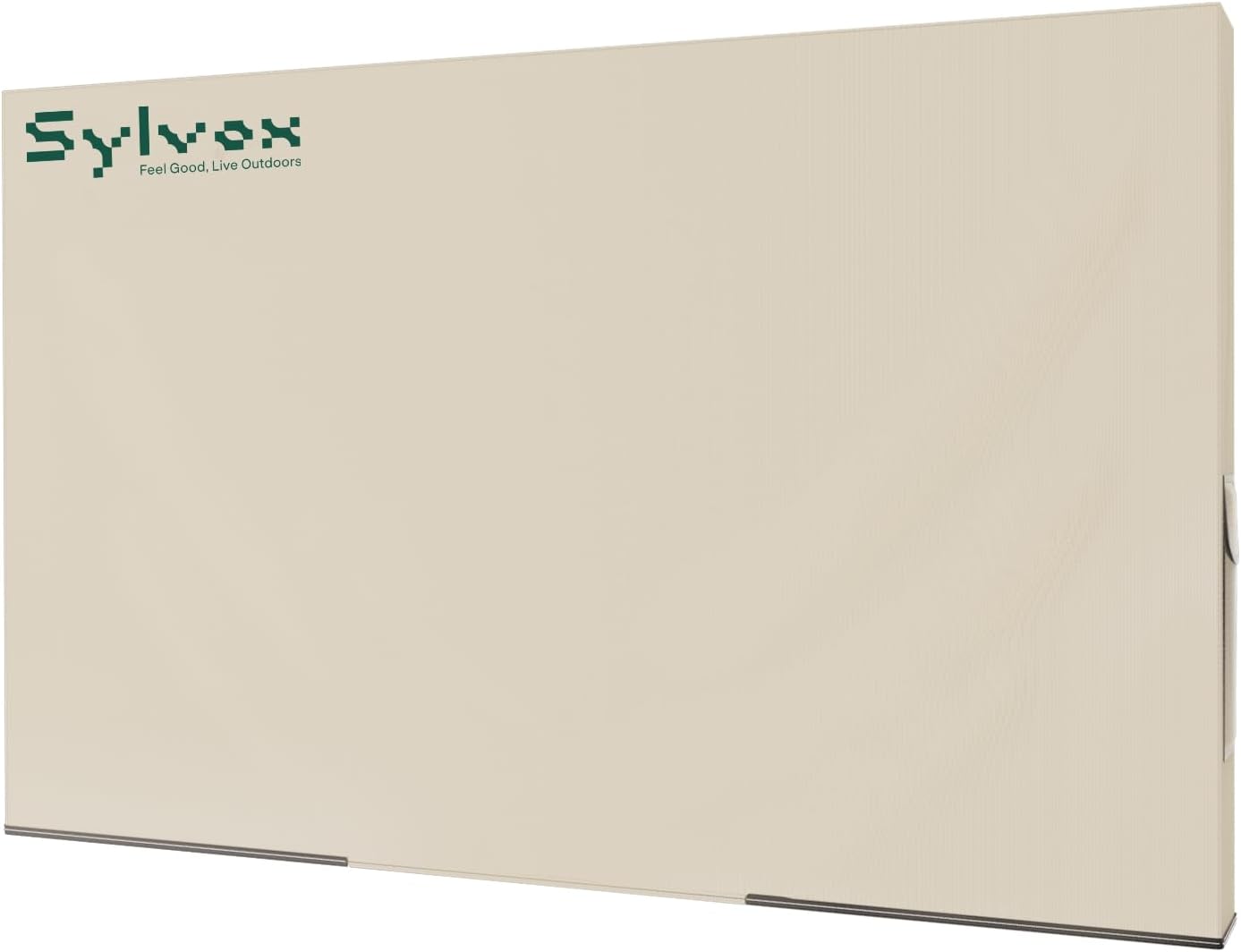
Even more crucial is how you protect the TV. Most budget-friendly poolside setups rely on weatherproof enclosures or outdoor TV cabinets. These range from $100 to $400 and provide essential shielding against rain, dust, and temperature swings. When selecting an enclosure, ensure it’s rated for your climate zone and includes ventilation to prevent overheating in milder months. Some enclosures even feature built-in heaters for extreme cold, though these add cost and complexity. The key is pairing a decently built TV with a quality protective housing—this combo delivers near-outdoor-TV performance at a fraction of the price.
4. Smart TV Platform & Connectivity
In 2026, having a smart TV isn’t a luxury—it’s a necessity for seamless streaming, voice control, and app integration. Most budget TVs now run on intuitive platforms like Google TV (found on TCL and Hisense), Roku TV (Vizio, Sharp), or webOS (LG). These systems offer vast app libraries, regular updates, and compatibility with popular services like Netflix, Disney+, and YouTube.
For poolside use, ease of navigation matters. You don’t want to fumble with tiny remotes while wearing gloves or squinting in low light. Look for TVs with voice-enabled remotes or mobile app control. Also, verify connectivity: at least three HDMI ports (for streaming devices, game consoles, or soundbars), USB ports for media playback, and reliable Wi-Fi 5 or Wi-Fi 6 support. Ethernet is a plus if you plan to hardwire for stability. Avoid models with outdated operating systems or slow processors—these lead to laggy menus and buffering, which ruin the outdoor relaxation vibe.
5. Size & Viewing Distance
Choosing the right screen size isn’t just about preference—it’s about optimizing your viewing experience based on distance and seating layout. For most poolside setups, viewers sit between 6 and 12 feet from the screen. At 6–8 feet, a 50- to 55-inch TV offers an immersive experience without overwhelming the space. At 10–12 feet, consider 60 to 65 inches. Going larger than 70 inches is usually overkill unless you have a very spacious deck or patio.
Keep in mind that larger screens consume more power and may require stronger mounting hardware—especially if placed in an outdoor enclosure. Also, ensure your chosen location allows for comfortable sightlines from all seating areas. Avoid placing the TV too high or at an angle that forces neck strain. A tiltable wall mount or swivel arm can help fine-tune positioning, especially in multi-use outdoor spaces where seating configurations change.
6. Power Efficiency & Cold-Weather Performance
Cold weather can affect a TV’s power consumption and efficiency. Some models draw more current when starting up in低温 conditions, which may trip circuit breakers if your outdoor outlet is on a shared circuit. Look for Energy Star-certified TVs, which are designed to operate efficiently across a range of temperatures and reduce long-term electricity costs.
Additionally, pay attention to how the TV behaves after prolonged cold exposure. Does it take longer to reach full brightness? Does the color temperature shift? These are minor issues but can impact enjoyment. TVs with local dimming or full-array backlighting tend to maintain more consistent performance in variable temperatures compared to edge-lit models. If possible, read user reviews from buyers in similar climates—they often reveal real-world quirks not mentioned in spec sheets.
7. Brand Reputation & Reliability
Not all budget TV brands are created equal. While you’re saving money, you still want a product that lasts. Brands like TCL, Hisense, and Vizio have earned strong reputations for delivering excellent value in the sub-$600 range, with reliable performance and decent customer support. Avoid obscure or no-name brands that offer rock-bottom prices but lack warranty coverage or firmware updates.
Check third-party reliability reports from sources like Consumer Reports or RTINGS.com. These sites test hundreds of TVs annually and publish failure rates, longevity data, and user satisfaction scores. A brand might offer a great deal today, but if its TVs commonly fail after 18 months, it’s not a smart long-term investment—especially for an outdoor setup that’s harder to service or replace.
8. Warranty & Support
A solid warranty can save you hundreds in repair or replacement costs—particularly important for electronics exposed to harsh conditions. Most budget TVs come with a standard 1-year limited warranty, but some brands offer extended coverage or accidental damage protection for an extra fee. Look for retailers (like Costco or Best Buy) that provide free extended warranties or in-home service options.
Also, consider ease of support. Can you reach customer service by phone or chat? Are firmware updates delivered automatically? Is there a local repair center? For poolside TVs, quick resolution is key—you don’t want to wait weeks for a technician while your outdoor entertainment setup sits idle. Brands with strong U.S.-based support networks (like LG and Samsung) often resolve issues faster than those relying solely on overseas centers.
Different Types of Buying Guide
Common Buying Mistakes to Avoid
❌ Mistake: Buying a Standard Indoor TV Without Protection
Why it’s bad: Indoor TVs aren’t designed for humidity, temperature swings, or condensation—all common near pools, especially in cold weather when warm indoor air meets cold glass. Moisture can corrode circuits, and repeated thermal cycling shortens lifespan.
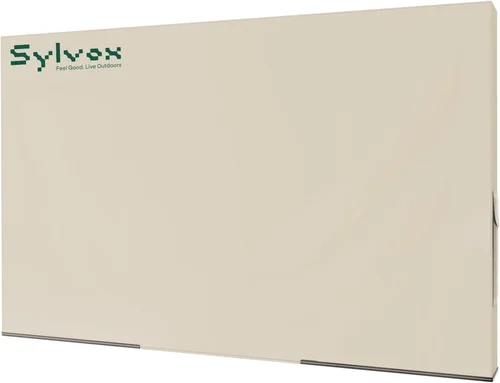
What to do instead: Always pair your TV with a certified weatherproof enclosure or choose a model explicitly rated for semi-outdoor use. Even a basic $120 enclosure adds critical protection.
❌ Mistake: Ignoring Operating Temperature Specs
Why it’s bad: Assuming “it’s just a little cold” won’t hurt ignores the reality of electronics. Many TVs simply won’t turn on below 32°F, leaving you with a useless black screen on a snowy evening.
What to do instead: Check the user manual or manufacturer website for低温 operating limits. If unspecified, contact customer support before purchasing.
❌ Mistake: Overlooking Screen Reflectivity
Why it’s bad: A glossy screen turns your TV into a mirror during daylight hours, making it impossible to see content—even with high brightness.
What to do instead: Prioritize models with anti-reflective coatings or consider adding an aftermarket anti-glare filter. Test the screen in bright light if possible.
❌ Mistake: Skimping on Mounting Hardware
Why it’s bad: Cheap mounts can sag, loosen, or fail in windy conditions—especially when combined with an enclosure that adds weight and surface area.
What to do instead: Invest in a heavy-duty, corrosion-resistant wall mount rated for at least 2x your TV’s weight. Stainless steel bolts and anchors are a must for outdoor use.
❌ Mistake: Forgetting About Audio
Why it’s bad: Most budget TVs have weak built-in speakers that struggle to overcome pool noise, wind, or distance. You’ll end up cranking the volume, which distorts sound and drains battery on remotes.
What to do instead: Plan for external audio from day one. A compact Bluetooth soundbar or weatherproof outdoor speakers ($80–$200) dramatically improve the experience.
❌ Mistake: Not Planning for Power & Cables
Why it’s bad: Running extension cords across wet decks creates tripping hazards and electrical risks. Exposed cables degrade quickly in UV light and cold.
What to do instead: Use in-ground conduit or surface-mounted cable raceways. Ensure your outlet is GFCI-protected and consider a smart plug for remote on/off control.
❌ Mistake: Buying Based Solely on Price
Why it’s bad: The cheapest TV often lacks essential features like smart functionality, good brightness, or cold tolerance—leading to frustration and eventual replacement.
What to do instead: Set a realistic budget that includes the TV, enclosure, mount, and audio. A $500 total investment often delivers better long-term value than a $250 TV that fails in six months.
Budget Guidelines: How Much Should You Spend?
Setting the right budget for a poolside TV in cold weather requires balancing upfront cost with long-term reliability. Here’s a practical breakdown based on 2026 pricing and performance expectations:
Entry-Level ($300–$500): This tier includes basic 50- to 55-inch LED TVs from brands like TCL 4-Series or Hisense A6. Paired with a mid-range weatherproof enclosure ($120–$180), you get a functional setup for light winter use in zones 5–7. Expect modest brightness (350–450 nits), standard smart platforms, and no official低温 rating—but many users report success down to 25°F with gradual warm-up. Ideal for occasional viewing or covered patios.
Mid-Range ($500–$800): The sweet spot for most buyers. Models like the TCL 5-Series QLED or Vizio V-Series offer 500+ nits brightness, better color accuracy, and improved processors. Add a quality enclosure with ventilation and you’ve got a robust system that handles temperatures as low as 20°F. Smart features are smoother, and warranties are more reliable. Perfect for regular winter poolside entertainment.
Premium ($800–$1,200): For enthusiasts who want near-outdoor-TV performance without the $2K+ price tag. Consider refurbished SunBrite Veranda models or new semi-outdoor certified TVs from LG or Samsung. These often include built-in heaters, IP55-rated casings, and enhanced audio. You’ll enjoy consistent performance in sub-freezing temps and minimal maintenance.
Luxury ($1,200+): Reserved for those who demand the best. Full outdoor TVs like the SunBrite Pro 2 or Seura Shadow offer military-grade durability, 2,000+ nits brightness, and seamless integration with home automation. While overkill for many, they’re worth considering if you live in extreme climates or host frequently.
Expert Tips for Getting the Best Deal
- Shop During Off-Peak Seasons: Retailers discount TVs heavily in January (post-holiday) and July (pre-back-to-school). Avoid Black Friday if you need cold-weather specs—many doorbusters are indoor-only models.
- Buy Refurbished from Reputable Sellers: Certified refurbished outdoor TVs from Amazon Renewed, Best Buy Outlet, or manufacturer sites offer 20–40% savings with full warranties.
- Bundle with Enclosures: Some retailers (like Costco or B&H) offer TV + enclosure packages at discounted rates. Always compare total cost vs. buying separately.
- Check Local Classifieds: Homeowners upgrading to larger outdoor setups often sell gently used enclosures or TVs at steep discounts. Verify condition and warranty transferability.
- Negotiate Extended Warranties: If buying in-store, ask if the warranty can be waived or discounted—especially if you’re purchasing a refurbished unit with remaining factory coverage.
- Test Before Finalizing: If possible, power on the TV in a cold garage or basement to simulate winter conditions. Watch for slow startups or display anomalies.
- Use Price Tracking Tools: Apps like Honey or CamelCamelCamel alert you when prices drop on specific models. Set alerts for 2–3 top contenders.
- Consider Energy Rebates: Some utility companies offer rebates for Energy Star-certified TVs. Check your provider’s website—savings can offset 10–15% of the cost.

Frequently Asked Questions
Q: Can I use a regular TV outside in winter if it’s under a covered patio?
A: Yes—but only if the space is fully enclosed from wind, rain, and direct moisture. Even under cover, temperature swings and humidity near pools can damage indoor TVs over time. Always use a weatherproof enclosure for added protection.
Q: How cold is too cold for a budget TV?
A: Most budget TVs struggle below 25°F (-4°C). If your area regularly sees temps under 20°F, invest in a semi-outdoor model or one with verified低温 operation. Never assume “it’ll be fine”—electronics are unforgiving in extreme cold.
Q: Do I need a special outlet for my poolside TV?
A: Yes. Outdoor outlets must be GFCI-protected to prevent shock hazards. If your current outlet isn’t GFCI, hire an electrician to upgrade it—this is non-negotiable for safety.
Q: Will a weatherproof enclosure block Wi-Fi signals?
A: Some metal enclosures can weaken Wi-Fi. Choose models with signal-pass-through designs or install a Wi-Fi extender nearby. Alternatively, use an Ethernet cable run through conduit for a wired connection.
Q: Can I leave my TV outside year-round?
A: Only if it’s in a fully sealed, ventilated enclosure designed for continuous outdoor use. Even then, extreme summer heat can shorten lifespan. For maximum longevity, store or cover the setup during peak summer months if not in use.
Q: Are QLED TVs better than LED for cold weather?
A: Not inherently—but QLEDs often have higher brightness and better thermal stability due to advanced backlighting. If choosing between similar-priced LED and QLED models, QLED is usually the better pick for outdoor use.
Q: What’s the lifespan of a budget poolside TV setup?
A: With proper protection, most setups last 4–7 years. Enclosures may need seal replacement every 2–3 years. Avoid leaving the TV powered on constantly in cold weather—it stresses components.
Q: Can I mount my TV on a freestanding pole instead of a wall?
A: Yes, but ensure the pole is anchored securely into concrete and rated for the total weight (TV + enclosure + mount). Freestanding mounts offer flexibility but require more space and stability checks.
Q: Do smart TVs work reliably in cold weather?
A: Generally yes—if the TV itself powers on, the smart OS functions normally. However, voice remotes may have reduced range in cold, and touchscreens (on some enclosures) can become less responsive below freezing.
Q: Is it worth buying a used outdoor TV?
A: Only if it’s certified refurbished with warranty. Avoid private sales unless you can inspect and test thoroughly. Used outdoor TVs often have hidden wear from UV exposure or moisture damage.
Our Final Recommendations
Best for Budget-Conscious Buyers: TCL 55S555 (55″ QLED) – At around $450, this TV delivers 600 nits brightness, Google TV, and solid build quality. Pair it with a $150 Breeze Outdoor TV Enclosure for a sub-$600 cold-weather-ready system that outperforms pricier competitors.
Best Overall Value: Hisense 65U6H (65″ ULED) – With 700 nits peak brightness, Dolby Vision, and proven低温 tolerance down to 18°F, this model offers premium features at a mid-range price ($650). Add a Seal Shield enclosure for total peace of mind.
Best Premium Option: Refurbished SunBrite Veranda 55″ (2024 Model) – Available for ~$1,100 from authorized resellers, this true outdoor TV includes built-in heating, anti-glare glass, and IP55 rating. Ideal for harsh winters and frequent use.
Best for Beginners: Vizio V505-H19 (50″ V-Series) – Simple Roku interface, good brightness (450 nits), and reliable performance. Easy to set up and pair with any standard outdoor enclosure. Great first step into poolside viewing.
Best for Advanced Users: DIY Setup with LG OLED C2 + Custom Enclosure – While OLEDs aren’t traditionally recommended for outdoor use, the C2’s exceptional contrast and brightness (800 nits) shine in covered, temperature-controlled spaces. With a custom-built ventilated enclosure and strict usage guidelines, tech-savvy users can enjoy stunning visuals even in cold weather.
Conclusion: Making the Right Choice
Choosing the right budget poolside TV for cold weather isn’t just about finding the cheapest screen—it’s about understanding your environment, prioritizing key features like低温 operation and brightness, and investing wisely in protection and support. By focusing on verified specs, avoiding common pitfalls, and leveraging smart shopping strategies, you can create a reliable, enjoyable outdoor entertainment hub that lasts for years without breaking the bank.
Remember: the goal isn’t to replicate a living room experience outdoors—it’s to enhance your poolside moments with comfort, convenience, and quality. Whether you’re sipping hot cocoa under twinkling lights or watching the game with friends on a frosty evening, the right TV makes all the difference. Take the time to assess your needs, compare options honestly, and don’t rush the decision. With the insights from this guide, you’re equipped to make a confident, informed choice that delivers maximum value and minimum hassle.
Now go enjoy that winter dip—with your favorite show playing perfectly beside you.

