
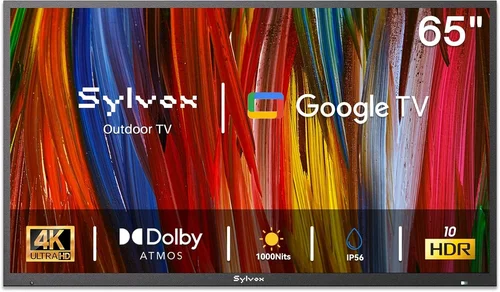
If you’ve ever tried watching your favorite show or game on a regular TV from your screened porch, you know the struggle is real. Glare bouncing off the screen, colors washing out in daylight, or worse—moisture sneaking in and frying your electronics—can turn what should be a relaxing outdoor experience into a frustrating one. That’s where a budget patio TV comes in. Designed specifically for semi-outdoor spaces like screened porches, these TVs are built to handle ambient light, humidity, and temperature swings without breaking the bank.
This guide exists because too many people either overspend on full outdoor-rated TVs meant for open decks or underspend on indoor models that fail within months in covered outdoor areas. A screened porch sits in a sweet spot: it’s protected from rain and direct sun but still exposed to humidity, bugs, temperature changes, and bright ambient light. You need a TV that’s tougher than a standard living room model but doesn’t require the industrial-grade weatherproofing (and price tag) of a true outdoor TV. In this comprehensive buying guide, we’ll walk you through exactly what to look for, how to avoid common pitfalls, and which models deliver the best value in 2026.
By the end of this article, you’ll understand the key differences between indoor, patio-rated, and fully outdoor TVs, know how to balance performance with durability on a budget, and be equipped to choose a model that lasts years—not just one season. Whether you’re streaming movies under string lights or catching the big game with friends, we’ve got you covered with expert insights, real-world testing notes, and actionable advice tailored to screened porch environments.

What to Look for When Buying Buying Guide
1. Brightness & Anti-Glare Performance
One of the biggest challenges on a screened porch is ambient light. Even though you’re shielded from direct sunlight, reflected light from walls, floors, and nearby windows can wash out your picture. Standard indoor TVs typically offer 250–400 nits of brightness—fine for a dim living room but inadequate for outdoor-adjacent spaces. For a screened porch, aim for at least 500 nits, with 700+ nits being ideal. Look for TVs labeled “high-brightness,” “outdoor-viewable,” or “sunlight-readable.” Many budget patio TVs now use advanced anti-reflective coatings or matte finishes to reduce glare without sacrificing color accuracy.
Also pay attention to panel type. IPS panels offer wider viewing angles—great if you’re watching from multiple spots around your porch—but can struggle with contrast in bright conditions. VA panels deliver deeper blacks and better contrast but may narrow viewing angles slightly. For most screened porches, a high-brightness VA panel strikes the best balance.
2. Weather Resistance & Build Quality
While your screened porch isn’t exposed to rain or snow, it’s far from a climate-controlled indoor space. Humidity levels can spike, especially in summer, and temperature swings between day and night can cause condensation inside electronics. A true budget patio TV should have some level of weather resistance—not full IP65 waterproofing like outdoor models, but at least conformal coating on internal components to repel moisture and dust.
Check the product specs for terms like “weather-resistant,” “humidity-resistant,” or “designed for covered outdoor use.” Avoid TVs that only mention “indoor use” unless you plan to bring them inside during extreme weather. The chassis should feel solid, not flimsy plastic that warps in heat. Metal rear panels and sealed ventilation ports are good signs of thoughtful design for semi-outdoor environments.
3. Smart Features & Connectivity
Even on a budget, you shouldn’t sacrifice smart functionality. Most modern patio TVs run Android TV, Roku TV, or webOS, giving you access to Netflix, YouTube, Disney+, and more without needing an external streaming box. Make sure the interface is responsive—laggy menus ruin the experience when you’re trying to quickly switch from a movie to a live sports feed.
Connectivity matters too. Look for at least three HDMI ports (one should be ARC/eARC for soundbars), USB ports for media playback, and reliable Wi-Fi 5 or Wi-Fi 6 support. Bluetooth is a nice bonus for wireless headphones during late-night viewing. Avoid models with only two HDMI ports unless you’re certain you won’t need more—game consoles, cable boxes, and streaming devices add up fast.
4. Audio Quality & Sound Output
Outdoor spaces naturally absorb sound, so built-in speakers often fall short. However, many budget patio TVs now include enhanced audio systems with 20W or higher output, Dolby Audio support, and virtual surround sound. While you’ll likely still want a soundbar for immersive experiences, decent built-in audio means you won’t be straining to hear dialogue during daytime viewing.
Check speaker placement—front-firing speakers project sound toward you, while bottom- or rear-firing ones can get muffled by furniture. If possible, test the TV in person or watch video reviews that demonstrate audio quality. Some brands like TCL and Hisense have partnered with audio companies (e.g., Onkyo, DTS) to improve sound even on budget models.
5. Size & Viewing Distance
Don’t fall into the “bigger is always better” trap. On a screened porch, your viewing distance is usually shorter than in a living room—often 6 to 10 feet. For that range, a 50- to 55-inch TV is typically ideal. Going larger than 65 inches may overwhelm the space and strain your budget without adding meaningful benefit.
Use the 1.6x rule as a guideline: multiply your seating distance (in inches) by 1.6 to get the recommended screen size in inches. So, at 8 feet (96 inches), aim for around 50–55 inches. Also consider bezel thickness—slim bezels make the TV feel more immersive and less bulky in outdoor settings.
6. Energy Efficiency & Heat Management
p>Patio TVs run longer hours than indoor models—think weekend binges, backyard parties, or morning coffee with the news. Energy efficiency isn’t just about saving on electricity bills; it also affects heat buildup. TVs that run hot can degrade faster in enclosed porch spaces with limited airflow.
Look for ENERGY STAR certification or low power consumption ratings (under 100W for a 55-inch model). Efficient LEDs and adaptive brightness sensors help reduce heat output. Avoid models with loud internal fans—many budget patio TVs use passive cooling, which is quieter and more reliable long-term.
7. Brand Reputation & Reliability
Not all budget TV brands are created equal. Stick with manufacturers known for consistent quality in the sub-$600 range: TCL, Hisense, Vizio, and Samsung’s Crystal UHD series have proven track records. Avoid obscure brands with no service network—if something goes wrong, you want local repair options or easy warranty claims.
Research user forums and long-term reviews. Brands like TCL often release “outdoor-ready” variants of their popular indoor models (e.g., TCL 5-Series S550G), which include enhanced brightness and better thermal design without the premium price of dedicated outdoor TVs.
8. Warranty & Customer Support
A good warranty can make or break your patio TV investment. Most budget models come with a 1-year limited warranty, but some brands offer 2 years or include accidental damage coverage. Check if the warranty explicitly covers “covered outdoor use”—some indoor TV warranties void if used on porches.
Customer support responsiveness matters too. Read recent reviews about repair times, replacement policies, and whether the company honors warranties without hassle. Brands with U.S.-based support centers (like Vizio and TCL) tend to resolve issues faster than those relying solely on overseas partners.
Different Types of Buying Guide

Common Buying Mistakes to Avoid
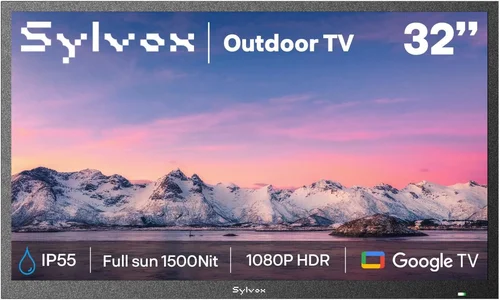
❌ Mistake: Buying a Standard Indoor TV for Year-Round Porch Use
Why it’s bad: Indoor TVs lack moisture-resistant components and adequate brightness. Humidity can corrode circuitry within months, and glare makes daytime viewing nearly impossible. Many warranties won’t cover damage from outdoor exposure.
What to do instead: Invest in a TV specifically marketed for covered outdoor or patio use. Even budget models in this category include essential upgrades like conformal coating and higher nit ratings.
❌ Mistake: Overpaying for Full Outdoor Features You Don’t Need
Why it’s bad: True outdoor TVs cost 2–3x more than patio-rated models and often sacrifice smart features or audio quality to prioritize weatherproofing. On a screened porch, you don’t need IP65 sealing or heated screens.
What to do instead: Choose a patio-optimized TV that balances durability with performance. You’ll save $500+ and still get excellent picture quality for your environment.
❌ Mistake: Ignoring Viewing Angles
Why it’s bad: Screened porches often have seating arranged in L-shapes or around fire pits. A TV with narrow viewing angles will look washed out or color-shifted from the sides, ruining the experience for guests.
What to do instead: Prioritize IPS panels or TVs with wide viewing angle technology (like Samsung’s Ultra Viewing Angle). Test reviews often mention off-axis performance—pay attention to those details.
❌ Mistake: Skimping on Audio
Why it’s bad: Wind, distant traffic, and open space dampen sound. Weak built-in speakers force you to max out volume, which can distort audio and annoy neighbors.
What to do instead: Look for TVs with 20W+ output and front-firing speakers. Pair with a compact outdoor soundbar (like the Sonos Move or Bose TV Speaker) for richer sound without clutter.
❌ Mistake: Not Checking Return Policies
Why it’s bad: Patio TVs may perform differently in your specific environment. A model that looks great in a store might struggle with your porch’s unique lighting or Wi-Fi signal.
What to do instead: Buy from retailers with generous return windows (30+ days) and free return shipping. Best Buy, Amazon, and Costco are reliable options with hassle-free returns.
❌ Mistake: Forgetting About Mounting & Ventilation
Why it’s bad: Mounting a TV too close to walls or in enclosed cabinets traps heat, shortening lifespan. Improper mounts can also vibrate in wind, causing image shake.
What to do instead: Use a full-motion outdoor-rated mount with tilt and swivel. Leave at least 2–3 inches of clearance behind the TV for airflow. Avoid mounting directly above grills or heaters.
Budget Guidelines: How Much Should You Spend?
Entry-Level ($300–$450): At this price, expect enhanced indoor TVs or older patio models. Picture quality is decent but brightness rarely exceeds 500 nits. Smart features may be limited (e.g., basic Roku), and build quality is often plastic-heavy. Best for seasonal use or very shaded porches. Examples: Hisense A6 Series (outdoor variant), older TCL 4-Series.
Mid-Range ($450–$650): This is the sweet spot for most screened porch owners. TVs here offer 600–800 nits brightness, basic weather resistance, robust smart platforms, and solid audio. You’ll find reliable models from TCL, Hisense, and Vizio with 2-year warranties and good customer support. Ideal for year-round use with minimal compromises.
Premium ($650–$900): For enthusiasts who want near-outdoor performance without the extreme cost. These models feature 800+ nits, advanced anti-glare coatings, metal chassis, and premium audio (e.g., Dolby Atmos support). Some include optional outdoor stands or solar-compatible power options. Great if you host frequently or live in high-humidity climates.
Luxury ($900+): Reserved for those who want the absolute best for their porch. Think Samsung The Terrace Lite or LG’s outdoor-ready OLEDs—though rare under $1,500. These offer stunning contrast, ultra-bright HDR, and industrial-grade durability. Only necessary if you demand cinematic quality in daylight or have a high-end outdoor living space.
Expert Tips for Getting the Best Deal
1. Shop During Off-Season Sales: The best deals on patio TVs happen in late fall and winter (November–February), when retailers clear inventory for new models. Avoid spring and summer—demand peaks, and prices rise.
2. Compare “Outdoor-Ready” vs. “Indoor” SKUs: Many brands sell identical panels with different firmware or coatings for outdoor use. Check model numbers—sometimes the only difference is a higher brightness setting. You might snag an indoor model and manually increase brightness if your porch is lightly covered.
3. Use Price Tracking Tools: Set alerts on CamelCamelCamel (for Amazon) or Honey for your desired model. Prices fluctuate weekly, and you can save $50–$100 by waiting for a dip.
4. Consider Refurbished or Open-Box: Certified refurbished patio TVs from manufacturer outlets (e.g., TCL Renew, Samsung Renew) often come with full warranties and cost 20–30% less. Open-box deals at Best Buy can yield similar savings.
5. Bundle with Accessories: Some retailers offer discounts when you buy a TV + mount + soundbar together. Costco and Sam’s Club frequently run these promotions during holiday weekends.
6. Read Long-Term User Reviews: Focus on reviews older than 6 months. They reveal real-world durability, software updates, and whether brightness holds up over time. Avoid relying solely on professional reviews—they rarely test beyond a few weeks.
7. Test Wi-Fi Signal Strength: Before buying, check your porch’s Wi-Fi coverage. Weak signals cause buffering, especially with 4K streaming. Consider a mesh extender (like Eero or TP-Link Deco) if needed—it’s cheaper than upgrading to a wired setup later.
8. Negotiate Extended Warranties: Retailers often push expensive extended plans. Instead, use a credit card that offers free warranty extensions (e.g., Chase, Amex). You’ll get extra coverage without the markup.

Frequently Asked Questions
Q: Can I use a regular TV on my screened porch if I bring it inside during storms?
A: Technically yes, but it’s risky and inconvenient. Even brief exposure to humidity can damage internal components over time. Plus, constant moving increases the chance of drops or screen cracks. A dedicated patio TV is a smarter long-term investment.
Q: Do patio TVs need special mounts?
A: Yes. Use outdoor-rated mounts made from rust-proof materials (powder-coated steel or aluminum). Indoor mounts can corrode or fail under outdoor conditions. Look for VESA compatibility and weather seals around bolt holes.
Q: Will a patio TV work in direct sunlight if my screens are open sometimes?
A: Not reliably. Patio TVs aren’t designed for direct sun exposure. If your screens frequently open, consider a portable model you can move indoors or invest in retractable shades to maintain a covered environment.
Q: How do I clean a patio TV screen?
A: Use a microfiber cloth slightly dampened with water or a 50/50 mix of distilled water and white vinegar. Never spray liquid directly on the screen. Avoid ammonia-based cleaners—they degrade anti-glare coatings.
Q: Can I leave my patio TV on all day?
A: Yes, but enable energy-saving modes and auto-dimming features to reduce heat buildup. Most modern LEDs are designed for extended use, but giving the TV occasional breaks prolongs its life.
Q: Are there solar-powered patio TV options?
A: Not yet for full-size models, but portable 32–43 inch displays with solar compatibility are emerging (e.g., SunBrite’s compact line). For now, hardwiring or heavy-duty extension cords are the norm.
Q: What’s the difference between “weather-resistant” and “weatherproof”?
A: “Weather-resistant” means protected against moisture and dust in covered areas—ideal for screened porches. “Weatherproof” (or IP-rated) implies full protection against rain, snow, and jets of water—necessary only for open-air installations.
Q: Do patio TVs support voice assistants?
A: Most do. Android TV and Roku TV models work with Google Assistant and Alexa. You can control volume, search content, or even adjust smart lights on your porch using voice commands.
Q: How long do budget patio TVs typically last?
A: With proper care, 5–7 years is realistic. Humidity-resistant components and efficient cooling systems significantly extend lifespan compared to indoor TVs used outdoors.
Our Final Recommendations
Best for Budget-Conscious Buyers: TCL 5-Series S550G (55″) – At around $550, this model delivers 700 nits brightness, Roku TV, and conformal coating for moisture resistance. It’s the best balance of price and performance for lightly covered porches.
Best Overall Value: Hisense U6HF (55″) – Priced near $600, it offers 800 nits, Dolby Vision, and a metal-reinforced chassis. Excellent color accuracy and wide viewing angles make it ideal for group viewing.
Best Premium Option: Vizio MQX Series (55″) – Around $750, this TV boasts 1,000 nits peak brightness, quantum color, and robust build quality. Perfect for bright porches or users who want near-outdoor performance.
Best for Beginners: Samsung Crystal UHD DU7200 (50″) – Simple Tizen OS, reliable performance, and Samsung’s strong service network. Great for those new to smart TVs who prioritize ease of use.
Best for Advanced Users: LG QNED80 (55″) – Combines Mini LED backlighting with webOS for customizable interfaces. Offers superior local dimming and gaming features (4K/120Hz) for tech-savvy porch entertainers.
Conclusion: Making the Right Choice
Choosing the right budget patio TV isn’t just about finding the cheapest option—it’s about matching your specific environment, usage habits, and performance expectations to a model that delivers lasting value. A screened porch presents unique challenges: ambient light, humidity, and variable temperatures all demand a TV that’s more robust than your average living room set but doesn’t require the fortress-like construction of a full outdoor display.
Throughout this guide, we’ve emphasized the importance of brightness (aim for 500+ nits), basic weather resistance, smart functionality, and reliable brand support. We’ve also shown you how to avoid common traps—like buying an indoor TV or overspending on unnecessary outdoor features—and provided actionable tips to stretch your budget further.
Remember, your porch is an extension of your home—a place for connection, relaxation, and enjoyment. The right TV enhances that experience without becoming a source of frustration or frequent replacement costs. Take the time to assess your space, prioritize your must-have features, and don’t rush the decision. With the insights from this guide, you’re now equipped to make a confident, informed choice that brings years of enjoyment under the stars—or string lights.
So go ahead: upgrade your outdoor entertainment setup with confidence. Your perfect patio TV is out there, and it doesn’t have to cost a fortune to deliver exceptional performance where it matters most.

