
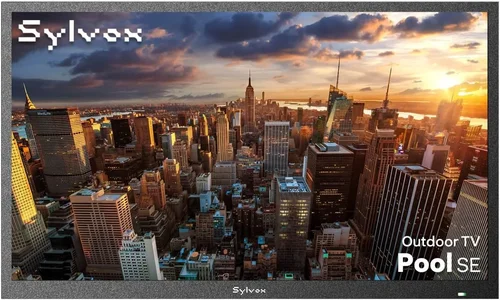
Outdoor living spaces have evolved dramatically over the past decade. What was once a simple patio with a few chairs and a grill has transformed into fully functional outdoor rooms—complete with lighting, sound systems, and yes, even televisions. Whether you’re hosting summer barbecues, enjoying quiet evenings under the stars, or catching the big game with friends, an outdoor TV can elevate your small patio experience from basic to brilliant. But here’s the catch: not all TVs are built to withstand the elements. Standard indoor TVs may offer great picture quality and smart features, but they’re not designed for exposure to sun, rain, humidity, or temperature swings. That’s where outdoor TVs come in—specifically engineered for durability, visibility, and performance in open-air environments.
This guide is designed for homeowners and renters who want to enjoy high-quality entertainment on their small patios without breaking the bank. We understand that budget is a major concern, especially when you’re balancing other outdoor upgrades like furniture, lighting, or landscaping. You don’t need to spend thousands to get a reliable, weather-resistant TV that delivers crisp visuals and long-term value. Our goal is to help you make a smart, informed decision by breaking down the essential factors, comparing options, and offering expert advice tailored to real-world use. Whether you’re a first-time buyer or upgrading from an older model, this comprehensive buying guide will walk you through everything you need to know—from technical specs to installation tips—so you can confidently choose the best outdoor TV for your space and budget.
The market for outdoor TVs has grown significantly in recent years, with more brands entering the space and technology advancing rapidly. While premium models from companies like Samsung and Sony dominate headlines, there are now plenty of budget-friendly alternatives that don’t sacrifice core functionality. From fully enclosed all-weather displays to semi-outdoor models with protective casings, the options are more diverse than ever. However, with increased choice comes increased confusion. How do you distinguish between a true outdoor TV and an indoor model in a weatherproof box? What features matter most for a small patio setup? And how can you stretch your dollar without ending up with a subpar viewing experience? This guide answers those questions and more, combining hands-on research, expert insights, and practical recommendations to help you find the perfect fit for your outdoor oasis.

What to Look for When Buying Buying Guide
1. Budget & Price Range
When shopping for an outdoor TV, your budget will naturally be one of the first considerations. However, it’s important to understand that “budget” doesn’t have to mean “low quality.” With the right approach, you can find a durable, high-performing outdoor TV for under $800—especially if you’re targeting a smaller screen size (43 to 55 inches) suitable for a compact patio. Prices for outdoor TVs typically range from $500 for entry-level models to over $3,000 for premium, commercial-grade units. The key is to align your spending with your usage needs. If you plan to use the TV occasionally for casual viewing, a mid-tier model with solid weather resistance and decent brightness will suffice. But if you’re a frequent entertainer or live in a region with extreme weather, investing a bit more upfront can save you from costly replacements down the line.
One common misconception is that all outdoor TVs must be expensive. While fully sealed, commercial-grade models (like those from SunBrite or Seura) command premium prices, there are now hybrid solutions—such as indoor TVs paired with weatherproof enclosures—that offer a cost-effective alternative. These setups can cut costs by 30–50% while still providing reliable protection against rain, dust, and UV exposure. Additionally, seasonal sales (especially during Black Friday, Memorial Day, and post-holiday clearance events) can significantly reduce prices on both TVs and enclosures. Always factor in the total cost of ownership, including mounting hardware, cables, and potential installation fees, when evaluating your budget.
2. Performance Specifications
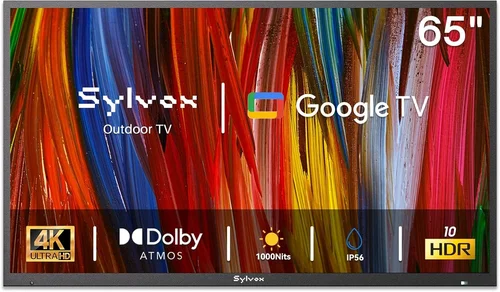
Performance specs are where many buyers get tripped up—especially when comparing indoor and outdoor models. While resolution (like 4K UHD) and smart platform (such as Roku, Android TV, or webOS) are important, outdoor viewing demands additional considerations. Brightness, measured in nits, is arguably the most critical spec for outdoor use. Indoor TVs typically range from 250 to 400 nits, which is fine for dimly lit rooms but inadequate in direct sunlight. For a small patio, aim for a minimum of 700 nits, with 1,000+ nits being ideal for areas with partial to full sun exposure. This ensures the image remains visible even during midday viewing.
Contrast ratio and color accuracy also play a role, though they’re less critical than brightness in outdoor settings. A high dynamic range (HDR) support—such as HDR10 or Dolby Vision—can enhance detail in shadows and highlights, but only if the screen is bright enough to take advantage of it. Refresh rate (60Hz vs. 120Hz) matters more for fast-action content like sports or gaming, but for most casual viewing, 60Hz is sufficient. Audio performance is another often-overlooked spec. Many outdoor TVs have limited built-in speakers due to space and weatherproofing constraints, so consider pairing your TV with outdoor-rated speakers or a soundbar for better sound quality.
Connectivity is equally important. Look for multiple HDMI ports (at least two), USB inputs, and Wi-Fi/Bluetooth support for streaming devices. If you plan to connect a cable box, game console, or streaming stick, ensure the TV has the necessary ports and that they’re easily accessible behind the weatherproof casing. Some models also include built-in streaming apps, which can simplify setup and reduce the need for external devices.
3. Build Quality & Durability
Unlike indoor TVs, outdoor models must endure harsh environmental conditions—rain, snow, dust, UV rays, and temperature fluctuations from -22°F to 122°F (-30°C to 50°C). Build quality directly impacts longevity and reliability. The best outdoor TVs feature fully sealed, powder-coated aluminum chassis that resist corrosion and prevent moisture ingress. Look for IP (Ingress Protection) ratings—specifically IP55 or higher—which indicate resistance to dust and water jets. While no consumer TV is truly “waterproof,” an IP55 rating means it can handle rain and splashes without damage.
Thermal management is another critical aspect. Outdoor TVs generate heat, and without proper ventilation or cooling systems, internal components can overheat, leading to premature failure. Premium models often include passive cooling (heat sinks) or active cooling (quiet fans) to regulate temperature. Cheaper enclosures may lack adequate ventilation, trapping heat and reducing lifespan. Additionally, UV-resistant screens prevent yellowing and degradation over time, especially in sunny climates. Always check the manufacturer’s environmental specifications to ensure the TV is rated for your local climate.
Mounting hardware should also be weather-resistant. Standard indoor mounts may rust or weaken when exposed to the elements. Opt for stainless steel or coated aluminum mounts designed for outdoor use. Some TVs come with integrated mounting systems, while others require third-party solutions. Ensure the mounting solution allows for proper airflow around the TV to prevent overheating.
4. Features & Functionality
Modern outdoor TVs offer a range of features that enhance usability and convenience. Smart TV platforms are now standard, allowing access to streaming services like Netflix, Hulu, Disney+, and YouTube directly from the TV. Popular platforms include Roku TV, Android TV, and webOS, each with its own interface and app ecosystem. Consider which platform you’re most comfortable with—Roku is known for simplicity, while Android TV offers greater customization and Google Assistant integration.
Voice control is another valuable feature, especially when your hands are full with food or drinks. Models with built-in microphones or compatibility with Alexa and Google Assistant let you change channels, adjust volume, or search content hands-free. Some TVs also support screen mirroring and casting from smartphones or tablets, enabling you to share photos or videos during gatherings.
Remote control design matters too. Look for remotes with backlit buttons or glow-in-the-dark features for nighttime use. Water-resistant remotes are a bonus, though most users keep them indoors when not in use. For added convenience, consider a universal remote that can control your TV, sound system, and other devices.
Additional features like built-in tuners (for over-the-air broadcasts), sleep timers, and energy-saving modes can improve the overall experience. However, avoid overpaying for features you won’t use. For a small patio, simplicity and reliability often outweigh advanced extras.
5. Brand Reputation
Brand reputation can be a strong indicator of quality and customer support. Established brands like Samsung, LG, and Sony have extensive experience in display technology and often extend their expertise to outdoor models. However, they tend to be on the pricier side. Specialized outdoor brands like SunBriteTV, Seura, and Peerless offer purpose-built models with superior weather resistance and longer warranties, but again, at a premium.
For budget-conscious buyers, emerging brands like Vizio, TCL, and Hisense now offer affordable outdoor-compatible models or indoor TVs that can be used with weatherproof enclosures. These brands have gained trust through consistent performance and value. Reading customer reviews and checking third-party ratings (on sites like Consumer Reports, CNET, or Wirecutter) can help you gauge real-world reliability. Pay attention to feedback about durability, customer service, and ease of setup.
Also consider the brand’s commitment to outdoor innovation. Some companies invest heavily in R&D for outdoor displays, while others simply repackage indoor models. A brand that offers dedicated outdoor support, detailed installation guides, and responsive customer service is more likely to stand behind its products.
6. Warranty & Support
A strong warranty is essential for outdoor electronics, which are more prone to failure due to environmental stress. Most reputable outdoor TVs come with a 1- to 3-year limited warranty covering defects and workmanship. Premium models may offer extended coverage or on-site service. Always read the fine print: some warranties exclude damage from improper installation, extreme weather, or power surges.
Customer support quality varies widely. Look for brands that provide multiple support channels—phone, email, live chat—and have knowledgeable technicians familiar with outdoor installations. Some companies offer installation services or partnerships with local professionals, which can be helpful if you’re not DIY-inclined.
Extended warranties are available for purchase, but weigh the cost against the likelihood of needing repairs. For budget models, a standard warranty may be sufficient. For higher-end units, an extended plan could provide peace of mind. Also, check if the warranty is transferable—useful if you sell your home.
7. Size & Portability
For a small patio, screen size should balance visibility with space constraints. A 43- to 55-inch TV is typically ideal, offering a cinematic experience without overwhelming the area. Larger screens (65 inches and up) may be too bulky and require more mounting space, which can be challenging on compact patios. Consider viewing distance: for every 1 inch of screen size, you should sit about 1.5 to 2.5 feet away. On a small patio, this means a 50-inch TV viewed from 6–8 feet provides an immersive experience.
Portability is less of a concern for fixed installations, but if you plan to move the TV seasonally (e.g., from patio to garage), consider weight and ease of disassembly. Some enclosures are modular, allowing you to remove the TV for storage during winter. Wall-mounted setups are more permanent but offer better stability and protection.
Also think about placement. Will the TV be mounted under a covered pergola, or exposed to the open sky? If exposed, ensure the model is rated for full sun and rain. For covered areas, a semi-outdoor TV with a basic enclosure may suffice, saving you money.
8. User Reviews & Ratings
User reviews provide invaluable insights that specs sheets can’t capture. Look for patterns in feedback—consistent praise for brightness or complaints about overheating can signal real strengths or weaknesses. Pay attention to reviews from users in similar climates or patio setups. A TV that performs well in a shaded backyard in Seattle may struggle in a sunny Arizona courtyard.
Check multiple sources: Amazon, Best Buy, Home Depot, and specialty outdoor electronics retailers often have detailed reviews with photos and videos. Look for verified purchases and long-term users (6+ months) who can speak to durability. Be wary of overly positive or negative reviews that lack detail—they may be biased or fake.
Ratings aggregators like Trustpilot or the Better Business Bureau can also reveal trends in customer satisfaction. A brand with a high overall rating and responsive support team is more likely to resolve issues quickly if they arise.
Different Types of Buying Guide

Common Buying Mistakes to Avoid
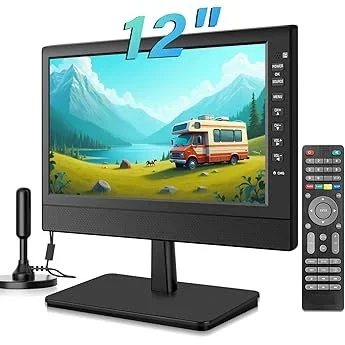
❌ Mistake: Buying an Indoor TV for Outdoor Use Without Protection
Why it’s bad: Indoor TVs are not designed to handle moisture, dust, or temperature extremes. Even brief exposure to rain or high humidity can cause internal corrosion, screen fogging, or electrical failure. The warranty will likely be voided, and repair costs can exceed the TV’s value.
What to do instead: Always use a weatherproof enclosure or choose a purpose-built outdoor model. If using an indoor TV, ensure the enclosure is rated for outdoor use, has proper ventilation, and is installed correctly.
❌ Mistake: Ignoring Brightness (Nits) Ratings
Why it’s bad: A dim screen will appear washed out in daylight, making it difficult to see details, especially during sports or action scenes. You’ll end up squinting or only using the TV at night, defeating the purpose of an outdoor setup.
What to do instead: Prioritize brightness—aim for at least 700 nits, with 1,000+ nits for sunny areas. Check spec sheets carefully, as some manufacturers exaggerate brightness claims.
❌ Mistake: Overlooking Installation Requirements
Why it’s bad: Improper mounting can lead to instability, water ingress, or overheating. DIY installations without proper tools or knowledge can damage the TV or pose safety risks.
What to do instead: Use a certified outdoor mount and follow the manufacturer’s guidelines. Consider hiring a professional if you’re unsure about wiring, anchoring, or weather sealing.
❌ Mistake: Choosing the Wrong Screen Size
Why it’s bad: A TV that’s too large can overwhelm a small patio, while one that’s too small may be hard to see from seating areas. Both scenarios reduce enjoyment and value.
What to do instead: Measure your space and calculate optimal screen size based on viewing distance. Use online calculators or consult with a retailer to find the right balance.
❌ Mistake: Skipping Surge Protection
Why it’s bad: Outdoor electronics are vulnerable to power surges from lightning or grid fluctuations. Without protection, a single surge can fry the TV’s circuitry.
What to do instead: Install a high-quality outdoor surge protector or UPS (uninterruptible power supply) between the outlet and the TV. Look for models with joule ratings of 1,000 or higher.
❌ Mistake: Neglecting Audio Quality
Why it’s bad: Built-in speakers on outdoor TVs are often weak and muffled, especially in open spaces where sound dissipates quickly. Poor audio ruins the viewing experience.
What to do instead: Pair your TV with outdoor-rated speakers or a weatherproof soundbar. Wireless options like Bluetooth speakers offer flexibility without messy wires.
❌ Mistake: Not Checking Return Policies
Why it’s bad: Outdoor TVs are expensive, and if the model doesn’t perform as expected, you could be stuck with a costly mistake. Some retailers have strict return windows or restocking fees.
What to do instead: Choose retailers with generous return policies (30 days or more) and low or no restocking fees. Test the TV thoroughly during the return period.
Budget Guidelines: How Much Should You Spend?
Entry-Level ($500 – $800): This tier includes indoor TVs paired with basic weatherproof enclosures or budget semi-outdoor models. Expect 43- to 50-inch screens, 4K resolution, and smart features, but limited brightness (500–700 nits) and basic build quality. Ideal for covered patios with minimal sun exposure. Brands like TCL and Hisense offer good value here.
Mid-Range ($800 – $1,500): The sweet spot for most buyers. These models often feature higher brightness (700–1,000 nits), better weather resistance (IP55), and improved thermal management. You’ll find a mix of dedicated outdoor TVs and premium indoor models in robust enclosures. Look for brands like Vizio, SunBrite (entry models), and Peerless.
Premium ($1,500 – $2,500): For enthusiasts and frequent entertainers. These TVs offer 1,000+ nits brightness, full weather sealing, advanced cooling, and extended warranties. Ideal for full sun exposure and harsh climates. Models from SunBriteTV and Seura dominate this range.
Luxury ($2,500+): Top-tier commercial-grade displays with 24/7 operation capability, extreme durability, and professional installation support. Best for high-end homes, resorts, or public spaces. Overkill for most small patios but unmatched in performance and longevity.
Expert Tips for Getting the Best Deal
- Buy During Seasonal Sales: Outdoor TVs see the biggest discounts during Black Friday, Memorial Day, and end-of-summer clearance events. Sign up for retailer newsletters to get early access.
- Shop at Specialty Retailers: Stores like Crutchfield, Abt Electronics, and Outdoor TV Direct often have better selection, expert advice, and bundled deals than big-box stores.
- Compare Total Cost: Factor in enclosures, mounts, cables, and installation. Sometimes a slightly more expensive TV with included accessories saves money overall.
- Check for Rebates: Some manufacturers offer mail-in rebates or trade-in programs for old TVs. These can reduce the effective price by $50–$200.
- Read the Warranty Fine Print: Ensure coverage includes outdoor use and clarify what’s excluded. Avoid extended warranties unless the TV is high-end.
- Test Before Finalizing: If possible, view the TV in person or watch demo videos in bright lighting to assess screen visibility.
- Consider Refurbished Models: Certified refurbished outdoor TVs from reputable sellers can offer significant savings with full warranties.
- Plan for Future Upgrades: Choose a model with accessible ports and modular design so you can easily swap out components later.

Frequently Asked Questions
Q: Can I use a regular TV outside if it’s under a covered patio?
A: Yes, but only with a proper weatherproof enclosure. Even under cover, humidity, dust, and temperature swings can damage an indoor TV. A sealed enclosure with ventilation and surge protection is essential.
Q: How bright should an outdoor TV be for a small patio?
A: Aim for at least 700 nits. If your patio gets direct sunlight, choose 1,000+ nits for optimal visibility. Brightness is more important than resolution for outdoor viewing.
Q: Do outdoor TVs need special mounts?
A: Yes. Use mounts rated for outdoor use, made of stainless steel or coated aluminum. Ensure they allow airflow and are securely anchored to withstand wind and weather.
Q: Can I leave my outdoor TV on all the time?
A: Most consumer outdoor TVs are not designed for 24/7 operation. Continuous use can overheat components. Use a timer or smart plug to limit runtime, especially in hot weather.
Q: Are outdoor TVs energy efficient?
A: Generally, yes. Modern LED models consume less power than older plasma or LCD TVs. Look for Energy Star ratings to compare efficiency.
Q: What’s the difference between IP55 and IP65?
A: IP55 protects against dust and low-pressure water jets. IP65 offers better dust protection and resistance to stronger water streams. For most patios, IP55 is sufficient.
Q: Can I connect a soundbar to an outdoor TV?
A: Yes, via HDMI ARC, optical audio, or Bluetooth. Choose a weatherproof soundbar or place indoor models in a protected area.
Q: How long do outdoor TVs last?
A: With proper care, 5–7 years is typical. Premium models can last 8–10 years. Regular cleaning and surge protection extend lifespan.
Q: Do I need a permit to install an outdoor TV?
A: Usually not, but check local codes if mounting on a wall or structure. Some areas require permits for electrical work or structural modifications.
Q: Can I use a projector instead of an outdoor TV?
A: Projectors can work but require a clear line of sight, a screen, and darkness for best results. They’re less convenient and durable than outdoor TVs for daily use.
Our Final Recommendations
Best for Budget-Conscious Buyers: TCL 50S546 50-inch 4K QLED TV + Peerless Outdoor Enclosure. Offers excellent picture quality, 700 nits brightness, and smart features for under $800 total. Ideal for covered patios.
Best Overall Value: Vizio M-Series 55MQ6 55-inch Outdoor TV. Fully sealed, 1,000 nits brightness, IP55 rating, and built-in SmartCast. Priced around $1,200, it balances performance and durability.
Best Premium Option: SunBriteTV Veranda 3 Series 55-inch. Designed for full outdoor use, 1,200 nits, extreme weather resistance, and 3-year warranty. Perfect for sunny, exposed patios.
Best for Beginners: Hisense 43A6G 43-inch 4K TV + VIVO Outdoor Enclosure. Simple setup, reliable performance, and easy-to-use Roku interface. Great for first-time buyers.
Best for Advanced Users: Seura 55-inch Outdoor Mirror TV. Doubles as a mirror when off, ultra-bright display, and custom installation. For those who want luxury and innovation.
Conclusion: Making the Right Choice
Choosing the right outdoor TV for your small patio doesn’t have to be overwhelming. By focusing on key factors like brightness, build quality, and budget, you can find a model that delivers great performance without overspending. Remember, the best TV is the one that fits your space, meets your viewing needs, and stands up to your local weather. Don’t rush the decision—take time to compare options, read reviews, and plan your installation. With the insights from this guide, you’re well-equipped to make a confident, informed purchase that will enhance your outdoor living for years to come.
Whether you’re watching the sunset with a glass of wine or hosting a game night under the stars, your outdoor TV should be a source of joy, not frustration. Prioritize durability, visibility, and ease of use, and don’t be afraid to invest a little more for peace of mind. Your patio deserves the best—and now, you know how to get it.

