
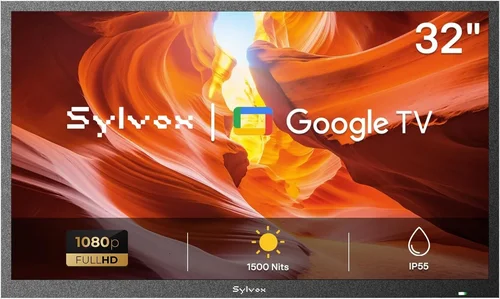
Outdoor football season is more than just a game—it’s a lifestyle. Whether you’re hosting tailgates in the parking lot, setting up a backyard viewing party, or enjoying a crisp autumn afternoon on your patio, having the right TV can transform your experience from ordinary to unforgettable. But here’s the catch: most indoor TVs simply aren’t built to handle the elements. Sunlight glare, humidity, temperature swings, and dust can turn a promising setup into a frustrating one—especially when you’re trying to catch that game-winning touchdown.
That’s where budget outdoor TVs come in. These specialized displays are engineered to deliver reliable performance in open-air environments without breaking the bank. In this comprehensive guide, we’ll walk you through everything you need to know to choose the best budget outdoor TV for your football-watching needs in 2026. From understanding key technical specs to avoiding common pitfalls, we’ll help you make a smart, informed decision that balances cost, durability, and picture quality.
The market for outdoor TVs has evolved dramatically over the past few years. What was once a niche category dominated by ultra-premium models now includes a growing number of affordable options that don’t sacrifice essential features. Brands like SunBriteTV, Samsung, LG, and even newer entrants like Sylvane and Peerless have introduced budget-friendly lines designed specifically for shaded patios, covered porches, and semi-outdoor spaces. With prices starting as low as $500 for smaller models and climbing to around $1,500 for larger, feature-rich units, there’s never been a better time to invest in an outdoor display—even on a tight budget.

What to Look for When Buying Buying Guide
1. Budget & Price Range
When shopping for a budget outdoor TV, it’s crucial to define your price range upfront. Unlike indoor TVs, outdoor models come with added engineering costs—weatherproofing, anti-glare coatings, enhanced brightness, and robust enclosures—all of which affect pricing. For 2026, expect entry-level outdoor TVs to start around $500–$700 for 43-inch models, while mid-range options (55–65 inches) typically fall between $900 and $1,300. Premium budget models may stretch to $1,500 but still offer significant savings compared to fully commercial-grade outdoor displays that can cost $3,000 or more.
Don’t confuse “budget” with “cheap.” A well-chosen budget outdoor TV should deliver reliable performance, decent picture quality, and long-term durability—not just the lowest sticker price. Look for models that offer the best value within your range, not just the cheapest option. Often, spending an extra $100–$200 can get you a significantly better display with improved brightness, smarter features, or a longer warranty.
2. Performance Specifications
Performance specs are where many buyers go wrong—especially when comparing indoor vs. outdoor TVs. For outdoor use, three specs matter most: brightness (measured in nits), contrast ratio, and refresh rate.
Brightness is king outdoors. Indoor TVs typically range from 300 to 600 nits, but even in shaded areas, ambient light can wash out the image. A true outdoor TV should deliver at least 700 nits, with 1,000+ nits being ideal for partially sunny spots. Look for terms like “high-brightness panel” or “anti-reflective coating” in the product description.
Contrast ratio affects how deep blacks appear and how vibrant colors pop—critical for seeing players’ uniforms and field details under variable lighting. Aim for a native contrast ratio of at least 3,000:1. While dynamic contrast ratios (often listed as “5,000,000:1”) sound impressive, they’re marketing fluff—focus on native contrast instead.
Refresh rate determines motion smoothness. For fast-paced sports like football, a 60Hz panel is acceptable, but 120Hz is preferable if you can find it in your budget. Some budget outdoor TVs now include motion interpolation or MEMC (Motion Estimation, Motion Compensation) technology to reduce blur during quick cuts and player movements.
3. Build Quality & Duridity
Outdoor TVs must withstand more than just rain—they face UV exposure, temperature extremes, dust, insects, and even accidental bumps. That’s why build quality is non-negotiable.
Look for an IP (Ingress Protection) rating. For shaded outdoor use, IP55 is sufficient—it protects against dust and low-pressure water jets. If your TV will be exposed to direct rain or sprinklers, aim for IP65 or higher. However, most budget outdoor TVs are designed for covered areas like porches or pergolas, so IP55 is usually adequate.
The enclosure should be made of powder-coated aluminum or marine-grade stainless steel—not plastic. Plastic housings can warp, crack, or degrade under UV exposure. Also check for sealed ports, rubber gaskets around buttons, and ventilation designed to prevent overheating without letting moisture in.
Mounting hardware matters too. Ensure the TV is VESA-compatible (most are) and that the included or recommended mount is rated for outdoor use. Avoid using indoor mounts—they’re not built to handle wind loads or corrosion.
4. Features & Functionality
Modern budget outdoor TVs pack surprising features. Smart TV platforms like Roku TV, Android TV, or webOS allow you to stream games via NFL+, ESPN+, or YouTube TV without needing a separate streaming box. Look for Wi-Fi 5 (802.11ac) or Wi-Fi 6 support for stable connectivity, especially if your router is far from the viewing area.
HDMI ports are essential—aim for at least two, preferably three. One might connect to a soundbar, another to a streaming device, and a third as a backup. USB ports are useful for firmware updates or playing media files.
Voice control via Alexa or Google Assistant is increasingly common and convenient for changing channels or adjusting volume without fumbling for remotes. Some models even include weather-resistant remotes with backlighting—a small but welcome detail.
Avoid TVs that lack local dimming or HDR support if you want richer visuals. While HDR10 is standard, Dolby Vision is rare in budget models—but not necessary for casual football viewing.
5. Brand Reputation
Not all outdoor TV brands are created equal. Established names like SunBriteTV (now part of SnapAV) pioneered the category and still lead in durability, but their prices often exceed $2,000. For budget buyers, consider reputable consumer electronics brands that have expanded into outdoor models.
Samsung’s “The Terrace” series offers excellent value, with models under $1,500 that include 4K HDR, smart features, and solid weather resistance. LG’s “Outdoor Edition” TVs are similarly well-regarded. Newer brands like Sylvane and Peerless offer competitive specs at lower prices but may have shorter track records.
Check professional reviews from outlets like RTINGS.com, CNET, or Wirecutter. User reviews on Amazon or Best Buy can reveal real-world issues—like poor customer service or premature panel failure—that specs sheets won’t show.
6. Warranty & Support
Outdoor TVs are investments, and warranties reflect how confident a manufacturer is in their product. Most budget outdoor TVs come with a 1–2 year limited warranty. However, some brands offer extended coverage for outdoor use—look for explicit mention of “outdoor warranty” or “weather-related damage protection.”
Avoid brands that void warranties if the TV is used outdoors—some indoor TV manufacturers do this! Also, check if the warranty includes on-site service or requires you to ship the unit back (which can be costly for a 65-inch TV).
Customer support responsiveness matters. Can you reach a human quickly? Are replacement parts available? Brands with U.S.-based support teams tend to resolve issues faster than those relying on overseas call centers.
7. Size & Viewing Distance
Choosing the right size isn’t just about screen real estate—it’s about matching the TV to your space and seating arrangement. For outdoor setups, larger isn’t always better. A 75-inch TV might overwhelm a small patio, while a 43-inch model could feel too small for a large backyard crowd.
Use this rule of thumb: multiply your viewing distance (in feet) by 12 to get the ideal screen size (in inches). So if your seating is 8 feet away, an 80-inch TV would be ideal—but impractical for most budgets. Instead, opt for a 55–65 inch model at that distance.
Consider portability if you plan to move the TV between locations (e.g., from garage to patio). Some budget outdoor TVs come with optional rolling stands or lightweight designs, though true portability is rare due to weight and fragility concerns.
8. User Reviews & Ratings
Never buy an outdoor TV based solely on specs. Real user feedback reveals quirks, failures, and hidden strengths. Look for reviews that mention specific outdoor conditions: “held up through three rainy seasons,” “still bright at noon under the pergola,” or “remote stopped working after six months.”
Pay attention to verified purchase reviews and photos. If multiple users report the same issue—like Wi-Fi dropout or color fading—it’s likely a design flaw. Conversely, consistent praise for ease of setup or picture clarity in sunlight is a strong endorsement.
Use aggregate ratings wisely. A 4.2-star average with 500+ reviews is more reliable than a 4.8-star rating with only 15 reviews. Also, check recent reviews—technology changes fast, and a model praised in 2023 might have been discontinued or revised by 2026.
Different Types of Buying Guide

Common Buying Mistakes to Avoid
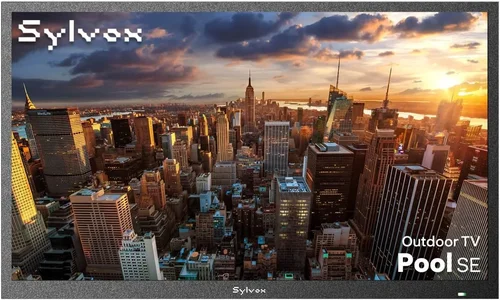
❌ Mistake: Buying an Indoor TV for Outdoor Use
Why it’s bad: Indoor TVs lack the brightness, weatherproofing, and thermal management needed for outdoor environments. Even in shade, they’ll appear dim, overheat, and fail prematurely due to moisture or dust ingress.
What to do instead: Invest in a TV specifically designed for outdoor or semi-outdoor use. If budget is extremely tight, consider a high-brightness indoor TV (700+ nits) paired with a certified outdoor enclosure—but never use a standard indoor TV bare outside.
❌ Mistake: Ignoring Viewing Angle
Why it’s bad: Outdoor seating often spreads across wide areas. TVs with narrow viewing angles (common in VA panels) lose color accuracy and contrast when viewed from the side—ruining the experience for guests on couches or lawn chairs.
What to do instead: Choose a TV with an IPS panel or one that advertises “wide viewing angle” technology. Test side-angle performance in store if possible, or rely on reviews that mention this spec.
❌ Mistake: Overlooking Audio Quality
Why it’s bad: Most budget outdoor TVs have weak built-in speakers. In open spaces, dialogue gets drowned out by wind, traffic, or crowd noise—making it hard to hear commentary or crowd reactions.
What to do instead: Plan for external audio from day one. Pair your TV with a weather-resistant soundbar or outdoor speakers. Many budget models include optical audio out or Bluetooth for easy connectivity.
❌ Mistake: Skipping the Mounting Plan
Why it’s bad: Outdoor mounts must handle wind, weight, and corrosion. Using an indoor mount or improper hardware can lead to sagging, vibration, or even the TV falling—posing safety risks.
What to do instead: Purchase a mount rated for outdoor use with your TV’s weight and VESA pattern. Consider tilt or full-motion mounts for optimal viewing angles, and ensure wall or ceiling anchors are suitable for your surface (wood, concrete, etc.).
❌ Mistake: Assuming All “Outdoor” TVs Are Equal
Why it’s bad: Some brands label TVs as “outdoor-ready” but only include minor upgrades like a weather-resistant remote. True outdoor TVs have sealed internals, enhanced cooling, and optical bonding to reduce glare.
What to do instead: Read the fine print. Look for terms like “optically bonded display,” “fanless cooling,” or “UV-resistant coating.” If the product page doesn’t specify these, it’s likely a repackaged indoor model.
❌ Mistake: Neglecting Power and Connectivity
Why it’s bad: Running long HDMI or power cables across your yard creates tripping hazards and signal degradation. Wi-Fi may also struggle outdoors due to distance or interference.
What to do instead: Use wireless HDMI transmitters for short-range streaming or invest in buried conduit for permanent setups. Ensure your router supports mesh networking or add an outdoor Wi-Fi extender.
❌ Mistake: Buying Without Testing in Your Environment
Why it’s bad: A TV that looks great in a dim showroom may appear washed out under your patio’s specific lighting conditions. Shadows, reflections, and ambient light vary widely by location.
What to do instead: If possible, visit a retailer with outdoor display demos. Alternatively, buy from a seller with a generous return policy (30+ days) so you can test the TV in your actual setup before committing.
Budget Guidelines: How Much Should You Spend?
– Entry-Level ($500–$800): Ideal for small patios or shaded garages. Expect 43–50 inch screens, 700–900 nits brightness, basic smart features, and IP55 rating. Picture quality is decent but may struggle in bright conditions. Best for casual viewers who prioritize affordability over premium performance.
– Mid-Range ($800–$1,300): The sweet spot for most football fans. Offers 55–65 inch displays, 1,000+ nits brightness, robust smart platforms, and solid build quality. Many include voice control, multiple HDMI ports, and reliable Wi-Fi. This tier delivers the best balance of price, performance, and durability.
– Premium ($1,300–$1,800): For enthusiasts who want near-commercial-grade performance without the $3,000+ price tag. Features include 1,200–1,500 nits, Dolby Vision HDR, advanced cooling systems, and extended warranties. Suitable for larger gatherings or partially sunny areas.
– Luxury ($1,800+): Reserved for fully exposed installations or professional setups. These TVs boast 1,500+ nits, full IP65 ratings, anti-reflective glass, and industrial-grade components. Overkill for most homeowners but essential for poolside or open-deck viewing.
Expert Tips for Getting the Best Deal
– Buy during off-season: Prices drop significantly in late winter and early spring (February–April) when demand is lowest. Retailers clear inventory before summer launches.
– Check warehouse clubs: Costco, Sam’s Club, and BJ’s often carry outdoor TVs at discounted prices with extended return windows—sometimes up to 90 days.
– Bundle with accessories: Some retailers offer discounts when you buy a TV + mount + soundbar together. Even if you don’t need all items, the bundle price may still be lower than buying separately.
– Use price tracking tools: Set alerts on CamelCamelCamel (for Amazon) or Honey to notify you when prices dip below your target.
– Consider refurbished models: Certified refurbished outdoor TVs from reputable sellers (like Samsung Renewed or Best Buy Outlet) can save 20–30% with full warranties.
– Read return policies carefully: Outdoor TVs are bulky and expensive to return. Ensure the seller covers return shipping or offers in-store returns.
– Test connectivity beforehand: Verify your Wi-Fi signal strength at the installation site. Weak signals lead to buffering—especially during live sports.
– Register your warranty immediately: Some brands require registration within 30 days to activate coverage. Do it the day you unbox.

Frequently Asked Questions
Q: Can I use a regular TV outside if it’s under cover?
A: Technically yes—but not recommended. Even under cover, indoor TVs lack the brightness, anti-glare coating, and sealed components needed for reliable outdoor performance. Humidity, temperature swings, and dust will shorten its lifespan significantly.
Q: Do outdoor TVs need special power outlets?
A: No, they use standard 120V outlets. However, use a weatherproof outlet cover or GFCI-protected circuit for safety, especially near water sources.
Q: How do I clean my outdoor TV screen?
A: Use a microfiber cloth and distilled water only. Avoid ammonia-based cleaners or paper towels, which can scratch the anti-reflective coating. Never spray liquid directly on the screen.
Q: Will my outdoor TV work in winter?
A: Most budget outdoor TVs operate between -22°F and 122°F (-30°C to 50°C). Below freezing, allow the TV to acclimate indoors for a few hours before powering on to prevent condensation.
Q: Can I mount an outdoor TV on a brick wall?
A: Yes, but use masonry anchors and a mount rated for your TV’s weight. Consult a professional if unsure—brick can crack under improper drilling.
Q: Do outdoor TVs come with stands?
A: Rarely. Most are designed for wall or ceiling mounting. Tabletop stands are available separately but not recommended for outdoor use due to stability concerns.
Q: How long do budget outdoor TVs last?
A: With proper care, 5–7 years is typical. Harsh climates or constant sun exposure may reduce lifespan. Regular cleaning and seasonal storage (if possible) can extend it.
Q: Can I stream 4K football games on a budget outdoor TV?
A: Yes, if the TV supports 4K HDR and has a stable internet connection. Services like NFL+, YouTube TV, and fuboTV offer 4K streams for major games.
Q: Are outdoor TVs energy efficient?
A: Generally yes. Modern LED-backlit models consume 100–200 watts, similar to indoor TVs of the same size. Look for ENERGY STAR certification for lower operating costs.
Q: What if my outdoor TV gets rained on?
A: If it’s rated IP55 or higher and properly installed, occasional rain shouldn’t damage it. However, avoid direct exposure to heavy downpours or sprinklers. Wipe off standing water after storms.
Our Final Recommendations
– Best for Budget-Conscious Buyers: Samsung The Terrace Partial Sun 55″ ($1,199) – Excellent brightness (1,000 nits), Roku TV built-in, and solid IP55 rating. Perfect for covered patios.
– Best Overall Value: LG 65″ Outdoor Edition UQ75 ($1,299) – Combines webOS smart platform, 1,100 nits brightness, and wide viewing angles at a competitive price.
– Best Premium Option: SunBriteTV Veranda Series 65″ ($1,799) – Near-commercial durability with 1,200 nits, anti-reflective glass, and 3-year outdoor warranty.
– Best for Beginners: Sylvane Outdoor 50″ 4K Smart TV ($749) – Simple setup, good app selection, and reliable performance for shaded areas.
– Best for Advanced Users: Peerless-AV 65″ Xtreme Outdoor Display ($1,499) – Fanless cooling, optical bonding, and customizable mounting options for tech-savvy installers.
Conclusion: Making the Right Choice
Choosing the right budget outdoor TV for football season doesn’t have to be overwhelming. By focusing on key factors—brightness, build quality, smart features, and real-world reviews—you can find a display that delivers crisp, vibrant action without blowing your budget. Remember: the goal isn’t perfection—it’s reliability, clarity, and enjoyment during those crucial fourth-quarter drives.
Prioritize your specific needs. If you’re hosting weekly tailgates, invest in durability and audio. If it’s just for weekend watch parties on the porch, a mid-range model with strong smart features will suffice. And always plan for accessories like mounts, soundbars, and cable management from the start.
Outdoor football viewing is about community, excitement, and shared moments. With the right TV, you’ll ensure every game feels larger than life—rain or shine. So grab your jersey, fire up the grill, and get ready to cheer louder than ever before. Your perfect outdoor setup is just a smart purchase away.

