
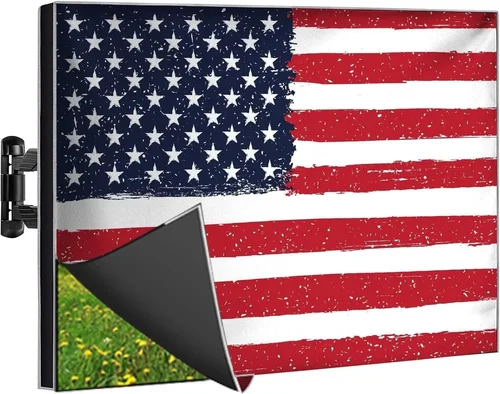
Outdoor living spaces have become the heart of modern home entertainment—especially in rental properties where tenants crave comfort, convenience, and a touch of luxury without long-term commitments. Whether it’s a cozy balcony, a sun-drenched patio, or a shared rooftop terrace, adding an outdoor TV can transform underused areas into vibrant social hubs. But here’s the catch: most renters can’t—or won’t—invest in high-end, permanently installed outdoor displays that cost thousands. That’s where budget outdoor televisions come in.
This guide is designed specifically for landlords, property managers, and renters who want to enhance outdoor spaces without breaking the bank or violating lease agreements. We’ll walk you through everything you need to know to choose a reliable, weather-resistant, and feature-packed outdoor TV that fits your budget and meets your needs. From understanding key performance specs to avoiding common pitfalls, we’ve got you covered. By the end of this article, you’ll be equipped with expert insights to make a smart, informed decision—whether you’re outfitting a single-unit rental or managing a multi-property portfolio.
The market for outdoor TVs has evolved dramatically over the past few years. Once dominated by ultra-expensive, fully sealed commercial-grade models, it now includes a growing segment of affordable, consumer-friendly options that balance durability with value. Brands like SunBrite, Seura, and Samsung have introduced lower-cost lines, while newer entrants such as Sylvane, KODAK, and even AmazonBasics offer surprisingly capable alternatives. These budget-friendly models may not match the extreme weather resilience of their premium counterparts, but they’re more than adequate for covered patios, screened-in porches, and shaded decks—common setups in rental homes. With prices starting under $500 and climbing to around $1,200 for mid-tier models, there’s never been a better time to bring outdoor entertainment to your property.

What to Look for When Buying Buying Guide
1. Budget & Price Range
Setting a realistic budget is the first and most critical step in your outdoor TV purchase. Unlike indoor TVs, outdoor models carry a premium due to specialized components like weatherproof casings, anti-glare screens, and enhanced cooling systems. However, “budget” doesn’t mean sacrificing all quality—it means prioritizing value. For rental properties, where ROI and tenant satisfaction matter, aim for a sweet spot between $600 and $1,000. This range typically delivers solid build quality, decent brightness (at least 700 nits), and essential smart features without the steep markup of commercial-grade units.
Avoid the temptation to go too cheap—models under $400 often use repurposed indoor TVs housed in flimsy outdoor enclosures. These may fail within a season due to moisture ingress, overheating, or UV damage. Conversely, don’t overspend on features you won’t use. A $2,000 fully sealed TV might be overkill for a covered balcony in a mild climate. Instead, allocate your budget wisely: invest in brightness and weather resistance first, then consider smart capabilities and sound quality.
2. Performance Specifications
Outdoor viewing demands higher performance than indoor use. Sunlight, glare, and ambient light can wash out even the best indoor screens, so brightness is paramount. Look for a minimum of 700 nits (cd/m²)—ideally 1,000 nits or more—for clear visibility in daylight. Resolution should be at least Full HD (1080p), though 4K is becoming standard even in budget models and offers sharper detail for larger screens.
Refresh rate matters too. A 60Hz panel is sufficient for casual viewing, but if you plan to stream sports or action movies, opt for 120Hz for smoother motion. HDR support (HDR10 or Dolby Vision) enhances color and contrast, making skies bluer and shadows deeper—perfect for outdoor movie nights. Also check input lag if gaming is a priority; under 20ms is ideal for responsive gameplay.
Don’t overlook audio. Most budget outdoor TVs have weak built-in speakers due to space and weatherproofing constraints. If sound quality is important, plan to pair your TV with weather-resistant outdoor speakers or a soundbar designed for exterior use.
3. Build Quality & Durability
This is non-negotiable for outdoor use. Even “budget” outdoor TVs must withstand temperature swings, humidity, rain, dust, and UV exposure. The enclosure should be IP55-rated or higher—meaning it’s protected against low-pressure water jets and limited dust ingress. Look for powder-coated aluminum frames, sealed ports, and tempered glass screens that resist scratches and reduce glare.
Thermal management is equally important. Unlike indoor TVs, outdoor models need active or passive cooling to prevent overheating in direct sun. Check if the TV has ventilation slots (properly shielded from water) or a sealed, fanless design. Fanless models are quieter and less prone to failure but may struggle in extreme heat. For covered areas, passive cooling is usually sufficient.
Finally, consider the mounting system. Ensure the TV supports VESA-compatible brackets and comes with a sturdy, corrosion-resistant wall mount or stand. For rental properties, quick-release mounts can simplify removal between tenants.
4. Features & Functionality
Smart TV platforms are now standard even in budget outdoor models. Android TV, Roku TV, and webOS offer access to Netflix, YouTube, Disney+, and other streaming services—key for tenant appeal. Look for Wi-Fi 5 (802.11ac) or Wi-Fi 6 support for reliable connectivity, especially if your property has weak outdoor signal coverage.
Voice control via Google Assistant or Alexa is a nice-to-have but not essential. More useful are multiple HDMI ports (at least two), USB inputs for media playback, and Bluetooth for wireless audio. Some models include built-in tuners for over-the-air broadcasts, which can be a bonus for local news or sports.
Remote control design matters too. Opt for a model with a backlit or large-button remote that’s easy to use in low light. Bonus points if it’s weather-resistant or comes with a protective case.
5. Brand Reputation
Not all budget outdoor TV brands are created equal. Established names like SunBrite (now part of SnapAV) and Seura have decades of experience in outdoor display technology and offer solid customer support. However, their budget lines (e.g., SunBrite Veranda Series) are still pricier than some alternatives.
Emerging brands like Sylvane, KODAK Outdoor, and Vizio’s outdoor offerings provide compelling value. Sylvane, in particular, specializes in climate-controlled electronics and backs its products with strong warranties. Avoid completely unknown brands sold exclusively through third-party Amazon sellers—these often lack service networks and may disappear after a year.
Check professional reviews from outlets like CNET, Wirecutter, or RTINGS.com, but also read user feedback on retailer sites. Pay attention to comments about longevity, customer service responsiveness, and real-world weather performance.
6. Warranty & Support
A good warranty is your safety net—especially important for rental properties where repairs or replacements fall on the owner. Most reputable budget outdoor TVs come with a 1- to 2-year limited warranty covering defects and weather-related failures. Some brands, like Sylvane, offer extended plans or on-site service in major metro areas.
Read the fine print: many warranties void coverage if the TV is installed in direct sunlight or uncovered areas unless explicitly rated for it. Also confirm whether the warranty transfers to new tenants—a key consideration for landlords.
Customer support quality varies widely. Brands with U.S.-based support teams (even if manufacturing is overseas) tend to resolve issues faster. Look for live chat, phone support, and detailed installation guides.
7. Size & Portability
Screen size should match your space. For small patios or balconies, a 43- to 50-inch TV is ideal—large enough to enjoy from a few feet away without overwhelming the area. Larger decks or communal spaces can accommodate 55- to 65-inch models, but remember that bigger screens cost more and require stronger mounts.
Portability matters for renters who may move or landlords who rotate units. Some budget outdoor TVs are surprisingly lightweight (under 30 lbs for 50-inch models) and come with carrying handles. Others are bulky and require two people to install. If you anticipate frequent moves, prioritize compact designs with tool-free mounting options.
Weight also affects structural requirements. Ensure your wall, railing, or stand can support the TV’s weight—especially in windy areas. A 65-inch outdoor TV can weigh 50+ lbs, so consult a contractor if unsure.
8. User Reviews & Ratings
Never buy based on specs alone. Real-world user experiences reveal flaws that lab tests miss—like poor remote range, inconsistent Wi-Fi, or fogging behind the screen after temperature changes. Focus on reviews from buyers in similar climates and installation scenarios.
Look for patterns: if multiple users report the same issue (e.g., “HDMI ports corroded after one rainy season”), it’s likely a design flaw. Conversely, consistent praise for ease of setup or clarity in sunlight is a strong endorsement.
Use aggregate rating sites like Trustpilot or the Better Business Bureau to assess brand reliability. A 4.5-star average with 500+ reviews is more trustworthy than a 5-star rating from 10 users.
Different Types of Buying Guide

Common Buying Mistakes to Avoid
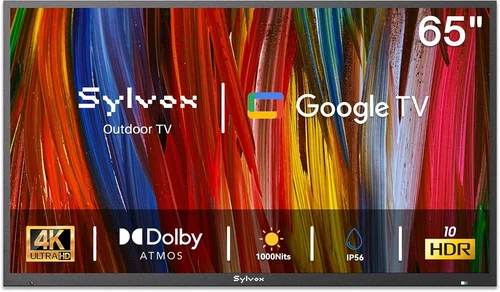
❌ Mistake: Buying an Indoor TV in a DIY Outdoor Enclosure
Why it’s bad: Indoor TVs aren’t designed for temperature fluctuations, humidity, or dust. Even with a waterproof box, internal condensation can short-circuit components within months. Most warranties are voided when used outdoors.
What to do instead: Invest in a purpose-built outdoor TV or a certified outdoor enclosure from a reputable brand. The extra cost upfront saves money and headaches long-term.
❌ Mistake: Ignoring Sunlight and Glare
Why it’s bad: A dim screen (under 500 nits) will be unwatchable on sunny days, defeating the purpose of an outdoor TV. Glare from windows or water features can further reduce visibility.
What to do instead: Choose a TV with at least 700 nits brightness and an anti-reflective coating. Position the screen perpendicular to the sun’s path when possible, or use outdoor curtains to control light.
❌ Mistake: Overlooking Power and Connectivity Needs
Why it’s bad: Running extension cords across patios creates tripping hazards and looks unprofessional. Weak Wi-Fi signals lead to buffering and frustration.
What to do instead: Plan for a dedicated outdoor-rated electrical outlet near the TV location. Use a weatherproof Wi-Fi extender or mesh network to boost signal. Consider wired Ethernet if running conduit is feasible.
❌ Mistake: Skipping the Warranty Check
Why it’s bad: Many “outdoor” TVs sold online have limited or no warranty coverage for weather damage. You could be stuck with a $800 paperweight after a single storm.
What to do instead: Verify warranty terms before buying. Look for explicit coverage of moisture, temperature, and UV damage. Register your product immediately after purchase.
❌ Mistake: Choosing the Wrong Size for the Space
Why it’s bad: A 75-inch TV on a tiny balcony overwhelms the area and may not be visible from seating. Conversely, a 32-inch screen on a large deck looks comically small.
What to do instead: Measure your viewing distance. A general rule: screen size (in inches) × 1.2 = optimal viewing distance in feet. For example, a 50-inch TV is best viewed from 60 inches (5 feet) away.
❌ Mistake: Neglecting Audio Quality
Why it’s bad: Built-in speakers on outdoor TVs are often muffled and lack volume, especially in open spaces with ambient noise (traffic, birds, etc.).
What to do instead: Budget for outdoor speakers or a weather-resistant soundbar. Many budget TVs support Bluetooth audio, allowing wireless pairing with portable speakers.
❌ Mistake: Assuming All “Outdoor” TVs Are Equal
Why it’s bad: Marketing terms like “weather-resistant” or “all-season” can be misleading. Some models are only suitable for fully covered areas, while others handle direct rain.
What to do instead: Read the IP rating and installation guidelines carefully. If unsure, contact the manufacturer directly to confirm suitability for your specific setup.
Budget Guidelines: How Much Should You Spend?
- Entry-Level ($400–$600): These are typically portable or semi-outdoor models best suited for covered balconies or screened-in porches. Expect 1080p resolution, 700–800 nits brightness, basic smart features, and limited weather resistance (IP54). Ideal for short-term rentals or mild climates. Examples include the KODAK Outdoor 43″ Smart TV and AmazonBasics Outdoor Display.
- Mid-Range ($600–$1,000): This is the sweet spot for most rental properties. You’ll get 4K resolution, 1,000+ nits brightness, robust IP55 enclosures, reliable smart platforms (Roku or Android TV), and better thermal management. Models like the Sylvane 50″ All-Weather Smart TV or SunBrite Veranda 55″ offer excellent value and durability for the price.
- Premium ($1,000–$1,500): For landlords investing in high-end rentals or vacation properties, this tier delivers near-commercial performance. Expect wider operating temperature ranges (-22°F to 122°F), enhanced anti-glare coatings, premium audio, and longer warranties. The Seura Shadow 55″ and newer Vizio Outdoor Series fall here.
- Luxury ($1,500+): Reserved for extreme environments or luxury builds, these fully sealed, fan-cooled units operate in direct sun, heavy rain, and freezing temps. They’re overkill for most rental scenarios but may be justified for beachfront condos or mountain cabins. Brands include Peerless-AV and Planar.
Expert Tips for Getting the Best Deal
- Shop During Off-Seasons: Outdoor TV sales peak in spring and summer. Buy in late fall or winter (November–February) for discounts of 15–30%. Retailers clear inventory to make room for new models.
- Compare Retailers Strategically: Big-box stores (Best Buy, Costco) often price-match online deals. Check Amazon, B&H Photo, and specialty sites like Sylvane for competitive pricing. Don’t forget to factor in shipping—some brands offer free delivery on outdoor TVs.
- Look for Refurbished or Open-Box Units: Certified refurbished outdoor TVs from the manufacturer can save 20–40% and come with full warranties. Open-box items at Best Buy or Micro Center are also reliable if inspected properly.
- Bundle with Accessories: Some retailers offer packages including mounts, cables, or speakers at a discount. A $900 TV with a $100 mount bundled for $950 is a better deal than buying separately.
- Check Return Policies: Ensure you have at least 30 days to return the TV if it doesn’t perform as expected. Some outdoor models require professional installation—confirm whether returns are allowed after mounting.
- Test Before Finalizing Installation: Power on the TV indoors first to verify all ports, Wi-Fi, and smart features work. This avoids the hassle of disassembling a mounted unit if there’s a defect.
- Negotiate with Landlords or HOA: If you’re a tenant, propose a cost-sharing agreement with your landlord. Frame the TV as a property upgrade that increases rental value and tenant retention.
- Monitor Price Drops: Use tools like Honey, CamelCamelCamel (for Amazon), or Google Shopping alerts to track price history and get notified of sales.

Frequently Asked Questions
Q: Can I use a regular indoor TV outdoors if it’s under a roof?
A: Technically yes, but it’s not recommended. Even under cover, humidity, temperature swings, and dust can damage internal components over time. Most indoor TV warranties exclude outdoor use, leaving you unprotected. A purpose-built outdoor TV is a safer, longer-lasting investment.
Q: Do outdoor TVs need special mounting hardware?
A: Yes. Standard indoor mounts aren’t rated for the weight and environmental stress of outdoor TVs. Use VESA-compatible outdoor mounts made from corrosion-resistant materials (e.g., stainless steel or powder-coated aluminum). Many outdoor TVs include a compatible mount in the box.
Q: How do I protect my outdoor TV from theft?
A: Use a security cable lock (like those for laptops) through the VESA mount holes. For permanent installations, consider a lockable enclosure or install the TV in a well-lit, visible area. Some smart TVs support remote disabling via app if stolen.
Q: Will an outdoor TV work in winter or cold climates?
A: It depends on the model. Most budget outdoor TVs operate down to 32°F. If you live in an area with freezing temps, look for models rated for -22°F or lower (usually in the premium tier). Avoid turning on the TV when it’s below its operating temperature—let it acclimate indoors first.
Q: Can I leave my outdoor TV on all the time?
A: Not advisable. Continuous operation generates heat and wears out components faster. Use a smart plug with a timer or voice control to turn it on only when needed. Most modern TVs also have energy-saving modes that dim the screen when idle.
Q: Do outdoor TVs consume more power than indoor ones?
A: Slightly, due to higher brightness and cooling systems. However, the difference is minimal—typically 10–20 watts more for a 50-inch model. Look for ENERGY STAR certification to ensure efficiency.
Q: What’s the lifespan of a budget outdoor TV?
A: With proper installation and maintenance, expect 5–7 years of reliable service. Factors like climate, usage frequency, and build quality affect longevity. Clean the screen and vents regularly to prevent dust buildup.
Q: Can I stream 4K content reliably outdoors?
A: Yes, if your Wi-Fi signal is strong. Use a mesh network or outdoor Wi-Fi extender to ensure consistent bandwidth. Wired Ethernet is ideal but often impractical. Most 4K streaming requires at least 25 Mbps—test your connection before purchasing.
Q: Are there solar-powered outdoor TV options?
A: Not yet for full-size TVs, but portable solar generators (like Jackery or EcoFlow) can power a TV for several hours. This is useful for off-grid cabins or eco-conscious rentals.
Q: Do I need a surge protector for an outdoor TV?
A: Absolutely. Outdoor electronics are vulnerable to power surges from lightning or grid fluctuations. Use a UL-listed outdoor surge protector with at least 2,000 joules of protection.
Our Final Recommendations
- Best for Budget-Conscious Buyers: KODAK Outdoor 43″ Smart TV ($549) – A no-frills, reliable option for covered patios. Offers 1080p, 750 nits brightness, Roku TV, and IP54 rating. Great for landlords outfitting multiple units on a tight budget.
- Best Overall Value: Sylvane 50″ All-Weather Smart TV ($899) – Packs 4K, 1,000 nits, IP55 sealing, Android TV, and a 2-year warranty. Excellent balance of performance, durability, and price for mid-tier rentals.
- Best Premium Option: SunBrite Veranda 55″ 4K Outdoor TV ($1,299) – Trusted brand with superior brightness (1,500 nits), wide temp range, and commercial-grade build. Ideal for high-end vacation rentals or coastal properties.
- Best for Beginners: AmazonBasics 43″ Outdoor Smart TV ($499) – Simple setup, intuitive Fire TV interface, and lightweight design. Perfect for first-time buyers or small balconies.
- Best for Advanced Users: Vizio Outdoor 55″ M-Series ($1,099) – Features Dolby Vision HDR, 120Hz refresh rate, and robust smart platform. Great for tech-savvy tenants who want cinematic outdoor experiences.
Conclusion: Making the Right Choice
Choosing the right budget outdoor TV for a rental property isn’t just about finding the cheapest option—it’s about balancing cost, durability, performance, and tenant appeal. By focusing on key factors like brightness, weather resistance, smart features, and warranty coverage, you can select a model that enhances your property’s value without exceeding your budget. Avoid common pitfalls like using indoor TVs or ignoring installation requirements, and always prioritize long-term reliability over short-term savings.
Remember, an outdoor TV is more than a gadget—it’s an investment in lifestyle. Tenants remember properties that offer unique amenities, and a well-placed outdoor screen can turn a simple patio into a sought-after retreat. Whether you’re managing a single-family home or a portfolio of units, the right outdoor TV can boost occupancy rates, justify higher rents, and create memorable experiences.
Take the time to assess your specific needs: climate, space, usage patterns, and tenant demographics. Use the guidelines, comparisons, and expert tips in this guide to narrow your options. And when in doubt, lean toward slightly higher brightness and better build quality—they pay dividends in user satisfaction and longevity.
Ready to elevate your rental property? Start by measuring your space, checking local weather patterns, and comparing the top recommendations above. With the right outdoor TV, you’re not just adding a screen—you’re creating a destination.

