
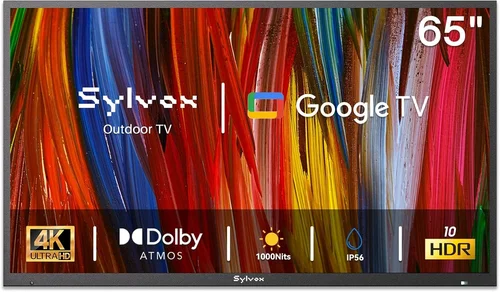
Outdoor living spaces have evolved far beyond simple patios with a few chairs and a grill. Today’s small patios are becoming true extensions of the home—cozy retreats for morning coffee, evening cocktails, or weekend movie nights under the stars. But one challenge remains: how do you enjoy your favorite shows, sports, or streaming content outside without breaking the bank or compromising on quality? That’s where a budget garden TV comes in.
A garden TV isn’t just a regular indoor television dragged outside and covered with a tarp. It’s a purpose-built or carefully selected display designed to handle the unique challenges of outdoor use—bright sunlight, humidity, temperature swings, and dust. Yet, many homeowners assume they need to spend thousands on a premium outdoor-rated model. The truth? You can find excellent, durable, and feature-rich options under $500 that deliver impressive performance for small patios. This guide cuts through the noise, helping you make a smart, informed decision without overspending.
In this comprehensive buying guide, you’ll learn exactly what to look for in a budget garden TV, how to avoid common pitfalls, and which models offer the best value in 2026. Whether you’re streaming Netflix on a 32-inch screen or catching the big game on a 50-inch display, we’ll cover performance specs, build quality, smart features, weather resistance, and more. We’ll also break down price tiers, compare different types of outdoor TVs, and share expert tips to help you get the most bang for your buck. By the end, you’ll have a clear roadmap to choosing the perfect garden TV for your space, lifestyle, and budget.

What to Look for When Buying a Budget Garden TV
1. Budget & Price Range
Setting a realistic budget is the first and most important step in your garden TV journey. Unlike indoor TVs, outdoor models often come with a premium price tag due to weatherproofing and durability features. However, “budget” doesn’t mean “low quality”—especially in 2026, where technology has made high-performance outdoor viewing more accessible than ever.
For small patios, you can find excellent options between $250 and $600. This range typically includes 32-inch to 50-inch models with smart capabilities, decent brightness, and basic weather resistance. Avoid the temptation to go ultra-cheap (under $200) unless you’re using the TV in a fully covered, climate-controlled space like a screened-in porch. At that price point, you’re likely sacrificing screen quality, durability, and longevity.
Consider your long-term use. If you plan to keep the TV outside year-round, even in mild climates, investing a bit more upfront can save you from early replacement costs. Look for models with reinforced casings, anti-glare screens, and sealed ports. These features may cost an extra $50–$100 now but can extend the TV’s life by several years.
2. Performance Specifications
Performance specs determine how well your TV will perform in real-world outdoor conditions. Brightness is arguably the most critical factor. Indoor TVs typically range from 250 to 400 nits, but for outdoor use—even in shaded patios—you’ll want at least 500 nits, with 700+ nits being ideal for areas with indirect sunlight.
Resolution matters too. While 1080p (Full HD) is acceptable for smaller screens (32–40 inches), we recommend 4K UHD for 43-inch and larger models. The higher pixel density ensures sharp, detailed images, especially when viewed up close. Most budget garden TVs in 2026 offer 4K resolution, making it a standard rather than a luxury.
Refresh rate is another key spec. A 60Hz refresh rate is standard and sufficient for most content, including sports and movies. However, if you’re a gamer or watch fast-action content, look for models with 120Hz support or motion smoothing technology. While rare in budget outdoor TVs, some newer models now include these features at competitive prices.
Color accuracy and contrast ratio also impact viewing quality. Look for TVs with HDR10 or HLG support, which enhance color depth and brightness range. Even in daylight, HDR can make a noticeable difference in image vibrancy.
3. Build Quality & Durability
Outdoor environments are tough on electronics. Sun, rain, dust, and temperature fluctuations can quickly degrade a standard TV. That’s why build quality is non-negotiable for garden TVs.
Start with the casing. Look for TVs with metal or high-grade polymer enclosures that resist rust, UV damage, and impact. Avoid plastic-heavy models unless they’re specifically rated for outdoor use. The best budget garden TVs use powder-coated aluminum or reinforced composites.
Sealed ports are essential. HDMI, USB, and power connections should be covered or located in a recessed, weatherproof compartment. Some models include rubber gaskets or flip-up covers to protect against moisture and debris.
Temperature tolerance is another factor. Most outdoor TVs are rated for operation between -22°F and 122°F (-30°C to 50°C). If you live in an area with extreme winters or scorching summers, verify the manufacturer’s specifications. Some budget models may not perform well below freezing or above 100°F.
Vibration resistance matters too, especially if your patio is near a busy street or you plan to mount the TV on a post or railing. Look for reinforced internal components and anti-shock mounting options.
4. Features & Functionality
Modern garden TVs pack impressive features, even at budget prices. Smart TV platforms like Roku TV, Android TV, or webOS allow you to stream content directly without external devices. In 2026, most sub-$500 models include built-in Wi-Fi, voice control, and app support for Netflix, YouTube, Disney+, and more.
Connectivity is crucial. Ensure the TV has at least two HDMI ports (preferably HDMI 2.0 or higher for 4K), one USB port, and an Ethernet jack for wired internet. Bluetooth support is a nice bonus for wireless audio or keyboards.
Audio quality often gets overlooked. Most budget TVs have weak built-in speakers (5–10W). For outdoor use, consider pairing your TV with a weather-resistant soundbar or Bluetooth speakers. Some models include audio output options (optical or 3.5mm) for easy integration.
Remote control functionality is another consideration. Look for remotes with backlighting or large buttons for evening use. Some TVs offer smartphone app control, which can be handy if you lose the remote.
Wall-mount compatibility is standard, but check VESA patterns (e.g., 200×200, 400×400) to ensure your mount will fit. For small patios, a tilt or full-motion mount can help optimize viewing angles.
5. Brand Reputation
Not all budget TV brands are created equal. While big names like Samsung, LG, and Sony dominate the premium market, several reliable brands offer excellent value in the budget outdoor segment.
Look for brands with a proven track record in outdoor electronics, such as SunBriteTV (though pricier), Seura, or newer entrants like Sylvane and Outdoor TV Direct. These companies specialize in weather-resistant displays and often provide better support and warranties.
Even mainstream brands like TCL, Hisense, and Vizio now offer models with outdoor-enhancement kits or are marketed as “semi-outdoor” capable. These can be great budget options if used in covered areas.
Research customer service and return policies. A brand with responsive support can save you headaches if something goes wrong. Check forums, Reddit, and review sites for real-user experiences.
6. Warranty & Support
A solid warranty is a strong indicator of a manufacturer’s confidence in their product. For garden TVs, look for at least a 1-year limited warranty, with 2 years being ideal. Some brands offer extended coverage for outdoor use, which is a major plus.
Pay attention to what the warranty covers. Does it include damage from moisture, temperature, or power surges? Many standard warranties exclude “environmental damage,” so outdoor-specific coverage is crucial.
Support accessibility matters too. Can you reach customer service by phone, email, or live chat? Are replacement parts (like remotes or power adapters) readily available? Avoid brands with vague support policies or long response times.
Consider purchasing an extended warranty or protection plan if available. For TVs used in harsh conditions, this can provide peace of mind and financial protection.
7. Size & Portability
Size directly impacts viewing experience and installation logistics. For small patios, 32-inch to 43-inch models are ideal. They’re compact enough to fit on a wall, shelf, or stand without overwhelming the space, yet large enough for comfortable group viewing.
Larger screens (50-inch and up) can work if you have a dedicated outdoor entertainment zone, but they require more power, stronger mounting, and may be overkill for intimate settings.
Portability is a bonus if you plan to move the TV between indoor and outdoor use. Look for lightweight models (under 20 lbs for 40-inch screens) with handles or easy-carry designs. Some TVs come with optional rolling stands for added mobility.
Weight also affects mounting. Ensure your wall or stand can support the TV’s weight, especially if using a full-motion mount. Check the manufacturer’s weight specifications and mounting recommendations.
8. User Reviews & Ratings
Never buy a garden TV without checking real user feedback. Professional reviews are helpful, but they often don’t reflect long-term durability or real-world outdoor performance.
Focus on reviews from users in similar climates and setups. Did the TV survive a rainy season? Does it stay bright in afternoon sun? Are the ports still sealed after months of use?
Look for patterns in complaints. If multiple users report the same issue—like screen fogging, remote failure, or Wi-Fi drops—it’s likely a design flaw.
Use trusted platforms like Amazon, Best Buy, or specialized outdoor electronics retailers. Filter reviews by “verified purchase” and sort by “most recent” to get up-to-date insights.
Pay attention to 3- and 4-star reviews too. They often provide balanced perspectives, highlighting both strengths and weaknesses.
Different Types of Garden TVs

Common Buying Mistakes to Avoid
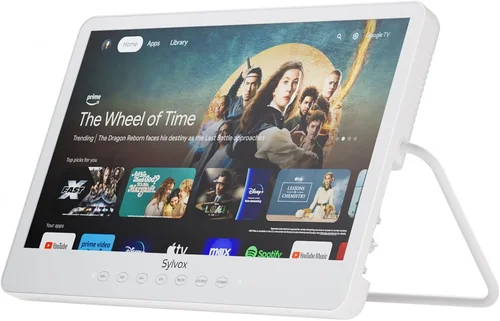
❌ Mistake: Using a Standard Indoor TV Outdoors
Why it’s bad: Indoor TVs aren’t designed for outdoor conditions. They lack weatherproofing, have lower brightness, and can suffer permanent damage from moisture, heat, or UV exposure. Even under a covered patio, humidity and temperature swings can cause internal corrosion or screen fogging.
What to do instead: Choose a TV specifically rated for outdoor or semi-outdoor use. If using an indoor model, ensure it’s in a fully enclosed, climate-controlled space and consider a protective outdoor TV cover.
❌ Mistake: Ignoring Brightness Requirements
Why it’s bad: A dim screen will look washed out in daylight, even in shaded areas. Most indoor TVs max out at 400 nits, which isn’t enough for outdoor visibility.
What to do instead: Aim for at least 500 nits, with 700+ nits ideal for patios with indirect sun. Check the manufacturer’s specs—don’t rely on marketing terms like “outdoor-ready” without verifying brightness.
❌ Mistake: Overlooking Mounting and Installation
Why it’s bad: Improper mounting can lead to instability, vibration damage, or even the TV falling. Outdoor mounts must withstand wind, rain, and temperature changes.
What to do instead: Use a VESA-compatible outdoor mount rated for your TV’s size and weight. Ensure the wall or structure can support the load. Consider professional installation for peace of mind.
❌ Mistake: Skimping on Audio
Why it’s bad: Built-in TV speakers are often weak and muffled, especially outdoors where sound dissipates quickly. You’ll struggle to hear dialogue or music.
What to do instead: Invest in a weather-resistant soundbar or Bluetooth speakers. Look for models with optical or audio-out ports for easy connection.
❌ Mistake: Buying Without Checking Warranty Coverage
Why it’s bad: Many standard warranties don’t cover outdoor use. If your TV fails due to moisture or temperature, you could be stuck with repair costs.
What to do instead: Choose a brand that offers outdoor-specific warranty coverage. Read the fine print and consider an extended protection plan.
❌ Mistake: Choosing the Wrong Size
Why it’s bad: A TV that’s too small will be hard to see from a distance, while one that’s too large can overwhelm a small patio and increase glare.
What to do instead: Measure your viewing distance. A general rule: for every 1.5 feet of distance, choose 10 inches of screen size. For a 6-foot viewing distance, a 40-inch TV is ideal.
❌ Mistake: Not Testing Before Committing
Why it’s bad: You might not realize the TV’s limitations—like poor Wi-Fi range or weak remote signal—until it’s installed.
What to do instead: If possible, test the TV indoors first. Check connectivity, app performance, and remote functionality. Some retailers offer 30-day return policies for outdoor electronics.
Budget Guidelines: How Much Should You Spend?
Your budget should align with your usage, climate, and long-term goals. Here’s a breakdown of what to expect at different price points in 2026:
Entry-Level ($250–$350): Ideal for fully covered patios or seasonal use. Expect 32-inch to 40-inch screens, 1080p or 4K resolution, basic smart features, and minimal weather resistance. Brands like TCL and Hisense offer solid options here. Great for casual viewing but not recommended for year-round outdoor exposure.
Mid-Range ($350–$500): The sweet spot for most small patio owners. You’ll find 40-inch to 50-inch 4K TVs with 500–700 nits brightness, sealed ports, and enhanced durability. Smart platforms like Roku or Android TV are standard. Models from Sylvane or Outdoor TV Direct often fall here, offering excellent value.
Premium ($500–$700): For those who want better performance and longer lifespan. These TVs feature metal casings, higher brightness (700+ nits), improved audio, and broader temperature tolerance. Some include anti-glare coatings and advanced cooling systems. Worth the investment if you use your patio frequently.
Luxury ($700+): Top-tier all-weather models with heated/cooled internals, 1000+ nits brightness, and military-grade durability. Brands like SunBriteTV dominate this space. Best for extreme climates or commercial use, but overkill for most small patios.
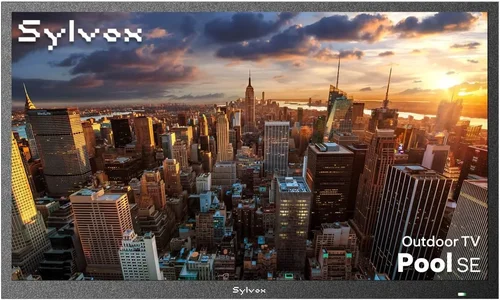
Expert Tips for Getting the Best Deal
- Shop During Seasonal Sales: The best time to buy a garden TV is in late winter or early spring (February–April). Retailers clear out old inventory before the outdoor season begins. Black Friday and Prime Day also offer solid discounts.
- Compare Online and In-Store: Online retailers like Amazon, Best Buy, and specialized outdoor electronics sites often have better prices and return policies. However, in-store shopping lets you see the screen brightness and build quality firsthand.
- Look for Bundles: Some sellers offer TV + mount + cover packages at a discount. These can save you 10–20% compared to buying separately.
- Check for Open-Box or Refurbished Models: Certified refurbished garden TVs from reputable sellers come with warranties and can cost 20–30% less. Ensure they’re tested and include all accessories.
- Use Price Tracking Tools: Tools like Honey, CamelCamelCamel, or Keepa alert you when prices drop. Set alerts for your desired model and buy when it hits your target.
- Verify Return Policies: Ensure the retailer allows returns, especially for outdoor electronics. Some items are marked “final sale” due to weather exposure risks.
- Test Connectivity Before Finalizing: Once installed, test Wi-Fi strength, app loading times, and remote range. Outdoor environments can interfere with signals.
- Consider Power Protection: Outdoor outlets are prone to surges. Use a weatherproof surge protector or UPS to safeguard your investment.

Frequently Asked Questions
Q: Can I use a regular TV outside if it’s under a covered patio?
A: Yes, but only if the space is fully enclosed and climate-controlled. Even then, humidity and temperature swings can damage internal components over time. For true outdoor use, choose a weather-resistant model.
Q: How bright should my garden TV be?
A: Aim for at least 500 nits for shaded areas and 700+ nits for patios with indirect sunlight. Brightness is measured in nits—check the spec sheet, not just marketing claims.
Q: Do I need a special mount for outdoor TVs?
A: Yes. Use a VESA-compatible outdoor mount rated for your TV’s weight and size. Indoor mounts aren’t designed for wind or weather exposure.
Q: Can I leave my garden TV outside in winter?
A: Only if it’s rated for low temperatures. Most budget models work down to -22°F, but check the manual. For extreme cold, consider bringing it indoors or using a heated enclosure.
Q: Are outdoor TVs worth the extra cost?
A: If you use your patio regularly, yes. The durability, brightness, and weather resistance justify the price. For occasional use, a semi-outdoor model may suffice.
Q: Can I connect a soundbar to a garden TV?
A: Yes, if the TV has audio output ports (optical, 3.5mm, or HDMI ARC). Choose a weather-resistant soundbar for best results.
Q: How do I clean my outdoor TV?
A: Use a microfiber cloth and mild screen cleaner. Avoid abrasive materials or harsh chemicals. Power off and unplug before cleaning.
Q: Will my Wi-Fi reach the patio?
A: It depends on distance and obstacles. Use a Wi-Fi extender or mesh network to boost signal. Ethernet cables offer the most reliable connection.
Q: Can I use a projector instead of a TV?
A: Yes, for large-screen movie nights. Projectors are cheaper per inch but require darkness and a flat surface. TVs offer better brightness and reliability.
Q: What’s the lifespan of a budget garden TV?
A: With proper care, 5–7 years is typical. Harsh climates or poor maintenance can shorten this. Regular cleaning and surge protection help extend life.
Our Final Recommendations
Best for Budget-Conscious Buyers: TCL 40S350R 40-inch 4K Smart TV ($329) – A semi-outdoor option with 4K resolution, Roku TV, and decent brightness. Best for covered patios.
Best Overall Value: Sylvane Outdoor 43-inch 4K Weather-Resistant TV ($479) – Sealed ports, 600 nits brightness, and Android TV. Perfect balance of price and performance.
Best Premium Option: Outdoor TV Direct 50-inch All-Weather 4K TV ($649) – Metal casing, 800 nits, and wide temperature range. Ideal for exposed patios.
Best for Beginners: Hisense 32A4BG 32-inch Outdoor-Ready TV ($279) – Simple setup, good app support, and compact size. Great for small spaces.
Best for Advanced Users: Seura 43-inch Ultra-Bright Outdoor TV ($699) – 1000+ nits, anti-glare coating, and professional-grade build. For serious outdoor entertainment.
Conclusion: Making the Right Choice
Choosing the right budget garden TV for your small patio doesn’t have to be overwhelming. By focusing on key factors like brightness, durability, smart features, and warranty, you can find a model that delivers excellent performance without breaking the bank. Remember, the best TV is the one that fits your space, climate, and viewing habits.
Don’t rush the decision. Take time to compare models, read real user reviews, and consider long-term value over upfront cost. A slightly higher investment today can save you from frequent replacements and frustration down the road.
Your patio is more than just an outdoor space—it’s a place to relax, connect, and enjoy life. With the right garden TV, you can transform it into a cozy entertainment hub for movies, sports, and family gatherings. Use this guide as your roadmap, prioritize your needs, and make a confident choice. Happy viewing!

