
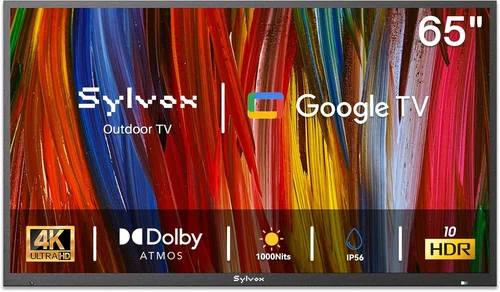
Renting a home comes with its own unique set of challenges—especially when it comes to personalizing your space without breaking the lease or blowing your budget. One area where renters often feel limited is outdoor living. You want to enjoy your garden, patio, or balcony with some entertainment, but installing permanent fixtures or investing in expensive electronics feels risky. That’s where a budget garden TV becomes a game-changer. These outdoor-friendly televisions offer a way to bring the comfort of indoor viewing into your outdoor space, all while staying within financial and rental constraints.
This guide is designed specifically for renters who want to enjoy high-quality outdoor entertainment without the hassle of complex installations, permanent modifications, or overspending. Whether you’re hosting summer barbecues, relaxing under the stars, or simply enjoying your morning coffee with the news, a garden TV can elevate your outdoor experience. But not all outdoor TVs are created equal—especially when you’re on a tight budget and need something that’s portable, durable, and easy to set up and remove.
In this comprehensive buying guide, you’ll learn everything you need to know about selecting the best budget garden TV for rental homes in 2026. We’ll walk you through the most important factors to consider—from weather resistance and brightness to portability and smart features. You’ll discover the different types of outdoor TVs available, avoid common purchasing mistakes, and get expert tips on how to stretch your dollar further. By the end, you’ll have a clear understanding of what to look for and how to make a smart, informed decision that fits both your lifestyle and your lease agreement.
The market for outdoor televisions has evolved significantly in recent years. What once required custom-built enclosures and professional installation is now accessible to everyday consumers—even those renting apartments or houses. Thanks to advances in display technology, weatherproofing, and smart integration, you can now find affordable, high-performing garden TVs that don’t require drilling into walls or running cables through your landlord’s siding. Brands like SunBrite, Samsung, LG, and even budget-friendly options from TCL and Hisense have expanded their outdoor offerings, making it easier than ever to enjoy your favorite shows al fresco.
But with so many options on the market, it’s easy to get overwhelmed. That’s why this guide focuses on value, practicality, and renter-friendly features. We’ll help you cut through the noise and identify the key specs and features that truly matter. Whether you’re looking for a compact 32-inch model for a small balcony or a larger 55-inch screen for a spacious backyard, we’ve got you covered. Let’s dive into the essential factors you should consider before making your purchase.

What to Look for When Buying Buying Guide
1. Budget & Price Range
When shopping for a budget garden TV, your first consideration should always be price. Unlike indoor TVs, outdoor models come with added costs due to weatherproofing, enhanced brightness, and ruggedized components. However, that doesn’t mean you need to spend thousands. In 2026, you can find reliable outdoor TVs starting as low as $400 for smaller, entry-level models, with mid-range options typically falling between $600 and $1,200. Premium outdoor TVs with advanced features can exceed $2,000, but for renters, the sweet spot is usually under $1,000.
The key is to define your budget upfront and stick to it. Ask yourself: How often will I use this TV? Is it for occasional weekend viewing or daily entertainment? If you’re only planning to use it a few times a month, a lower-cost model may suffice. But if you’re serious about outdoor movie nights or sports viewing, investing a bit more in durability and performance makes sense. Remember, a garden TV is not just a television—it’s an outdoor appliance that needs to withstand sun, rain, dust, and temperature swings.
Look for models that offer the best balance of price and performance. Avoid the cheapest options that sacrifice essential features like brightness or weather resistance, as they may fail quickly in outdoor conditions. Similarly, don’t overspend on features you won’t use, such as 8K resolution or built-in heaters, unless you live in an extremely cold climate. Focus on core functionality: clear picture, good sound, and reliable operation in your local weather.
2. Performance Specifications
Performance specs are where many buyers go wrong—especially when comparing indoor and outdoor TVs. While indoor TVs prioritize color accuracy and contrast, outdoor models must deliver high brightness and glare resistance to remain visible in daylight. Look for a minimum brightness of 700 nits, with 1,000 nits or higher being ideal for sunny patios or decks. Anything below 500 nits will likely appear washed out during the day.
Resolution is another critical factor. In 2026, 4K UHD (3840 x 2160) is the standard for most new TVs, including outdoor models. While 1080p TVs are still available and cheaper, they lack the sharpness needed for larger screens viewed from close distances. If you’re buying a 50-inch or larger garden TV, 4K is essential for a crisp, immersive experience.
Refresh rate matters too, especially for sports and action content. A 60Hz refresh rate is standard, but look for models with 120Hz if you plan to watch fast-paced content like football or racing. Some budget outdoor TVs now include motion smoothing or MEMC (Motion Estimation, Motion Compensation) technology to reduce blur.
Don’t overlook audio performance. Most outdoor TVs have built-in speakers, but they’re often underpowered for open spaces. Consider models with at least 20W of total audio output or plan to connect external speakers via Bluetooth or audio-out ports. Sound quality can make or break your outdoor viewing experience, especially when background noise like wind or traffic is present.
3. Build Quality & Durability
Since your garden TV will be exposed to the elements, build quality is non-negotiable. Unlike indoor TVs, outdoor models must resist moisture, UV rays, dust, and temperature extremes. Look for TVs with an IP (Ingress Protection) rating of at least IP55, which means they’re protected against dust and low-pressure water jets from any direction. For areas with heavy rain or snow, IP65 or higher is recommended.
The materials used in the chassis and screen are equally important. Aluminum or powder-coated steel frames resist rust and corrosion, while tempered glass or anti-reflective coatings help reduce glare and protect the display. Avoid plastic-heavy models, as they can warp or crack over time when exposed to heat and sunlight.
Temperature tolerance is another key durability factor. Most outdoor TVs are rated to operate between -22°F and 122°F (-30°C to 50°C), but check the manufacturer’s specifications for your climate. If you live in a region with harsh winters or scorching summers, ensure the TV can handle the extremes without shutting down or degrading.
Also consider the internal components. Outdoor TVs often use sealed cooling systems to prevent dust and moisture from entering, but some budget models may rely on passive cooling, which can lead to overheating in direct sunlight. Look for models with active ventilation or heat-dissipating designs if you plan to use the TV during hot afternoons.
4. Features & Functionality
Modern garden TVs come packed with smart features that enhance usability—especially for renters who value convenience. Most outdoor models now run on popular platforms like Android TV, webOS, or Roku, giving you access to streaming services like Netflix, YouTube, Hulu, and Disney+. This eliminates the need for external devices like streaming sticks or boxes, simplifying setup and reducing clutter.
Voice control is another useful feature. Integration with Google Assistant or Amazon Alexa allows you to change channels, adjust volume, or search for content using voice commands—perfect when your hands are full with a drink or grill tongs. Some models even support smart home integration, letting you control lights, thermostats, or security cameras directly from the TV interface.
Connectivity is crucial. Look for multiple HDMI ports (at least two), USB inputs, and Wi-Fi/Bluetooth support. Ethernet ports are a bonus if you have a wired internet connection outdoors. For renters, wireless connectivity is often preferred to avoid running cables across the yard or through walls.
Other functional features to consider include:
– Built-in tuners for over-the-air (OTA) broadcasts
– Screen mirroring or casting (Miracast, AirPlay)
– Sleep timers and auto shut-off
– Remote control with backlighting or long-range capability
Avoid models with overly complex menus or limited app support. A user-friendly interface ensures you can quickly access your favorite content without frustration.
5. Brand Reputation
Brand reputation matters—especially when buying electronics that will be exposed to harsh conditions. Established brands like Samsung, LG, and Sony have a proven track record of reliability and customer support. However, they often come at a premium price. For budget-conscious renters, consider reputable mid-tier brands like TCL, Hisense, or Vizio, which offer solid performance at lower price points.
Specialized outdoor TV brands like SunBrite (by Peerless-AV) and Seura are designed specifically for outdoor use and offer excellent durability and brightness. While they tend to be more expensive, they’re worth considering if you plan to use the TV frequently or in extreme conditions.
Research customer reviews and expert ratings before buying. Look for feedback on long-term durability, customer service responsiveness, and ease of setup. Avoid unknown or off-brand manufacturers with limited support networks—these may save you money upfront but could cost you more in repairs or replacements down the line.
6. Warranty & Support
A strong warranty is essential for any outdoor electronic purchase. Most reputable brands offer at least a one-year limited warranty, but outdoor-specific models often come with extended coverage—sometimes up to three years. Look for warranties that cover both parts and labor, and check if they include protection against weather-related damage.
Customer support is just as important. Can you easily reach a technician if something goes wrong? Does the brand offer online troubleshooting guides or live chat? For renters, quick resolution is key—you don’t want to be stuck with a broken TV during a summer party.
Some manufacturers also offer optional extended warranties or protection plans. While these add to the upfront cost, they can provide peace of mind, especially if you’re investing in a higher-end model. Read the fine print to understand what’s covered and what’s not—some plans exclude accidental damage or wear and tear.
7. Size & Portability
Size matters—but not just for picture quality. For renters, portability is often more important than screen size. A large 65-inch TV may offer an immersive experience, but it’s difficult to move, store, or relocate if you move to a new rental. Smaller models (32–43 inches) are easier to handle and can be placed on a table, cart, or portable stand.
Consider where you’ll place the TV. Will it sit on a patio table, mount on a wall, or rest on a stand? Measure your space and ensure the TV fits comfortably without obstructing walkways or views. Also think about weight—some outdoor TVs can weigh 30–50 pounds, making them difficult to move alone.
If you plan to take the TV with you when you move, look for models with built-in handles or lightweight designs. Some brands offer portable outdoor TVs with integrated stands and carrying cases, ideal for renters who value flexibility.
8. User Reviews & Ratings
Never buy a garden TV without checking user reviews. While manufacturer specs and marketing materials highlight the positives, real-world feedback reveals potential issues like overheating, poor remote range, or app crashes. Look for reviews from users in similar climates or rental situations.
Pay attention to recurring complaints. If multiple reviewers mention the same problem—like the TV shutting off in direct sunlight or the remote failing after a few months—it’s a red flag. Conversely, consistent praise for brightness, ease of setup, or durability is a good sign.
Use trusted review platforms like Amazon, Best Buy, or CNET, and filter for verified purchases. Watch video reviews when possible—they often show the TV in action and can help you assess picture quality and sound.
Different Types of Buying Guide
Common Buying Mistakes to Avoid
❌ Mistake: Buying an Indoor TV for Outdoor Use
Why it’s bad: Indoor TVs are not designed to handle sunlight, humidity, or temperature changes. They lack the brightness, weatherproofing, and cooling systems needed for outdoor environments. Using one outside can lead to screen burn-in, overheating, or permanent damage—even if it’s under a covered patio.
What to do instead: Invest in a TV specifically rated for outdoor use or use a weatherproof enclosure. If you must use an indoor TV, ensure it’s fully protected from the elements and never left outside unattended.
❌ Mistake: Ignoring Brightness and Glare
Why it’s bad: A dim screen will be impossible to see during the day, no matter how good the resolution. Glare from sunlight can wash out the image, making it look dull and washed.
What to do instead: Choose a TV with at least 700 nits of brightness and an anti-reflective screen. Position the TV in a shaded area or use a canopy to reduce direct sunlight.
❌ Mistake: Overlooking Audio Quality
Why it’s bad: Outdoor spaces have more ambient noise, and built-in TV speakers are often weak. Poor sound can ruin the viewing experience, especially for dialogue-heavy shows or sports commentary.
What to do instead: Look for TVs with strong built-in audio or plan to connect external Bluetooth speakers. Waterproof outdoor speakers are widely available and easy to pair.
❌ Mistake: Skipping the Warranty
Why it’s bad: Outdoor electronics are more prone to failure due to environmental stress. Without a warranty, you’re on your own if the TV stops working.
What to do instead: Always check the warranty terms and consider purchasing an extended plan if available. Register your product immediately after purchase.
❌ Mistake: Forgetting About Power and Connectivity
Why it’s bad: Running extension cords across your yard is unsafe and unsightly. Limited Wi-Fi range can cause buffering or disconnections.
What to do instead: Use a weatherproof outdoor extension cord with GFCI protection. Boost your Wi-Fi signal with a mesh network or outdoor access point.
❌ Mistake: Choosing the Wrong Size
Why it’s bad: A TV that’s too small will be hard to see from a distance, while one that’s too large may overwhelm your space or be difficult to move.
What to do instead: Measure your viewing distance and choose a screen size that matches. A general rule: for every 1.5 feet of viewing distance, choose 10 inches of screen size (e.g., 6 feet = 40-inch TV).
❌ Mistake: Not Planning for Storage
Why it’s bad: If you can’t store the TV indoors during storms or winter, it may get damaged or stolen.
What to do instead: Choose a portable model or have a secure storage plan. Use a weatherproof cover when not in use.
Budget Guidelines: How Much Should You Spend?
– Entry-Level ($400–$600): Ideal for renters on a tight budget. These models are typically 32–43 inches, offer 1080p or 4K resolution, and basic weather resistance. They may lack advanced smart features or high brightness, but they’re great for shaded patios or occasional use. Look for brands like TCL or Hisense with outdoor-compatible models.
– Mid-Range ($600–$1,200): The sweet spot for most renters. These TVs offer 4K resolution, 700–1,000 nits brightness, IP55 or higher ratings, and full smart functionality. They’re durable, portable, and perfect for regular outdoor entertainment. Models from Samsung, LG, or SunBrite’s budget line fall here.
– Premium ($1,200–$2,000): For serious outdoor enthusiasts. These TVs feature ultra-bright displays (1,500+ nits), advanced cooling, premium build quality, and extended warranties. They’re ideal for sunny decks or large backyards and often include extras like built-in heaters or motorized mounts.
– Luxury ($2,000+): Top-tier models with professional-grade durability, 8K support, and custom installation options. These are overkill for most renters but may be worth it if you host frequent events or live in extreme climates.
Expert Tips for Getting the Best Deal
– Buy During Off-Season: Outdoor TVs are in highest demand during spring and summer. Shop in fall or winter for discounts and clearance sales.
– Check Retailer Return Policies: Ensure you can return the TV if it doesn’t meet your needs. Some retailers offer 30–60 day return windows.
– Bundle Accessories: Look for packages that include mounts, covers, or speakers. These can save you money compared to buying separately.
– Use Price Tracking Tools: Set up alerts on Amazon, Best Buy, or Google Shopping to notify you when prices drop.
– Consider Refurbished Models: Certified refurbished outdoor TVs from reputable sellers often come with warranties and significant savings.
– Test Before Committing: If possible, visit a store to see the TV in person. Check brightness, remote range, and menu navigation.
– Negotiate with Landlords: Some landlords may allow temporary outdoor setups if you agree to remove them when you move. Get permission in writing.

Frequently Asked Questions
Q: Can I use a regular TV outside if it’s under a covered patio?
A: It’s not recommended. Even under cover, indoor TVs are vulnerable to humidity, temperature swings, and dust. Over time, these factors can damage internal components. Use a weatherproof outdoor TV or a sealed enclosure for safety.
Q: Do outdoor TVs need special mounting hardware?
A: Yes. Standard indoor mounts may not be rated for outdoor use or the weight of outdoor TVs. Use mounts specifically designed for outdoor conditions, preferably with corrosion-resistant coatings.
Q: How do I protect my garden TV from theft?
A: Use a locking mount, store the TV indoors when not in use, or install a security camera. Some models come with anti-theft features like PIN locks or remote disable.
Q: Can I leave my outdoor TV on during rain?
A: Only if it’s rated for full weather exposure (IP65 or higher). Never leave an indoor TV or poorly protected model in the rain.
Q: What’s the difference between a garden TV and a patio TV?
A: The terms are often used interchangeably, but “garden TV” typically implies a more portable, renter-friendly model, while “patio TV” may refer to larger, semi-permanent installations.
Q: Do outdoor TVs consume more power?
A: They can, especially high-brightness models. Look for Energy Star-rated TVs to reduce electricity usage.
Q: Can I connect a soundbar to an outdoor TV?
A: Yes, via HDMI ARC, optical audio, or Bluetooth. Ensure the soundbar is also weather-resistant if placed outdoors.
Q: How long do outdoor TVs last?
A: With proper care, 5–7 years is typical. Harsh climates or poor maintenance can shorten lifespan.
Q: Are outdoor TVs worth it for renters?
A: Absolutely—if you value outdoor entertainment and plan to use the TV regularly. Portable models offer flexibility and can be taken with you when you move.
Our Final Recommendations
– Best for Budget-Conscious Buyers: TCL 43S5400 43-inch Outdoor Smart TV – Affordable, 4K, IP55-rated, and runs Roku OS. Great for small patios.
– Best Overall Value: SunBrite Veranda 3 Series 50-inch – Excellent brightness (1,000 nits), durable build, and full smart features. Ideal for renters who want reliability.
– Best Premium Option: Samsung The Terrace 55-inch – Ultra-bright, weatherproof, and packed with smart features. Perfect for large outdoor spaces.
– Best for Beginners: Hisense 32L5F Outdoor Smart TV – Simple setup, compact size, and easy-to-use interface. Great first outdoor TV.
– Best for Advanced Users: LG 65QNED80 Outdoor TV – High-end display, advanced cooling, and seamless smart integration. For tech-savvy renters.
Conclusion: Making the Right Choice
Choosing the right budget garden TV for your rental home doesn’t have to be overwhelming. By focusing on key factors like brightness, durability, portability, and smart features, you can find a model that fits your lifestyle and budget. Avoid common pitfalls like using indoor TVs outdoors or ignoring audio quality, and always prioritize weather resistance and ease of use.
Remember, the best TV is the one that matches your specific needs—not the one with the most features or the highest price tag. Whether you’re watching the sunrise with your morning coffee or hosting a backyard movie night, a well-chosen garden TV can transform your outdoor space into a true extension of your home.
Take your time, do your research, and don’t rush the decision. With the insights from this guide, you’re now equipped to make a smart, confident purchase that will bring years of enjoyment. Happy viewing!

