
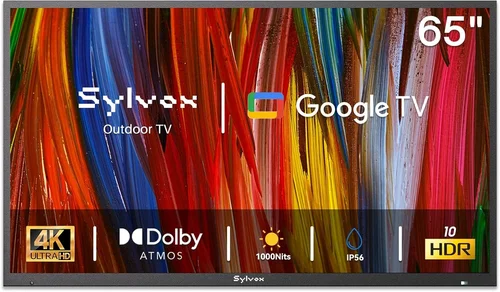
Outdoor living spaces have evolved far beyond simple patios with a few folding chairs and a grill. Today’s homeowners are transforming their decks into fully functional outdoor rooms—complete with weather-resistant furniture, ambient lighting, sound systems, and yes, even televisions. A deck TV isn’t just a luxury; for many, it’s the centerpiece of summer gatherings, game nights under the stars, or quiet evenings watching the sunset with a favorite show playing in the background. But finding the right TV for your small patio—especially on a budget—requires careful consideration. The outdoor environment presents unique challenges: direct sunlight, temperature swings, humidity, dust, and potential rain exposure all demand specialized design and build quality that most indoor TVs simply can’t handle.
This comprehensive buying guide is designed to help you navigate the often-confusing world of outdoor TVs without overspending or compromising on performance. Whether you’re hosting weekend barbecues, enjoying solo movie nights, or simply want to keep up with the news while gardening, we’ll walk you through everything you need to know to make a smart, informed decision. You’ll learn how to balance cost with durability, understand critical technical specs like brightness and weatherproofing, avoid common pitfalls, and identify which models offer the best value for your specific setup. By the end, you’ll be equipped with expert-level knowledge to choose a deck TV that fits your space, your lifestyle, and your wallet.
The market for outdoor TVs has grown significantly in recent years, driven by advances in display technology and increased demand for outdoor entertainment. While premium brands like SunBrite and Samsung’s The Terrace dominate headlines with high-end models, a new wave of budget-friendly options has emerged—offering solid performance at a fraction of the price. These affordable deck TVs are ideal for small patios where space is limited and extreme weather exposure is minimal (think covered decks or screened-in porches). However, not all “outdoor-ready” TVs are created equal. Some are merely indoor TVs marketed for outdoor use with flimsy enclosures, while others genuinely deliver the brightness, contrast, and protection needed for reliable outdoor viewing. This guide cuts through the marketing noise to focus on what truly matters: real-world usability, long-term reliability, and value for money.

What to Look for When Buying Buying Guide
1. Brightness & Sunlight Readability
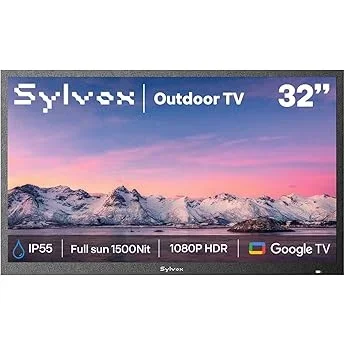
One of the most critical factors when choosing a deck TV is its ability to remain visible in bright daylight. Unlike indoor TVs, which typically operate at 300–500 nits of brightness, outdoor TVs need significantly higher luminance to combat glare from direct sunlight. For a small patio—even if partially shaded—you should aim for a minimum of 700 nits, with 1,000 nits or more being ideal for areas that receive midday sun. Look for TVs specifically labeled as “high-brightness” or “sunlight-readable.” These models often feature anti-reflective coatings, enhanced backlighting, and optimized color calibration for outdoor conditions. A TV with insufficient brightness will appear washed out, making it difficult to see details during daytime viewing. For example, a standard 400-nit indoor TV might look fine on a cloudy day, but under direct sun, it becomes nearly unusable. Always check the manufacturer’s specified brightness rating (measured in nits) and prioritize models that explicitly state outdoor suitability.
2. Weather Resistance & IP Rating
Outdoor TVs must withstand environmental elements like rain, humidity, dust, and temperature fluctuations. This is where the Ingress Protection (IP) rating becomes essential. The IP rating consists of two digits: the first indicates protection against solid particles (like dust), and the second against liquids (like rain). For deck use, an IP55 rating is the bare minimum—this means the TV is protected from limited dust ingress and low-pressure water jets from any direction. However, for better long-term durability, especially in regions with frequent rain or high humidity, aim for IP65 or higher. IP65 offers complete dust protection and resistance to water projected from a nozzle. Some budget models may claim “weather-resistant” enclosures but lack certified IP ratings—be wary of vague marketing terms. Additionally, ensure the TV’s internal components are sealed and that ventilation ports (if any) are designed to prevent moisture buildup. A well-sealed TV will last years longer than one that allows condensation to form inside, which can corrode circuits and degrade image quality over time.
3. Screen Size & Viewing Distance
Choosing the right screen size for your small patio is about balancing visibility with space constraints. A TV that’s too large can overwhelm a compact deck, while one that’s too small may be hard to see from seating areas. As a general rule, your viewing distance (in inches) should be about 1.5 to 2.5 times the diagonal screen size (also in inches). For example, if your seating is 6 feet (72 inches) away, a 32- to 48-inch TV would be appropriate. On a small patio, 32-inch and 43-inch models are the most popular choices—they offer ample screen real estate without dominating the space. Avoid going below 32 inches unless your deck is extremely tiny (e.g., a balcony-style setup). Also, consider the TV’s bezel size: slim bezels maximize screen area and give a more modern look. When measuring, account for the TV’s mounting hardware and ensure there’s enough clearance for ventilation and cable management. Remember, a slightly smaller TV with superior brightness and weatherproofing will deliver a better outdoor experience than a larger, dimmer model.
4. Connectivity & Smart Features
Modern outdoor TVs should offer robust connectivity options to support streaming, gaming, and external devices. Look for at least three HDMI ports (preferably HDMI 2.0 or higher for 4K content), USB ports for media playback, and built-in Wi-Fi for smart functionality. Most budget outdoor TVs now come with integrated smart platforms like Roku TV, Android TV, or webOS, allowing you to access Netflix, YouTube, Disney+, and other streaming services directly. This eliminates the need for an external streaming box, reducing clutter and simplifying setup. Ensure the smart OS is user-friendly and receives regular software updates—older or discontinued platforms may become obsolete quickly. For gaming or connecting a soundbar, check for HDMI ARC (Audio Return Channel) and eARC support. Also, verify that the TV’s remote control is weather-resistant or consider using a smartphone app for control. Some models even offer voice control via Alexa or Google Assistant, which can be handy when your hands are full with drinks or snacks.
5. Mounting & Installation Flexibility
How you plan to mount your deck TV significantly impacts your buying decision. Most outdoor TVs are designed for wall mounting, but you’ll need a compatible outdoor-rated mount that can handle wind loads and provide tilt or swivel functionality for optimal viewing angles. Ensure the TV has standard VESA mounting patterns (e.g., 200x200mm or 400x400mm) and that the mount is rated for outdoor use with corrosion-resistant hardware. For small patios, a full-motion articulating arm allows you to pull the TV closer or angle it toward different seating areas—ideal for multi-use spaces. If wall mounting isn’t feasible, consider a freestanding outdoor TV cabinet or a weatherproof TV cart. These options offer mobility and protection but may cost extra. Always check the TV’s weight and dimensions before purchasing a mount, and consult a professional installer if your deck structure requires reinforcement. Poor installation can lead to instability, especially in windy conditions, posing a safety risk.
6. Audio Quality & Sound Solutions
While many outdoor TVs include built-in speakers, they’re often underpowered and lack the bass and clarity needed for outdoor environments where sound dissipates quickly. Wind, ambient noise, and distance from the TV can make dialogue hard to hear. For a satisfying audio experience, plan to pair your deck TV with external speakers. Weather-resistant Bluetooth speakers, outdoor soundbars, or in-ground rock speakers are excellent additions. Look for TVs with optical audio output, 3.5mm headphone jacks, or HDMI ARC to easily connect external audio systems. Some budget models may only offer basic stereo sound, so if audio is a priority, consider allocating part of your budget to a dedicated outdoor audio setup. Alternatively, choose a TV with Dolby Audio or DTS Studio Sound support for improved built-in performance. Remember, even the best outdoor TV won’t deliver a complete entertainment experience without decent sound—don’t overlook this often-neglected aspect.
7. Energy Efficiency & Operating Costs
Outdoor TVs, especially high-brightness models, can consume more power than their indoor counterparts due to enhanced backlighting and cooling systems. While this may not significantly impact your electricity bill for occasional use, it’s worth considering if you plan to leave the TV on for extended periods. Look for TVs with Energy Star certification or those that advertise low power consumption in standby and active modes. LED-backlit models are generally more efficient than older CCFL types. Additionally, some smart TVs offer auto-brightness sensors that adjust screen luminance based on ambient light, helping to save energy on cloudy days or at night. Over time, these small efficiencies can add up, especially if you live in an area with high electricity rates. Also, consider the TV’s heat dissipation design—poor ventilation can cause the unit to overheat, triggering automatic shutdowns or reducing lifespan.
8. Brand Reputation & Customer Support
Not all budget outdoor TV brands are created equal. While you may be tempted by ultra-low prices from unknown manufacturers, investing in a reputable brand often pays off in reliability, customer service, and warranty coverage. Established names like LG, Sony, TCL, and Hisense have begun offering outdoor-compatible models or partnerships with outdoor enclosure specialists. Research user reviews on trusted platforms like Amazon, Best Buy, or Reddit to gauge real-world performance and common issues. Pay attention to how the company handles warranty claims, replacement parts, and technical support. A brand with a strong service network can save you headaches if something goes wrong. Avoid brands with no clear contact information, limited warranty terms, or a history of discontinued support. A good rule of thumb: if a company doesn’t stand behind its product with at least a 1-year warranty and accessible customer service, it’s probably not worth the risk—even at a low price.
Different Types of Buying Guide

Common Buying Mistakes to Avoid
❌ Mistake: Buying an Indoor TV for Outdoor Use
Why it’s bad: Indoor TVs lack the brightness, weatherproofing, and thermal management needed for outdoor environments. Even on a covered deck, humidity and temperature changes can damage internal components, leading to premature failure. Additionally, indoor screens are highly reflective, making them nearly impossible to see in daylight.
What to do instead: Always choose a TV specifically designed for outdoor or semi-outdoor use. Look for models with high nits ratings, IP ratings, and sealed enclosures. If budget is tight, consider a reputable indoor TV paired with a certified outdoor enclosure—but never use an indoor TV alone outside.
❌ Mistake: Ignoring the IP Rating
Why it’s bad: Without a proper IP rating, you have no guarantee the TV can handle rain, dust, or moisture. A TV marketed as “weather-resistant” but lacking an IP certification may fail after just one rainy season, leaving you with a costly paperweight.
What to do instead: Prioritize TVs with at least an IP55 rating. For added peace of mind, especially in humid or coastal areas, aim for IP65. Always verify the rating on the manufacturer’s official website—don’t rely solely on retailer descriptions.
❌ Mistake: Overlooking Viewing Distance and Screen Size
Why it’s bad: A TV that’s too small will be hard to see from your seating area, while one that’s too large can dominate a small patio and cause eye strain. Getting this wrong leads to frustration and wasted money.
What to do instead: Measure your seating distance and use the 1.5x to 2.5x rule to determine ideal screen size. For most small patios, 32″ to 43″ is the sweet spot. Test the size by holding up a cardboard cutout or using a tape measure to visualize the space.
❌ Mistake: Skimping on Mounting Hardware
Why it’s bad: Using indoor mounts or low-quality hardware outdoors can result in corrosion, instability, or even the TV falling—posing a serious safety hazard, especially in windy conditions.
What to do instead: Invest in a marine-grade or outdoor-rated mount with stainless steel bolts and anti-corrosion coating. Ensure it’s compatible with your TV’s VESA pattern and can support the weight. When in doubt, hire a professional installer.
❌ Mistake: Forgetting About Audio
Why it’s bad: Most budget outdoor TVs have weak built-in speakers that struggle to overcome ambient noise. You’ll end up turning the volume up too high or missing dialogue entirely.
What to do instead: Plan for external audio from the start. Pair your TV with weather-resistant Bluetooth speakers or an outdoor soundbar. Look for TVs with audio output options to make integration seamless.
❌ Mistake: Not Checking Return and Warranty Policies
Why it’s bad: Outdoor TVs are a significant investment, and if something goes wrong, you need assurance you can return or repair it. Some budget brands offer limited or no warranty, leaving you stranded.
What to do instead: Always review the warranty terms before buying. Aim for at least a 1-year manufacturer warranty and check if the retailer offers extended protection plans. Purchase from retailers with generous return windows (30 days or more).
❌ Mistake: Buying Based Solely on Price
Why it’s bad: The cheapest option often cuts corners on brightness, build quality, and durability. You may save $100 upfront but end up replacing the TV in two years—costing more in the long run.
What to do instead: Focus on value, not just price. Compare features per dollar and read real user reviews. A slightly more expensive TV with better brightness and weatherproofing will deliver a far superior experience and last longer.
Budget Guidelines: How Much Should You Spend?
Entry-Level ($250–$400): This tier is ideal for very basic setups—think small covered balconies or occasional use. Expect 32-inch models with 700–800 nits brightness, basic smart features (like Roku TV), and minimal weather resistance (IP54 or similar). Brands like TCL and Hisense offer semi-outdoor models in this range. While not built for full exposure, they’re perfect for sheltered areas and deliver solid performance for the price. Just don’t expect premium build quality or advanced features.
Mid-Range ($400–$700): This is the sweet spot for most small patio owners. TVs in this range typically offer 43-inch screens, 900–1,000 nits brightness, IP55 or IP65 ratings, and robust smart platforms. You’ll find better color accuracy, improved audio, and more reliable connectivity. Models from LG, Sony, and specialized outdoor brands often fall here. This tier balances affordability with performance, making it the best value for long-term satisfaction.
Premium ($700–$1,200): For those willing to invest more, premium budget outdoor TVs deliver near-professional performance. Expect 50-inch+ screens, 1,200+ nits brightness, full IP65+ protection, and advanced features like HDR10, Dolby Vision, and voice control. These models are built to last 5–7 years with minimal maintenance and are suitable for partially exposed decks. Brands like SunBrite’s Veranda series offer excellent options in this range.
Luxury ($1,200+): At this level, you’re entering true all-weather territory with commercial-grade durability, ultra-high brightness (1,500+ nits), and extensive customization options. These TVs are overkill for most small patios but may be worth considering if you live in a harsh climate or want a permanent, high-end outdoor entertainment system. However, for budget-conscious buyers, the mid-range tier offers the best balance of cost and capability.
Expert Tips for Getting the Best Deal
1. Shop During Seasonal Sales: The best time to buy an outdoor TV is during off-peak seasons—late fall and winter. Retailers often discount outdoor electronics to clear inventory before spring. Black Friday, Cyber Monday, and post-holiday sales are prime opportunities to snag deals on last year’s models.
2. Compare Retailers: Don’t limit yourself to one store. Check prices at Amazon, Best Buy, Costco, and specialty outdoor electronics retailers. Some offer price matching, and online stores may have exclusive bundles (e.g., TV + mount + speakers).
3. Consider Refurbished or Open-Box Models: Certified refurbished TVs from reputable sellers can save you 20–30% off retail. These units are tested, cleaned, and often come with the same warranty as new models. Open-box items from big-box stores are another great option—just inspect for physical damage.
4. Bundle Accessories: Some retailers offer discounts when you buy a TV with a mount, soundbar, or streaming device. Bundling can reduce overall cost and simplify setup. Look for “outdoor entertainment packages” during promotions.
5. Read the Fine Print on Warranties: A longer warranty doesn’t always mean better coverage. Check what’s included (e.g., parts, labor, on-site service) and whether outdoor use is explicitly covered. Some warranties void if used in direct rain—even if the TV is rated for it.
6. Test Before You Commit: If buying in-store, ask to see a demo unit powered on. Check brightness, color accuracy, and menu navigation. For online purchases, watch unboxing and review videos to get a sense of real-world performance.
7. Use Price Tracking Tools: Websites like Honey, CamelCamelCamel, or Keepa can alert you when a TV drops in price. Set up alerts for your desired model and wait for the right deal.
8. Don’t Forget Installation Costs: Factor in professional mounting if you’re not DIY-savvy. Many retailers offer installation services for a fee. Getting it done right the first time prevents costly mistakes.
Frequently Asked Questions
Q: Can I use a regular indoor TV on my covered deck?
A: Technically yes, but it’s not recommended for long-term use. Indoor TVs lack the brightness and weatherproofing needed for reliable outdoor performance. Humidity, temperature swings, and dust can damage internal components over time. For occasional use on a fully covered, dry deck, it might work—but for regular viewing, invest in a proper outdoor or semi-outdoor model.
Q: What’s the minimum brightness I should look for?
A: For any outdoor use, aim for at least 700 nits. If your deck gets direct sunlight, 1,000 nits or more is ideal. Below 600 nits, the screen will appear washed out even on partly cloudy days.
Q: Do I need a special mount for an outdoor TV?
A: Yes. Standard indoor mounts aren’t designed to withstand outdoor conditions. Use an outdoor-rated mount with corrosion-resistant hardware and ensure it’s securely anchored to a structural wall or beam.
Q: How do I protect my TV from rain if it’s not fully waterproof?
A: If your TV has an IP55 rating, it can handle light rain but shouldn’t be exposed to heavy downpours. For added protection, install it under a sturdy awning or pergola, or use a weatherproof cover when not in use.
Q: Can I leave my outdoor TV on all the time?
A: Most outdoor TVs are designed for continuous use, but it’s best to turn them off when not needed to extend lifespan and save energy. Use a smart plug with a timer or voice control for convenience.
Q: Are outdoor TVs energy-efficient?
A: High-brightness models consume more power than indoor TVs, but many now include energy-saving features like auto-dimming and low-power standby modes. Look for Energy Star certification when possible.
Q: What’s the difference between IP55 and IP65?
A: IP55 protects against dust (limited ingress) and low-pressure water jets. IP65 offers complete dust protection and resistance to water projected from a nozzle. IP65 is better for areas with frequent rain or high humidity.
Q: Can I connect a soundbar to an outdoor TV?
A: Yes, as long as the TV has an optical audio output, HDMI ARC, or 3.5mm jack. Many outdoor soundbars are designed to pair seamlessly with outdoor TVs for enhanced audio.
Q: How long do outdoor TVs typically last?
A: With proper installation and maintenance, a quality outdoor TV can last 5–7 years or more. Cheaper models may fail sooner due to poor weather sealing or component quality.
Q: Is it worth buying a smart outdoor TV?
A: Absolutely. Built-in smart platforms eliminate the need for external streaming devices, reduce cable clutter, and offer easy access to apps. Just ensure the OS is up-to-date and user-friendly.
Our Final Recommendations
Best for Budget-Conscious Buyers: TCL 43S5400 – A 43-inch 4K Roku TV with 800 nits brightness and IP54 rating. Perfect for covered patios, it delivers excellent picture quality and smart features under $400.
Best Overall Value: Hisense 50A7G – Offers 1,000 nits brightness, IP55 protection, and Dolby Vision support for under $600. Ideal for small to mid-sized decks with partial sun exposure.
Best Premium Option: SunBrite Veranda 55-inch – While pricier ($1,100+), this model delivers 1,200 nits, full IP65 rating, and commercial-grade durability. Worth the investment for serious outdoor entertainers.
Best for Beginners: LG 32LQ630B – A user-friendly 32-inch smart TV with 750 nits and easy setup. Great for first-time outdoor TV buyers with small spaces.
Best for Advanced Users: Samsung The Terrace 55-inch – Features 2,000 nits brightness, anti-glare coating, and seamless integration with Samsung ecosystems. Best for tech-savvy users wanting top-tier performance.
Conclusion: Making the Right Choice
Choosing the right deck TV for your small patio doesn’t have to be overwhelming—or expensive. By focusing on key factors like brightness, weather resistance, screen size, and smart features, you can find a model that delivers excellent performance without breaking the bank. Avoid common pitfalls like using indoor TVs outdoors or ignoring IP ratings, and always prioritize long-term value over the lowest upfront cost. Remember, your outdoor TV is more than just a screen; it’s the heart of your patio’s entertainment experience. Whether you’re watching the big game, streaming a movie, or simply enjoying the ambiance, the right TV will enhance every moment.
Take the time to assess your specific needs: How much sun does your deck get? Is it covered or exposed? How far will you be sitting from the screen? Use this guide as your roadmap, compare your options carefully, and don’t rush the decision. With the insights and recommendations provided, you’re now equipped to make a confident, informed purchase that will bring years of enjoyment to your outdoor space. So go ahead—transform your small patio into a cozy, connected retreat where every evening feels like a private screening under the open sky.

