
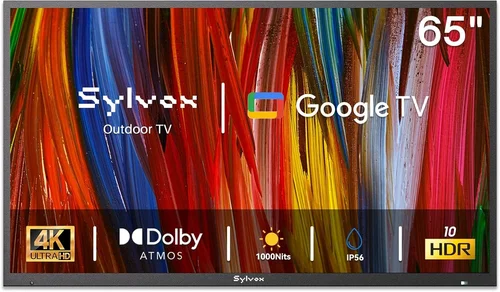
If you live in a hot climate—whether that’s the sun-baked Southwest, the humid Gulf Coast, or tropical regions—you know how quickly outdoor electronics can degrade under relentless heat and UV exposure. A standard indoor TV left outside might last weeks before overheating, flickering, or failing entirely. That’s why choosing the right budget backyard TV isn’t just about saving money; it’s about investing wisely in a display built to withstand extreme conditions without breaking the bank.
This comprehensive buying guide is designed for homeowners, patio entertainers, and outdoor movie enthusiasts who want reliable, affordable outdoor viewing without sacrificing performance or longevity. Whether you’re setting up a backyard cinema, watching the game by the pool, or streaming nature documentaries while lounging on your deck, we’ll walk you through everything you need to know to make a smart purchase in 2026. You’ll learn how to evaluate key specs, avoid common pitfalls, understand price tiers, and find the best value for your climate and use case.
The market for outdoor TVs has evolved significantly over the past few years. While fully sealed, weatherproof outdoor models from brands like SunBriteTV and Seura remain premium options, more budget-friendly alternatives have emerged—many of which use innovative cooling systems, anti-glare screens, and ruggedized enclosures to deliver solid performance at a fraction of the cost. In this guide, we’ll focus specifically on those affordable yet durable options that perform well in hot climates, so you don’t have to compromise on quality just because you’re working with a tighter budget.

What to Look for When Buying a Budget Backyard TV
1. Heat Resistance & Thermal Management
In hot climates, heat is the number one enemy of electronics. Most indoor TVs are designed to operate safely between 32°F and 95°F (0°C to 35°C). Leave one outside in 100°F+ temperatures, and you risk thermal shutdown, color distortion, or permanent damage to internal components like the LCD panel or power supply. That’s why thermal management is non-negotiable for any outdoor TV—even budget models.
Look for TVs with active cooling systems such as internal fans or heat-dissipating vents. Some budget outdoor TVs now include temperature sensors that automatically adjust brightness or shut down temporarily if internal temps exceed safe thresholds. Passive cooling (like aluminum backplates) helps, but in sustained high heat, active systems are far more effective. Also check the operating temperature range listed in the specs—ideally, it should be rated for at least 104°F (40°C) or higher.
2. Brightness & Anti-Glare Display
Outdoor visibility hinges on brightness. Indoor TVs typically range from 250 to 400 nits—fine for a dim living room but nearly invisible in daylight. For backyard use, especially in sunny areas, you need a minimum of 700 nits, with 1000+ nits being ideal. Many budget outdoor TVs now feature high-brightness LED backlighting specifically tuned for outdoor use.
Equally important is anti-glare technology. A matte or optically bonded screen reduces reflections from the sun, water, or nearby lights. Look for terms like “anti-reflective coating,” “optical bonding,” or “direct-lit LED with diffuser layer.” These features prevent washed-out images and maintain color accuracy even at sharp viewing angles. Some manufacturers also offer optional sunshades or hoods that clip onto the bezel—worth considering if you can’t control ambient light.
3. Weatherproofing & IP Rating
While “weatherproof” sounds reassuring, not all outdoor TVs are created equal. The key metric here is the Ingress Protection (IP) rating, which tells you how well the TV resists dust and moisture. For backyard use in hot climates—where dust storms, sudden rain, or high humidity are common—you should aim for at least IP55 (protected against dust and low-pressure water jets).
Budget models often achieve this through sealed enclosures, rubber gaskets around ports, and corrosion-resistant materials. Avoid TVs labeled only as “weather-resistant” without an IP rating—they may handle light splashes but fail under prolonged exposure. Also note that the IP rating applies to the TV itself, not necessarily the remote or power adapter, so keep those protected too.
4. Build Quality & Materials
A budget TV doesn’t have to feel cheap—but it should still be built to last outdoors. Look for sturdy metal chassis (aluminum or powder-coated steel) rather than all-plastic bodies, which can warp or become brittle under UV exposure. The mounting hardware should be stainless steel or galvanized to prevent rust.
Pay attention to port covers: HDMI, USB, and antenna inputs should have tight-fitting flaps or screw-on caps. Internal wiring should be rated for outdoor temperatures, and components like capacitors and circuit boards should be conformal-coated to resist moisture and oxidation. Even at lower price points, reputable brands now include these细节 in their designs.
5. Smart Features & Connectivity
Just because you’re buying a budget outdoor TV doesn’t mean you should sacrifice smart functionality. Most modern outdoor TVs run Android TV, Roku TV, or webOS, giving you access to Netflix, YouTube, Disney+, and more without needing a separate streaming box. This is especially useful if you plan to use the TV year-round, not just during summer barbecues.
Check for Wi-Fi 5 (802.11ac) or Wi-Fi 6 support for stable streaming, and ensure there are enough HDMI ports (at least two) for devices like soundbars, gaming consoles, or cable boxes. Bluetooth is a nice bonus for wireless audio. Avoid models that require proprietary dongles or apps—they add cost and complexity.
6. Size & Viewing Distance
Size matters—but not always in the way you think. A 75-inch TV might seem ideal for a large backyard, but if you’re sitting close (under 8 feet), you’ll strain your eyes. Conversely, a 43-inch screen viewed from 15+ feet will look tiny. Use the 1.5x rule: multiply your seating distance (in inches) by 1.5 to get the ideal screen diagonal.
For most patios and decks, 50–65 inches is the sweet spot. Larger screens are harder to cool efficiently and often cost significantly more. Also consider weight: heavier TVs require stronger mounts, especially in windy areas. If portability is a factor (e.g., moving the TV between the patio and garage), look for lighter models with integrated handles.
7. Brand Reputation & Real-World Reliability
Not all budget outdoor TVs are equal—even if they share similar specs. Brands like Samsung, LG, and Sony have started offering “outdoor-ready” versions of their indoor models with enhanced cooling and brightness. Meanwhile, niche players like Aviditi, Koda, and Outdoor TV Solutions specialize in affordable outdoor displays with proven track records in harsh environments.
Read user reviews from buyers in similar climates. Look for mentions of long-term durability, customer service responsiveness, and whether the TV survived a full summer without issues. Avoid unknown brands with no verifiable history or overly generic product descriptions. A slightly higher price from a trusted name often pays off in reliability.
8. Warranty & Support
Outdoor electronics face harsher conditions than indoor gear, so warranty coverage is critical. Most budget outdoor TVs come with 1–2 years of limited warranty, but some brands offer extended plans or accidental damage protection. Check what’s covered: does it include heat-related failures? What about shipping costs for repairs?
Also verify support availability. Can you reach a human quickly? Is there a local service center? Brands with strong U.S.-based support (even for budget lines) tend to resolve issues faster. Avoid companies that only offer email support with multi-day response times—especially if your TV fails during peak entertainment season.
Different Types of Budget Backyard TVs
Common Buying Mistakes to Avoid
❌ Mistake: Buying a Standard Indoor TV for Outdoor Use
Why it’s bad: Indoor TVs lack proper ventilation, UV-resistant materials, and weather sealing. In hot climates, they overheat quickly, suffer from screen burn-in, and often fail within a single season. Repair costs can exceed the original price.
What to do instead: Either invest in a true outdoor TV or use a high-quality outdoor enclosure rated for your climate. Never assume “it’ll be fine under the roof.”
❌ Mistake: Ignoring the IP Rating
Why it’s bad: Without a proper IP rating, you have no guarantee the TV can handle dust, humidity, or rain. Many budget models claim “weather-resistant” but fail IP54 tests, leading to premature failure.
What to do instead: Always verify the IP rating (aim for IP55 or higher) and read independent reviews that test real-world weather performance.
❌ Mistake: Overlooking Brightness Requirements
Why it’s bad: A dim TV (under 700 nits) will be unusable during daytime hours, defeating the purpose of an outdoor setup. You’ll end up watching a grayish, unviewable screen.
What to do instead: Prioritize brightness over resolution. A 1080p TV with 1000 nits will outperform a 4K model with 500 nits in sunlight.
❌ Mistake: Skimping on Mounting Hardware
Why it’s bad: Cheap mounts rust, bend, or loosen over time—especially in coastal or high-wind areas. A falling TV can cause injury or property damage.
What to do instead: Buy a marine-grade or outdoor-rated mount from a reputable brand. Ensure it’s compatible with your TV’s VESA pattern and can support at least 1.5x the TV’s weight.
❌ Mistake: Not Planning for Power & Cables
Why it’s bad: Running extension cords across the yard creates tripping hazards and exposes wiring to weather damage. Indoor-rated cables degrade quickly outdoors.
What to do instead: Hire an electrician to install an outdoor-rated outlet near the TV location. Use conduit and outdoor-rated HDMI/USB cables with proper sealing.
❌ Mistake: Assuming All “Outdoor” TVs Are Equal
Why it’s bad: Some brands slap “outdoor” on marketing materials but use minimal upgrades. Others cut corners on cooling or build quality to hit a low price point.
What to do instead: Compare specs side-by-side. Look for active cooling, optical bonding, and real user feedback from hot-climate buyers.
❌ Mistake: Neglecting Long-Term Maintenance
Why it’s bad: Dust buildup, spider webs in vents, and corroded ports can shorten your TV’s lifespan—even if it’s technically weatherproof.
What to do instead: Clean the screen and vents monthly with a microfiber cloth and compressed air. Inspect seals and ports before each season.
Budget Guidelines: How Much Should You Spend?
Setting a realistic budget is crucial—but remember, with outdoor electronics, you often get what you pay for. Here’s a breakdown of what to expect at different price tiers in 2026:
Entry-Level ($400–$600): At this price, you’ll typically find enhanced indoor TVs sold with basic outdoor enclosures or rebranded models with minimal upgrades. Brightness may hover around 600–700 nits, and cooling is often passive. Best for shaded patios or seasonal use. Examples include certain TCL or Hisense models bundled with third-party weatherproof cases.
Mid-Range ($600–$1,000): This is the sweet spot for most buyers. You’ll get purpose-built outdoor TVs with active cooling, 800–1,200 nits brightness, IP55 rating, and smart platforms like Roku or Android TV. Brands like Aviditi and Koda offer reliable options here. Ideal for full-season use in hot climates with partial sun exposure.
Premium ($1,000–$1,500): These models feature industrial-grade components, advanced thermal management (dual fans, heat pipes), and superior optical bonding. Brightness often exceeds 1,500 nits, and warranties extend to 2–3 years. Great for full sun, coastal areas, or commercial-like durability at home. Consider SunBriteTV’s Veranda series or Seura’s Shadow Series if stretching your budget.
Luxury ($1,500+): Reserved for ultra-high-end outdoor displays with 4K HDR, anti-reflective glass, and full sun visibility. While beyond strict “budget” scope, some buyers opt for these if longevity and image quality are non-negotiable. However, for most homeowners, the mid-range tier offers the best balance of cost and performance.
Expert Tips for Getting the Best Deal
- Buy in Spring or Early Summer: Retailers often discount last year’s outdoor TV models as new inventory arrives. April–June is prime time for deals, especially around Memorial Day sales.
- Check Warehouse Clubs and Outlet Stores: Costco, Sam’s Club, and Best Buy Outlet sometimes carry open-box or overstock outdoor TVs at 20–30% off retail.
- Compare Total Cost of Ownership: A cheaper TV that fails after one season costs more long-term than a slightly pricier model that lasts 5+ years. Factor in replacement risk.
- Look for Bundled Packages: Some sellers include mounts, cables, or sunshades in the box—saving you $100+ on accessories.
- Verify Return Policies: Ensure you can return the TV if it overheats or underperforms in your specific climate. Some retailers offer 30–60 day trial periods.
- Test Before Final Install: Run the TV for 2–3 hours in peak afternoon heat before permanently mounting it. Watch for shutdowns, color shifts, or fan noise.
- Consider Refurbished Units: Certified refurbished outdoor TVs from reputable sellers often come with full warranties and sell for 25–40% less.
- Join Outdoor Living Forums: Communities like Reddit’s r/outdoortv or AVS Forum often share exclusive promo codes and flash sales.

Frequently Asked Questions
Q: Can I use a regular TV outside if I cover it?
A: Technically yes—but it’s risky. Even with a cover, heat buildup, humidity, and UV exposure will degrade the TV over time. For reliable, long-term use in hot climates, a purpose-built outdoor TV or certified enclosure is strongly recommended.
Q: Do outdoor TVs need special power outlets?
A: Not necessarily, but they should be plugged into a GFCI (Ground Fault Circuit Interrupter) outlet for safety, especially near pools or wet areas. Outdoor-rated outlets with weatherproof covers are ideal.
Q: How do I clean my outdoor TV screen?
A: Use a microfiber cloth slightly dampened with distilled water. Never spray liquid directly on the screen. For stubborn grime, use a screen-safe cleaner labeled for outdoor use. Avoid ammonia-based products.
Q: Will an outdoor TV work in winter?
A: Most budget outdoor TVs operate down to 32°F (0°C). If you live in a region with freezing temps, choose a model rated for colder climates or bring it indoors during winter.
Q: Can I mount my outdoor TV on a brick wall?
A: Yes, but use masonry anchors and a mount rated for outdoor use. Ensure the wall can support the weight—brick and stucco require special drilling techniques.
Q: Do outdoor TVs come with remotes that work in sunlight?
A: Most use standard IR remotes, which can struggle in bright light. Consider upgrading to a Bluetooth remote or using a smartphone app for better reliability.
Q: How long do budget outdoor TVs typically last?
A: With proper care, 5–7 years is realistic. Heat, UV exposure, and maintenance habits greatly influence lifespan. Models with active cooling tend to outlast passive ones.
Q: Are there solar-powered outdoor TV options?
A: Not yet for full-size TVs, but portable 32–43 inch models with built-in batteries are emerging. These are great for off-grid patios but lack the brightness for full sun.
Q: Can I stream 4K content on a budget outdoor TV?
A: Yes, if the model supports 4K and has sufficient Wi-Fi bandwidth. However, in bright conditions, resolution matters less than brightness—so prioritize nits over pixels.
Q: What’s the difference between “all-weather” and “weatherproof”?
A: “All-weather” usually implies full environmental protection (heat, cold, rain, dust). “Weatherproof” is a looser term—always check the IP rating to be sure.
Our Final Recommendations
Best for Budget-Conscious Buyers: Koda Outdoor 55″ Smart TV (Model KO-55OUT) – At $649, it delivers 1,000 nits brightness, IP55 rating, active cooling, and Roku TV built-in. Perfect for shaded patios and delivers excellent value.
Best Overall Value: Aviditi 60″ All-Weather Display (AW60UHD) – Priced at $899, this model boasts 1,200 nits, dual-fan cooling, Android TV, and a robust aluminum chassis. Ideal for hot, sunny backyards with partial cover.
Best Premium Option (Under $1,500): SunBriteTV Veranda 55″ 4K UHD – At $1,299, it’s the gold standard for budget-friendly premium outdoor viewing. Features 2,000 nits, full sun capability, and a 3-year warranty.
Best for Beginners: Outdoor TV Solutions 50″ Roku Outdoor TV – Simple setup, intuitive interface, and reliable performance at $749. Great for first-time outdoor TV owners.
Best for Advanced Users: Samsung The Terrace Partial Sun 65″ – Though slightly above strict budget range at $1,399, it offers unmatched smart features, HDR support, and seamless integration with Samsung ecosystems.
Conclusion: Making the Right Choice
Choosing a budget backyard TV for hot climates doesn’t have to be overwhelming—or expensive. By focusing on heat resistance, brightness, weatherproofing, and real-world reliability, you can find a display that delivers years of enjoyment without constant repairs or replacements. Remember, the cheapest option isn’t always the most cost-effective. Invest in a model that matches your climate, usage patterns, and viewing environment.
Prioritize active cooling, high nits, and a solid IP rating. Read reviews from users in similar regions. And don’t forget the supporting cast: a quality mount, proper wiring, and regular maintenance will extend your TV’s life significantly. Whether you’re hosting summer movie nights or catching the big game under the stars, the right budget outdoor TV can transform your backyard into a true entertainment oasis.
Now that you’re equipped with expert knowledge, it’s time to shop smart. Compare your top contenders, check seasonal deals, and make a decision that balances affordability with durability. Your future self—and your guests—will thank you.

