
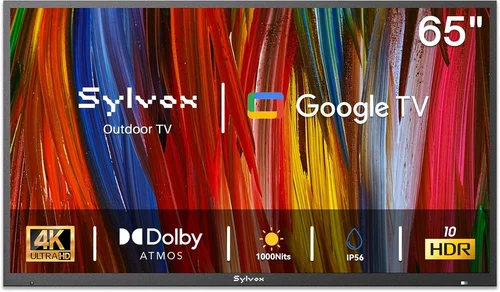
Watching football outdoors is no longer just about gathering around a portable radio or huddling under a tent with a laptop. With the rise of outdoor living spaces, backyard tailgates, and open-air sports bars, the demand for high-quality, weatherproof TVs has surged. Whether you’re hosting a Super Bowl party in your backyard, setting up a viewing area at a campground, or running a restaurant with an outdoor patio, a weatherproof TV can transform your experience—provided you choose the right one.
But not all outdoor TVs are created equal. Unlike indoor models, weatherproof TVs must withstand rain, humidity, extreme temperatures, dust, and even direct sunlight—all while delivering crisp visuals and reliable performance. This makes selecting the best model a far more nuanced decision than simply picking the biggest screen or the highest resolution. Many buyers end up disappointed after investing in a TV that fogs up in the rain, overheats in summer, or fails to deliver a clear picture under bright skies. That’s why this comprehensive buying guide exists: to help you navigate the complexities of outdoor TV technology, avoid costly mistakes, and find the perfect weatherproof display for your football-watching needs.
In this guide, you’ll learn everything you need to know about choosing a weatherproof TV that performs flawlessly in real-world outdoor conditions. We’ll break down the most critical factors—from IP ratings and screen brightness to durability and smart features—and explain how each one impacts your viewing experience. You’ll also discover the different types of outdoor TVs available, learn how to avoid common purchasing pitfalls, and get expert-backed tips on timing your purchase for the best deals. Whether you’re on a tight budget or ready to invest in a premium setup, this guide will equip you with the knowledge to make a confident, informed decision.
The outdoor TV market has evolved rapidly over the past decade, with manufacturers now offering a range of options designed specifically for exterior use. From fully sealed, all-weather models to weather-resistant enclosures that house standard indoor TVs, the choices can be overwhelming. Some brands specialize exclusively in outdoor displays, while others offer hybrid solutions. Prices vary widely, from under $1,000 to well over $5,000, depending on size, features, and build quality. With so many variables at play, it’s essential to understand what truly matters when evaluating a weatherproof TV. This guide cuts through the marketing noise and focuses on performance, reliability, and value—so you can enjoy every touchdown, interception, and overtime thriller in stunning clarity, no matter the weather.

What to Look for When Buying Buying Guide
1. IP Rating and Weather Resistance
One of the most critical factors when choosing a weatherproof TV is its Ingress Protection (IP) rating. This internationally recognized standard indicates how well a device resists dust and moisture. For outdoor use, look for a minimum IP54 rating, but ideally aim for IP55 or higher. An IP55 rating means the TV can withstand low-pressure water jets from any direction and is protected against dust ingress, making it suitable for most outdoor environments.
However, don’t stop at the number—understand what it means in practice. A TV with an IP65 rating offers even better protection, capable of handling heavy rain and temporary immersion. This is especially important if your TV will be exposed to direct rainfall or high humidity. Some premium models go further, featuring fully sealed enclosures, anti-condensation systems, and corrosion-resistant materials. Always check whether the IP rating applies to the entire unit or just certain components. A TV with a high IP rating on the screen but a vulnerable power supply or ports is still at risk.
Additionally, consider the TV’s operating temperature range. Most outdoor TVs are designed to function between -22°F and 122°F (-30°C to 50°C), which covers most climates. But if you live in an area with extreme winters or scorching summers, verify that the model you’re considering can handle those conditions. Some manufacturers offer heated or cooled enclosures to extend usability in harsh environments.
2. Screen Brightness and Anti-Glare Technology
Brightness is arguably the most important performance spec for an outdoor TV. Indoor TVs typically range from 300 to 600 nits, but outdoor models need to be much brighter to combat ambient light. Look for a minimum of 700 nits, but ideally 1,000 nits or higher for daytime viewing. A 1,500-nit display will deliver excellent visibility even under direct sunlight, ensuring you don’t miss a single play during a midday game.
Equally important is anti-glare technology. Many outdoor TVs feature matte or anti-reflective coatings that reduce screen reflections from the sun or surrounding lights. Some models go further with optical bonding—a process where the glass is fused directly to the LCD panel, eliminating air gaps that can cause glare and fogging. This not only improves visibility but also enhances durability.
Consider the TV’s viewing angle as well. Wide viewing angles (178 degrees or more) ensure that everyone in your outdoor seating area can see the screen clearly, even from the sides. This is especially important for large gatherings where people may be seated at various angles. OLED panels typically offer superior viewing angles compared to standard LED/LCD models, but they are less common in outdoor TVs due to cost and brightness limitations.
3. Build Quality and Durational Materials
Outdoor TVs must endure more than just rain and sun—they face temperature swings, UV exposure, wind, and even accidental impacts. That’s why build quality is non-negotiable. Look for TVs constructed with marine-grade aluminum, powder-coated steel, or reinforced polymers. These materials resist rust, corrosion, and fading, ensuring long-term durability.
Pay attention to the enclosure design. Fully sealed units prevent moisture and dust from entering internal components, while ventilation systems (when properly designed) help regulate temperature without compromising protection. Avoid models with exposed ports or flimsy mounting hardware. The stand or wall mount should be sturdy and weather-resistant, ideally made from the same durable materials as the TV itself.
Also consider the TV’s weight and thickness. While outdoor TVs are generally heavier than indoor models due to their reinforced construction, excessively bulky designs can make installation more difficult. Some manufacturers offer slim-profile outdoor TVs that balance protection with aesthetics, making them ideal for modern outdoor living spaces.
4. Smart Features and Connectivity
Just because a TV is built for the outdoors doesn’t mean it should lack modern conveniences. Most high-quality weatherproof TVs come with smart functionality, allowing you to stream games via apps like YouTube TV, Hulu + Live TV, or ESPN+. Look for models with built-in Wi-Fi, Bluetooth, and support for popular streaming platforms. Some even include voice control via Alexa or Google Assistant.
Connectivity is another key consideration. Ensure the TV has enough HDMI ports (at least two, preferably three) to connect devices like a cable box, gaming console, or soundbar. USB ports are useful for playing media files or updating firmware. If you plan to use a streaming stick (like Roku or Fire TV), make sure there’s an accessible HDMI port and sufficient ventilation around it to prevent overheating.
Some outdoor TVs offer advanced features like built-in tuners for over-the-air broadcasts, which is great for watching local games without a cable subscription. Others include weather-resistant remote controls with backlighting for nighttime use. While these extras aren’t essential, they can significantly enhance usability in an outdoor setting.
5. Audio Performance and Sound Solutions
Outdoor environments present unique audio challenges. Wind, ambient noise, and open spaces can make it difficult to hear dialogue or commentary, especially during loud events like football games. While many outdoor TVs include built-in speakers, they are often underpowered and lack bass. Don’t rely solely on the TV’s audio—plan for external sound.
Consider pairing your TV with weatherproof outdoor speakers or a soundbar designed for exterior use. Look for models with high sensitivity (measured in dB) and wide frequency response to ensure clear, balanced sound. Wireless options like Bluetooth speakers offer flexibility, but wired setups typically provide more reliable performance and better audio quality.
If you’re mounting the TV near a patio or deck, you might also explore in-ground or landscape speakers that blend into the environment. Some outdoor TV systems come with integrated audio solutions, but these are often proprietary and may limit your upgrade options. Always test the audio setup before finalizing your purchase, especially if you’re hosting large groups.
6. Installation and Mounting Options
Proper installation is crucial for both performance and safety. Most outdoor TVs are designed for wall mounting, but some can be placed on sturdy outdoor stands. Wall mounts should be rated for outdoor use and capable of supporting the TV’s weight. Look for tilt, swivel, or full-motion mounts that allow you to adjust the viewing angle based on the sun’s position or seating layout.
Consider the TV’s placement carefully. Avoid areas with direct sunlight for extended periods, as this can cause overheating and screen damage. If possible, install the TV under an eave, pergola, or awning for added protection. Ensure there’s adequate clearance around the unit for ventilation and access to ports.
Cable management is another often-overlooked detail. Use weatherproof conduit or cable raceways to protect power and HDMI cables from the elements. Some outdoor TVs include built-in cable management systems, but you may need to purchase accessories separately. Always follow the manufacturer’s installation guidelines to maintain the warranty and ensure optimal performance.
7. Brand Reputation and Customer Support
Not all outdoor TV brands are equal. Some specialize in rugged, commercial-grade displays, while others repurpose indoor models with weatherproof enclosures. Research the brand’s reputation for reliability, customer service, and product longevity. Look for companies with a proven track record in outdoor electronics, such as SunBriteTV, Samsung Terrace, or Seura.
Customer support is especially important for outdoor TVs, which may require specialized servicing. Check if the brand offers local technicians, remote diagnostics, or on-site repairs. Read user reviews to see how responsive the company is to issues like screen fogging, connectivity problems, or warranty claims.
Also consider the availability of replacement parts and accessories. A TV that’s easy to service and upgrade will last longer and provide better long-term value. Avoid obscure brands with limited support networks, as you may struggle to get help if something goes wrong.
8. Warranty and Return Policy
A strong warranty is a sign of a manufacturer’s confidence in their product. Most reputable outdoor TV brands offer warranties ranging from 1 to 3 years, covering defects, performance issues, and sometimes even accidental damage. Some premium models come with extended warranties or optional coverage plans.
Read the fine print carefully. Does the warranty cover outdoor use? Are there exclusions for weather-related damage? Can you transfer the warranty if you sell the TV? Also check the return policy—some retailers allow 30-day returns, while others have stricter terms. A flexible return window gives you time to test the TV in real conditions and ensure it meets your expectations.
If you’re buying online, choose a retailer with a solid reputation and clear policies. Avoid third-party sellers on marketplaces unless they’re authorized dealers. This ensures you receive genuine products and full warranty coverage.
Different Types of Buying Guide

Common Buying Mistakes to Avoid
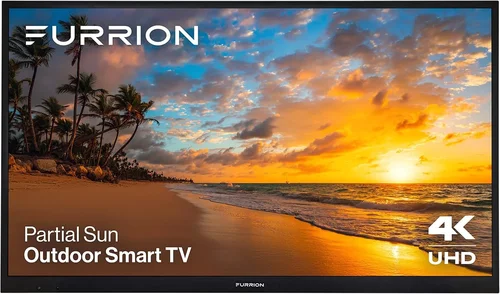
❌ Mistake: Buying an Indoor TV and Expecting It to Survive Outdoors
Why it’s bad: Indoor TVs are not designed to handle moisture, temperature extremes, or UV exposure. Even with a cover, they can fog up, overheat, or suffer electrical failure. The internal components are not sealed, and the screen coating can degrade quickly in sunlight.
What to do instead: Invest in a TV specifically built for outdoor use or use a certified weatherproof enclosure. These solutions are engineered to protect against the elements and ensure long-term reliability.
❌ Mistake: Ignoring Brightness Requirements
Why it’s bad: A dim screen will be nearly impossible to see during daylight hours, especially during afternoon games. You’ll end up squinting or moving indoors, defeating the purpose of an outdoor setup.
What to do instead: Choose a TV with at least 1,000 nits of brightness and anti-glare technology. Test the screen in similar lighting conditions if possible, or rely on verified user reviews.
❌ Mistake: Overlooking Audio Needs
Why it’s bad: Poor sound quality can ruin the experience, especially in noisy outdoor environments. Built-in speakers often lack volume and clarity, making it hard to hear commentary or crowd reactions.
What to do instead: Plan for external audio from the start. Invest in weatherproof speakers or a soundbar, and ensure they’re compatible with your TV’s audio output options.
❌ Mistake: Skimping on Installation
Why it’s bad: Improper mounting can lead to instability, water ingress, or even the TV falling. Poor cable management can expose wires to damage and create tripping hazards.
What to do instead: Use professional installation services or follow the manufacturer’s guidelines precisely. Invest in quality mounts and weatherproof conduit for cables.
❌ Mistake: Not Checking the Warranty Terms
Why it’s bad: Some warranties exclude outdoor use or weather-related damage. If your TV fails due to rain or heat, you might be left with no coverage.
What to do instead: Read the warranty documentation carefully. Choose a brand that explicitly covers outdoor conditions and offers responsive customer support.
❌ Mistake: Buying Based on Size Alone
Why it’s bad: A large screen may look impressive, but if it’s not bright enough or lacks proper weather protection, it won’t perform well. Size should be balanced with other critical factors.
What to do instead: Consider your viewing distance and environment. A 55-inch TV may be sufficient for most backyards, while larger screens are better suited for commercial spaces.
❌ Mistake: Waiting Until Game Day to Test
Why it’s bad: Discovering issues like connectivity problems, audio lag, or screen fogging during a live game is frustrating and disruptive.
What to do instead: Set up and test your TV well in advance. Run it through various conditions—daylight, rain, night—and ensure all components work seamlessly.
Budget Guidelines: How Much Should You Spend?
Outdoor TVs represent a significant investment, but pricing varies widely based on features, size, and build quality. Here’s a breakdown to help you determine how much to budget:
Entry-Level ($800 – $1,500): These are typically portable models or basic weatherproof enclosures for indoor TVs. They offer decent protection and functionality but may lack high brightness, advanced smart features, or long-term durability. Best for occasional use, such as tailgating or small backyard gatherings.
Mid-Range ($1,500 – $3,000): This is the sweet spot for most homeowners. You’ll find fully sealed outdoor TVs with 1,000+ nits brightness, smart capabilities, and solid build quality. Models in this range often include anti-glare screens, wide viewing angles, and reliable weather resistance. Ideal for regular outdoor entertainment, including football games.
Premium ($3,000 – $5,000): These TVs offer top-tier performance, with brightness levels exceeding 1,500 nits, advanced cooling systems, and commercial-grade materials. They’re built for permanent installations and can handle extreme conditions. Many include extended warranties and professional installation support. Perfect for large patios, outdoor kitchens, or semi-commercial use.
Luxury ($5,000+): Reserved for high-end homes, sports bars, or public venues, these models feature the brightest displays, ultra-durable construction, and cutting-edge technology like 4K HDR and integrated audio systems. Some even offer custom sizing and branding options. Only necessary for those who demand the absolute best in outdoor viewing.
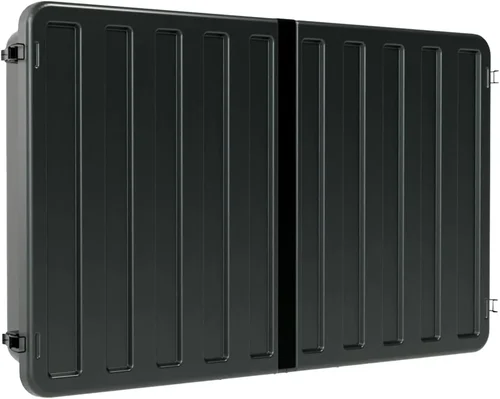
Expert Tips for Getting the Best Deal
- Buy During Off-Season: The best time to purchase an outdoor TV is in late fall or winter, after the summer entertainment season ends. Retailers often offer discounts to clear inventory, and you’ll have your setup ready for spring and summer games.
- Shop at Authorized Dealers: Avoid third-party sellers on large marketplaces. Buy directly from the manufacturer or authorized retailers to ensure authenticity, full warranty coverage, and reliable customer support.
- Look for Bundle Deals: Some brands offer packages that include the TV, mount, and speakers at a discounted rate. These can save you hundreds compared to buying items separately.
- Check for Rebates and Promotions: Manufacturers and retailers frequently run promotions, especially around major holidays or product launches. Sign up for newsletters to stay informed.
- Consider Refurbished Models: Certified refurbished outdoor TVs from reputable brands can offer significant savings while still providing excellent performance and warranty coverage.
- Negotiate Installation Services: If you’re buying from a local retailer, ask if they offer free or discounted installation with purchase. This can offset the cost and ensure proper setup.
- Read Real User Reviews: Look beyond star ratings and read detailed reviews from buyers who’ve used the TV in similar conditions. Pay attention to comments about brightness, durability, and customer service.
- Test Before Committing: If possible, visit a showroom or borrow a unit to test in your environment. This helps you assess visibility, sound quality, and ease of use firsthand.

Frequently Asked Questions
Q: Can I use a regular TV outside if I cover it?
A: While a cover can offer limited protection, it’s not sufficient for long-term outdoor use. Indoor TVs lack the sealed design, UV-resistant coatings, and temperature regulation needed for exterior environments. Moisture can still seep in, and overheating is a real risk. For reliable performance, use a TV designed for outdoor use or a certified weatherproof enclosure.
Q: How do I protect my outdoor TV from theft?
A: Use a locking wall mount and consider installing the TV in a well-lit, visible area. Some models come with security features like Kensington locks or tamper-resistant screws. For added protection, use a security camera or motion sensor nearby.
Q: Will an outdoor TV work in the rain?
A: Yes, as long as it has a proper IP rating (IP55 or higher) and is installed correctly. The TV should be mounted under cover if possible, and all ports should be sealed. Avoid spraying water directly on the screen during cleaning.
Q: Can I leave my outdoor TV on all the time?
A: Most outdoor TVs are designed for continuous operation, but it’s best to turn them off when not in use to extend lifespan and save energy. Use a timer or smart plug to automate power management.
Q: Do outdoor TVs need special cleaning?
A: Use a soft, dry microfiber cloth to wipe the screen. For tougher smudges, lightly dampen the cloth with water or a screen-safe cleaner. Avoid abrasive materials or harsh chemicals that can damage the anti-glare coating.
Q: What’s the difference between a weatherproof TV and a waterproof TV?
A: “Weatherproof” generally means resistant to rain, dust, and temperature changes, while “waterproof” implies protection against immersion. Most outdoor TVs are weatherproof but not fully waterproof. Check the IP rating for specifics.
Q: Can I connect my outdoor TV to a satellite or cable box?
A: Yes, as long as the TV has the necessary HDMI and audio inputs. Ensure the cables are weatherproof and routed safely to prevent damage.
Q: How long do outdoor TVs typically last?
A: With proper care and installation, a high-quality outdoor TV can last 7–10 years or more. Lower-end models or those exposed to extreme conditions may have shorter lifespans.
Q: Are outdoor TVs energy efficient?
A: Many modern outdoor TVs use LED backlighting and energy-saving modes to reduce power consumption. Look for ENERGY STAR certification if efficiency is a priority.
Q: Can I use my outdoor TV in the winter?
A: Yes, as long as the TV’s operating temperature range includes winter conditions. Some models feature internal heaters to prevent freezing. Avoid turning on a cold TV immediately—let it acclimate first.
Our Final Recommendations
Best for Budget-Conscious Buyers: SunBriteTV Veranda Series – Offers excellent value with 1,000-nit brightness, full weather protection, and smart features at a mid-range price. Ideal for casual outdoor viewing.
Best Overall Value: Samsung The Terrace – Combines high brightness (1,500 nits), 4K HDR, and robust build quality. Its anti-reflective screen and wide viewing angles make it perfect for football games in any lighting.
Best Premium Option: Seura Outdoor TV – Features a sleek design, exceptional brightness, and advanced cooling. Built for luxury outdoor spaces and designed to last decades.
Best for Beginners: Peerless-AV Outdoor TV Enclosure – A cost-effective way to protect a standard indoor TV. Easy to install and compatible with most 55–75 inch models.
Best for Advanced Users: SunBriteTV Pro Series – Commercial-grade performance with 2,500-nit brightness, heated/cooled enclosures, and 24/7 operation. Ideal for sports bars or large venues.
Conclusion: Making the Right Choice
Choosing the best weatherproof TV for football games outside is about more than just screen size or resolution—it’s about finding a display that can withstand the elements while delivering a vivid, reliable viewing experience. From IP ratings and brightness to build quality and smart features, every detail matters when you’re investing in outdoor entertainment.
Remember to prioritize your specific needs: Are you hosting weekly tailgates or running a commercial venue? Do you need portability or permanent installation? By aligning your purchase with your usage patterns and environment, you’ll avoid common pitfalls and maximize your enjoyment.
Take the time to research, compare models, and consider long-term value over upfront cost. A well-chosen outdoor TV will enhance your football season for years to come, turning every game into a memorable event under the open sky. So gather your friends, fire up the grill, and get ready to cheer—your perfect outdoor viewing setup is within reach.

