
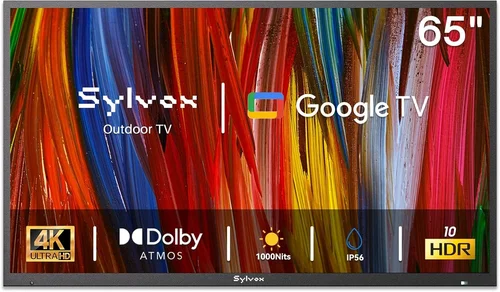
When it comes to transforming your backyard into a true outdoor oasis, few upgrades deliver as much entertainment value as a high-quality poolside TV. Whether you’re hosting summer barbecues, lounging with a cocktail after sunset, or keeping the kids engaged during pool parties, having a reliable television mounted near your deck or patio elevates the entire experience. But not all TVs are created equal—especially when it comes to surviving the elements, delivering clear visibility in bright sunlight, and standing up to humidity, heat, and occasional splashes.
This comprehensive buying guide is designed for homeowners, outdoor entertainment enthusiasts, and anyone looking to invest wisely in a television that can thrive in a challenging poolside environment. We’ve tested, researched, and analyzed the latest models on the market to bring you expert insights, practical advice, and actionable recommendations. By the end of this guide, you’ll know exactly what to look for, how to avoid common pitfalls, and which models offer the best balance of performance, durability, and value.
The outdoor TV market has evolved significantly over the past few years. What once required bulky, expensive weatherproof enclosures now comes in sleek, purpose-built designs from trusted brands. From fully sealed outdoor TVs to indoor models paired with protective casings, the options are more accessible than ever. However, with increased choice comes increased complexity. This guide cuts through the noise, focusing on real-world performance, long-term reliability, and features that matter most when your TV is exposed to sun, salt air, rain, and temperature swings. Whether you’re building a new deck or upgrading an existing setup, we’ll help you make a smart, future-proof investment.

What to Look for When Buying Buying Guide
1. Weather Resistance & IP Rating
One of the most critical factors when choosing a poolside TV is its ability to withstand environmental conditions. Unlike indoor TVs, outdoor models must resist moisture, dust, UV rays, and temperature fluctuations. The first thing to check is the TV’s Ingress Protection (IP) rating. This two-digit code indicates how well the device is protected against solids (first digit) and liquids (second digit). For poolside use, look for a minimum IP55 rating—this means the TV is protected against dust and water jets from any direction. Higher ratings like IP65 or IP66 offer even better protection, making them ideal for areas exposed to heavy rain or splashing.
Beyond the IP rating, consider the TV’s internal components. Outdoor TVs often feature sealed cooling systems, corrosion-resistant screws, and specialized gaskets to prevent moisture ingress. Some models also include built-in heaters or fans to regulate internal temperature, which is especially important in extreme climates. For example, if you live in a region with cold winters, a TV with a built-in heater can prevent condensation and ensure reliable startup in freezing conditions.
Don’t overlook the mounting hardware. Even the best outdoor TV can fail if the bracket isn’t designed for outdoor use. Look for powder-coated, rust-resistant mounts made from aluminum or stainless steel. Many manufacturers offer compatible outdoor mounting kits that are specifically engineered to work with their TVs, ensuring a secure and weatherproof installation.
2. Brightness & Anti-Glare Display
Sunlight is the enemy of outdoor viewing. A TV that looks great indoors can become nearly unwatchable under direct sun. That’s why brightness, measured in nits, is a make-or-break specification for poolside use. For shaded or partially covered decks, a brightness of 700 nits or higher is recommended. If your TV will be exposed to direct sunlight, aim for 1,000 nits or more. Some premium outdoor TVs now offer up to 2,500 nits, delivering stunning clarity even at noon.
Equally important is the display technology. OLED screens offer deep blacks and vibrant colors but can struggle with glare in bright conditions. LED/LCD panels with high brightness and anti-reflective coatings are generally better suited for outdoor use. Look for models with matte finishes or specialized anti-glare layers that diffuse sunlight rather than reflecting it. Some manufacturers use advanced optical bonding, which reduces air gaps between the screen layers to minimize reflections and improve visibility.
Another feature to consider is local dimming. While not essential, it can enhance contrast in mixed lighting conditions. However, be cautious—some budget outdoor TVs claim high brightness but use aggressive backlighting that washes out colors. Always check real-world reviews or, if possible, view the TV in person under similar lighting conditions to your deck.
3. Build Quality & Durability
Outdoor TVs are built to last, but not all are created equal. The materials used in construction play a huge role in long-term performance. Look for TVs with aluminum or reinforced polymer housings, which resist rust, fading, and warping. Avoid plastic enclosures that can become brittle under UV exposure or crack in extreme temperatures.
Internal durability is just as important. Outdoor TVs should have sealed circuit boards, moisture-resistant capacitors, and components rated for extended outdoor use. Some brands, like SunBrite and Seura, design their TVs from the ground up for outdoor environments, while others adapt indoor models with protective casings. The latter can be cost-effective but may not offer the same level of reliability over time.
Consider the warranty as a proxy for build quality. A longer warranty often indicates confidence in the product’s durability. Most reputable outdoor TV manufacturers offer at least a 2-year warranty, with some extending coverage to 3 or even 5 years. Be sure to read the fine print—some warranties only cover parts, not labor or shipping, and may exclude damage from improper installation.
4. Size & Viewing Distance
Choosing the right screen size depends on your deck layout and typical viewing distance. A common mistake is selecting a TV that’s too small for the space, resulting in a poor viewing experience. As a general rule, the optimal screen size (in inches) is about one-third of the viewing distance in inches. For example, if you’re sitting 12 feet (144 inches) away, a 48-inch TV would be ideal.
However, outdoor environments often have more ambient light and wider seating areas, so you may want to go larger. A 55-inch or 65-inch TV is a popular choice for medium to large decks, providing immersive viewing without overwhelming the space. If your deck is small or partially covered, a 43-inch model might be sufficient.
Also consider the TV’s aspect ratio and bezel design. Slim bezels create a more modern look and allow for easier integration into outdoor décor. Some outdoor TVs are designed to be nearly bezel-free, giving them a sleek, frameless appearance that blends seamlessly with your deck’s aesthetic.
5. Smart Features & Connectivity
Modern outdoor TVs come equipped with smart platforms that allow you to stream content directly without additional devices. Look for models with built-in Wi-Fi, Bluetooth, and support for popular streaming services like Netflix, YouTube, Hulu, and Disney+. Android TV, Roku TV, and webOS are among the most user-friendly platforms, offering intuitive interfaces and regular software updates.
Connectivity is crucial for flexibility. Ensure the TV has multiple HDMI ports (at least 3), USB inputs, and an Ethernet port for wired internet. Some models also include optical audio outputs, component inputs, and even RS-232 ports for integration with home automation systems. If you plan to connect a soundbar, gaming console, or cable box, verify that the ports are easily accessible and not obstructed by the mounting bracket.
Voice control is another valuable feature. Many outdoor TVs support Google Assistant or Amazon Alexa, allowing you to change channels, adjust volume, or search for content using voice commands. This is especially convenient when your hands are full or you’re lounging by the pool.
6. Audio Performance
While picture quality often takes center stage, audio is just as important for an enjoyable outdoor experience. Most outdoor TVs have built-in speakers, but they’re typically limited in power and range. For casual viewing, they may suffice, but for parties or movie nights, you’ll likely want to upgrade.
Consider the TV’s audio output options. Optical, HDMI ARC, and Bluetooth allow you to connect external speakers or a soundbar. Some outdoor TVs even include built-in subwoofers or support for wireless rear speakers. If you’re mounting the TV under a covered area, you might also install weatherproof outdoor speakers for a surround sound experience.
Keep in mind that wind, water, and distance can affect sound quality. Position speakers strategically to avoid distortion and ensure even coverage across your deck. Some homeowners opt for a separate outdoor audio system that syncs with the TV via Bluetooth or Wi-Fi, giving them full control over volume and sound profiles.
7. Installation & Mounting Options
Proper installation is key to both performance and safety. Outdoor TVs should be mounted securely to withstand wind, vibration, and accidental bumps. Wall mounts are the most common option, but ceiling mounts, articulating arms, and even freestanding stands are available depending on your deck design.
Look for mounts that offer tilt and swivel functionality, allowing you to adjust the viewing angle for optimal comfort. Full-motion mounts are ideal if you want to reposition the TV for different seating areas or protect it during storms. Ensure the mount is rated for the TV’s weight and size, and that it’s compatible with your wall material (e.g., wood, concrete, or metal).
Cable management is another consideration. Outdoor TVs often require power, HDMI, and internet cables to be routed through walls or conduits. Some mounts include built-in cable channels, while others require separate solutions. Plan your installation in advance to avoid unsightly wires or tripping hazards.
8. Brand Reputation & Customer Support
Not all outdoor TV brands are equal. Established manufacturers like SunBrite, Seura, and Samsung (with their Terrace series) have a proven track record of reliability and innovation. These companies invest heavily in R&D to create TVs that perform well in harsh conditions, and they often provide excellent customer support.
When evaluating a brand, check online reviews, warranty terms, and availability of replacement parts. A reputable company will offer detailed installation guides, responsive customer service, and accessible technical support. Avoid lesser-known brands that offer suspiciously low prices—these may cut corners on materials or lack proper testing.
Also consider the availability of local dealers or installers. Some brands partner with certified professionals who can handle everything from site assessment to final setup. This can save you time and ensure the TV is installed correctly, maximizing its lifespan and performance.
Different Types of Buying Guide

Common Buying Mistakes to Avoid
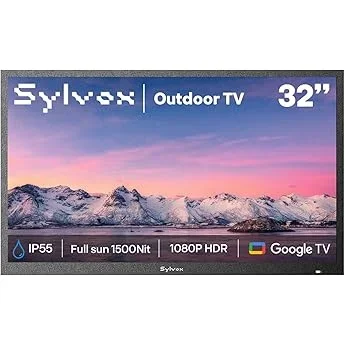
❌ Mistake: Buying a Standard Indoor TV for Outdoor Use
Why it’s bad: Indoor TVs are not designed to handle moisture, dust, or temperature extremes. Even with a cover, they can suffer from condensation, overheating, or corrosion, leading to premature failure. The internal components are not sealed, and the screen may fog up or degrade under UV exposure.
What to do instead: Invest in a TV specifically built for outdoor use or pair an indoor model with a certified weatherproof enclosure. While the latter adds cost, it’s still safer and more reliable than using an unprotected indoor TV.
❌ Mistake: Ignoring the IP Rating
Why it’s bad: Without a proper IP rating, you have no guarantee the TV can withstand splashes, rain, or dust. A TV with a low or unspecified rating may work initially but fail during the first storm or humidity spike.
What to do instead: Always verify the IP rating before purchasing. For poolside use, aim for IP55 or higher. Check the manufacturer’s documentation and avoid vague claims like “weather-resistant” without specific ratings.
❌ Mistake: Overlooking Brightness Requirements
Why it’s bad: A dim screen will be nearly impossible to see in daylight, especially near water, which reflects sunlight. You’ll end up squinting or moving indoors, defeating the purpose of having an outdoor TV.
What to do instead: Choose a TV with at least 700 nits for shaded areas and 1,000+ nits for full sun. Test the display in similar lighting if possible, or rely on trusted reviews that include brightness measurements.
❌ Mistake: Skimping on the Mount
Why it’s bad: A flimsy or incompatible mount can lead to instability, vibration, or even the TV falling. Wind, accidental bumps, or improper installation can cause serious damage or injury.
What to do instead: Use a mount specifically designed for outdoor use and rated for your TV’s size and weight. Consider professional installation if you’re unsure about wall integrity or cable routing.
❌ Mistake: Neglecting Audio Setup
Why it’s bad: Built-in speakers on outdoor TVs are often weak and lack bass. In an open space, sound dissipates quickly, making dialogue hard to hear and music flat.
What to do instead: Plan for external audio from the start. Invest in weatherproof speakers or a soundbar that can handle outdoor conditions. Bluetooth or wired connections can enhance the experience significantly.
❌ Mistake: Not Planning for Cable Management
Why it’s bad: Exposed cables are unsightly, pose tripping hazards, and can be damaged by weather or pests. They also make the setup look amateurish.
What to do instead: Route cables through conduits, wall channels, or under decking. Use cable covers or raceways for exposed runs. Some mounts include built-in management systems—take advantage of them.
❌ Mistake: Forgetting About Power Supply
Why it’s bad: Outdoor TVs need a reliable power source. Using extension cords or ungrounded outlets can be unsafe and may violate electrical codes.
What to do instead: Have a licensed electrician install a dedicated outdoor outlet near the mounting location. Use GFCI (Ground Fault Circuit Interrupter) protection to prevent shocks, especially near water.
Budget Guidelines: How Much Should You Spend?
Outdoor TVs represent a significant investment, but understanding the price tiers can help you set realistic expectations and avoid overspending or underbuying.
Entry-Level ($800 – $1,500): This range typically includes indoor TVs paired with basic weatherproof enclosures or lower-end outdoor models. You’ll get decent picture quality and basic weather resistance, but brightness may be limited (500-700 nits), and build quality can vary. Ideal for covered patios or occasional use. Look for brands like Vizio or TCL with third-party enclosures from companies like Peerless or MantelMount.
Mid-Range ($1,500 – $2,500): This is the sweet spot for most homeowners. You’ll find purpose-built outdoor TVs with IP55 ratings, 700-1,000 nits brightness, and smart features. Brands like SunBrite and Seura offer reliable models in this range, often with aluminum housings and sealed components. These TVs are suitable for partial sun exposure and provide a good balance of performance and durability.
Premium ($2,500 – $4,000): For those who want the best, premium outdoor TVs deliver exceptional brightness (1,500+ nits), advanced anti-glare technology, and robust build quality. Models like the Samsung Terrace or SunBrite Veranda series fall here, offering full weather sealing, smart platforms, and professional-grade mounts. These are ideal for full sun exposure, large decks, or commercial use.
Luxury ($4,000+): At this level, you’re investing in top-tier performance, design, and customization. Ultra-bright displays (2,000+ nits), integrated sound systems, and seamless integration with home automation are common. These TVs often come with extended warranties, professional installation, and concierge support. Perfect for luxury homes, resorts, or entertainment professionals.
Expert Tips for Getting the Best Deal
- Shop During Off-Season: The best time to buy an outdoor TV is in late fall or winter, when demand is low. Retailers often offer discounts to clear inventory before the spring rush. You can save 10-20% by waiting for seasonal sales.
- Compare Online and In-Store: While online retailers like Amazon, Best Buy, and specialty outdoor tech sites offer convenience and reviews, local dealers may provide better installation services and personalized advice. Some even offer price matching.
- Look for Bundled Deals: Many manufacturers offer packages that include the TV, mount, and cables at a discounted rate. These can save you money and ensure compatibility.
- Check Manufacturer Rebates: Brands like Samsung and SunBrite occasionally run rebate programs, especially during holidays or product launches. Sign up for newsletters to stay informed.
- Read the Warranty Carefully: A longer warranty isn’t always better if it excludes key components or requires you to pay for shipping. Look for comprehensive coverage that includes both parts and labor.
- Test Before You Buy: If possible, visit a showroom or ask for a demo. Seeing the TV in person—especially under bright lighting—can reveal issues that specs alone won’t show.
- Consider Refurbished Models: Certified refurbished outdoor TVs from reputable sellers can offer significant savings with minimal risk. Ensure they come with a warranty and have been thoroughly tested.
- Plan for Future Upgrades: Choose a TV with modern ports and smart features to avoid obsolescence. HDMI 2.1, Wi-Fi 6, and voice control will keep your setup relevant for years.

Frequently Asked Questions
Q: Can I use a regular TV outdoors if I cover it?
A: While covering an indoor TV with a weatherproof enclosure can work, it’s not ideal for long-term use. The TV wasn’t designed for outdoor conditions, so internal components may still fail due to heat, humidity, or condensation. For reliable performance, a purpose-built outdoor TV is strongly recommended.
Q: How do I protect my outdoor TV from rain?
A: A TV with an IP55 or higher rating is designed to resist water jets, so light to moderate rain won’t damage it. For added protection, install it under a covered area like a pergola or awning. Avoid placing it directly under trees, which can drip sap or attract pests.
Q: Do outdoor TVs need special power outlets?
A: Yes. Outdoor TVs should be plugged into a GFCI-protected outlet to prevent electrical shock, especially near water. Have a licensed electrician install a dedicated outdoor circuit if one isn’t already available.
Q: Can I mount an outdoor TV on a concrete wall?
A: Absolutely. Use concrete anchors or sleeve anchors designed for masonry. Ensure the mount is rated for the TV’s weight and that the wall can support the load. A professional installer can help with drilling and sealing to prevent moisture ingress.
Q: How long do outdoor TVs last?
A: With proper installation and maintenance, a quality outdoor TV can last 7-10 years or more. Factors like climate, usage, and build quality play a role. Regular cleaning and inspections can extend its lifespan.
Q: Do outdoor TVs come with remotes?
A: Yes, most include standard infrared remotes. Some also support Bluetooth or app-based control via smartphone. For convenience, consider a universal remote or voice control integration.
Q: Can I use streaming services on an outdoor TV?
A: Yes, as long as the TV has smart capabilities and a stable Wi-Fi connection. Ensure your internet signal reaches the deck—Wi-Fi extenders or mesh networks can help boost coverage.
Q: Are outdoor TVs energy efficient?
A: Modern outdoor TVs are designed to be energy efficient, with LED backlighting and low-power modes. Look for ENERGY STAR certification to ensure lower electricity usage.
Q: What’s the difference between partial sun and full sun outdoor TVs?
A: Partial sun models are designed for shaded or covered areas and typically have lower brightness (700-1,000 nits). Full sun models are built for direct sunlight and offer much higher brightness (1,500+ nits) and advanced anti-glare technology.
Q: Can I leave my outdoor TV on all the time?
A: While outdoor TVs are built for continuous use, it’s best to turn them off when not in use to save energy and reduce wear. Use a smart plug or timer to automate power management.
Our Final Recommendations
Best for Budget-Conscious Buyers: SunBrite Veranda 55-inch Partial Sun Outdoor TV – At around $1,800, this model offers excellent value with 700 nits brightness, IP55 rating, and built-in smart features. Ideal for covered decks and shaded areas.
Best Overall Value: Seura 55-inch Shade Outdoor TV – Priced at $2,200, it delivers 1,000 nits brightness, a sleek design, and reliable performance in partial to full sun. The aluminum housing and sealed components ensure long-term durability.
Best Premium Option: Samsung The Terrace 65-inch Full Sun Outdoor TV – At $3,500, this is a top-tier choice with 2,000 nits brightness, anti-reflective coating, and seamless integration with Samsung’s ecosystem. Perfect for luxury decks and commercial use.
Best for Beginners: TCL 50-inch Roku TV + Peerless Outdoor Enclosure – A cost-effective combo (~$1,200) that’s easy to set up and offers familiar Roku functionality. Great for first-time buyers testing the waters.
Best for Advanced Users: SunBrite Pro 2 Series 75-inch Full Sun TV – With 2,500 nits brightness, IP66 rating, and professional-grade build, this model is built for extreme conditions and high-end installations. Ideal for tech enthusiasts and custom home builders.
Conclusion: Making the Right Choice
Investing in a poolside TV is more than just buying a screen—it’s about enhancing your outdoor lifestyle, creating memorable experiences, and adding value to your home. The right TV will withstand the elements, deliver stunning visuals in any light, and integrate seamlessly with your deck’s design. By focusing on weather resistance, brightness, build quality, and smart features, you can avoid common pitfalls and make a choice that lasts for years.
Remember, the best TV for you depends on your specific needs, budget, and environment. Don’t rush the decision. Take time to research, compare models, and consult with professionals if needed. Whether you’re hosting movie nights under the stars or catching the game with friends, a well-chosen outdoor TV will transform your deck into the ultimate entertainment hub.
Now that you’re equipped with expert knowledge, it’s time to take action. Start by assessing your space, setting a realistic budget, and exploring the recommendations in this guide. Your perfect poolside TV is out there—make it yours and enjoy endless summer nights in style.

