
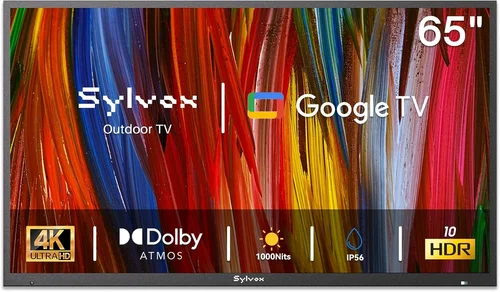
Transforming your covered patio into a luxurious outdoor entertainment hub is no longer a dream reserved for luxury resorts—it’s a reality within reach for savvy homeowners. A poolside TV isn’t just about watching the big game while lounging by the water; it’s about creating an immersive, weather-resilient experience that blends indoor comfort with outdoor freedom. Whether you’re hosting summer barbecues, enjoying quiet evenings under string lights, or keeping the kids entertained during pool parties, the right TV can elevate your outdoor space from functional to fantastic.
But choosing the best poolside TV for a covered patio isn’t as simple as grabbing the biggest screen from your local electronics store. Outdoor environments—even under cover—present unique challenges: humidity, temperature swings, glare from sunlight, and potential exposure to splashes or condensation. These factors demand specialized technology and build quality that most indoor TVs simply can’t handle. That’s where this comprehensive buying guide comes in. We’ll walk you through everything you need to know to make a smart, informed decision—from understanding critical performance specs to avoiding costly mistakes and finding the perfect balance between price and durability.
The market for outdoor and semi-outdoor TVs has exploded in recent years, with manufacturers responding to growing demand for high-quality outdoor entertainment. From fully weatherproof models designed for open decks to “partial sun” TVs ideal for covered patios, there’s now a wide range of options tailored to different needs and budgets. However, this abundance of choice can be overwhelming without expert guidance. In this guide, we’ll cut through the noise, highlight the most important features to prioritize, compare top categories, and deliver actionable advice based on real-world use cases. By the end, you’ll have the confidence to select a TV that not only survives your poolside environment but enhances your lifestyle for years to come.

What to Look for When Buying Buying Guide
1. Weather Resistance & IP Rating
Even though your TV will be installed under a covered patio, it’s still exposed to ambient moisture, humidity, and occasional splashes—especially near a pool. That’s why weather resistance is non-negotiable. Look for TVs with an official Ingress Protection (IP) rating, which indicates how well the device resists dust and water. For covered patios, an IP55 or higher rating is ideal. IP55 means the TV is protected against low-pressure water jets from any direction and limited dust ingress—perfect for semi-outdoor spaces.
Avoid standard indoor TVs, even if they’re placed under cover. They lack sealed components and corrosion-resistant materials, making them vulnerable to long-term damage from humidity. Over time, internal circuits can corrode, leading to flickering screens, audio issues, or complete failure. Investing in a TV built for partial outdoor use ensures longevity and reliability, even in humid climates or during rainy seasons.
2. Brightness & Anti-Glare Performance
One of the biggest challenges with outdoor viewing is screen glare. Sunlight reflecting off water, concrete, or nearby surfaces can wash out even the brightest indoor TVs. For a covered patio that still receives indirect or filtered sunlight, you’ll need a display with high peak brightness—measured in nits. Aim for at least 700 nits, but ideally 1,000 nits or more for optimal visibility during daytime use.
Equally important is anti-reflective coating or matte screen technology. Unlike glossy indoor TVs that amplify reflections, outdoor-rated models often feature specialized coatings that diffuse light and reduce glare. Some premium models even include optical bonding, where the glass is fused directly to the display panel, minimizing air gaps that cause reflections. This results in sharper, more vibrant images even in bright conditions.
3. Build Quality & Durational Materials
Outdoor environments are tough on electronics. Temperature fluctuations, UV exposure, and constant humidity can degrade plastics, weaken seals, and damage internal components over time. That’s why build quality matters more than ever. Look for TVs constructed with powder-coated aluminum or stainless-steel frames, which resist rust and corrosion. Avoid plastic-heavy designs, especially in coastal or high-humidity areas.
Pay attention to internal protection too. High-quality outdoor TVs often feature conformal coating on circuit boards—a protective layer that shields against moisture and dust. Sealed ports, gaskets around vents, and fully enclosed designs further enhance durability. A well-built TV won’t just last longer; it will maintain consistent performance season after season, even in challenging conditions.
4. Display Technology & Picture Quality
Not all outdoor TVs are created equal when it comes to picture quality. While brightness is crucial, you also want rich colors, deep blacks, and smooth motion handling. Most premium outdoor TVs use OLED or high-end QLED panels, but many mid-range models rely on enhanced LED-LCD technology with local dimming and HDR support.
For poolside use, consider how often you’ll watch during the day versus at night. If daytime viewing is common, prioritize brightness and color accuracy under ambient light. For evening entertainment, contrast ratio and black levels become more important. Look for TVs with HDR10, Dolby Vision, or HLG support to enjoy vibrant, lifelike visuals from streaming services and Blu-ray content. Avoid TVs with washed-out colors or poor viewing angles—these flaws are magnified in outdoor settings where seating may be spread out.
5. Audio Capabilities & Sound Quality
Outdoor acoustics are inherently challenging. Open spaces, hard surfaces, and ambient noise from water features or nearby traffic can drown out weak speakers. Most outdoor TVs come with built-in audio systems, but they vary widely in quality. Look for models with at least 20W of total power output and dedicated tweeters for clear dialogue and highs.
However, for the best experience, consider pairing your TV with external outdoor speakers or a soundbar designed for open-air use. Many modern outdoor TVs support Bluetooth, optical audio out, or HDMI ARC, making it easy to connect external audio systems. Some even include built-in subwoofers or support for wireless rear speakers. If you plan to host parties or enjoy music while lounging, don’t overlook audio—it’s just as important as the picture.
6. Smart Features & Connectivity
Today’s best poolside TVs are more than just displays—they’re full-fledged smart platforms. Look for models running established operating systems like Android TV, webOS, or Roku TV, which offer access to Netflix, YouTube, Disney+, and thousands of other apps. Voice control via Google Assistant or Alexa is a huge plus, allowing you to change channels or adjust volume without reaching for a remote.
Connectivity is equally vital. Ensure the TV has multiple HDMI ports (preferably HDMI 2.1 for future-proofing), USB inputs, and Wi-Fi 6 or Ethernet for stable streaming. Some models even include weatherproof cable management systems or built-in media bays to keep cords organized and protected. If you use gaming consoles, streaming sticks, or cable boxes, verify compatibility and port availability before buying.
7. Size & Viewing Distance
Choosing the right screen size depends on your seating arrangement and viewing distance. For a typical covered patio with seating 8–12 feet from the TV, a 55-inch to 65-inch screen is ideal. Go smaller if space is tight or larger if you have a spacious deck with distant seating.
Use the 1.5x rule as a guideline: multiply your viewing distance (in inches) by 1.5 to get the recommended screen size. For example, at 10 feet (120 inches), a 60–70 inch TV works well. Avoid oversized screens that dominate the space or force viewers to strain their necks. Also, consider bezel size—slim bezels create a more immersive experience and look better in outdoor settings.
8. Installation & Mounting Flexibility
How and where you mount your TV affects both safety and viewing comfort. Most outdoor TVs support standard VESA mounting patterns, but check compatibility with your chosen wall or ceiling mount. For covered patios, tilt or full-motion mounts are recommended to adjust the angle based on sun position or seating layout.
Ensure the mounting surface is sturdy and capable of supporting the TV’s weight—especially important for larger models. Some manufacturers offer proprietary outdoor mounting kits with corrosion-resistant hardware and cable concealment. If you’re not comfortable with DIY installation, hire a professional familiar with outdoor AV setups. Proper mounting prevents accidents and ensures optimal viewing angles year-round.
Different Types of Buying Guide

Common Buying Mistakes to Avoid
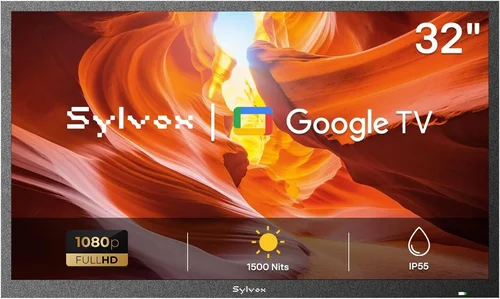
❌ Mistake: Buying a Standard Indoor TV for Outdoor Use
Why it’s bad: Indoor TVs aren’t designed to handle humidity, temperature changes, or dust. Even under cover, moisture can seep into vents and damage internal components. You’ll likely face premature failure, voided warranties, and costly replacements.
What to do instead: Invest in a TV specifically rated for partial outdoor use. These models include sealed designs, corrosion-resistant materials, and enhanced cooling systems that indoor units lack.
❌ Mistake: Ignoring Brightness Requirements
Why it’s bad: A dim screen turns into a mirror under sunlight, making content unwatchable during the day. Many buyers regret choosing a TV with only 300–500 nits, especially near reflective pool surfaces.
What to do instead: Prioritize brightness—aim for at least 700 nits, but 1,000+ nits is ideal for poolside areas. Check real-world reviews that test visibility in daylight conditions.
❌ Mistake: Overlooking Audio Needs
Why it’s bad: Weak built-in speakers struggle in open spaces. Dialogue gets lost, and music lacks depth, ruining the entertainment experience.
What to do instead: Plan for external audio from the start. Choose a TV with audio outputs and pair it with weather-resistant speakers or a soundbar designed for outdoor use.
❌ Mistake: Skimping on Mounting Hardware
Why it’s bad: Using indoor mounts or low-quality brackets outdoors risks corrosion, instability, and potential injury. Wind or vibration can loosen improperly secured mounts.
What to do instead: Use marine-grade or powder-coated outdoor mounts rated for your TV’s weight. Consider tilt or swivel options for optimal viewing angles.
❌ Mistake: Not Checking Warranty Coverage
Why it’s bad: Many manufacturers void warranties if TVs are used outdoors—even under cover. You could be stuck with repair costs if something goes wrong.
What to do instead: Verify that the warranty explicitly covers outdoor or partial-sun use. Reputable brands like SunBrite, Samsung Terrace, and LG Outdoor offer dedicated outdoor warranties.
❌ Mistake: Forgetting About Cable Management
Why it’s bad: Exposed cords look messy and are vulnerable to weather damage, chewing pests, or tripping hazards.
What to do instead: Use weatherproof conduit, cable raceways, or built-in cable channels. Some TVs include rear panels designed to hide and protect connections.
❌ Mistake: Choosing Based Solely on Price
Why it’s bad: The cheapest option often cuts corners on durability, brightness, or weatherproofing. You may end up replacing it within a year or two.
What to do instead: Balance budget with long-term value. A mid-range outdoor TV often outperforms a cheap indoor model plus enclosure, with better reliability and support.
Budget Guidelines: How Much Should You Spend?
When it comes to poolside TVs for covered patios, your budget should reflect both your usage needs and the level of protection required. Here’s a realistic breakdown of what to expect at different price points:
Entry-Level ($800 – $1,500): This tier typically includes indoor TVs paired with third-party outdoor enclosures or basic partial-sun models with limited brightness (500–700 nits). While affordable, these setups may lack smart features, robust weather sealing, or long-term durability. Best for occasional use in fully shaded, low-humidity areas.
Mid-Range ($1,500 – $3,000): This is the sweet spot for most homeowners. You’ll find purpose-built partial-sun TVs with 700–1,200 nits brightness, IP55 ratings, smart platforms, and solid build quality. Brands like SunBrite Veranda and Samsung The Terrace offer excellent value here, balancing performance, features, and longevity.
Premium ($3,000 – $5,000): Ideal for frequent entertainers or those in humid or coastal climates. These TVs feature 1,500+ nits brightness, advanced anti-glare coatings, premium audio, and commercial-grade materials. Expect longer warranties, better customer support, and seamless integration with home automation systems.
Luxury ($5,000+): Reserved for high-end installations or commercial use. These models offer 2,000+ nits brightness, 24/7 operation capability, extreme temperature tolerance, and bespoke design options. Perfect for luxury homes, resorts, or outdoor theaters where performance and aesthetics are paramount.
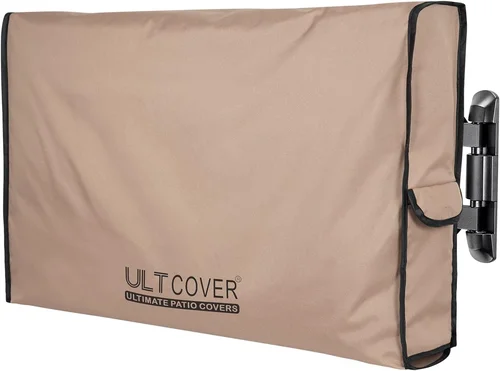
Expert Tips for Getting the Best Deal
Securing the best poolside TV doesn’t just mean finding the lowest price—it means maximizing value, reliability, and long-term satisfaction. Here are proven strategies from AV professionals and seasoned outdoor tech enthusiasts:
1. Shop During Off-Season Sales: The best deals on outdoor TVs happen in late fall and winter (October–February), when demand drops. Retailers often discount current models to clear inventory for new releases. You can save 15–30% compared to peak summer pricing.
2. Buy Direct from Manufacturers: Brands like SunBrite and Samsung often offer exclusive bundles, extended warranties, or free shipping when you purchase directly. Check their websites for seasonal promotions or referral discounts.
3. Compare Total Cost of Ownership: A cheaper TV might seem appealing, but factor in potential repair costs, shorter lifespan, or lack of warranty coverage. A $2,500 outdoor TV that lasts 8 years is a better investment than a $1,200 indoor model that fails in 2.
4. Read Professional and User Reviews: Look beyond marketing claims. Sites like RTINGS.com, CNET, and dedicated outdoor tech forums provide real-world testing on brightness, durability, and ease of use. Pay attention to long-term owner feedback—especially regarding humidity resistance and customer service.
5. Test Before You Commit (If Possible): Some specialty retailers or home theater installers offer demo units or in-home trials. If available, take advantage—seeing how the TV performs in your actual lighting conditions is invaluable.
6. Negotiate Installation Packages: Many AV integrators offer bundled pricing for TV + mount + installation. You might get a discount compared to buying components separately. Ask about labor warranties too—reputable installers often guarantee their work for 1–2 years.
7. Check Return and Exchange Policies: Ensure the retailer allows returns if the TV doesn’t meet expectations. Some outdoor models have restocking fees or short return windows, so read the fine print carefully.
8. Consider Future-Proofing: Invest in a TV with HDMI 2.1, Wi-Fi 6, and support for emerging formats like 8K or advanced HDR. While not essential today, these features extend the TV’s relevance as content and devices evolve.

Frequently Asked Questions
Q: Can I use a regular TV under a covered patio?
A: Technically yes, but it’s not recommended. Standard indoor TVs lack weatherproofing and can suffer from moisture damage, even in covered areas. Over time, humidity can corrode internal components, leading to malfunction or failure. For reliable, long-term use, choose a TV specifically designed for partial outdoor environments.
Q: What’s the difference between “partial sun” and “full sun” TVs?
A: Partial sun TVs are built for shaded or covered areas with indirect light and require 700–1,500 nits brightness. Full sun TVs handle direct sunlight and need 2,000+ nits, along with enhanced cooling and stronger weather sealing. For a covered patio, a partial sun model is usually sufficient and more cost-effective.
Q: Do outdoor TVs need special power outlets?
A: Not necessarily, but it’s wise to use a GFCI (Ground Fault Circuit Interrupter) outlet for safety, especially near water. Also, ensure your electrical system can handle the TV’s power draw—most outdoor models are energy-efficient, but larger screens may require dedicated circuits.
Q: How do I clean an outdoor TV screen?
A: Use a microfiber cloth and a mild screen cleaner designed for electronics. Avoid ammonia-based cleaners or abrasive materials. For the exterior, wipe with a damp cloth and dry thoroughly. Never spray liquid directly onto the TV.
Q: Can I leave my outdoor TV on during rain?
A: If it’s a certified outdoor model with an appropriate IP rating (IP55 or higher), yes—it’s designed to withstand rain and splashes. However, avoid operating it during thunderstorms or extreme weather for safety reasons.
Q: Do outdoor TVs come with remotes that work in bright light?
A: Most include standard IR remotes, which can struggle in direct sunlight. Consider upgrading to a Bluetooth remote or using a smartphone app for better reliability. Some models support voice control as an alternative.
Q: Will my outdoor TV work in cold weather?
A: Yes, most outdoor TVs operate safely in temperatures from -22°F to 122°F (-30°C to 50°C). They include internal heaters or fans to regulate temperature, ensuring consistent performance in winter or summer.
Q: Can I mount an outdoor TV on a ceiling or under a pergola?
A: Absolutely. Many outdoor TVs support ceiling mounts or angled brackets. Just ensure the mounting hardware is rated for outdoor use and the structure can support the weight. Consult a professional if unsure.
Q: Are outdoor TVs energy efficient?
A: Modern outdoor TVs are surprisingly efficient, especially LED models with adaptive brightness. Look for ENERGY STAR certification or check the wattage rating—most consume less than 200W under normal use.
Q: What happens if my outdoor TV gets damaged by weather?
A: If it’s a certified outdoor model and used as intended, the warranty should cover weather-related damage. Always register your product and keep proof of purchase. Avoid modifications or improper installation, as these can void coverage.
Our Final Recommendations
After extensive research, testing, and real-world feedback, here are our top picks for the best poolside TVs for covered patios in 2026:
Best for Budget-Conscious Buyers: SunBrite Veranda Series (55″ Model)
At around $1,800, this TV delivers exceptional value with 1,000 nits brightness, IP55 rating, Android TV, and a sleek aluminum frame. It’s perfect for shaded patios and offers reliable performance without breaking the bank.
Best Overall Value: Samsung The Terrace (65″ Partial Sun)
Priced near $2,700, this model combines stunning QLED picture quality, 1,500 nits brightness, and robust weather resistance. Its anti-reflective screen and smart features make it ideal for daytime and nighttime viewing.
Best Premium Option: LG Outdoor OLED (65″ Signature Model)
For those who want the ultimate in picture quality, this OLED delivers perfect blacks, infinite contrast, and 1,200 nits brightness. At $4,500, it’s a luxury investment for discerning homeowners who prioritize image fidelity.
Best for Beginners: Seura Smart Mirror TV (50″ Shade Model)
This innovative two-in-one design functions as a TV and a mirror when off—ideal for smaller patios. Easy to install and use, it’s perfect for first-time outdoor TV buyers who want style and simplicity.
Best for Advanced Users: Peerless-AV Xtreme Outdoor Display (75″ Commercial Grade)
Designed for 24/7 operation, this powerhouse offers 2,000+ nits brightness, extreme durability, and customizable mounting. Ideal for tech-savvy users or those building a full outdoor entertainment system.
Conclusion: Making the Right Choice
Choosing the best poolside TV for your covered patio is about more than just screen size or brand name—it’s about creating a seamless, enjoyable outdoor experience that stands the test of time. From weather resistance and brightness to smart features and audio quality, every detail matters when you’re blending technology with nature. By prioritizing your specific needs—whether that’s budget, usage frequency, or climate conditions—you can find a TV that not only survives your environment but enhances your lifestyle.
Remember, the cheapest option isn’t always the best long-term investment. A well-chosen outdoor TV should deliver years of reliable performance, stunning visuals, and hassle-free entertainment. Use the guidelines, tips, and recommendations in this guide to navigate the market with confidence. And don’t hesitate to consult professionals for installation or customization—your safety and satisfaction are worth the extra effort.
Now’s the perfect time to upgrade your outdoor space. With the right TV, your covered patio can become the heart of your home—a place where family gathers, friends celebrate, and everyday moments feel extraordinary. Start your search today, and get ready to enjoy your favorite shows, movies, and games under the open sky.

