
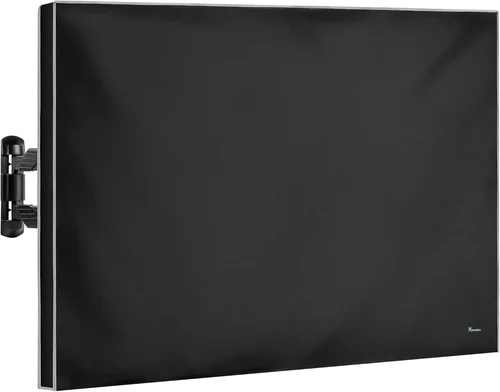
Outdoor living spaces have evolved far beyond simple patios and decks. Today’s homeowners are transforming their screened porches into fully functional extensions of their indoor entertainment areas—complete with outdoor kitchens, cozy seating, and yes, even televisions. Whether you’re catching the big game, streaming a movie under the stars, or simply enjoying background news while sipping your morning coffee, an outdoor TV can elevate your porch experience to something truly special.
But here’s the catch: not all TVs are built for the great outdoors. A standard indoor television exposed to even mild humidity, temperature swings, or indirect sunlight can fail within weeks. That’s why choosing the right outdoor TV for your screened porch is critical. This guide exists to cut through the confusion and help you make a smart, informed decision. You’ll learn what features matter most, how to avoid costly mistakes, and which models deliver the best performance in real-world outdoor conditions. With so many options flooding the market—from ruggedized all-weather displays to weatherproof enclosures for indoor TVs—it’s easy to feel overwhelmed. We’ve done the research so you don’t have to.
The outdoor TV market has matured significantly in recent years. What once consisted of a handful of niche manufacturers now includes major brands like Samsung, LG, and Sony offering dedicated outdoor models, alongside specialists like SunBriteTV, Seura, and Peerless-AV. These aren’t just regular TVs slapped in a box—they’re engineered from the ground up to handle moisture, dust, extreme temperatures, and glare. Whether you’re looking for a compact 43-inch screen for a small sunroom or a massive 75-inch display for a covered patio, there’s a solution tailored to your needs. By the end of this guide, you’ll know exactly what to look for, how much to budget, and which models offer the best blend of durability, picture quality, and value.

What to Look for When Buying Buying Guide
1. Weather Resistance & IP Rating
When it comes to outdoor electronics, weather resistance isn’t optional—it’s essential. Screened porches offer some protection from rain and direct sun, but they’re still exposed to humidity, temperature fluctuations, dust, and even insects. That’s why every outdoor TV must be built to withstand these elements without compromising performance or safety.
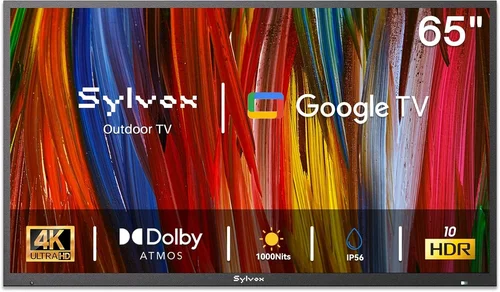
The first thing to check is the TV’s Ingress Protection (IP) rating. This two-digit code tells you how well the device resists solids (like dust) and liquids (like rain or splashes). For example, an IP55 rating means the TV is protected against dust (limited ingress) and low-pressure water jets from any direction. Most quality outdoor TVs carry ratings between IP54 and IP65. If your porch is fully enclosed with minimal exposure, IP54 may suffice. But if there’s any chance of wind-driven rain or high humidity, aim for IP65 or higher.
Beyond the IP rating, look for sealed ventilation systems that prevent moisture buildup inside the unit. Many outdoor TVs use passive cooling instead of fans to avoid drawing in humid air. Also, ensure all ports and connectors are gasket-sealed or covered when not in use. Some models even include internal heaters to prevent condensation during cold mornings—a lifesaver in northern climates.
Don’t assume that “weatherproof” means “indestructible.” Even the most rugged outdoor TVs can suffer damage if installed improperly or exposed to prolonged direct sunlight without adequate shading. Always follow the manufacturer’s installation guidelines and consider adding a retractable awning or overhang for extra protection.
2. Brightness & Anti-Glare Performance
One of the biggest challenges of watching TV outdoors is glare. Even on a screened porch, ambient light from windows, skylights, or nearby landscaping can wash out your picture. That’s why brightness—measured in nits—is arguably more important outdoors than resolution or color accuracy.
Indoor TVs typically range from 250 to 500 nits. For outdoor use, you need at least 700 nits, but ideally 1,000 nits or more. High-brightness panels ensure that colors remain vibrant and details stay visible even in bright daylight. Look for TVs with direct-lit or full-array LED backlighting, as these provide better uniformity and peak brightness than edge-lit models.
Equally important is anti-reflective coating. A matte or low-reflectance screen surface minimizes glare from windows, lights, or reflective surfaces nearby. Some premium outdoor TVs go further by incorporating optical bonding—a process where the LCD layer is fused directly to the outer glass, eliminating air gaps that cause internal reflections. This not only improves visibility but also enhances durability.
Consider your viewing habits: if you mostly watch at night or in shaded areas, you might get away with slightly lower brightness. But if you plan to enjoy daytime sports, news, or nature documentaries, invest in a high-nit display. Also, check whether the TV includes an ambient light sensor that automatically adjusts brightness based on surrounding conditions—this saves energy and reduces eye strain.
3. Build Quality & Durational Design
Outdoor TVs aren’t just about surviving the elements—they’re about lasting for years without degradation. Unlike indoor sets, which sit in climate-controlled rooms, outdoor models face constant thermal cycling (heating up during the day, cooling at night), UV exposure, and mechanical stress from wind or vibrations.
Start by examining the chassis material. High-quality outdoor TVs use powder-coated aluminum or stainless steel, which resist rust, fading, and warping. Avoid plastic enclosures unless they’re specifically engineered for outdoor use—many consumer-grade “weatherproof” cases crack or yellow over time.
Internal components matter too. Look for TVs with conformal-coated circuit boards, which are sprayed with a protective polymer to guard against moisture and corrosion. Capacitors, power supplies, and connectors should all be rated for industrial or automotive environments (often labeled as “extended temperature range” or “outdoor-grade”).
Durability also extends to mounting hardware. Ensure the TV comes with a VESA-compatible mount designed for outdoor use. Many manufacturers offer optional wall or ceiling mounts made from marine-grade aluminum with stainless steel fasteners. These resist salt air, rain, and UV damage far better than standard indoor mounts.
Finally, consider the warranty. A robust build should be backed by a strong warranty—typically 2–3 years for parts and labor, with some brands offering on-site service. If a company only offers a one-year warranty, it may signal concerns about long-term reliability.
4. Display Technology & Picture Quality
While durability is paramount, you still want a TV that delivers a great viewing experience. Fortunately, modern outdoor TVs leverage the same advanced display technologies found in premium indoor models—just optimized for outdoor conditions.
OLED is generally not recommended for outdoor use due to its susceptibility to image retention and lower peak brightness compared to QLED or Mini-LED. Instead, look for QLED (Quantum Dot LED) or Mini-LED backlighting, which offer excellent color volume, deep blacks, and high brightness—all crucial for outdoor visibility.
Resolution matters too. While 4K UHD is now standard even on mid-range outdoor TVs, ensure the panel supports HDR (High Dynamic Range) formats like HDR10, HLG, or Dolby Vision. HDR enhances contrast and color depth, making scenes pop even in challenging lighting. However, note that some outdoor TVs disable HDR in very bright conditions to prevent overheating—check the specs carefully.
Refresh rate is another consideration. For sports fans or gamers, a 120Hz panel with motion interpolation can make fast action look smoother. But for casual viewing, 60Hz is sufficient. Also, verify input lag if you plan to connect a streaming device or game console; under 20ms is ideal for gaming.
Don’t overlook audio. Most outdoor TVs include built-in speakers, but they’re often underpowered for open spaces. Consider pairing your TV with outdoor-rated soundbars or wireless speakers for richer sound. Some models even support Bluetooth audio output for private listening with headphones.
5. Connectivity & Smart Features
Today’s outdoor TVs aren’t just dumb displays—they’re smart hubs capable of streaming, casting, and integrating with home automation systems. But not all smart platforms are created equal, especially in outdoor environments.
Look for TVs running established operating systems like Android TV, webOS (LG), or Tizen (Samsung). These offer access to major streaming apps (Netflix, YouTube, Disney+, etc.), regular software updates, and voice control via Google Assistant or Alexa. Avoid proprietary or outdated platforms that may lack app support or security patches.
Wi-Fi performance is critical. Outdoor areas often suffer from weak signals due to distance from the router or interference from walls and foliage. Choose a TV with dual-band Wi-Fi (2.4GHz and 5GHz) and MIMO antennas for better range and stability. Some high-end models even include Ethernet ports for wired connections—ideal if you can run a cable to your porch.
HDMI and USB ports should be plentiful and easily accessible. At minimum, you’ll want two HDMI 2.0+ ports for a streaming stick, game console, or cable box. USB ports allow for firmware updates or playing media from flash drives. Ensure all ports are weather-sealed or located behind a protective flap.
For advanced users, look for features like screen mirroring (Miracast, AirPlay 2), DLNA support, or compatibility with smart home ecosystems (Google Home, Apple HomeKit). These let you control the TV with your phone or voice commands and integrate it into broader automation routines.
6. Size & Viewing Distance
Choosing the right screen size isn’t just about preference—it’s about optimizing your viewing experience based on distance and seating layout. A TV that’s too small will strain your eyes; one that’s too large can overwhelm the space and look awkward.
As a rule of thumb, multiply your viewing distance (in inches) by 0.84 to get the ideal screen diagonal. For example, if you’ll be sitting 8 feet (96 inches) away, aim for an 80-inch TV (96 × 0.84 ≈ 80). But on a screened porch, you may have multiple seating zones—so consider the farthest and closest viewers.
Smaller porches (under 12×12 feet) work well with 43–55 inch screens. Mid-sized spaces (12–16 feet deep) suit 60–65 inch models. Large covered patios or multi-level decks can accommodate 70+ inch displays. Remember, outdoor TVs are heavier and bulkier than indoor ones, so ensure your mounting surface can support the weight.
Also think about viewing angles. If people will be watching from the side (e.g., while lounging on a chaise), choose a TV with wide viewing angles (178° horizontal/vertical). IPS panels offer better off-axis color accuracy than VA panels, though they may sacrifice some contrast.
Finally, consider future-proofing. If you plan to expand your outdoor setup (adding a second TV or upgrading your AV system), choose a size that leaves room for growth. And always measure your space before buying—including clearance for ventilation and cable routing.
7. Brand Reputation & Customer Support
Not all outdoor TV brands are equal. While big names like Samsung and LG offer reliable products, specialty manufacturers like SunBriteTV and Seura have spent decades perfecting outdoor display technology. Their expertise shows in细节 like thermal management, component sourcing, and real-world testing.
Research brand reputation by reading professional reviews (from outlets like CNET, Wirecutter, or Sound & Vision) and user forums (Reddit’s r/homeaudio or AVS Forum). Pay attention to recurring complaints—frequent dead pixels, poor customer service, or premature failures are red flags.
Customer support matters more outdoors than indoors. If your TV fails in July, you don’t want to wait weeks for a repair. Look for brands with U.S.-based support teams, clear troubleshooting guides, and responsive live chat or phone lines. Some offer expedited replacement programs or loaner units during repairs.
Also check if the brand provides detailed installation manuals, video tutorials, and compatibility lists for mounts and accessories. A company that invests in user education is more likely to stand behind its products.
Lastly, consider ecosystem compatibility. If you already own smart home devices from a particular brand (e.g., Ring cameras or Nest thermostats), choosing a TV from the same ecosystem can simplify integration and control.
8. Warranty & Return Policy
A strong warranty is your safety net against defects, environmental damage, or premature failure. Most reputable outdoor TV brands offer 2–3 year warranties covering parts, labor, and sometimes even accidental damage. But read the fine print: some exclude “acts of nature” or require professional installation for coverage.
Look for warranties that include on-site service or free shipping for repairs. Avoid brands that make you pay return shipping or require you to ship the entire unit (which can cost hundreds in freight). Some premium models even come with extended warranties or optional service plans.
Return policies are equally important. Ideally, you should have at least 30 days to test the TV in your actual environment. If the picture looks washed out in morning light or the Wi-Fi drops constantly, you’ll want the option to return it hassle-free. Check whether the retailer (not just the manufacturer) honors returns and if restocking fees apply.
For peace of mind, consider purchasing from authorized dealers rather than third-party sellers on Amazon or eBay. Authorized retailers often provide better support, genuine products, and smoother warranty claims.
Different Types of Buying Guide

Common Buying Mistakes to Avoid
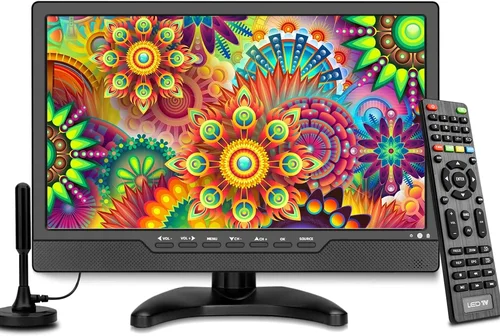
❌ Mistake: Using an Indoor TV Without Proper Protection
Why it’s bad: Indoor TVs lack weather-resistant seals, corrosion-proof components, and thermal management for outdoor use. Even in a screened porch, humidity and temperature swings can cause circuit board corrosion, screen fogging, or power supply failure within months.
What to do instead: Either invest in a true all-weather outdoor TV or use a certified weatherproof enclosure designed for your specific TV model. Never rely on DIY solutions like plastic bins or tarps—they trap moisture and heat.
❌ Mistake: Ignoring Brightness Requirements
Why it’s bad: A dim TV (under 700 nits) will look washed out and unwatchable in daylight, defeating the purpose of having an outdoor screen. You’ll end up watching everything at night or in total shade.
What to do instead: Prioritize brightness over resolution or smart features. Aim for at least 1,000 nits for partial sun exposure, and choose models with anti-glare coatings and optical bonding.
❌ Mistake: Overlooking Mounting & Installation
Why it’s bad: Improper mounting can lead to sagging, vibration damage, or even the TV falling. Standard indoor mounts aren’t rated for outdoor conditions and may rust or loosen over time.
What to do instead: Use manufacturer-recommended outdoor mounts with stainless steel hardware. Ensure the wall or ceiling structure can support the weight (outdoor TVs are often 20–30% heavier than indoor equivalents).
❌ Mistake: Skimping on Connectivity
Why it’s bad: Limited HDMI ports or weak Wi-Fi can restrict your ability to connect streaming devices, game consoles, or sound systems. Running cables through walls or under decks is expensive and messy.
What to do instead: Choose a TV with at least 3 HDMI 2.0+ ports, USB 3.0, and dual-band Wi-Fi. Plan your cable routes during installation to avoid future headaches.
❌ Mistake: Not Considering Audio Needs
Why it’s bad: Built-in outdoor TV speakers are often tinny and lack bass, especially in open-air environments. You’ll miss dialogue or action sounds.
What to do instead: Pair your TV with outdoor-rated wireless speakers or a soundbar. Look for models with Bluetooth, optical audio out, or preamp outputs for external amplification.
❌ Mistake: Buying Based Solely on Price
Why it’s bad: The cheapest option often cuts corners on build quality, brightness, or warranty. You may save $500 upfront but spend more on replacements or repairs down the line.
What to do instead: Focus on total cost of ownership. A $2,000 TV with a 3-year warranty and proven durability is better value than a $1,200 model that fails in 18 months.
❌ Mistake: Neglecting Future-Proofing
Why it’s bad: Technology evolves quickly. A TV without 4K, HDR, or modern smart features may feel outdated in just a few years.
What to do instead: Choose a model with current-gen specs (4K HDR, HDMI 2.1, Wi-Fi 6) and regular firmware updates. This extends usability and resale value.
Budget Guidelines: How Much Should You Spend?
- Entry-Level ($800–$1,500): These are typically partial-sun models or weatherproof enclosures for mid-tier indoor TVs. Expect 700–900 nits brightness, basic smart features, and 1–2 year warranties. Good for shaded porches with minimal direct light.
- Mid-Range ($1,500–$2,500): The sweet spot for most homeowners. You’ll get 1,000+ nits brightness, QLED or Mini-LED panels, robust weather resistance (IP55+), and full smart platforms. Ideal for screened porches with moderate sun exposure.
- Premium ($2,500–$4,000): For enthusiasts who want top-tier picture quality and durability. Features include 1,500+ nits, Dolby Vision HDR, commercial-grade components, and 3-year warranties. Perfect for large covered spaces or high-end homes.
- Luxury ($4,000+): Commercial-grade or custom-built displays with 2,000+ nits, 24/7 operation capability, and advanced thermal management. Reserved for luxury estates, hotels, or professional installations.
Expert Tips for Getting the Best Deal
- Buy in Spring or Fall: Outdoor TV sales peak in spring (pre-summer) and fall (post-holiday). Retailers often discount older models to clear inventory.
- Check Manufacturer Refurbished Programs: Brands like SunBriteTV and Seura sell certified refurbished units at 20–30% off with full warranties.
- Bundle with Accessories: Some dealers offer discounts when you buy a TV + mount + soundbar together.
- Negotiate Installation: Many authorized installers will discount labor if you purchase the TV through them.
- Use Price Tracking Tools: Set alerts on Google Shopping or CamelCamelCamel to catch sudden drops.
- Verify Return Windows: Ensure you have at least 30 days to test the TV in your actual environment.
- Ask About Trade-Ins: A few brands accept old TVs (even indoor ones) for credit toward outdoor models.
- Read the Fine Print on Warranties: Some require professional installation or annual maintenance checks to remain valid.

Frequently Asked Questions
Q: Can I use a regular TV on my screened porch?
A: Technically yes, but it’s not recommended. Without proper weatherproofing, indoor TVs can fail quickly due to humidity, temperature swings, or dust. If you must, use a certified outdoor enclosure and ensure it has ventilation and drainage.
Q: Do outdoor TVs need special power outlets?
A: No, they use standard 120V outlets. However, ensure the circuit is GFCI-protected (required for outdoor electrical devices) and avoid daisy-chaining power strips.
Q: How do I clean an outdoor TV screen?
A: Use a microfiber cloth slightly dampened with distilled water. Never use ammonia-based cleaners or paper towels, which can scratch the anti-glare coating.
Q: Will an outdoor TV work in winter?
A: Yes, most are rated for temperatures as low as -22°F (-30°C). Some include internal heaters to prevent condensation on cold mornings.
Q: Can I mount an outdoor TV on a ceiling?
A: Absolutely. Many manufacturers offer ceiling mounts designed for outdoor use. Just ensure the structure is sturdy and the viewing angle is comfortable.
Q: Do outdoor TVs consume more energy?
A: Slightly, due to higher brightness. But modern LED models are still efficient—look for ENERGY STAR certification if power usage is a concern.
Q: What’s the difference between “partial sun” and “full sun” models?
A: Partial sun models (700–1,200 nits) are for shaded or covered areas. Full sun models (1,500+ nits) are for direct sunlight exposure and cost significantly more.
Q: Can I control an outdoor TV with my phone?
A: Yes, most smart outdoor TVs support remote apps for iOS and Android. You can also use voice assistants like Alexa or Google Assistant.
Q: How long do outdoor TVs last?
A: With proper care, 7–10 years is typical. Higher-end models with commercial components may last even longer.
Q: Are outdoor TVs worth the extra cost?
A: If you use your porch regularly for entertainment, absolutely. The peace of mind, durability, and superior viewing experience justify the investment for most homeowners.
Our Final Recommendations
- Best for Budget-Conscious Buyers: SunBriteTV Veranda Series (55″) – Excellent balance of price, brightness (1,000 nits), and weather resistance (IP55). Great for shaded porches.
- Best Overall Value: Seura Shade Series (65″) – Stunning QLED display, 1,200 nits, IP65 rating, and robust smart features. Ideal for most screened porch setups.
- Best Premium Option: Peerless-AV Xtreme High-Bright Outdoor Display (75″) – 2,000+ nits, commercial-grade build, and Dolby Vision. For those who demand the absolute best.
- Best for Beginners: Samsung The Terrace Partial Sun (55″) – User-friendly Tizen OS, strong brand support, and reliable performance. Easy setup and intuitive controls.
- Best for Advanced Users: LG OLED Pro Outdoor (65″) – While rare, LG’s outdoor OLED offers unparalleled contrast and color. Best for controlled environments with minimal direct light.
Conclusion: Making the Right Choice
Choosing the best outdoor TV for your screened porch is about more than just picking a screen that looks good in a catalog. It’s about understanding your environment, prioritizing durability and visibility, and investing in a product that will enhance your outdoor lifestyle for years to come. From weather resistance and brightness to smart features and warranty coverage, every detail matters when you’re bringing entertainment into the elements.
Remember: your porch is an extension of your home—not a compromise. Don’t settle for a subpar viewing experience or a TV that can’t handle the humidity of a summer evening. Use this guide to evaluate your needs, compare options honestly, and avoid the common pitfalls that trip up so many buyers. Whether you’re streaming a blockbuster under string lights or catching the final inning of a playoff game, the right outdoor TV will make those moments brighter, clearer, and more enjoyable.
Take your time, do your research, and when you’re ready, choose a model that aligns with your budget, space, and viewing habits. Your future self—relaxing on the porch with a cold drink and a crystal-clear picture—will thank you.

