
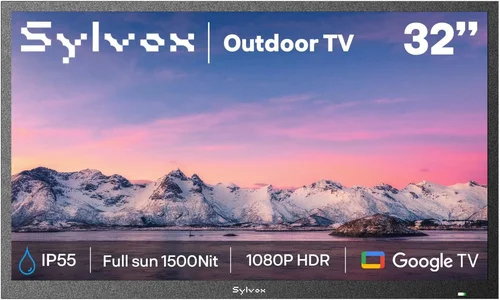
Outdoor living spaces have evolved dramatically over the past decade. What once was a simple backyard retreat—perhaps a grill, a few chairs, and a string of lights—has transformed into a full-fledged extension of the home. Gazebos, in particular, have become premium outdoor entertainment hubs, offering shade, shelter, and style. And as more homeowners invest in creating comfortable, functional outdoor rooms, one question keeps popping up: Can I put a TV outside? The answer is a resounding yes—but not just any TV will do.
That’s where this guide comes in. Whether you’re planning to host summer barbecues under your gazebo, enjoy morning coffee with the news, or stream your favorite shows under the stars, choosing the right outdoor TV is critical. Standard indoor TVs aren’t built to handle the elements—direct sunlight, humidity, rain, dust, and temperature swings can quickly damage them. Outdoor TVs, on the other hand, are engineered specifically for these conditions, offering weatherproofing, enhanced brightness, and durable construction. But with so many options on the market, how do you pick the best one for your gazebo?
In this comprehensive buying guide, we’ll walk you through everything you need to know to make an informed decision. From understanding key performance specs like brightness and resolution to evaluating build quality, smart features, and budget considerations, we’ve got you covered. You’ll learn about the different types of outdoor TVs available, common pitfalls to avoid, and expert tips to get the best value. By the end, you’ll be equipped with the knowledge to choose a TV that not only survives the outdoors but delivers an exceptional viewing experience year-round.
The outdoor TV market has grown significantly in recent years, driven by advancements in display technology and increasing demand for outdoor entertainment. Brands like Samsung, LG, Sony, and specialized companies such as SunBriteTV and Seura have stepped up their game, offering models that blend sleek design with rugged durability. Whether you’re looking for a budget-friendly option or a premium 4K smart TV with voice control, there’s something for every need and price point. This guide will help you navigate the options, compare features, and ultimately find the perfect outdoor TV for your gazebo setup.

What to Look for When Buying Buying Guide
1. Brightness & Visibility in Sunlight
One of the most critical factors when choosing an outdoor TV is brightness. Unlike indoor TVs, which typically range from 300 to 500 nits, outdoor models need significantly higher brightness to combat glare and direct sunlight. Look for a minimum of 700 nits, but ideally 1,000 nits or more for full sun exposure. TVs with anti-glare coatings and optically bonded screens further enhance visibility by reducing reflections and improving contrast.
For gazebos that receive partial shade, a brightness of 700–1,000 nits may suffice. However, if your gazebo is in direct sunlight for much of the day, opt for models with 1,500 nits or higher. Some premium outdoor TVs even feature adaptive brightness sensors that automatically adjust based on ambient light conditions, ensuring optimal viewing at all times.
2. Weather Resistance & IP Rating
Outdoor TVs must withstand rain, snow, dust, and extreme temperatures. The Ingress Protection (IP) rating tells you how well a TV resists these elements. Look for an IP55 or higher rating—this means the TV is protected against dust and water jets from any direction. Some top-tier models boast IP65 or IP66 ratings, offering even greater protection.
Additionally, consider the operating temperature range. Most outdoor TVs function between -22°F and 122°F (-30°C to 50°C), making them suitable for most climates. However, if you live in an area with harsh winters or scorching summers, verify the manufacturer’s specifications. Also, ensure the TV is designed for permanent outdoor installation—some models are only suitable for covered patios or semi-outdoor spaces.
3. Display Technology & Resolution
Outdoor TVs come in various display types, including LED, QLED, and OLED. LED is the most common and affordable, offering good brightness and energy efficiency. QLED TVs, like those from Samsung, use quantum dots to deliver richer colors and higher brightness—ideal for sunny environments. OLED TVs provide superior contrast and deep blacks but are less common in outdoor models due to higher costs and potential burn-in risks in static outdoor content.
Resolution is another key consideration. While 1080p (Full HD) is still available, 4K UHD is now the standard for outdoor TVs, delivering four times the detail of HD. For larger gazebos or viewing distances under 10 feet, 4K is highly recommended. Some models even support HDR (High Dynamic Range), which enhances color accuracy and contrast for a more lifelike image.
4. Smart Features & Connectivity
Modern outdoor TVs often include built-in smart platforms like Android TV, webOS (LG), or Tizen (Samsung), allowing you to stream content from Netflix, YouTube, Disney+, and more without needing an external device. Voice control via Google Assistant or Alexa is also common, making it easy to change channels or adjust volume hands-free.
Connectivity options are equally important. Look for multiple HDMI ports (at least 3), USB inputs, Wi-Fi, Bluetooth, and Ethernet. Some models include weatherproof cable management systems to protect connections from moisture. If you plan to use a soundbar or external speakers, ensure the TV has audio output options like optical or ARC (Audio Return Channel).
5. Build Quality & Durability
The physical construction of an outdoor TV determines how well it holds up over time. High-quality models feature powder-coated aluminum or stainless steel frames that resist rust and corrosion. The screen itself should be made of tempered glass or reinforced polymer to withstand impacts and UV exposure.
Internal components are also sealed to prevent moisture ingress. Some manufacturers use conformal coating on circuit boards to protect against humidity and condensation. Additionally, check if the TV includes a built-in cooling and heating system. Passive cooling (fans) helps regulate temperature during hot days, while internal heaters prevent damage in freezing conditions.
6. Size & Viewing Distance
Choosing the right screen size depends on your gazebo’s dimensions and typical viewing distance. A general rule of thumb: for every 1.5 feet of viewing distance, aim for 10 inches of screen size. For example, if you’ll be sitting 8 feet away, a 55-inch TV is ideal. Common sizes for outdoor use range from 43 inches to 75 inches.
Larger screens provide a more immersive experience but require more power and may need additional mounting support. Consider the layout of your gazebo—will the TV be wall-mounted, ceiling-mounted, or placed on a stand? Ensure there’s enough space and that the viewing angle is comfortable from all seating areas.
7. Audio Performance
While many outdoor TVs include built-in speakers, they’re often limited in power and clarity, especially in open or windy environments. Most outdoor models output between 10W and 20W, which may not be sufficient for larger spaces or noisy settings.
For better sound, consider pairing your TV with outdoor-rated speakers or a weatherproof soundbar. Some TVs support wireless audio via Bluetooth, allowing you to connect external speakers without running cables. Alternatively, look for models with audio output jacks to connect to a separate amplifier or receiver.
8. Brand Reputation & Customer Support
Not all outdoor TV brands are created equal. Established names like Samsung, LG, and Sony offer reliable performance and strong customer service. Specialized outdoor brands like SunBriteTV and Seura focus exclusively on outdoor displays and often provide better weatherproofing and longer warranties.
Research customer reviews and check for third-party certifications. Look for brands that offer comprehensive support, including installation guides, troubleshooting resources, and responsive customer service. A reputable brand is more likely to stand behind its product with solid warranty coverage and replacement parts.
9. Warranty & Support
Outdoor TVs are a significant investment, so warranty protection is essential. Most reputable brands offer 1–3 years of coverage, with some extending to 5 years for premium models. Check what’s included—does the warranty cover both parts and labor? Is on-site service available?
Also, consider the availability of extended warranties or protection plans. Some retailers offer additional coverage for accidental damage or environmental factors. Keep in mind that warranties may be voided if the TV is installed incorrectly or used in conditions outside its rated specifications.
Different Types of Buying Guide

Common Buying Mistakes to Avoid
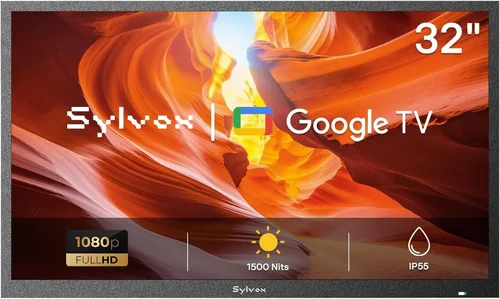
❌ Mistake: Buying an Indoor TV for Outdoor Use
Why it’s bad: Indoor TVs lack weatherproofing and aren’t designed to handle moisture, dust, or temperature extremes. Even in a covered gazebo, condensation and humidity can damage internal components, leading to failure within months.
What to do instead: Always choose a TV specifically rated for outdoor use. Look for weather-resistant models with proper IP ratings and sealed enclosures.
❌ Mistake: Ignoring Brightness Requirements
Why it’s bad: A TV with low brightness will appear washed out in sunlight, making it difficult or impossible to see the screen during the day.
What to do instead: Match the TV’s brightness to your gazebo’s lighting conditions. For full sun, aim for 1,500+ nits; for shade, 700–1,000 nits is sufficient.
❌ Mistake: Overlooking Audio Needs
Why it’s bad: Built-in speakers on outdoor TVs are often weak and easily drowned out by wind, traffic, or outdoor activities.
What to do instead: Invest in outdoor-rated speakers or a soundbar. Consider wireless options to reduce cable clutter and improve sound quality.
❌ Mistake: Choosing the Wrong Size
Why it’s bad: A TV that’s too small will be hard to see from a distance, while one that’s too large can overwhelm the space and strain your eyes.
What to do instead: Use the 1.5:10 rule—multiply your viewing distance (in feet) by 10 to get the ideal screen size (in inches). For example, 8 feet = 80 inches, so a 55–65 inch TV is appropriate.
❌ Mistake: Skipping Professional Installation
Why it’s bad: Improper mounting can lead to water leaks, electrical hazards, or even the TV falling. DIY installations may also void the warranty.
What to do instead: Hire a certified installer familiar with outdoor TV setups. They’ll ensure proper grounding, cable management, and weatherproofing.
❌ Mistake: Not Checking Warranty Terms
Why it’s bad: Some warranties don’t cover outdoor use or require specific installation methods. You could be left with a broken TV and no support.
What to do instead: Read the warranty carefully. Confirm it covers outdoor conditions and ask about service options in your area.
❌ Mistake: Forgetting About Power and Connectivity
Why it’s bad: Running power and HDMI cables through walls or under decks requires planning. Poor cable management can lead to damage or safety issues.
What to do instead: Plan your cable routes in advance. Use weatherproof conduits and surge protectors. Consider wireless streaming devices to reduce cable needs.
Budget Guidelines: How Much Should You Spend?
Entry-Level ($800 – $1,500): These TVs are ideal for covered gazebos with limited sun exposure. Expect 4K resolution, 700–1,000 nits brightness, and basic smart features. Brands like TCL and Vizio offer budget-friendly outdoor models, though build quality may be less robust. Great for casual viewing but not recommended for full outdoor exposure.
Mid-Range ($1,500 – $3,000): This is the sweet spot for most homeowners. TVs in this range offer 1,000–1,500 nits brightness, IP55+ ratings, and reliable smart platforms. Models from SunBriteTV and Seura provide excellent durability and performance. You’ll also find better audio, more HDMI ports, and improved cooling systems.
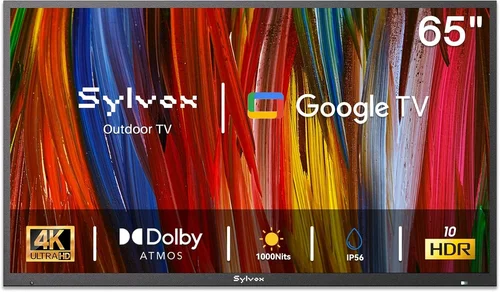
Premium ($3,000 – $5,000): Designed for enthusiasts and those in extreme climates, these TVs feature 1,500+ nits brightness, IP65/66 ratings, and advanced features like HDR, voice control, and adaptive brightness. Samsung’s The Terrace and LG’s outdoor models fall here. Ideal for full sun exposure and year-round use.
Luxury ($5,000+): Top-tier models offer commercial-grade durability, 24/7 operation capability, and ultra-high brightness (2,000+ nits). These are often used in resorts, stadiums, or high-end homes. Features may include modular designs, remote monitoring, and custom mounting solutions. Only necessary for extreme environments or professional applications.
Expert Tips for Getting the Best Deal
1. Buy During Off-Season: Outdoor TVs are in highest demand during spring and summer. Shop in late fall or winter for better deals and discounts. Retailers often clear inventory to make room for new models.
2. Compare Retailers: Prices can vary significantly between online stores, big-box retailers, and specialty AV shops. Check Amazon, Best Buy, Crutchfield, and manufacturer websites. Look for bundle deals that include mounts or cables.
3. Look for Open-Box or Refurbished Models: Certified refurbished outdoor TVs from reputable sellers can save you 20–30% off retail. Ensure they come with a warranty and have been tested for full functionality.
4. Negotiate Installation Packages: Some retailers offer free or discounted installation with purchase. Ask about package deals that include mounting, cable management, and setup.
5. Check for Manufacturer Rebates: Brands like Samsung and LG occasionally offer mail-in rebates or instant discounts on outdoor models. Sign up for newsletters to stay informed.
6. Read Return Policies Carefully: Outdoor TVs are often non-returnable due to their specialized nature. Make sure you understand the return window and conditions before purchasing.
7. Test Before Finalizing: If possible, visit a showroom to see the TV in person. Check brightness, color accuracy, and menu navigation. Some retailers allow in-home trials.
8. Consider Future-Proofing: Invest in a TV with the latest connectivity (HDMI 2.1, Wi-Fi 6) and smart features. This ensures compatibility with future devices and streaming services.

Frequently Asked Questions
Q: Can I use a regular TV under my gazebo?
A: Technically, yes—but it’s not recommended. Even in a covered gazebo, humidity, dust, and temperature changes can damage an indoor TV over time. Outdoor TVs are built with sealed components and weather-resistant materials to handle these conditions safely.
Q: Do outdoor TVs need a special mount?
A: Yes. Standard TV mounts aren’t designed for outdoor use. Look for weatherproof, corrosion-resistant mounts rated for your TV’s size and weight. Tilt and swivel mounts offer flexibility for optimal viewing angles.
Q: How do I protect my outdoor TV from theft?
A: Use a security mount with a lock, install the TV in a visible area, and consider adding a security camera. Some models come with built-in anti-theft features or can be integrated with smart home systems.
Q: Can I leave my outdoor TV on all the time?
A: Most outdoor TVs are designed for continuous use, but check the manufacturer’s guidelines. Commercial-grade models are built for 24/7 operation, while consumer models may have usage limits.
Q: What’s the difference between IP55 and IP65?
A: IP55 protects against dust and low-pressure water jets. IP65 offers the same dust protection but with stronger resistance to water, making it better for areas with heavy rain or sprinklers.
Q: Do outdoor TVs consume more power?
A: They can, especially high-brightness models. Look for ENERGY STAR-certified TVs to reduce electricity usage. LED and QLED models are generally more efficient than older plasma or LCD types.
Q: Can I connect a gaming console to an outdoor TV?
A: Absolutely. Most outdoor TVs have HDMI 2.0 or 2.1 ports, supporting 4K gaming at 60Hz or higher. Ensure low input lag for responsive gameplay.
Q: How long do outdoor TVs last?
A: With proper care, a quality outdoor TV can last 7–10 years or more. Factors like climate, usage, and maintenance play a role. Regular cleaning and avoiding extreme temperature swings can extend lifespan.
Q: Are outdoor TVs worth the extra cost?
A: If you plan to use your gazebo frequently for entertainment, yes. The durability, brightness, and reliability of an outdoor TV far outweigh the risks of using an indoor model. It’s an investment in long-term enjoyment.
Our Final Recommendations
Best for Budget-Conscious Buyers: SunBriteTV Veranda Series 55-inch – At around $1,800, this model offers excellent value with 1,000 nits brightness, IP55 rating, and built-in smart features. Perfect for covered gazebos and partial shade.
Best Overall Value: Samsung The Terrace 65-inch – Priced around $2,800, it delivers 1,500 nits brightness, IP55 rating, and a sleek design. Includes Tizen OS, voice control, and robust build quality. Ideal for most outdoor setups.
Best Premium Option: LG 75-inch Outdoor 4K UHD TV – With 2,000 nits brightness, IP65 rating, and webOS smart platform, this TV is built for extreme conditions. At $4,500, it’s a top choice for full sun exposure and professional installations.
Best for Beginners: Seura 50-inch Shade Series – Designed for easy setup and reliable performance, this model features 800 nits brightness and a user-friendly interface. Great for first-time outdoor TV buyers.
Best for Advanced Users: SunBriteTV Pro Series 75-inch – A commercial-grade powerhouse with 2,500 nits brightness, IP66 rating, and 24/7 operation capability. Ideal for tech-savvy users who want maximum performance and customization.
Conclusion: Making the Right Choice
Choosing the best outdoor TV for your gazebo is about more than just picture quality—it’s about durability, reliability, and long-term enjoyment. From understanding brightness needs and weather resistance to evaluating smart features and budget, every decision impacts your viewing experience. Avoid common pitfalls like using indoor TVs or ignoring audio needs, and prioritize models from reputable brands with strong warranties.
Remember, your gazebo is an extension of your home, and the right TV can transform it into a true entertainment destination. Whether you’re streaming movies under the stars or catching the big game with friends, investing in a quality outdoor TV ensures you’ll enjoy crisp, vibrant visuals no matter the weather.
Take the time to assess your space, consider your usage habits, and compare options carefully. With the insights from this guide, you’re now equipped to make a confident, informed decision. Your perfect outdoor TV is out there—go find it, and start enjoying your gazebo like never before.

