
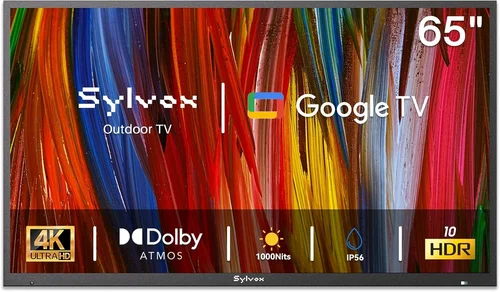
Outdoor living spaces have evolved dramatically over the past decade. What was once limited to a simple chair and a small table has now transformed into fully functional extensions of our homes—complete with outdoor kitchens, fire pits, sound systems, and yes, even televisions. Among these upgrades, installing an outdoor TV on your balcony or patio has become one of the most sought-after additions for homeowners and renters alike who want to enjoy entertainment under the open sky. Whether you’re watching the big game with friends, streaming a movie night under the stars, or simply catching up on your favorite show while enjoying your morning coffee, an outdoor TV can elevate your alfresco experience.
But here’s the catch: not all TVs are built to withstand the elements. Standard indoor televisions may offer stunning picture quality and smart features, but they’re not designed to handle direct sunlight, rain, humidity, temperature swings, or dust. That’s why choosing the right outdoor TV is crucial—not just for performance, but for safety, longevity, and value. With so many options flooding the market, from weatherproof enclosures to fully sealed outdoor models, it’s easy to feel overwhelmed. This comprehensive buying guide cuts through the noise to help you make a confident, informed decision tailored to your specific needs, space constraints, and budget.
In this guide, you’ll learn everything you need to know about selecting the best outdoor TV for your balcony or patio. We’ll break down the essential factors to consider—from durability and display technology to smart capabilities and installation requirements. You’ll discover the different types of outdoor TVs available, understand common pitfalls to avoid, and get expert-backed tips on how to maximize your investment. Whether you’re working with a compact urban balcony or a sprawling backyard patio, this guide will equip you with the knowledge to choose a TV that delivers exceptional performance, stands up to the elements, and enhances your outdoor lifestyle for years to come.

What to Look for When Buying Buying Guide
1. Weather Resistance & IP Rating
When it comes to outdoor electronics, weather resistance isn’t just a nice-to-have—it’s non-negotiable. Unlike indoor TVs, outdoor models must endure rain, snow, dust, UV exposure, and extreme temperatures without failing. The first thing to check is the TV’s Ingress Protection (IP) rating, which indicates how well the device resists solid particles (like dust) and liquids (like water). For outdoor use, look for a minimum IP55 rating, but ideally IP65 or higher. An IP65-rated TV is dust-tight and protected against water jets from any direction, making it suitable for most balconies and patios, even in rainy climates.
Beyond the IP rating, consider the TV’s internal components. True outdoor TVs are built with sealed cooling systems, corrosion-resistant materials, and specialized gaskets to prevent moisture ingress. Some models also feature anti-glare coatings and UV-resistant screens to maintain visibility and prevent sun damage. Avoid using indoor TVs in outdoor enclosures unless explicitly rated for such use—many “outdoor TV enclosures” still rely on the TV’s own durability, which may not be sufficient. Always verify that the entire unit, including ports and ventilation, is fully protected.
2. Display Brightness & Anti-Glare Technology
One of the biggest challenges with outdoor viewing is screen glare caused by direct sunlight. Even the best indoor TVs can become nearly unusable when placed outside due to reflections and low brightness. That’s why outdoor TVs must have significantly higher peak brightness than their indoor counterparts. Look for models with a minimum brightness of 700 nits, but ideally 1,000 nits or more. High brightness ensures that images remain clear and vibrant even in bright daylight.
Equally important is anti-glare technology. Many outdoor TVs use matte-finish screens or specialized optical filters to reduce reflections. Some premium models incorporate advanced light-diffusing layers that scatter ambient light without sacrificing color accuracy or contrast. Additionally, consider the screen’s viewing angle—wide-angle displays (178 degrees or more) allow multiple people to enjoy the screen from different positions on your balcony or patio without losing image quality. OLED screens, while stunning indoors, often struggle with brightness outdoors, so QLED or high-brightness LED/LCD panels are typically better suited for outdoor environments.
3. Build Quality & Durability
Outdoor TVs are subjected to harsher conditions than any other household appliance. From scorching summer heat to freezing winter nights, these devices must operate reliably year-round. High build quality starts with the chassis: look for powder-coated aluminum or stainless steel frames that resist rust and corrosion. Avoid plastic housings, which can degrade under UV exposure and become brittle over time.
Internal components should also be ruggedized. Quality outdoor TVs use conformal-coated circuit boards to protect against moisture and dust, and fans or passive cooling systems designed to function efficiently in extreme temperatures. Some models even include built-in heaters for cold climates, ensuring the screen doesn’t fog up or fail to turn on during winter months. Pay attention to certifications like UL Listed for outdoor use or compliance with international standards such as IEC 60529. These indicate rigorous testing under real-world conditions.
4. Smart Features & Connectivity
Just because a TV is built for the outdoors doesn’t mean it should skimp on modern conveniences. Today’s best outdoor TVs come equipped with full smart platforms like Android TV, webOS, or Roku, allowing you to stream content directly from Netflix, YouTube, Disney+, and more—no external streaming box required. This is especially useful on a balcony where space is limited and cable management can be tricky.
Connectivity is another key factor. Ensure the TV has multiple HDMI ports (preferably HDMI 2.0 or higher for 4K HDR), USB inputs, and wireless options like Wi-Fi and Bluetooth. Some models include built-in speakers, though for the best audio experience, you’ll likely want to connect external weatherproof speakers or a soundbar. Look for models with easy-access rear panels or front-facing ports to simplify installation and maintenance. Voice control via Google Assistant or Alexa is also a valuable addition, letting you change channels or adjust volume without needing a remote.
5. Size & Viewing Distance
Choosing the right screen size is about more than just aesthetics—it directly impacts your viewing experience. For balconies and smaller patios, a 43-inch to 55-inch TV is usually ideal. These sizes provide ample screen real estate without overwhelming the space or requiring you to sit too close. Use the general rule of thumb: your viewing distance (in inches) should be about 1.5 to 2.5 times the screen’s diagonal size. So, for a 50-inch TV, sit between 6.25 and 10.4 feet away.
However, don’t automatically go for the largest screen available. Oversized TVs can be difficult to mount securely on balcony railings or small walls, and they may draw too much power or generate excessive heat. Also consider the TV’s depth and weight—some outdoor models are bulkier than indoor ones due to protective casings. Measure your available space carefully, including clearance for ventilation and cable routing. If you’re mounting on a railing, ensure the bracket is rated for the TV’s weight and can withstand wind loads.
6. Installation & Mounting Options
Proper installation is critical for both performance and safety. Most outdoor TVs are designed for wall mounting, but balcony setups often require creative solutions like rail mounts, ceiling brackets, or freestanding stands. Look for VESA-compatible mounting patterns (e.g., 200×200, 400×400) to ensure compatibility with third-party brackets. Some manufacturers offer proprietary outdoor mounting kits that include weatherproof cable covers and reinforced arms.
Consider whether you need a tilt or full-motion mount. A tilt mount allows you to angle the screen downward for better viewing from seated positions, while full-motion arms let you swivel the TV for use from different areas of your patio. Always anchor mounts securely into structural elements—never rely solely on drywall or lightweight railings. If you’re renting, check with your landlord before drilling into walls or railings. For temporary setups, consider portable outdoor TV carts with locking wheels, though these may not offer the same level of weather protection.
7. Brand Reputation & Customer Support
Not all outdoor TV brands are created equal. Some companies specialize exclusively in outdoor electronics and have years of experience engineering products for harsh environments. Others repurpose indoor models with minimal modifications. Stick with reputable brands known for reliability, such as SunBriteTV, Samsung (The Terrace), LG (OLED Flex for semi-outdoor use), or Seura. These companies invest in R&D, rigorous testing, and customer support tailored to outdoor users.
Research customer reviews and look for patterns in feedback—especially regarding long-term durability, warranty claims, and responsiveness of support teams. A brand that offers comprehensive installation guides, responsive customer service, and accessible replacement parts is worth the extra cost. Avoid unknown brands selling “outdoor-ready” TVs at suspiciously low prices; they may cut corners on materials or lack proper certifications.
8. Warranty & Return Policy
Outdoor TVs represent a significant investment, often costing two to three times more than comparable indoor models. That’s why a strong warranty is essential. Look for at least a 2-year manufacturer warranty, with some premium brands offering 3 to 5 years. The warranty should cover both parts and labor, including damage from environmental factors like moisture or temperature extremes.
Also review the return policy before purchasing. Some retailers allow returns within 30 days if the TV doesn’t meet expectations, while others have strict no-return policies on outdoor electronics due to contamination risks. If buying online, ensure the seller provides detailed specifications, high-resolution images, and clear installation instructions. Keep all packaging until you’ve confirmed the TV works properly in your outdoor setup.

