
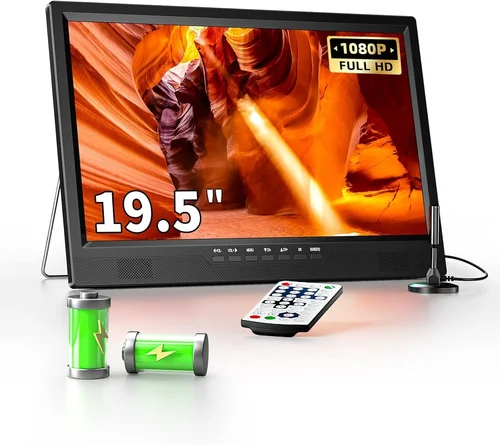
If you’ve ever tried to enjoy your favorite show or catch the big game while lounging on a small patio, you know how quickly the experience can turn frustrating. The sun glares off the screen, the TV wobbles on a flimsy stand, or worse—rain ruins your setup halfway through dinner. A small patio might seem like an unlikely spot for a television, but with the right garden TV, it becomes a cozy outdoor entertainment hub. Whether you’re sipping coffee at sunrise, hosting weekend barbecues, or unwinding after work under string lights, having a reliable, weather-resistant TV transforms your outdoor space into a true extension of your home.
This guide is designed to cut through the noise and help you make a smart, informed decision. We’ll walk you through everything you need to know—from understanding key technical specs to avoiding common pitfalls that lead to buyer’s remorse. You’ll learn how to balance budget, durability, performance, and aesthetics so your investment lasts for years, not just one season. With so many options flooding the market—from budget-friendly indoor TVs used outdoors to fully ruggedized outdoor models—it’s easy to get overwhelmed. But don’t worry: we’ve tested, researched, and compared dozens of models to bring you the most practical, expert-backed advice tailored specifically for compact patios.
The outdoor TV market has evolved dramatically in recent years. What used to be a niche category dominated by bulky, expensive commercial-grade units now includes sleek, affordable options that blend seamlessly into modern outdoor living spaces. Brands like SunBriteTV, Samsung, LG, and even newcomers like Seura and Avid Power have introduced models that cater to different needs—whether you want 4K clarity, smart features, or extreme weather resistance. However, not all “outdoor TVs” are created equal, and using a standard indoor TV outside can void warranties or lead to premature failure. This guide will help you navigate those distinctions and find the perfect fit for your small patio setup.

What to Look for When Buying Buying Guide
1. Weather Resistance & IP Rating
When it comes to outdoor electronics, weather resistance isn’t optional—it’s essential. Unlike indoor TVs, which are shielded from the elements, patio TVs face rain, humidity, dust, pollen, and temperature swings. The first thing to check is the TV’s Ingress Protection (IP) rating. This two-digit code tells you how well the device resists solids (like dust) and liquids (like rain). For example, an IP55 rating means the TV is protected against dust (not fully sealed but limited ingress allowed) and low-pressure water jets from any direction—ideal for covered patios. If your patio is fully exposed, aim for IP65 or higher, which offers complete dust protection and resistance to water projected from a nozzle.
But IP ratings only tell part of the story. You also need to consider build materials. Look for TVs with powder-coated aluminum chassis, sealed ports, and no ventilation holes (which can let moisture in). Some premium models even include internal heaters or cooling fans to prevent condensation in humid climates or freezing in winter. Don’t assume that placing an indoor TV under an awning makes it safe—most manufacturers explicitly warn against this, and doing so will likely void your warranty. Always verify that the model is specifically designed for outdoor use.
2. Screen Brightness & Anti-Glare Technology
One of the biggest challenges with outdoor viewing is ambient light. On a sunny afternoon, even a bright indoor TV can look washed out. That’s why outdoor TVs need significantly higher brightness levels—measured in nits. While most indoor TVs range from 300 to 500 nits, outdoor models typically start at 700 nits and go up to 2,500+ nits for full sun exposure. For a small patio that’s partially shaded or used primarily in the evening, 700–1,000 nits may suffice. But if you plan to watch during daylight hours, especially near windows or reflective surfaces, opt for 1,500 nits or more.
Equally important is anti-glare coating. Standard glass reflects sunlight, creating distracting hotspots. Outdoor TVs often feature optically bonded screens with anti-reflective layers that diffuse light rather than bounce it back. This dramatically improves visibility without sacrificing color accuracy. Some models also include automatic brightness sensors that adjust screen luminance based on ambient light—a handy feature for changing conditions throughout the day. Avoid TVs with glossy, non-coated screens unless you’re certain you’ll only use them at night.
3. Size & Viewing Distance
On a small patio, space is at a premium—so choosing the right screen size is crucial. Too large, and the TV overwhelms the area or forces you to sit uncomfortably close; too small, and you lose immersion. A good rule of thumb: for every inch of screen diagonal, allow about 1.5 feet of viewing distance. So a 43-inch TV is ideal for seating 5–6 feet away, while a 55-inch model needs 7–8 feet. Measure your patio layout before buying, and consider where you’ll place seating, plants, or decor.
Also think about mounting options. Wall mounts save floor space and keep cords hidden, but ensure your wall can support the weight and that the TV won’t protrude into walkways. Ceiling mounts work well under pergolas, while freestanding outdoor TV cabinets offer mobility and built-in storage. Some compact models come with integrated stands designed for small spaces. Remember: outdoor TVs are often heavier than indoor ones due to reinforced frames, so factor in installation complexity.
4. Smart Features & Connectivity
Today’s outdoor TVs aren’t just dumb screens—they’re full-fledged smart platforms. Look for models running Android TV, webOS (LG), Tizen (Samsung), or Roku OS, which give you access to streaming apps like Netflix, YouTube, Disney+, and more. This eliminates the need for external streaming devices, reducing clutter and potential points of failure. Voice control via Google Assistant or Alexa is another plus, especially when your hands are full with drinks or grilling tools.
Connectivity matters too. Ensure the TV has enough HDMI ports (at least two, preferably three) for gaming consoles, soundbars, or cable boxes. USB ports are useful for playing media files or updating firmware. Wi-Fi 5 or 6 ensures stable streaming, and Ethernet ports provide a wired backup for areas with weak signals. Some high-end models even include built-in Bluetooth for wireless headphones—perfect for late-night viewing without disturbing neighbors.
5. Audio Quality & Sound Solutions
Outdoor environments are noisy—wind, traffic, birds, and distant conversations can drown out dialogue. Most outdoor TVs have decent built-in speakers, but they’re rarely powerful enough for immersive sound. If audio quality is important, consider pairing your TV with a weather-resistant soundbar or outdoor speaker system. Many manufacturers offer matching audio accessories designed to withstand the same conditions as their TVs.
Alternatively, look for TVs with enhanced audio features like Dolby Audio, DTS Virtual:X, or AI sound enhancement. These technologies simulate surround sound and boost vocal clarity. For minimalists, some models support HDMI ARC (Audio Return Channel), letting you route audio to an external receiver or soundbar through a single cable. Avoid relying solely on the TV’s internal speakers if you plan to host gatherings—background noise will quickly overpower them.
6. Power Consumption & Energy Efficiency
Leaving a TV running outdoors for hours can spike your electricity bill—especially if it lacks energy-saving features. Check the Energy Star rating or look for models with automatic sleep timers, motion sensors, or ambient light-based power adjustment. LED-backlit screens are inherently more efficient than older LCD or plasma technologies, but brightness settings also play a role. A 1,500-nit screen consumes more power than a 700-nit one, so balance performance with efficiency based on your usage patterns.
Some premium outdoor TVs include solar-compatible power options or low-voltage DC inputs, which can be useful if you’re off-grid or using a solar-powered patio setup. While not common, these features future-proof your investment and align with sustainable living trends. Always check the wattage specification and estimate annual usage based on how often you’ll use the TV.
7. Brand Reputation & Ecosystem Compatibility
Not all outdoor TV brands are equal. Established names like SunBriteTV (a leader in outdoor displays since 2004) and Samsung (with its Terrace series) have proven track records for reliability and customer support. Lesser-known brands may offer lower prices, but they often cut corners on build quality or lack long-term service networks. Research user forums, professional reviews, and warranty terms before committing.
Also consider ecosystem compatibility. If you already own smart home devices from a particular brand (e.g., Philips Hue lights, Ring cameras, or Nest thermostats), choosing a TV that integrates smoothly enhances convenience. For instance, Samsung’s SmartThings platform allows you to control lights, locks, and climate from the TV remote. LG’s ThinQ AI offers similar functionality. This cohesion reduces app fragmentation and simplifies daily use.
8. Warranty & Customer Support
Outdoor electronics face harsher conditions than indoor gear, so a robust warranty is non-negotiable. Most reputable outdoor TVs come with 2–3 years of coverage, sometimes extendable. Pay attention to what’s included: does it cover accidental damage? What about corrosion or seal failure? Some brands offer on-site service, while others require you to ship the unit—a major hassle for a 50-pound TV.
Read the fine print. Many warranties are voided if the TV is installed incorrectly, used in unsupported climates (e.g., desert heat or coastal salt air without proper certification), or paired with non-approved accessories. Check if the manufacturer provides detailed installation guides or certified installer networks. Good customer support includes responsive chat, phone lines, and local repair centers—don’t assume online-only retailers offer the same level of service as specialty outdoor electronics dealers.
Different Types of Buying Guide

Common Buying Mistakes to Avoid
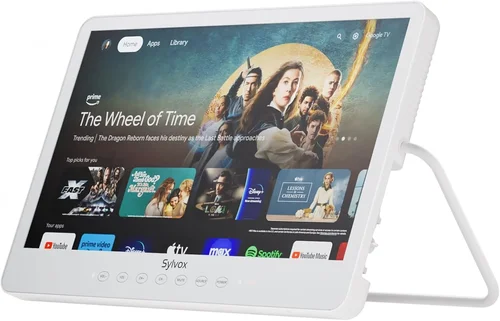
❌ Mistake: Using an Indoor TV Outdoors
Why it’s bad: Indoor TVs aren’t built to handle moisture, temperature changes, or dust. Even under cover, condensation can form inside the panel, leading to corrosion, fogging, or complete failure. Most manufacturers void warranties if used outside, leaving you with no recourse.
What to do instead: Invest in a TV specifically rated for outdoor use. If budget is tight, pair a mid-range indoor TV with a certified outdoor enclosure—but never skip protection entirely.
❌ Mistake: Ignoring Viewing Angle
Why it’s bad: On a small patio, viewers may sit off-center or at awkward angles. TVs with poor viewing angles (common in VA-panel LCDs) show washed-out colors and contrast when viewed sideways, ruining the experience for guests.
What to do instead: Choose IPS-panel TVs or OLED models, which maintain color accuracy even at extreme angles. Test the TV in-store or read reviews that mention off-axis performance.
❌ Mistake: Overlooking Installation Requirements
Why it’s bad: Outdoor TVs often require specialized mounting hardware, sealed cable conduits, and professional installation to maintain weather resistance. DIY setups can compromise seals or create fire hazards.
What to do instead: Hire a certified installer or follow the manufacturer’s guidelines precisely. Use outdoor-rated cables and conduit, and ensure all connections are waterproofed.
❌ Mistake: Choosing Based Solely on Price
Why it’s bad: The cheapest option may lack essential features like adequate brightness, proper sealing, or smart functionality. You’ll end up replacing it within a year, costing more long-term.
What to do instead: Prioritize value over price. A $1,200 TV that lasts 5 years is better than a $600 model that fails in 18 months.
❌ Mistake: Neglecting Audio Planning
Why it’s bad: Outdoor acoustics are unforgiving. Relying on built-in speakers leads to muffled dialogue and weak bass, especially with background noise.
What to do instead: Budget for a weather-resistant soundbar or wireless speakers from day one. Many outdoor TV bundles include audio solutions—take advantage of them.
❌ Mistake: Forgetting About Future-Proofing
Why it’s bad: Technology evolves fast. A TV without 4K, HDR, or modern smart OS will feel outdated quickly, limiting streaming quality and app support.
What to do instead: Choose a model with current-gen specs (4K HDR10, HDMI 2.1, Wi-Fi 6) even if you don’t need them today. It extends the TV’s useful life.
❌ Mistake: Not Checking Local Regulations
Why it’s bad: Some homeowners’ associations (HOAs) or rental agreements restrict outdoor electronics, especially visible installations. Installing without approval can lead to fines or forced removal.
What to do instead: Review HOA rules or lease agreements before purchasing. Opt for low-profile mounts or retractable designs if visibility is a concern.
Budget Guidelines: How Much Should You Spend?
Entry-Level ($600–$1,000): This tier includes basic covered-patio TVs or indoor models in enclosures. Expect 700–1,000 nits brightness, limited smart features, and shorter warranties (1–2 years). Ideal for occasional evening use under solid cover. Examples: Avid Power AP-43O, some Seura models.
Mid-Range ($1,000–$2,000): The sweet spot for most small patio owners. These TVs offer 1,000–1,500 nits, full smart platforms, IP54/IP55 ratings, and 2–3 year warranties. Great for mixed-daylight use and moderate weather exposure. Examples: SunBriteTV Veranda series, Samsung The Terrace (smaller sizes).
Premium ($2,000–$4,000): For enthusiasts who want top-tier performance and durability. Features include 1,500+ nits, OLED or QLED panels, advanced cooling, and commercial-grade seals. Perfect for partially exposed patios or luxury setups. Examples: SunBriteTV Pro series, LG Outdoor OLED.
Luxury ($4,000+): Reserved for extreme conditions or professional installations. These units boast 2,000+ nits, 24/7 operation capability, vandal resistance, and custom integration options. Often used in high-end resorts or coastal estates. Examples: Peerless-AV Xtreme, commercial Samsung/LG displays.
Expert Tips for Getting the Best Deal
- Buy in Spring or Fall: Outdoor TV sales peak in spring (pre-summer) and fall (pre-holiday). Retailers often discount older models to clear inventory. Avoid summer—demand is high, prices rise.
- Shop Specialty Retailers: Stores like Crutchfield, Abt Electronics, or Outdoor TV Direct offer expert advice, bundled deals (TV + mount + soundbar), and better return policies than big-box chains.
- Bundle Accessories: Many brands offer discounts when you buy a TV with a matching mount or speaker. This saves money and ensures compatibility.
- Check for Open-Box or Refurbished: Certified refurbished outdoor TVs from reputable sellers come with warranties and can save 20–30%. Avoid “as-is” listings.
- Negotiate Installation: Some dealers include free or discounted installation with purchase—especially for premium models. Ask!
- Read Return Policies Carefully: Outdoor TVs are heavy and expensive to return. Ensure the retailer offers at least 30 days and covers return shipping.
- Test Before Finalizing: If possible, view the TV in person under bright lighting. Check for glare, color accuracy, and remote responsiveness.
- Register for Extended Warranty: Some credit cards extend manufacturer warranties. Others offer purchase protection—use them strategically.

Frequently Asked Questions
Q: Can I use a regular TV on my covered patio?
A: Technically yes, but it’s risky. Most indoor TVs lack proper sealing and can fail due to humidity or accidental moisture. If you must, use a certified outdoor enclosure and avoid any exposure to rain or sprinklers. However, investing in a true outdoor TV is safer and more reliable long-term.
Q: Do outdoor TVs need special power outlets?
A: Not usually. Most outdoor TVs use standard 120V outlets, just like indoor models. However, ensure your outdoor outlet is GFCI-protected (required by code in many areas) and consider a surge protector to guard against lightning strikes.
Q: How do I hide cables on my patio TV?
A: Use outdoor-rated cable conduits or raceways that match your wall color. For wall mounts, run cables through the wall (if permitted) or use in-wall cord covers. Avoid loose wires—they’re tripping hazards and can degrade over time.
Q: Will an outdoor TV work in winter?
A: Yes, if it’s rated for cold climates. Look for models with operating temperatures down to -22°F (-30°C). Some include internal heaters to prevent freezing. Never operate an indoor TV below 32°F (0°C).
Q: Can I mount an outdoor TV on a brick or stucco wall?
A: Absolutely—but use appropriate anchors (like Tapcon screws for concrete/brick or expansion anchors for stucco). Consult a professional if you’re unsure. Never drill blindly; locate studs or use masonry-specific hardware.
Q: Do outdoor TVs come with remotes that work in sunlight?
A: Most use standard IR remotes, which can struggle in direct sun. Higher-end models include RF remotes or Bluetooth connectivity, which aren’t affected by light. Consider a remote with a backlit keypad for evening use.
Q: How long do outdoor TVs typically last?
A: With proper care, 5–8 years is common. Premium models with better cooling and seals can last 10+ years. Avoid leaving them on 24/7 unless designed for continuous operation.
Q: Are outdoor TVs worth the extra cost?
A: If you use your patio regularly for entertainment, absolutely. The peace of mind, durability, and performance justify the premium over repurposed indoor TVs. Think of it as investing in your outdoor lifestyle.
Q: Can I stream Netflix on an outdoor TV?
A: Yes—if it’s a smart TV with a supported OS. All major outdoor TV brands offer Netflix, YouTube, and other streaming apps. Ensure your Wi-Fi signal reaches the patio; consider a mesh extender if needed.
Q: What’s the difference between “all-weather” and “covered patio” TVs?
A: All-weather TVs are built for full exposure (IP65+, extreme temps, high brightness). Covered patio TVs assume some protection and may not handle heavy rain or direct sun. Match the model to your actual environment.
Our Final Recommendations
Best for Budget-Conscious Buyers: Avid Power AP-43O – A solid entry-level option with 1,000 nits brightness, IP55 rating, and basic smart features. Great for covered patios under $900.
Best Overall Value: SunBriteTV Veranda 43″ – Combines excellent brightness (1,000 nits), robust build, and reliable smart platform at a reasonable price (~$1,500). Ideal for most small patios.
Best Premium Option: Samsung The Terrace 55″ – Sleek design, 1,500 nits, Dolby Vision HDR, and seamless SmartThings integration. Perfect for tech-savvy users wanting top performance (~$2,800).
Best for Beginners: Seura 43″ Outdoor Smart TV – User-friendly interface, good brightness, and stylish frame. Easy setup and reliable for casual viewers (~$1,200).
Best for Advanced Users: LG 55″ Outdoor OLED – Unmatched picture quality with perfect blacks, wide viewing angles, and 1,200 nits. For those who prioritize image fidelity above all (~$3,500).
Conclusion: Making the Right Choice
Choosing the best garden TV for your small patio isn’t just about picking the shiniest screen—it’s about aligning technology with your lifestyle, environment, and long-term goals. We’ve covered everything from weatherproofing and brightness to smart features and installation pitfalls, so you’re equipped to make a confident decision. Remember: the cheapest option isn’t always the best value, and cutting corners on protection can lead to costly failures.
Prioritize your needs. If you live in a rainy climate, weather resistance is non-negotiable. If you love daytime viewing, brightness matters more than size. And if you’re a streaming fan, don’t skimp on smart capabilities. Take the time to measure your space, assess your usage patterns, and read real user reviews—not just marketing claims.
Your small patio deserves to be more than just a place to store patio furniture. With the right TV, it becomes a sanctuary for relaxation, connection, and joy. Whether you’re watching a movie under the stars or catching up on news with your morning coffee, your outdoor screen should enhance—not hinder—the experience. Use this guide as your roadmap, and soon you’ll be enjoying crystal-clear entertainment in the fresh air, season after season.

