
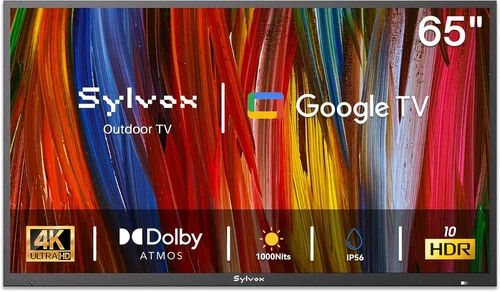
If you’ve ever dreamed of sipping your morning coffee while watching the sunrise over your garden—or unwinding in the evening with a favorite show as fireflies dance outside—you already understand the magic of a screened porch. It’s that perfect transitional space: sheltered from bugs and light rain, yet still immersed in nature. But what if you could elevate that experience even further? Enter the garden TV—a weather-resistant, outdoor-ready display designed specifically for spaces like your screened porch.
Choosing the right garden TV isn’t as simple as grabbing any old television and mounting it outside. Screened porches present unique challenges: filtered sunlight, humidity fluctuations, temperature swings, and occasional exposure to moisture. A standard indoor TV will fail quickly in these conditions, leaving you frustrated and out of pocket. That’s why this guide exists—to help you navigate the specialized world of outdoor and semi-outdoor televisions, so you can enjoy crystal-clear entertainment without compromising on durability or performance. Whether you’re streaming nature documentaries, catching the big game, or simply enjoying ambient visuals while gardening, the right TV makes all the difference.
In this comprehensive buying guide, you’ll learn everything you need to make an informed decision. We’ll break down the key factors that matter most—from brightness and weather resistance to smart features and installation requirements. You’ll discover the different types of garden TVs available, understand common pitfalls to avoid, and get expert-backed recommendations tailored to various budgets and use cases. By the end, you’ll have the confidence to choose a TV that not only survives your screened porch environment but enhances your outdoor living experience for years to come. The market has evolved significantly in recent years, with brands now offering purpose-built outdoor models that blend cutting-edge tech with rugged construction—so there’s never been a better time to invest.

What to Look for When Buying a Garden TV
1. Weather Resistance & IP Rating
One of the most critical factors when selecting a garden TV for your screened porch is its ability to withstand environmental elements. Even though your porch is screened, it’s still exposed to humidity, temperature changes, dust, and occasional splashes—especially if you live in a region with high rainfall or coastal air. Look for TVs with an official Ingress Protection (IP) rating, which indicates how well the device resists solids (like dust) and liquids (like water). For screened porches, an IP55 or higher rating is ideal. IP55 means the TV is protected against dust ingress (limited to no harmful deposits) and low-pressure water jets from any direction. Some premium models offer IP65, which adds full dust-tight protection and resistance to stronger water streams—perfect if your porch occasionally sees direct rain.
Avoid TVs labeled merely “weather-resistant” without a certified IP rating, as these claims can be vague or misleading. Also, check whether the entire unit—including ports, vents, and the mounting bracket—is sealed. Many manufacturers now include conformal coating on internal circuitry to prevent corrosion from moisture, a feature worth verifying in product specs or customer support materials.
2. Brightness & Anti-Glare Performance
Sunlight filtering through screens can create significant glare, making it hard to see your screen during daytime hours. Standard indoor TVs typically operate at 250–400 nits of brightness—fine for dim living rooms but inadequate for outdoor or semi-outdoor settings. For a screened porch, aim for a TV with at least 700 nits, though 1000+ nits is preferable for bright days. High brightness ensures images remain vivid and colors stay true even under dappled sunlight.
Equally important is anti-glare technology. Look for displays with matte finishes or specialized optical filters that diffuse ambient light rather than reflecting it. Some outdoor TVs use advanced polarizing layers or nano-textured glass to minimize reflections. OLED panels, while stunning indoors, often struggle with brightness outdoors—so QLED or high-brightness LED/LCD models are generally better suited for garden use. Additionally, consider the viewing angle: if you plan to watch from multiple seating positions, ensure the TV maintains color accuracy and contrast even at wide angles (look for IPS or VA panels with wide viewing specs).
3. Build Quality & Durability
A garden TV isn’t just about surviving the weather—it’s about lasting for years without performance degradation. Premium outdoor TVs are built with marine-grade aluminum chassis, powder-coated finishes, and sealed internal components to resist rust, warping, and UV damage. Cheaper alternatives may use plastic housings that yellow or crack over time when exposed to sun and humidity.
Pay attention to the quality of the display panel itself. Outdoor-rated panels are often reinforced and tested for thermal stability, meaning they won’t suffer from image retention or color shift during summer heatwaves or winter chills. Also, inspect the remote control and input ports: ruggedized remotes with rubberized buttons and sealed HDMI/USB ports prevent moisture from seeping into sensitive areas. If you’re mounting the TV on a wall or ceiling, verify that the VESA mount compatibility matches your hardware and that the included mounting hardware is stainless steel or similarly corrosion-resistant.
4. Smart Features & Connectivity
Just because your TV lives outdoors doesn’t mean it should lack modern conveniences. Most buyers want access to streaming services like Netflix, YouTube, or Disney+, so ensure the TV runs a robust smart platform such as Android TV, webOS, or Roku TV. These systems receive regular updates, support voice assistants (Google Assistant or Alexa), and allow app installations—key for long-term usability.
Connectivity is equally vital. Look for at least three HDMI ports (preferably HDMI 2.0 or higher for 4K content), USB ports for media playback, and Wi-Fi 5 or 6 for stable streaming. Bluetooth support lets you pair wireless speakers or headphones—useful if you don’t want to disturb neighbors during late-night viewing. Some models include built-in streaming sticks (like Roku or Fire TV) pre-installed, which simplifies setup but may limit upgrade flexibility. Avoid TVs with only composite or component inputs; these are outdated and won’t support modern devices.
5. Size & Viewing Distance
Choosing the right screen size depends on your porch layout and typical seating arrangement. A common rule of thumb: your viewing distance (in inches) should be about 1.5 to 2.5 times the diagonal screen size (in inches). For example, if you’ll be sitting 8 feet (96 inches) away, a 43–65-inch TV would be appropriate. However, outdoor viewing often benefits from larger screens due to ambient light and potential distance variations.
Consider the physical dimensions too—not just the screen, but the bezel and overall depth. Outdoor TVs tend to be bulkier than indoor models due to protective casings, so measure your mounting space carefully. If your porch has low ceilings or tight corners, a slim-profile model might be necessary. Also, think about future flexibility: if you might move the TV indoors during winter, ensure it’s not overly heavy or difficult to relocate.
6. Audio Quality & Speaker Options
Many outdoor TVs skimp on audio, assuming users will connect external speakers—but that’s not always practical on a screened porch. Built-in speakers should deliver clear dialogue and sufficient volume to overcome background noise like birds, wind, or distant traffic. Look for TVs with at least 20W of total power output and support for Dolby Audio or DTS sound processing.
If you prefer richer audio, check for optical audio out, HDMI ARC, or Bluetooth transmitter capabilities to easily connect soundbars or wireless outdoor speakers. Some premium models even include weatherproof speaker enclosures or optional add-on audio kits. Avoid TVs with downward-firing speakers, as these can muffle sound when mounted high on a wall.
7. Brand Reputation & Ecosystem Compatibility
Not all TV brands are created equal when it comes to outdoor durability. Stick with manufacturers known for quality outdoor electronics, such as SunBriteTV, Seura, Samsung (with their Terrace line), LG, or Peerless-AV. These companies invest in rigorous testing and offer better long-term support. Reading professional reviews and user testimonials can reveal hidden issues—like poor customer service or premature panel failures—that specs alone won’t show.
Also consider ecosystem compatibility. If you already use smart home devices (e.g., Ring cameras, Philips Hue lights, or Nest thermostats), choose a TV that integrates seamlessly. For instance, Samsung’s SmartThings platform works well with many IoT devices, while LG’s ThinQ AI supports Google Home and Alexa routines. This cohesion enhances convenience and reduces app clutter.
8. Warranty & Customer Support
Outdoor electronics come with inherent risks, so a strong warranty is non-negotiable. Look for at least a 2-year manufacturer warranty, with some premium brands offering 3–5 years. Check what’s covered: does it include accidental damage, corrosion, or panel burn-in? Is on-site service available, or must you ship the unit back?
Customer support responsiveness matters too. Can you reach a human quickly? Are troubleshooting guides detailed and accessible? Brands like SunBriteTV provide dedicated outdoor TV support teams, while generic retailers may redirect you to standard TV helplines unfamiliar with outdoor-specific issues. Before purchasing, search forums or review sites for real-user experiences with warranty claims—this often reveals more than marketing materials ever will.
Different Types of Garden TVs

Common Buying Mistakes to Avoid
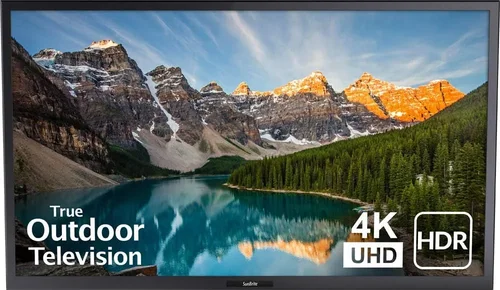
❌ Mistake: Using a Standard Indoor TV Outdoors
Why it’s bad: Indoor TVs lack weatherproofing, corrosion-resistant materials, and sufficient brightness for outdoor use. They can short-circuit from humidity, suffer screen burn-in from constant sun exposure, or fail within months due to thermal stress.
What to do instead: Invest in a purpose-built outdoor or semi-outdoor model, or use a certified weatherproof enclosure if repurposing an indoor TV. Never assume “it’s just a screened porch” means full indoor safety.
❌ Mistake: Ignoring Brightness Specifications
Why it’s bad: A dim screen turns your garden oasis into a frustrating guessing game. You’ll strain to see content during daylight hours, defeating the purpose of having a TV outdoors.
What to do instead: Prioritize TVs with minimum 700 nits brightness, and ideally 1000+ nits. Check real-world reviews—not just manufacturer claims—to confirm performance under sunlight.
❌ Mistake: Overlooking Audio Needs
Why it’s bad: Weak built-in speakers force you to blast volume, which distorts sound and annoys neighbors. Without proper audio, dialogue becomes unintelligible amid outdoor noise.
What to do instead: Choose a TV with strong onboard audio (20W+) or plan for external speakers from day one. Test audio quality during demos if possible.
❌ Mistake: Skimping on Mounting Hardware
Why it’s bad: Standard indoor mounts aren’t designed for outdoor conditions. Rust, loosening screws, or inadequate weight capacity can lead to dangerous falls.
What to do instead: Use stainless steel, powder-coated outdoor mounts rated for your TV’s weight and size. Consider tilt or full-motion mounts for optimal viewing angles.
❌ Mistake: Neglecting Power & Cable Management
Why it’s bad: Exposed cords invite tripping hazards, water damage, and pest interference. Improper grounding can also cause electrical issues.
What to do instead: Run cables through conduit or use in-wall rated wiring. Install a GFCI outlet nearby and use cable raceways or clips to keep everything tidy and protected.
❌ Mistake: Buying Based Solely on Price
Why it’s bad: The cheapest option often lacks essential features like adequate brightness, smart capabilities, or warranty coverage—leading to higher long-term costs.
What to do instead: Focus on value, not just price. A mid-range TV with strong durability and features may save money over time compared to replacing a failed budget model.
Budget Guidelines: How Much Should You Spend?
- Entry-Level ($500–$1,000): These are typically indoor TVs paired with third-party weatherproof enclosures. While affordable, they offer limited brightness (often under 500 nits), basic smart features, and shorter lifespans. Best for seasonal use or shaded porches with minimal sun exposure.
- Mid-Range ($1,000–$2,000): The sweet spot for most screened porch owners. These include certified semi-outdoor models with 700–1000 nits brightness, IP55 ratings, decent smart platforms, and solid build quality. Expect 3–5 years of reliable service with proper care.
- Premium ($2,000–$3,500): Designed for enthusiasts and those wanting top-tier performance. Features include 1000+ nits brightness, IP65 ratings, premium smart OS (like webOS or Android TV), advanced anti-glare coatings, and extended warranties. Ideal for bright porches or multi-season use.
- Luxury ($3,500+): Top-of-the-line all-weather TVs from brands like SunBriteTV or Seura. Built for extreme conditions, these offer military-grade durability, ultra-high brightness (1500+ nits), professional installation support, and 5-year warranties. Perfect for high-end homes or commercial applications.
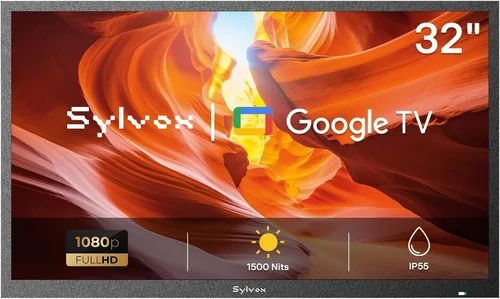
Expert Tips for Getting the Best Deal
- Buy during off-seasons: Retailers often discount outdoor TVs in late fall or winter when demand drops. Look for Black Friday, Cyber Monday, or end-of-summer sales.
- Shop authorized dealers: Avoid gray-market sellers. Authorized retailers provide valid warranties, firmware updates, and reliable support.
- Compare total cost of ownership: Factor in energy efficiency, expected lifespan, and potential repair costs—not just the sticker price.
- Check return policies: Ensure you can return or exchange the TV if it doesn’t perform as expected in your specific environment.
- Test before committing: If possible, visit a showroom to view the TV in bright lighting. Many outdoor TV specialists offer demo units.
- Bundle with installation: Some brands offer discounted professional installation—worth considering if you’re not DIY-confident.
- Monitor refurbished options: Certified refurbished models from reputable sellers can save 20–40% while offering near-new performance and full warranties.
- Read the fine print on warranties: Some exclude “acts of nature” or require annual maintenance checks. Know what’s covered before you buy.

Frequently Asked Questions
Q: Can I use a regular TV on my screened porch?
A: Technically yes—but it’s not recommended for long-term use. Without proper weatherproofing, even a screened porch can expose the TV to humidity, temperature swings, and dust that degrade performance and shorten lifespan. For occasional or seasonal use in a very protected space, an indoor TV in a sealed enclosure might work, but for regular viewing, invest in a purpose-built model.
Q: Do garden TVs need special power outlets?
A: Not necessarily, but they should be connected to a GFCI (Ground Fault Circuit Interrupter) outlet for safety, especially in damp environments. Avoid extension cords; hardwiring or using a dedicated outlet is best.
Q: How do I clean my outdoor TV screen?
A: Use a microfiber cloth slightly dampened with distilled water. Never spray liquid directly on the screen. For stubborn smudges, use a screen-safe cleaner designed for outdoor displays. Avoid ammonia-based or abrasive cleaners.
Q: Will my garden TV work in winter?
A: Most semi-outdoor TVs are rated for temperatures between -22°F and 122°F (-30°C to 50°C). However, extreme cold can temporarily affect startup time or brightness. If you live in a harsh winter climate, consider covering the TV or moving it indoors during prolonged freezes.
Q: Can I mount my garden TV on a ceiling?
A: Yes, many outdoor TVs support ceiling mounts, but ensure the mount is rated for outdoor use and can handle the TV’s weight and wind load. Tilt adjustments help optimize viewing angles.
Q: Do outdoor TVs consume more power?
A: Generally no—modern LED-based outdoor TVs are energy-efficient. Brightness settings impact consumption, but even at max brightness, they rarely exceed 150–200W for a 55-inch model.
Q: What’s the difference between IP55 and IP65?
A: IP55 protects against dust (limited ingress) and low-pressure water jets. IP65 is dust-tight and resists stronger water streams. For screened porches, IP55 is usually sufficient unless you expect direct rain exposure.
Q: Can I connect my gaming console to a garden TV?
A: Absolutely! Most outdoor TVs support HDMI 2.0 or higher, enabling 4K/60Hz gaming. Just ensure low input lag (<30ms) for responsive gameplay—check reviews for gaming performance.
Q: How long do outdoor TVs typically last?
A: With proper care, a quality outdoor TV can last 5–8 years or more. Cheaper models or indoor TVs in enclosures may fail within 2–3 years due to environmental stress.
Our Final Recommendations
- Best for Budget-Conscious Buyers: Samsung The Frame (with outdoor enclosure) – While not inherently outdoor-rated, The Frame’s sleek design and Art Mode make it a stylish choice when paired with a Peerless-AV outdoor enclosure. Offers excellent picture quality and smart features at a lower entry point.
- Best Overall Value: SunBriteTV Veranda Series – Specifically engineered for covered outdoor spaces, this model delivers 1000+ nits brightness, IP55 rating, and robust smart functionality. Priced competitively for its class, it’s the go-to for most screened porch owners.
- Best Premium Option: Seura Shadow Series – With an ultra-thin profile, 1500 nits brightness, and whisper-quiet operation, this TV blends luxury with performance. Ideal for high-end homes where aesthetics and durability are paramount.
- Best for Beginners: LG Outdoor Smart TV (OU5000 series) – User-friendly webOS interface, strong app ecosystem, and reliable build quality make this a great first outdoor TV. Includes helpful setup guides and responsive customer support.
- Best for Advanced Users: Peerless-AV Xtreme Outdoor TV – Built for pros, this commercial-grade display offers modular design, 24/7 operation capability, and customizable mounting. Perfect for tech-savvy users who want maximum control and longevity.
Conclusion: Making the Right Choice
Choosing the best garden TV for your screened porch is about balancing performance, durability, and personal needs. It’s not just about surviving the elements—it’s about enhancing your connection to nature while enjoying modern entertainment. By prioritizing weather resistance, brightness, smart features, and build quality, you’ll avoid costly mistakes and find a TV that delivers years of reliable service.
Remember, your screened porch is an extension of your home—a place for relaxation, gathering, and joy. The right TV should amplify that experience, not detract from it. Take the time to assess your viewing habits, environmental conditions, and budget. Read reviews, compare specs, and don’t hesitate to reach out to manufacturers with questions. And when you do make your purchase, invest in proper installation and maintenance to protect your investment.
Ultimately, the best garden TV is the one that fits seamlessly into your lifestyle. Whether you’re watching a movie under the stars or catching up on news with your morning coffee, your outdoor screen should feel like a natural part of your space—not a compromise. With the insights from this guide, you’re now equipped to make a confident, informed decision. So go ahead: bring the screen outside, and let your porch become the heart of your home’s outdoor living experience.

