
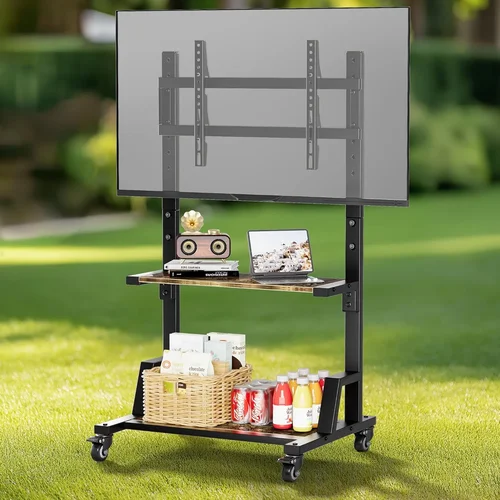
Watching your favorite sports outdoors—whether it’s a backyard barbecue during the World Cup, a tailgate party for the Super Bowl, or a neighborhood watch party for the Olympics—adds a whole new level of excitement to the game. But let’s be honest: trying to enjoy a live match on a regular indoor TV in your garden often leads to squinting at a washed-out screen, battling glare from the sun, or dealing with poor sound quality that gets lost in the open air. That’s why investing in a proper garden TV designed for outdoor use isn’t just a luxury—it’s a necessity for any serious sports fan who loves to entertain outside.
This comprehensive buying guide is here to help you navigate the often-confusing world of outdoor televisions. Whether you’re planning to host regular game nights, set up a permanent outdoor entertainment zone, or simply want to catch the big match while grilling in your backyard, we’ll walk you through everything you need to know. You’ll learn how to evaluate key features like brightness, weather resistance, audio performance, and connectivity options. We’ll also compare different types of outdoor TVs, highlight common pitfalls to avoid, and offer expert advice on getting the best value for your budget. By the end of this guide, you’ll have the confidence to choose a garden TV that delivers crisp visuals, reliable performance, and long-term durability—no matter the weather or lighting conditions.
The market for outdoor TVs has grown significantly in recent years, driven by increased demand for outdoor living spaces and smart home integration. Today, you’ll find everything from fully weatherproof, permanently mounted models to portable, semi-outdoor displays designed for temporary setup. Brands like Samsung, Sony, LG, and specialized outdoor tech companies such as SunBriteTV and Seura have entered the space, offering a range of options tailored to different environments—from shaded patios to full-sun decks. With so many choices available, it’s easy to feel overwhelmed. But don’t worry: this guide cuts through the noise and focuses on what truly matters when selecting the best garden TV for watching sports outdoors.

What to Look for When Buying Buying Guide
1. Brightness and Display Quality
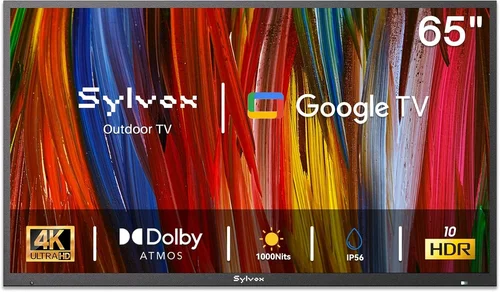
When it comes to outdoor viewing, brightness is arguably the most critical factor. Unlike indoor TVs, which are designed for controlled lighting, garden TVs must compete with natural sunlight, reflections, and ambient glare. Look for a display with a minimum brightness of 700 nits, but ideally 1,000 nits or higher—especially if your viewing area is exposed to direct sunlight. High brightness ensures that colors remain vibrant and details stay sharp, even on a bright afternoon.
Equally important is the type of display technology. Most outdoor TVs use either LED or QLED panels. LED TVs offer solid performance and affordability, while QLED models (like those from Samsung) deliver richer colors and better contrast, thanks to quantum dot technology. For sports, where fast motion and vivid team colors are key, a high refresh rate (120Hz or higher) and low input lag are essential to prevent motion blur and ensure smooth playback during rapid action sequences.
2. Weather Resistance and Durability
Outdoor TVs must withstand rain, snow, dust, extreme temperatures, and UV exposure. That’s why weather resistance is non-negotiable. Look for models with an IP (Ingress Protection) rating of at least IP55, which means the TV is protected against dust and low-pressure water jets from any direction. For harsher climates or permanent installations, consider IP65 or higher for full dust-tightness and protection against water projected from a nozzle.
Beyond the IP rating, examine the materials used in the TV’s construction. High-quality outdoor TVs often feature powder-coated aluminum chassis, sealed ports, and corrosion-resistant components. These design elements prevent rust and degradation over time. Also, consider the operating temperature range—most outdoor TVs function between -22°F and 122°F (-30°C to 50°C), but verify this based on your local climate.
3. Audio Performance
Sound quality is frequently overlooked when setting up an outdoor viewing area, but it plays a crucial role in the overall experience. Unlike indoor environments, outdoor spaces lack walls and ceilings to reflect and amplify sound, so audio can easily get lost or muffled. Many outdoor TVs come with built-in speakers, but these are often underpowered for open-air settings.
For the best audio experience, look for TVs with robust built-in sound systems—ideally with at least 20W of total output and support for Dolby Audio or DTS:X. Alternatively, plan to connect external speakers or a soundbar via Bluetooth or optical audio output. Wireless outdoor speakers can be strategically placed around your seating area to create an immersive surround sound effect, perfect for cheering crowds and commentator excitement.
4. Connectivity and Smart Features
Modern outdoor TVs should offer the same smart functionality as their indoor counterparts. Look for models with built-in Wi-Fi, Ethernet ports, and support for popular streaming platforms like Netflix, YouTube, Hulu, and ESPN+. This allows you to access live sports broadcasts, replays, and highlights without needing additional devices.
HDMI ports are essential for connecting cable boxes, gaming consoles, or media streamers like Apple TV or Roku. Aim for at least two HDMI 2.0 or HDMI 2.1 ports to future-proof your setup. USB ports are also useful for playing media files directly from a flash drive. Additionally, check for Bluetooth connectivity, which enables wireless pairing with headphones, speakers, or game controllers.
5. Size and Viewing Distance
Choosing the right screen size depends on your outdoor space and typical viewing distance. For a backyard setup, a 55-inch to 65-inch TV is usually ideal for groups of 6–10 people seated 8–12 feet away. Larger screens (75 inches and up) work well for expansive patios or drive-in-style gatherings, but they require more powerful audio and may need professional mounting.
Use the 1.5x rule as a guideline: multiply your viewing distance (in inches) by 1.5 to determine the ideal screen diagonal. For example, if viewers are 10 feet (120 inches) away, a 60-inch TV (120 ÷ 2 = 60) is a good fit. Avoid going too large, as oversized screens can cause eye strain and make details harder to discern.
6. Mounting and Installation Options
How you plan to install your garden TV will influence your purchase decision. Permanent wall mounts are common for covered patios or pergolas, while freestanding or mobile carts offer flexibility for seasonal use. Some outdoor TVs come with built-in mounting systems, while others require third-party brackets.
Consider the TV’s weight and VESA pattern (the standard for mounting holes) to ensure compatibility with your chosen mount. For permanent installations, hire a professional installer to handle electrical wiring, weatherproofing, and secure anchoring—especially in windy areas. If you’re using a mobile setup, look for TVs with sturdy bases or wheels designed for outdoor terrain.
7. Brand Reputation and Reliability
Not all TV brands are created equal when it comes to outdoor performance. While mainstream manufacturers like Samsung and LG offer excellent indoor models, they may not specialize in outdoor durability. Brands like SunBriteTV, Seura, and Avid Power are known for their rugged, weather-resistant designs and are often recommended by outdoor living experts.
Research customer reviews and professional ratings to gauge long-term reliability. Look for feedback on performance in real-world conditions—such as how the TV handles rain, heat, or prolonged sun exposure. A reputable brand with a history of outdoor innovation is more likely to deliver a product that lasts.
8. Warranty and Customer Support
Outdoor electronics are exposed to harsher conditions than indoor devices, so a strong warranty is essential. Most quality outdoor TVs come with a 2- to 3-year limited warranty that covers defects, weather damage, and component failure. Some premium models even offer extended warranties or in-home service.
Check the manufacturer’s support policies: Do they offer phone, email, or chat assistance? Is there a local service center? A responsive support team can save you time and frustration if issues arise. Also, verify whether the warranty remains valid if the TV is installed by a third party—some brands require professional installation to maintain coverage.
Different Types of Buying Guide

Common Buying Mistakes to Avoid
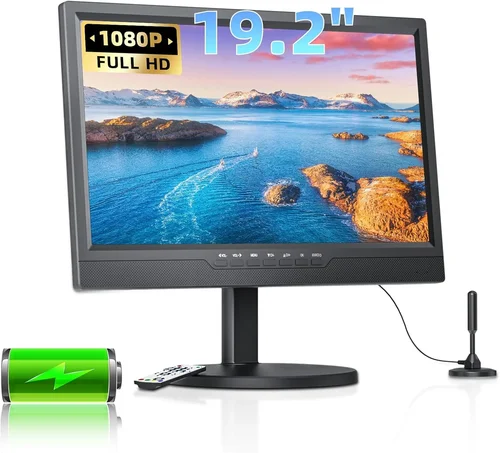
❌ Mistake: Using an Indoor TV Outdoors
Why it’s bad: Indoor TVs are not designed to handle moisture, temperature swings, or UV exposure. Placing one outside—even under a roof—can lead to overheating, screen damage, or electrical failure. Most indoor models also lack the brightness needed for daylight viewing, resulting in a dim, washed-out image.
What to do instead: Invest in a TV specifically rated for outdoor use. Even if your setup is under cover, choose a semi-outdoor or fully outdoor model with proper weather sealing and enhanced brightness.
❌ Mistake: Ignoring Audio Needs
Why it’s bad: Outdoor acoustics are unpredictable. Without proper sound reinforcement, commentary and crowd noise can be difficult to hear, especially over wind, traffic, or music from a nearby speaker.
What to do instead: Pair your TV with weather-resistant outdoor speakers or a Bluetooth soundbar. Position speakers at ear level and angle them toward the seating area for optimal coverage.
❌ Mistake: Overlooking Power and Connectivity Requirements
Why it’s bad: Running extension cords across your yard is not only unsafe but also unsightly. Poor cable management can lead to tripping hazards or water damage to electrical connections.
What to do instead: Plan your setup in advance. Use outdoor-rated extension cords with GFCI protection, or better yet, hire an electrician to install a dedicated outdoor outlet near your TV location. Consider wireless streaming to reduce cable clutter.
❌ Mistake: Choosing the Wrong Screen Size
Why it’s bad: A TV that’s too small forces viewers to squint, while one that’s too large can overwhelm the space and make details hard to see. Both scenarios ruin the viewing experience.
What to do instead: Measure your viewing distance and use the 1.5x rule to determine the ideal screen size. Test with a temporary setup if possible—hang a sheet and project an image to simulate the size.
❌ Mistake: Skimping on Mounting Hardware
Why it’s bad: A poorly mounted TV can fall, especially in windy conditions. Using indoor mounts or DIY brackets increases the risk of damage or injury.
What to do instead: Use a heavy-duty, weatherproof outdoor mount rated for your TV’s weight and size. Ensure it’s securely anchored to a solid structure like a wall or post.
❌ Mistake: Not Considering Future Upgrades
Why it’s bad: Technology evolves quickly. A TV with outdated ports or no smart features may become obsolete within a few years, limiting your ability to stream or connect new devices.
What to do instead: Choose a model with HDMI 2.1, Wi-Fi 6, and regular firmware updates. Look for brands that support long-term software support and app compatibility.
❌ Mistake: Forgetting About Security
Why it’s bad: Outdoor TVs are vulnerable to theft, especially if left unattended. A high-value item in plain sight can attract unwanted attention.
What to do instead: Use security cables or locks to anchor the TV to a fixed structure. Consider installing motion-sensor lights or a security camera nearby for added protection.
Budget Guidelines: How Much Should You Spend?
Entry-Level ($500 – $1,000): This tier includes portable outdoor TVs and basic semi-outdoor models. Expect smaller screens (32–43 inches), lower brightness (500–700 nits), and limited smart features. These are ideal for shaded areas or temporary use, such as tailgating or camping. Audio is usually weak, so external speakers are recommended.
Mid-Range ($1,000 – $2,500): This is the sweet spot for most buyers. You’ll find 50–65 inch TVs with 700–1,000 nits brightness, IP55 weather resistance, and decent smart platforms. Models in this range often include better audio, multiple HDMI ports, and support for 4K HDR. Perfect for covered patios or decks with partial sun exposure.
Premium ($2,500 – $4,000): Designed for enthusiasts and permanent installations, these TVs offer 1,000+ nits brightness, IP65+ ratings, and advanced features like anti-glare coatings, Dolby Vision, and voice control. Brands like SunBriteTV and Seura dominate this space. Expect superior build quality, longer warranties, and professional installation options.
Luxury ($4,000+): Top-tier models include ultra-bright 4K QLED displays, full weatherproofing, integrated sound systems, and smart home integration. These are built for luxury outdoor theaters, commercial venues, or high-end residential projects. Some even feature motorized lifts or hidden enclosures for a sleek, invisible look when not in use.
Expert Tips for Getting the Best Deal
1. Buy During Off-Season Sales: The best time to purchase an outdoor TV is in late fall or winter, when demand is low. Retailers often discount summer inventory to make room for new models. Look for Black Friday, Cyber Monday, or end-of-season sales at home improvement stores.
2. Shop at Specialty Retailers: While big-box stores carry some outdoor models, specialty retailers like Crutchfield, Abt Electronics, or outdoor living suppliers often have better selection, expert advice, and bundled deals (e.g., TV + mount + speakers).
3. Consider Refurbished or Open-Box Models: Certified refurbished outdoor TVs from reputable sellers can save you 20–30% off retail. These units are tested, cleaned, and come with warranties, making them a smart budget option.
4. Bundle with Accessories: Many retailers offer discounts when you buy a TV with a mount, soundbar, or streaming device. This can reduce overall costs and simplify setup.
5. Check Return and Exchange Policies: Outdoor TVs are expensive, so ensure the seller offers at least a 30-day return window. Some brands allow returns even after installation, which is crucial if the TV doesn’t perform as expected.
6. Test Before Committing: If possible, visit a showroom to see the TV in person. Compare brightness, color accuracy, and sound quality under different lighting conditions. Some retailers offer in-home demos for premium models.
7. Negotiate Installation Services: Professional installation can cost $200–$500. Ask if the retailer includes free or discounted installation with purchase. Some brands partner with local technicians for seamless setup.
8. Monitor Price Drops: Use price tracking tools like Honey, CamelCamelCamel, or Google Shopping to alert you when your desired model goes on sale. Outdoor TVs rarely drop dramatically, but even $200 off can make a difference.

Frequently Asked Questions
Q: Can I use a regular TV under my covered patio?
A: Technically, yes—but it’s not recommended. Even under cover, humidity, temperature changes, and occasional rain exposure can damage an indoor TV over time. A semi-outdoor model with IP55 rating offers better protection and longevity.
Q: Do outdoor TVs need special power outlets?
A: Not necessarily, but they should be connected to a GFCI (Ground Fault Circuit Interrupter) outlet for safety. This type of outlet shuts off power if it detects a ground fault, reducing the risk of electric shock in wet conditions.
Q: How do I protect my outdoor TV from theft?
A: Use security cables, lockable mounts, or install the TV in a locked enclosure. Motion-sensor lights and security cameras also deter thieves. For portable models, store them indoors when not in use.
Q: Can I leave my outdoor TV on during rain?
A: Yes, if it’s a fully outdoor model with an IP65 or higher rating. These TVs are designed to operate in rain, snow, and sleet. However, avoid spraying water directly on the screen or ports.
Q: Do outdoor TVs work well at night?
A: Absolutely. In fact, many outdoor TVs perform better at night due to reduced glare. Some models even have ambient light sensors that adjust brightness automatically for optimal viewing in low light.
Q: Can I connect a gaming console to an outdoor TV?
A: Yes, as long as the TV has HDMI ports and low input lag. Look for models with “Game Mode” to minimize delay during fast-paced sports games or console gaming.
Q: How long do outdoor TVs typically last?
A: With proper care, a quality outdoor TV can last 7–10 years or more. Regular cleaning, secure mounting, and avoiding extreme temperature exposure can extend its lifespan.
Q: Are outdoor TVs energy efficient?
A: Most modern outdoor TVs are ENERGY STAR certified and use LED backlighting, which consumes less power than older technologies. Brightness settings also impact energy use—lower brightness when possible saves power.
Q: Can I stream live sports on an outdoor TV?
A: Yes, if the TV has smart features and Wi-Fi. Apps like ESPN, Fox Sports, YouTube TV, and Hulu + Live TV allow you to watch live games, highlights, and replays directly on the screen.
Q: What’s the difference between IP55 and IP65?
A: IP55 protects against dust (limited ingress) and low-pressure water jets. IP65 is dust-tight and protected against water projected from a nozzle. For full outdoor use, IP65 or higher is ideal.
Our Final Recommendations
Best for Budget-Conscious Buyers: SunBriteTV Veranda Series 55-inch – At around $1,200, this model offers excellent value with 700 nits brightness, IP55 rating, and built-in smart features. Ideal for covered patios and shaded decks.
Best Overall Value: Seura Outdoor 65-inch 4K Smart TV – Priced at $2,300, it delivers 1,000 nits brightness, Dolby Vision, and a sleek design. Perfect for semi-outdoor spaces with partial sun exposure.
Best Premium Option: SunBriteTV Pro Series 75-inch – At $3,800, this is a top-tier choice for full-sun environments. Features 2,000 nits brightness, IP65 rating, and professional-grade durability.
Best for Beginners: LG 55-inch Outdoor Smart TV (OLED) – While not fully outdoor-rated, this model works well under cover and offers stunning picture quality with webOS smart platform. Great for those new to outdoor viewing.
Best for Advanced Users: Avid Power Outdoor 85-inch 4K QLED – With 1,500 nits brightness, voice control, and modular design, this TV is built for tech enthusiasts who want a customizable, high-performance outdoor theater.
Conclusion: Making the Right Choice
Choosing the best garden TV for outdoor sports watching doesn’t have to be overwhelming. By focusing on key factors like brightness, weather resistance, audio quality, and smart features, you can find a model that delivers an immersive, reliable viewing experience—no matter the conditions. Remember to match your TV to your environment: a shaded patio doesn’t need the same level of protection as a full-sun deck.
Avoid common pitfalls like using indoor TVs or neglecting audio, and always prioritize safety and security in your setup. With the right budget, installation, and accessories, your backyard can become the ultimate sports-watching destination for friends and family.
Ultimately, the best garden TV is the one that fits your space, your lifestyle, and your passion for the game. Take the time to research, compare options, and invest wisely. Your future self—and your guests—will thank you when the final whistle blows and the celebration begins under the open sky.

