
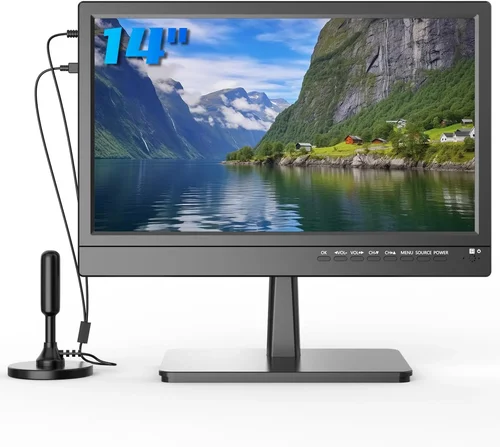
Outdoor kitchens have evolved from simple grilling stations into fully functional, luxury living spaces. Whether you’re sipping coffee on a crisp morning, hosting a backyard barbecue, or unwinding after a long day, having entertainment at your fingertips transforms the experience. That’s where an outdoor kitchen TV comes in—a durable, weather-resistant display designed to withstand the elements while delivering crisp visuals and reliable performance. But with so many options flooding the market, choosing the right one can feel overwhelming. This guide is here to cut through the noise and help you make a confident, informed decision.
In this comprehensive buying guide, you’ll learn everything you need to know about selecting the best outdoor kitchen TV for your space. We’ll break down the critical factors—from weather resistance and screen brightness to smart features and installation requirements—so you understand what truly matters. You’ll also discover the different types of outdoor TVs available, common pitfalls to avoid, and how to maximize your budget. Whether you’re building a new outdoor kitchen or upgrading an existing setup, this guide will equip you with expert insights and practical advice to ensure you invest in a TV that delivers both performance and longevity.
The outdoor TV market has grown significantly in recent years, driven by rising demand for outdoor entertainment and smart home integration. Major brands like Samsung, LG, Sony, and specialized manufacturers such as SunBriteTV and Seura now offer models specifically engineered for outdoor use. These aren’t just regular TVs shoved into a protective case—they’re purpose-built with enhanced durability, anti-glare screens, and advanced cooling systems. With prices ranging from under $500 to well over $3,000, there’s an option for nearly every budget and need. By the end of this guide, you’ll know exactly what to look for and which models offer the best value for your outdoor kitchen.

What to Look for When Buying Buying Guide
1. Weather Resistance & IP Rating
When it comes to outdoor TVs, weather resistance isn’t optional—it’s essential. Unlike indoor models, outdoor TVs must endure rain, snow, dust, humidity, and temperature extremes. The first thing to check is the TV’s Ingress Protection (IP) rating, which indicates how well it resists solid particles and liquids. For outdoor use, look for a minimum IP55 rating, which means the TV is protected against dust and low-pressure water jets from any direction. Higher ratings like IP65 or IP66 offer even greater protection, making them ideal for uncovered patios or areas with heavy rainfall.
But IP ratings only tell part of the story. True outdoor TVs go beyond basic sealing. They feature fully enclosed designs with no ventilation holes, preventing moisture and insects from entering the internal components. Many also include built-in heaters and cooling fans to regulate internal temperature, ensuring reliable operation in both freezing winters and scorching summers. For example, SunBriteTV’s Veranda series includes a thermal management system that activates automatically when temperatures drop below 40°F or rise above 104°F. This prevents condensation and overheating, extending the TV’s lifespan significantly.
Another key consideration is the mounting system. Even the most weather-resistant TV can fail if the mount isn’t secure or properly sealed. Look for mounts specifically rated for outdoor use, with corrosion-resistant materials like powder-coated aluminum or stainless steel. Some manufacturers, like Seura, offer integrated mounting solutions that include weatherproof enclosures, simplifying installation and enhancing protection.
2. Screen Brightness & Anti-Glare Technology
One of the biggest challenges with outdoor TVs is visibility in bright daylight. Standard indoor TVs typically have a brightness of 300–500 nits, which is fine for dimly lit rooms but nearly invisible under direct sunlight. Outdoor TVs, on the other hand, need significantly higher brightness—ideally 700 nits or more—to remain viewable during the day. Look for models with at least 1,000 nits for full sun exposure, especially if your outdoor kitchen faces south or west.
But brightness alone isn’t enough. Glare from the sun, water, or nearby surfaces can wash out the image, making it difficult to see details. That’s why top outdoor TVs feature anti-glare or anti-reflective coatings on the screen. These coatings diffuse ambient light, reducing reflections and improving contrast. Some premium models, like the Samsung The Terrace, use quantum dot technology combined with a matte finish to deliver vibrant colors even in harsh lighting.
Another innovation is the use of direct-lit LED backlighting instead of edge-lit systems. Direct-lit panels provide more uniform brightness across the screen, which is crucial for outdoor viewing where angles and lighting conditions vary. Additionally, some TVs include ambient light sensors that automatically adjust brightness based on the time of day, conserving energy and reducing eye strain.
3. Build Quality & Durability
Outdoor environments are tough on electronics. Beyond weather resistance, the overall build quality of an outdoor TV determines how well it will hold up over time. Look for TVs constructed with robust materials like aluminum or reinforced polymer, which resist corrosion and UV degradation. Avoid plastic-heavy designs, as they can become brittle and crack under temperature fluctuations.
Pay attention to the internal components as well. Outdoor TVs often use industrial-grade capacitors, sealed circuit boards, and reinforced connectors to withstand vibrations, humidity, and power surges. For example, SunBriteTV uses conformal coating on all internal electronics, a protective layer that repels moisture and dust. This level of engineering isn’t found in standard TVs, even those marketed as “outdoor-ready.”
Durability also extends to the remote control and input ports. Outdoor TVs should come with weatherproof remotes that resist water and dust. Input ports (HDMI, USB, etc.) should be covered with rubber gaskets or located behind sealed access panels. Some models even include surge protection built into the power supply, safeguarding against lightning strikes or power fluctuations common in outdoor settings.
4. Performance Specifications
While durability is critical, you still want a TV that delivers excellent picture and sound quality. Start with resolution: 4K UHD (3840 x 2160) is the standard for outdoor TVs today, offering sharp, detailed images that hold up well at larger screen sizes. Avoid 1080p models unless you’re on a tight budget—4K provides a noticeably better experience, especially when watching sports or movies.
Refresh rate is another important spec. A 60Hz refresh rate is acceptable for casual viewing, but if you plan to watch fast-paced content like sports or action movies, look for a 120Hz panel. Higher refresh rates reduce motion blur and provide smoother motion, which is particularly noticeable on large outdoor screens.
Audio performance is often overlooked but shouldn’t be ignored. Most outdoor TVs have built-in speakers, but they’re usually underpowered for open-air environments. Consider pairing your TV with outdoor-rated speakers or a soundbar for better sound dispersion. Some models, like the LG Outdoor Smart TV, include AI Sound Pro technology that enhances dialogue clarity and adjusts audio based on ambient noise.
Smart functionality is also a major plus. Most outdoor TVs now run on platforms like Android TV, webOS, or Tizen, giving you access to streaming apps like Netflix, YouTube, and Disney+. Look for models with voice control (via Google Assistant or Alexa) and compatibility with smart home systems for seamless integration.
5. Size & Viewing Distance
Choosing the right screen size depends on your outdoor kitchen layout and typical viewing distance. A general rule of thumb is to sit at a distance equal to 1.5 to 2.5 times the screen’s diagonal size. For example, a 55-inch TV is ideal for viewing from 6.5 to 11 feet away. In an outdoor kitchen, where seating may be arranged around a grill or bar, consider a larger screen—65 inches or more—to ensure everyone has a good view.
But size isn’t just about distance. Larger screens are more susceptible to glare and require higher brightness to maintain image quality. If your outdoor kitchen is partially shaded, a 55-inch TV with 1,000 nits may suffice. In full sun, you might need a 75-inch model with 1,500+ nits to ensure visibility. Also, consider the physical space: measure the wall or mounting area to ensure the TV fits comfortably without obstructing walkways or cabinetry.
Portability is another factor if you plan to move the TV between indoor and outdoor use. Some outdoor TVs are designed to be lightweight and easy to relocate, while others are permanently installed. If you want flexibility, look for models with detachable stands or compatible with universal outdoor mounts.
6. Brand Reputation & Reliability
Not all outdoor TVs are created equal, and brand reputation matters. Established manufacturers like Samsung, LG, and Sony have extensive experience in display technology and offer strong customer support. However, specialized brands like SunBriteTV and Seura focus exclusively on outdoor solutions, often delivering superior weather resistance and durability.
SunBriteTV, for instance, has been a leader in the outdoor TV market for over a decade. Their TVs are rigorously tested in extreme conditions and come with a 2-year warranty—longer than most consumer electronics. Seura, known for its outdoor TVs and soundbars, offers sleek designs that blend seamlessly with outdoor décor. Both brands have strong track records for reliability and customer service.
When evaluating brands, check user reviews and professional ratings. Look for consistent feedback about longevity, ease of installation, and post-purchase support. Avoid lesser-known brands that lack transparency about their testing standards or warranty terms. A reputable brand may cost more upfront, but it often saves you money in the long run by reducing the risk of premature failure.
7. Warranty & Support
Outdoor TVs are a significant investment, so a solid warranty is crucial. Most reputable brands offer at least a 1-year warranty, but outdoor-specific models often come with 2- or even 3-year coverage. SunBriteTV, for example, provides a 2-year limited warranty that includes parts, labor, and in-home service in some regions.
Pay attention to what the warranty covers. Does it include damage from weather, power surges, or accidental drops? Is there a service center nearby, or will you need to ship the TV for repairs? Some brands offer extended warranties or protection plans for an additional fee, which can be worth it if you live in an area with harsh weather.
Customer support is equally important. Look for brands with responsive support teams, detailed installation guides, and online troubleshooting resources. A brand that offers live chat, phone support, and video tutorials makes the setup process much smoother, especially for DIY installations.
8. Installation & Mounting Requirements
Even the best outdoor TV won’t perform well if it’s poorly installed. Proper mounting is essential for safety, stability, and optimal viewing. Most outdoor TVs require a wall mount, but some can be placed on a stand or integrated into cabinetry. Wall mounts should be rated for outdoor use and capable of supporting the TV’s weight—typically 50–100 pounds for larger models.
Consider the location carefully. The TV should be mounted at eye level when seated, with minimal glare from windows or reflective surfaces. Avoid placing it directly above a grill or smoker, as heat and grease can damage the screen over time. If possible, install the TV under a covered area or pergola to extend its lifespan.
Cable management is another key consideration. All cables—power, HDMI, antenna—should be routed through waterproof conduits or channels to prevent water ingress. Some outdoor TVs include built-in cable management systems, while others require external solutions. Plan your wiring in advance to avoid last-minute complications.
Different Types of Buying Guide

Common Buying Mistakes to Avoid
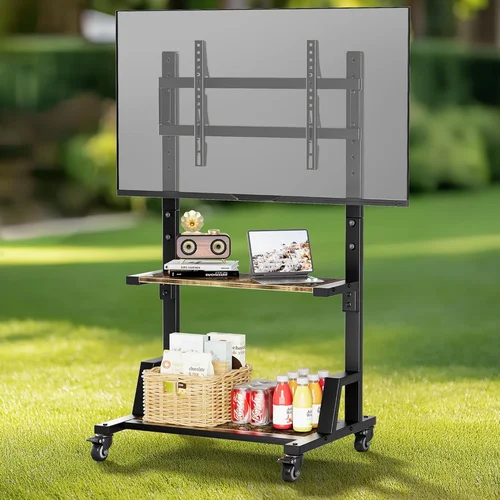
❌ Mistake: Buying a Regular Indoor TV for Outdoor Use
Why it’s bad: Indoor TVs aren’t designed to handle moisture, temperature swings, or UV exposure. Even if you place one in a covered area, humidity and condensation can seep into the internal components, leading to corrosion, screen fogging, and premature failure. Many indoor TVs also lack the brightness needed for outdoor visibility.
What to do instead: Invest in a TV specifically engineered for outdoor use. These models feature sealed enclosures, thermal management, and high-brightness displays. If budget is a concern, consider a partial-shade outdoor TV or an indoor TV in a certified outdoor enclosure.
❌ Mistake: Ignoring the IP Rating
Why it’s bad: Without a proper IP rating, you have no guarantee the TV can withstand rain, dust, or splashes. A TV with an IP44 rating, for example, is only protected against large splashes and isn’t suitable for uncovered areas.
What to do instead: Always check the IP rating before purchasing. For full outdoor exposure, aim for IP55 or higher. Look for detailed specifications from the manufacturer, not just marketing claims.
❌ Mistake: Overlooking Screen Brightness
Why it’s bad: A dim screen will be washed out in daylight, making it difficult to see content. Even with anti-glare coating, insufficient brightness ruins the viewing experience.
What to do instead: Choose a TV with at least 700 nits for partial shade and 1,000+ nits for full sun. Check reviews and manufacturer specs to confirm real-world brightness performance.
❌ Mistake: Skimping on the Mount
Why it’s bad: A weak or improperly installed mount can lead to the TV falling, especially in windy conditions. This poses a safety hazard and can damage the TV or surrounding structures.
What to do instead: Use a mount rated for outdoor use and the TV’s weight. Ensure it’s securely anchored to a stud or concrete wall. Consider professional installation for peace of mind.
❌ Mistake: Not Planning for Cable Management
Why it’s bad: Exposed cables are vulnerable to water damage, UV degradation, and pests. Poor cable routing can also create tripping hazards and detract from the aesthetic.
What to do instead: Use waterproof conduits or raceways to protect cables. Route them through walls or under decking when possible. Choose a TV with rear cable channels or built-in management.
❌ Mistake: Forgetting About Audio
Why it’s bad: Built-in speakers on outdoor TVs are often weak and muffled, especially in open spaces. Without proper audio, dialogue and sound effects can be hard to hear.
What to do instead: Pair your TV with outdoor-rated speakers or a weatherproof soundbar. Look for models with Bluetooth or wired audio outputs for easy connectivity.
❌ Mistake: Not Checking Warranty Terms
Why it’s bad: A short or limited warranty leaves you unprotected if the TV fails due to weather or manufacturing defects. Some warranties exclude outdoor use entirely.
What to do instead: Read the warranty carefully. Choose a brand that offers at least a 2-year warranty with coverage for outdoor conditions. Consider extended protection plans if available.
Budget Guidelines: How Much Should You Spend?
Entry-Level ($400 – $800): This range includes portable outdoor TVs and indoor TVs in basic enclosures. They’re suitable for covered patios or temporary use but lack advanced weatherproofing and brightness. Expect shorter lifespans and limited smart features.
Mid-Range ($800 – $1,800): The sweet spot for most homeowners. These are partial-shade outdoor TVs with good brightness (700–1,000 nits), basic weather resistance, and smart functionality. Brands like LG and Samsung offer solid options here.
Premium ($1,800 – $3,500): For enthusiasts and those with full sun exposure. These are all-weather TVs with IP55+ ratings, high brightness (1,000+ nits), thermal management, and premium build quality. SunBriteTV and Seura dominate this tier.
Luxury ($3,500+): Top-tier models with commercial-grade durability, ultra-high brightness, and advanced features like 24/7 operation and custom mounting. Ideal for luxury outdoor kitchens, hotels, or restaurants.
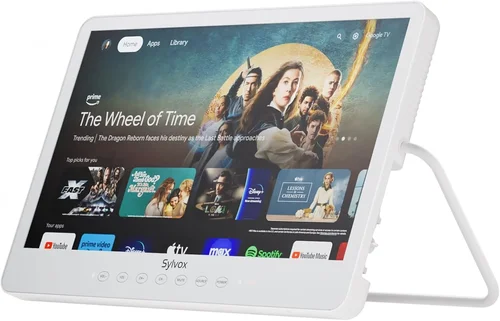
Expert Tips for Getting the Best Deal
- Buy during off-season sales: Outdoor TVs often go on sale in late fall and winter when demand drops. Look for Black Friday, Cyber Monday, and end-of-year promotions.
- Shop at specialty retailers: Stores like Crutchfield, Abt, and Best Buy carry a wide selection of outdoor TVs with expert support and installation services.
- Compare prices online: Use price comparison tools to find the best deals. Don’t forget to factor in shipping and installation costs.
- Check for bundle deals: Some retailers offer discounts when you buy a TV with a mount, soundbar, or extended warranty.
- Read return policies: Ensure the retailer allows returns in case the TV doesn’t meet your expectations. Outdoor TVs can be tricky to test before installation.
- Test brightness in person: If possible, visit a showroom to see how the TV performs under bright lighting. Online specs don’t always reflect real-world visibility.
- Consider refurbished models: Certified refurbished outdoor TVs from reputable brands can save you 20–30% with full warranty coverage.
- Negotiate with installers: If hiring a professional, ask for package discounts on TV, mount, and labor.

Frequently Asked Questions
Q: Can I use a regular TV outdoors if it’s under a covered patio?
A: Technically yes, but it’s not recommended. Even covered areas can experience humidity, temperature swings, and dust. A purpose-built outdoor TV will last significantly longer and perform better.
Q: Do outdoor TVs need special power outlets?
A: Most outdoor TVs use standard 120V outlets, but they should be GFCI-protected for safety. Avoid extension cords; run a dedicated line if needed.
Q: How long do outdoor TVs last?
A: With proper care, a quality outdoor TV can last 7–10 years or more. Regular cleaning and avoiding extreme conditions will extend its lifespan.
Q: Can I mount an outdoor TV on a brick or concrete wall?
A: Yes, but you’ll need masonry anchors and a drill designed for concrete. Consider hiring a professional for secure installation.
Q: Do outdoor TVs come with remotes?
A: Yes, most include weather-resistant remotes. Some also support smartphone apps or voice control.
Q: Can I stream content on an outdoor TV?
A: Absolutely. Most outdoor TVs run smart platforms like Android TV or webOS, giving you access to Netflix, YouTube, and more.
Q: What’s the difference between partial-shade and all-weather TVs?
A: Partial-shade models are for covered areas with minimal direct sun. All-weather TVs are fully sealed and rated for full sun and extreme weather.
Q: Do I need a surge protector?
A: Yes. Outdoor TVs are vulnerable to power surges from lightning. Use a high-quality surge protector or whole-house surge suppression.
Q: Can I use an outdoor TV in the rain?
A: Only if it’s rated for full weather exposure (IP55 or higher). Never operate a TV in heavy rain unless it’s designed for it.
Q: Are outdoor TVs energy efficient?
A: Many modern models are ENERGY STAR certified and include power-saving features like auto-brightness adjustment.
Our Final Recommendations
Best for Budget-Conscious Buyers: LG 55UN7300PUD with outdoor enclosure – A reliable 4K smart TV that, when paired with a certified outdoor case, offers solid performance at an affordable price.
Best Overall Value: SunBriteTV Veranda Series 55-inch – Excellent brightness, full weatherproofing, and smart features make this the top choice for most outdoor kitchens.
Best Premium Option: Samsung The Terrace 65-inch – Combines stunning picture quality, high brightness, and sleek design with robust outdoor durability.
Best for Beginners: Seura Outdoor TV 50-inch – Easy to install, user-friendly interface, and reliable performance in covered areas.
Best for Advanced Users: Peerless-AV Xtreme 75-inch – Commercial-grade build, 24/7 operation, and customizable mounting for large-scale installations.
Conclusion: Making the Right Choice
Choosing the best outdoor kitchen TV isn’t just about picking the shiniest screen—it’s about finding a balance between durability, performance, and value. From weather resistance and screen brightness to smart features and installation, every detail matters when you’re investing in outdoor entertainment. By prioritizing your specific needs—whether it’s full sun exposure, budget constraints, or smart home integration—you can select a TV that enhances your outdoor living experience for years to come.
Remember, the cheapest option isn’t always the best long-term investment. A well-built outdoor TV may cost more upfront, but it will save you money on replacements and repairs down the line. Take the time to research, compare models, and consult with experts if needed. Your outdoor kitchen is an extension of your home—make sure your TV reflects the same quality and care you put into every other detail.
Now that you’re equipped with expert knowledge, it’s time to take action. Measure your space, set your budget, and choose a TV that fits your lifestyle. Whether you’re watching the big game, streaming a movie, or simply enjoying the sunset, the right outdoor TV will make every moment more memorable. Happy viewing!

