
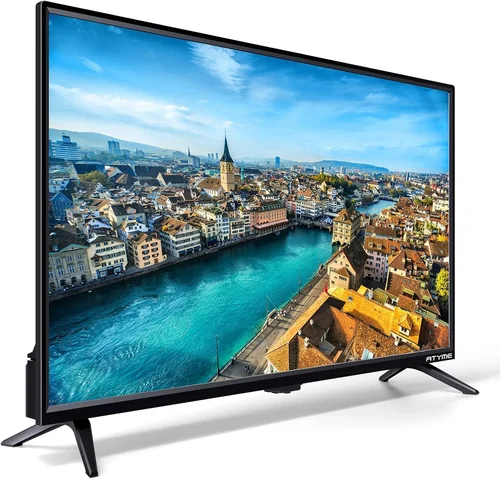
Transforming your deck into an outdoor entertainment oasis is one of the most rewarding upgrades you can make to your home. Whether you’re hosting summer barbecues, watching the big game under the stars, or enjoying a quiet movie night with family, having the right TV makes all the difference. But not every television is built to thrive in the great outdoors—exposure to sunlight, humidity, temperature swings, and dust demands specialized engineering that standard indoor TVs simply don’t offer.
That’s where this comprehensive buying guide comes in. We’ve spent countless hours researching, testing, and analyzing the latest outdoor TV models to bring you everything you need to make a smart, informed decision. From understanding key performance specs to avoiding common pitfalls, we’ll walk you through every step of the process. By the end of this guide, you’ll know exactly what to look for, how much to budget, and which models deliver the best value for your unique setup.
The market for outdoor TVs has exploded in recent years, with manufacturers now offering everything from weather-resistant displays to fully sealed, all-season entertainment systems. Options range from affordable partial-shade models to ultra-premium 4K HDR screens designed for full sun exposure. With so many choices—and so many technical considerations—it’s easy to feel overwhelmed. But don’t worry: we’ve done the heavy lifting so you don’t have to. Whether you’re a first-time buyer or upgrading from an older model, this guide will equip you with expert-level knowledge to choose the perfect deck TV for your lifestyle.

What to Look for When Buying Buying Guide
1. Weather Resistance & IP Rating
When it comes to outdoor electronics, weather resistance isn’t just a nice-to-have—it’s essential. Unlike indoor TVs, deck televisions face constant exposure to rain, snow, humidity, dust, and UV rays. That’s why the Ingress Protection (IP) rating is one of the most critical specs to check. This two-digit code tells you exactly how well a TV resists solids (like dust) and liquids (like rain).
For deck use, look for a minimum IP55 rating—this means the TV is protected against dust ingress (not fully sealed, but sufficient for most outdoor settings) and low-pressure water jets from any direction. If your deck is fully exposed or you live in a region with heavy rainfall or snow, aim for IP65 or higher. An IP65-rated TV is dust-tight and can withstand powerful water jets, making it ideal for year-round use.
Beyond the IP rating, consider the materials used in the TV’s construction. High-quality outdoor TVs often feature powder-coated aluminum chassis, stainless steel hardware, and sealed ports to prevent corrosion. Avoid plastic-heavy builds, as they can degrade quickly under UV exposure. Also, check whether the TV includes a protective cover or is designed to be mounted permanently without one.
2. Brightness & Anti-Glare Performance
One of the biggest challenges with outdoor viewing is screen glare. Sunlight reflecting off a standard LCD panel can make content nearly impossible to see, especially during midday or on bright afternoons. That’s why brightness—measured in nits—is a make-or-break spec for deck TVs.
For partial shade or covered decks, a brightness of 700–1,000 nits is usually sufficient. However, if your TV will be exposed to direct sunlight, you’ll need at least 1,500 nits, with 2,000+ nits being ideal. To put this in perspective, most indoor TVs range from 300–600 nits—far too dim for outdoor use.
Equally important is anti-glare technology. Look for TVs with matte or anti-reflective coatings that diffuse sunlight rather than reflecting it. Some premium models also use optical bonding, where the glass is fused directly to the LCD layer, reducing internal reflections and improving clarity in bright conditions. Additionally, consider the screen’s viewing angle: wider angles (178° or more) ensure everyone on the deck can enjoy a clear picture, even when seated off-center.
Finally, test the TV in real-world conditions if possible. Many retailers allow you to view demo units outdoors or in bright showrooms. Pay attention to how colors hold up in daylight and whether motion appears smooth during fast-paced scenes like sports or action movies.
3. Size & Viewing Distance
Choosing the right screen size isn’t just about aesthetics—it directly impacts your viewing experience. Too small, and details get lost; too large, and the image becomes overwhelming or pixelated from close range. The ideal size depends on your deck’s layout, seating arrangement, and typical viewing distance.
A good rule of thumb is to multiply your viewing distance (in inches) by 0.84 to get the recommended diagonal screen size. For example, if your primary seating is 10 feet (120 inches) away, a 100-inch screen (120 × 0.84 ≈ 101) would be ideal. However, outdoor environments often benefit from slightly larger screens due to ambient light and the need for greater visual impact.
Common deck TV sizes range from 43 inches (great for small patios or balconies) to 85 inches or more (perfect for large entertaining spaces). Keep in mind that larger screens require more robust mounting solutions and may need professional installation, especially if wall-mounting on exterior surfaces.
Also consider the TV’s aspect ratio and bezel design. Slim bezels create a more immersive experience and allow for easier integration into outdoor décor. Some models even come with customizable bezel colors to match your deck’s aesthetic.
4. Smart Features & Connectivity
Modern outdoor TVs aren’t just dumb screens—they’re full-fledged smart platforms that let you stream content, control smart home devices, and access apps without needing external hardware. When evaluating smart features, focus on three key areas: operating system, app support, and connectivity options.
Leading outdoor TVs typically run on Android TV, webOS (LG), or Roku TV platforms. Each has its strengths: Android TV offers the broadest app selection and Google Assistant integration, while Roku is known for its simplicity and universal search. LG’s webOS provides a sleek interface with Magic Remote support. Choose based on your existing ecosystem—if you already use Google Home or Alexa, Android TV might be the best fit.
Ensure the TV supports popular streaming services like Netflix, YouTube, Disney+, and Amazon Prime Video. Also check for built-in Wi-Fi (preferably dual-band 2.4GHz/5GHz) and Ethernet ports for wired connections, which offer more stable streaming in areas with weak wireless signals.
For connectivity, look for multiple HDMI ports (at least three), USB inputs, and audio outputs. If you plan to connect a soundbar, gaming console, or streaming stick, having enough ports prevents constant unplugging and re-plugging. Some high-end models even include weatherproof external input boxes that keep cables protected from the elements.
5. Audio Quality & Sound Solutions
p>While picture quality often takes center stage, audio is equally important for an immersive outdoor experience. Unfortunately, most outdoor TVs have limited built-in speakers due to space and weatherproofing constraints. Sound tends to be tinny, quiet, or lacking in bass—especially when competing with ambient noise like wind, traffic, or chatter.
That said, some models do offer surprisingly decent audio. Look for TVs with at least 20W of total power output and support for Dolby Audio or DTS:X. However, for the best results, we strongly recommend pairing your deck TV with an external audio system.
Options include weather-resistant soundbars, outdoor speaker kits, or wireless Bluetooth speakers. Many modern outdoor TVs support HDMI ARC (Audio Return Channel) or optical audio out, making it easy to connect external sound systems. For larger decks, consider a multi-zone audio setup with speakers placed strategically around the space.
If you’re on a tight budget, portable Bluetooth speakers can be a temporary fix—but they won’t deliver the same cinematic experience as a dedicated outdoor audio solution. Plan your audio setup early, as running wires through walls or under decks requires advance preparation.
6. Mounting & Installation Flexibility
How and where you mount your TV significantly affects both performance and longevity. Outdoor mounting presents unique challenges: you need a secure, weatherproof solution that accommodates temperature expansion, wind loads, and easy access for maintenance.
Most outdoor TVs are VESA-compatible, meaning they work with standard wall mounts, ceiling mounts, or articulating arms. However, always verify the VESA pattern (e.g., 200×200, 400×400) and weight capacity before purchasing a mount. For exposed locations, choose a mount rated for outdoor use—these are typically made from galvanized steel or aluminum with rust-resistant coatings.
Consider whether you want a fixed, tilt, or full-motion mount. Fixed mounts are simplest and most secure, while tilt mounts allow you to angle the screen downward for better viewing from seated positions. Full-motion arms offer maximum flexibility but may be less stable in windy conditions.
Professional installation is highly recommended, especially for larger screens or complex setups. Electricians or AV specialists can ensure proper grounding, cable management, and compliance with local building codes. They can also help conceal wires within conduit or behind siding for a clean, polished look.
7. Energy Efficiency & Operating Costs
Outdoor TVs often run for extended periods—during parties, game days, or evening relaxation—which can lead to higher energy bills if you’re not careful. While outdoor models aren’t typically ENERGY STAR certified (due to their specialized design), many still incorporate efficient components to minimize power consumption.
Look for TVs with LED backlighting, automatic brightness adjustment (which dims the screen in low light), and sleep timers. These features can reduce energy use by 20–40% compared to always-on, max-brightness operation. Also, consider the TV’s standby power draw—some models consume less than 0.5W when off, while others sip 2–3W continuously.
Over time, these small differences add up. If you plan to use your deck TV daily, even a modest efficiency gain can save you $20–$50 per year on electricity. Additionally, efficient TVs generate less heat, which helps prolong component life in hot climates.
8. Brand Reputation & Customer Support
Not all outdoor TV brands are created equal. Some specialize exclusively in weather-resistant displays, while others adapt indoor models with basic protective covers. Stick with reputable manufacturers known for quality, reliability, and responsive customer service.
Top-tier brands like SunBriteTV, Seura, and Samsung (with its Terrace series) have extensive experience in outdoor AV and offer comprehensive warranties, detailed installation guides, and U.S.-based support. Avoid no-name brands or generic “outdoor-ready” TVs sold on discount marketplaces—these often lack proper certification, use subpar materials, and provide little to no after-sales support.
Before buying, read verified customer reviews on trusted sites like Amazon, Best Buy, or Crutchfield. Pay attention to comments about long-term durability, ease of setup, and how the company handles repairs or replacements. A strong warranty (3–5 years is standard for premium outdoor TVs) is a good indicator of confidence in the product.
Different Types of Buying Guide

Common Buying Mistakes to Avoid
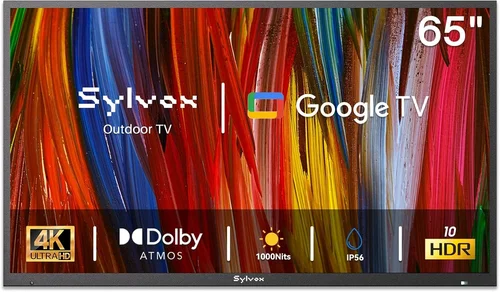
❌ Mistake: Using an Indoor TV Outdoors
Why it’s bad: Indoor TVs lack weatherproofing, have low brightness, and aren’t built to handle temperature extremes. Even under cover, moisture and dust can seep in, causing corrosion, screen fogging, or complete failure within months.
What to do instead: Invest in a purpose-built outdoor TV or use a weatherproof outdoor TV enclosure if you must repurpose an indoor model. Enclosures add cost and reduce brightness, so they’re rarely worth it long-term.
❌ Mistake: Ignoring Viewing Angle and Seating Layout
Why it’s bad: Placing the TV too high, too low, or at an awkward angle leads to neck strain and poor visibility for guests. A poorly positioned screen ruins the social experience.
What to do instead: Mount the TV so the center of the screen is at or slightly below eye level when seated. Use a tilt mount if needed, and ensure all primary seating has a clear, unobstructed view.
❌ Mistake: Overlooking Audio Needs
Why it’s bad: Relying solely on built-in speakers results in weak, distant sound that gets drowned out by outdoor noise. Guests end up straining to hear dialogue or music.
What to do instead: Plan for external audio from day one. Budget for a weather-resistant soundbar or outdoor speaker system, and run cables during installation.
❌ Mistake: Skimping on Mounting Hardware
Why it’s bad: Cheap or indoor-rated mounts can rust, loosen, or fail under wind stress, risking damage to the TV and potential injury.
What to do instead: Use only outdoor-certified mounts with corrosion-resistant finishes. Have them professionally installed, especially for screens over 55 inches.
❌ Mistake: Not Checking Local Weather Patterns
Why it’s bad: A TV rated for partial shade won’t survive in full sun, and a model without heating won’t work in freezing temps. Mismatched specs lead to premature failure.
What to do instead: Assess your deck’s exposure: Is it fully covered? Partially shaded? Fully exposed? Also consider seasonal temps—does it drop below freezing or exceed 100°F?
❌ Mistake: Forgetting About Cable Management
Why it’s bad: Exposed wires look messy, pose tripping hazards, and are vulnerable to weather damage and pests.
What to do instead: Use weatherproof conduit, in-wall cable channels, or wireless streaming devices to minimize visible wiring. Seal all entry points with silicone or grommets.
❌ Mistake: Buying Based Solely on Price
Why it’s bad: The cheapest option often cuts corners on brightness, build quality, and warranty—leading to higher long-term costs due to replacements or repairs.
What to do instead: Focus on total value: balance upfront cost with durability, features, and expected lifespan. A $3,000 TV that lasts 10 years is better than a $1,500 model that fails in 3.
Budget Guidelines: How Much Should You Spend?
Entry-Level ($800 – $1,800): Ideal for covered decks or occasional use. These partial-shade models offer 700–1,000 nits brightness, basic smart features, and IP54/IP55 ratings. Expect simpler designs and shorter warranties (1–2 years). Great for casual viewers who prioritize affordability.
Mid-Range ($1,800 – $3,500): The sweet spot for most homeowners. These TVs deliver 1,000–1,500 nits, robust weatherproofing (IP55/IP65), reliable smart platforms, and better audio. Many include heated/cooled options for moderate climates. Perfect for regular entertaining and family use.
Premium ($3,500 – $6,000): Built for full-sun exposure and year-round reliability. Features include 2,000+ nits brightness, optical bonding, advanced anti-glare, and 5-year warranties. Often from top brands like SunBriteTV or Samsung Terrace. Ideal for open decks, pool areas, or luxury homes.
Luxury ($6,000+): For enthusiasts and professionals. These all-season or commercial-grade displays offer 24/7 operation, extreme temperature tolerance (-30°F to 140°F), vandal resistance, and enterprise-level support. Common in high-end resorts, luxury residences, or public venues.
Expert Tips for Getting the Best Deal
- Shop during off-seasons: Prices drop significantly in late fall and winter when outdoor demand is low. Many retailers offer 20–30% discounts from November to February.
- Bundle with installation: Some AV specialists offer discounted rates when you purchase the TV and installation together. This saves time and ensures proper setup.
- Check manufacturer rebates: Brands like Seura and SunBriteTV occasionally run promotions with cashback or free mounting hardware.
- Consider refurbished models: Certified pre-owned outdoor TVs from authorized dealers can save 25–40% and often include the same warranty as new units.
- Negotiate with local dealers: Independent AV shops may match online prices or throw in free accessories like covers or cables.
- Read the fine print on warranties: Ensure coverage includes outdoor use, accidental damage, and labor costs. Avoid extended warranties from third-party sellers.
- Test before you commit: If possible, visit a showroom with outdoor demo units. Compare brightness, color accuracy, and ease of use in daylight conditions.
- Plan for future upgrades: Choose a TV with ample HDMI ports and smart capabilities so you can add soundbars, streaming devices, or gaming consoles later.
Frequently Asked Questions
Q: Can I use a regular TV on my deck if it’s under cover?
A: Technically yes, but it’s not recommended. Even under cover, indoor TVs aren’t designed for humidity, temperature swings, or dust. Over time, these factors cause internal corrosion, screen fogging, and component failure. A purpose-built outdoor TV will last significantly longer and perform better.
Q: Do outdoor TVs need a special power source?
A: No, most outdoor TVs use standard 120V outlets. However, ensure the circuit is GFCI-protected (required by code for outdoor electrical) and that the outlet is weatherproof. Avoid daisy-chaining power strips—use a dedicated circuit if possible.
Q: How do I clean my outdoor TV screen?
A: Use a microfiber cloth and distilled water only. Never use glass cleaners, ammonia, or abrasive materials, as they can damage anti-glare coatings. For stubborn grime, lightly dampen the cloth—never spray liquid directly on the screen.
Q: Will an outdoor TV work in winter?
A: It depends on the model. Partial-shade TVs may struggle below 32°F, while all-season models include internal heaters to keep components operational down to -30°F. Always check the operating temperature range before buying.
Q: Can I mount an outdoor TV on a brick or stucco wall?
A: Yes, but you’ll need masonry anchors and possibly a backer board for stability. Consult a professional installer to avoid cracking the surface or compromising structural integrity.
Q: Do outdoor TVs come with remotes that work in sunlight?
A: Most use standard IR remotes, which can be hard to use in bright light. Some premium models include RF remotes or smartphone apps for better reliability. Consider a remote with backlit buttons for evening use.
Q: How long do outdoor TVs typically last?
A: With proper care and installation, high-quality outdoor TVs last 7–10 years or more. Cheaper models may fail in 3–5 years due to weather damage or component wear.
Q: Can I stream 4K content outdoors?
A: Absolutely. Most modern outdoor TVs support 4K HDR streaming via Wi-Fi or Ethernet. Just ensure your internet speed is at least 25 Mbps for smooth playback.
Q: Are outdoor TVs energy hogs?
A: Not necessarily. While they’re brighter than indoor TVs, many use efficient LED backlights and auto-dimming features. Look for models with low standby power and energy-saving modes.
Q: What if my deck gets direct sun all day?
A: You’ll need a full-sun outdoor TV with at least 2,000 nits brightness, anti-reflective coating, and optical bonding. Partial-shade models will appear washed out and unusable.
Our Final Recommendations
Best for Budget-Conscious Buyers: SunBriteTV Veranda Series (55″) – Offers excellent value with 1,000 nits brightness, IP55 rating, and Android TV for under $2,000. Perfect for covered decks and casual use.
Best Overall Value: Samsung The Terrace (65″) – Combines 2,000+ nits brightness, stunning 4K HDR, and robust weatherproofing at a competitive price. Ideal for full-sun exposure and regular entertaining.
Best Premium Option: Seura Outdoor 4K Ultra Bright (75″) – Features 3,000 nits, heated/cooled internals, and a sleek design. Built for year-round luxury and extreme climates.
Best for Beginners: SunBriteTV Signature 2 (50″) – User-friendly interface, reliable performance, and comprehensive warranty. Great for first-time outdoor TV owners.
Best for Advanced Users: Peerless-AV Xtreme Outdoor Display (86″) – Commercial-grade build, 24/7 operation, and remote management. Designed for tech-savvy users who demand maximum control and durability.
Conclusion: Making the Right Choice
Choosing the best deck TV isn’t just about picking the shiniest screen or the biggest brand—it’s about matching the right technology to your specific environment, usage habits, and budget. From weather resistance and brightness to smart features and audio quality, every detail matters when you’re building an outdoor entertainment space that lasts.
Remember: your deck TV is an investment in your lifestyle. It’s the centerpiece of summer gatherings, cozy movie nights, and unforgettable moments with loved ones. Don’t rush the decision. Take time to assess your needs, compare options, and consult with experts if needed. And always prioritize quality over cost—because a TV that fails after one season isn’t a bargain; it’s a disappointment.
Use this guide as your roadmap. Whether you’re upgrading from a projector, replacing an old model, or starting from scratch, you now have the knowledge to make a confident, informed choice. So go ahead—transform your deck into the ultimate outdoor oasis. The perfect TV is out there, waiting to bring your vision to life.

