
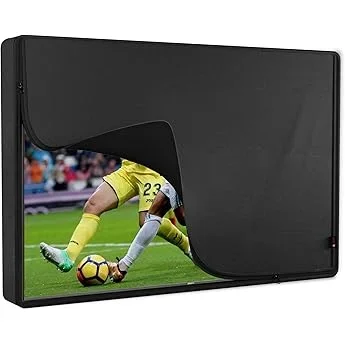
Outdoor living spaces have evolved dramatically over the past decade. What was once a simple backyard retreat with a grill and a few chairs has transformed into fully equipped entertainment zones—complete with outdoor kitchens, fire pits, sound systems, and yes, even televisions. Among these upgrades, installing a TV on your covered patio has become one of the most popular ways to extend your indoor entertainment experience outdoors. Whether you’re hosting game nights, enjoying morning coffee with the news, or watching movies under the stars, a deck TV can elevate your outdoor lifestyle.
But here’s the catch: not all TVs are built for the elements. Standard indoor televisions simply aren’t designed to withstand humidity, temperature swings, dust, or even indirect sunlight exposure. That’s why choosing the right deck TV isn’t just about picture quality or smart features—it’s about durability, performance in ambient light, and long-term reliability in a semi-outdoor environment. This guide exists to cut through the confusion and help you make a smart, informed decision. You’ll learn exactly what to look for, which specs matter most, how to avoid costly mistakes, and where to find the best value for your budget.
The market for outdoor and weather-resistant TVs has grown significantly, with brands like Samsung, LG, Sony, and specialized manufacturers like SunBriteTV and Seura leading the charge. However, options range from budget-friendly indoor TVs used in fully covered areas to premium all-weather models that can handle rain, snow, and extreme heat. With so many variables—from screen brightness and build materials to connectivity and mounting solutions—it’s easy to feel overwhelmed. By the end of this comprehensive guide, you’ll have a clear roadmap to select the perfect deck TV for your covered patio, ensuring years of reliable, high-quality viewing no matter the season.
What to Look for When Buying a Deck TV
1. Weather Resistance & IP Rating
One of the most critical factors when selecting a deck TV is its ability to resist environmental elements. Even if your patio is covered, it’s still exposed to humidity, temperature fluctuations, dust, and occasional splashes—especially if you have an outdoor kitchen or grill nearby. A standard indoor TV lacks the necessary protection and can fail prematurely when used outdoors.
Look for TVs with an official Ingress Protection (IP) rating, which indicates how well the device resists dust and moisture. For covered patios, an IP55 or higher rating is ideal. IP55 means the TV is protected against limited dust ingress and low-pressure water jets from any direction—perfect for most covered outdoor spaces. Some premium models offer IP65 or even IP66 ratings, providing even greater protection against dust and heavy rain.
Additionally, check if the TV is specifically marketed as “outdoor,” “weather-resistant,” or “all-weather.” These models typically feature sealed ports, corrosion-resistant internal components, and enhanced cooling systems to prevent overheating in direct sun or high temperatures. Avoid using indoor TVs outdoors, even under cover, as they lack thermal management and can overheat or suffer internal damage over time.
2. Screen Brightness & Anti-Glare Technology
Brightness is arguably the second-most important spec for a deck TV. Unlike indoor viewing, where lighting is controlled, outdoor environments are flooded with ambient light—even under a covered patio. Sunlight reflecting off concrete, water, or nearby surfaces can wash out the image on a standard TV, making it difficult to see details, especially during daytime viewing.
Look for a TV with a minimum brightness of 700 nits (candela per square meter). For optimal visibility in bright conditions, aim for 1,000 nits or higher. Some top-tier outdoor TVs boast brightness levels exceeding 2,500 nits, rivaling commercial displays used in stadiums and public spaces. This high luminance ensures vivid colors and sharp contrast even in direct sunlight.
Equally important is anti-glare or anti-reflective coating. Standard TVs often have glossy screens that reflect light, creating distracting glare. Outdoor-specific models use matte or low-reflectance finishes to minimize reflections. Some also incorporate optical bonding—a process where the glass is fused directly to the LCD panel—to reduce internal reflections and improve clarity in bright light.
Don’t confuse brightness with backlight zones or local dimming. While those features enhance contrast in dark rooms, they don’t help with outdoor visibility. Focus instead on peak brightness and screen coating when evaluating outdoor performance.
3. Build Quality & Durability
A deck TV isn’t just a display—it’s a long-term investment in your outdoor space. Unlike indoor TVs, which sit safely behind closed doors, outdoor models must endure temperature extremes, humidity, UV exposure, and physical wear. That’s why build quality matters more than ever.
Start with the chassis. Look for TVs with powder-coated aluminum or stainless-steel frames. These materials resist rust, corrosion, and fading, even in coastal or high-humidity climates. Avoid plastic enclosures, which can degrade over time when exposed to UV rays and temperature swings.
Internal components should also be ruggedized. High-quality outdoor TVs use conformal-coated circuit boards to protect against moisture and dust. They often include enhanced cooling systems—such as passive heat sinks or quiet fans—to prevent overheating during summer months. Some models even feature thermal sensors that adjust brightness or shut down temporarily if internal temperatures rise too high.
Consider the mounting system as well. Outdoor TVs should come with or support heavy-duty, weatherproof mounts that can withstand wind, vibration, and repeated temperature changes. Wall mounts should be rated for outdoor use and include corrosion-resistant hardware like stainless-steel bolts and anchors.
Finally, check the warranty. A robust build should be backed by a solid warranty—typically 2–3 years for outdoor models, compared to 1 year for most indoor TVs. Extended warranties or service plans can provide peace of mind, especially in harsh climates.
4. Display Technology & Picture Quality
While durability and brightness are paramount, you still want a TV that delivers excellent picture quality. The good news is that many outdoor TVs now use the same advanced display technologies found in premium indoor models—just optimized for outdoor use.
OLED TVs offer stunning contrast, deep blacks, and wide viewing angles, but they’re generally not recommended for outdoor use due to their susceptibility to burn-in and lower peak brightness compared to QLED or mini-LED alternatives. For covered patios, QLED (Quantum Dot LED) is often the best choice. It delivers vibrant colors, high brightness, and excellent color accuracy—ideal for bright environments.
Mini-LED backlighting is another strong contender. It uses thousands of tiny LEDs to provide precise local dimming, resulting in better contrast and reduced blooming. Some high-end outdoor TVs now feature mini-LED panels with over 1,000 dimming zones, rivaling top-tier indoor models.
Resolution is also important. While 4K UHD is standard across most new TVs, ensure the model supports HDR (High Dynamic Range) formats like HDR10, HLG, or Dolby Vision. HDR enhances brightness, color depth, and contrast, making content pop even in challenging lighting conditions.
Refresh rate matters too, especially for sports and action content. A 120Hz refresh rate with motion interpolation can reduce blur and deliver smoother motion. However, don’t sacrifice brightness or durability for a higher refresh rate—outdoor visibility should remain the top priority.
5. Smart Features & Connectivity
Modern deck TVs aren’t just passive displays—they’re full-fledged smart entertainment hubs. Look for models with built-in Wi-Fi, Bluetooth, and popular streaming platforms like Netflix, YouTube, Disney+, and Amazon Prime Video. This eliminates the need for external streaming devices and simplifies setup.
Operating systems vary by brand. Samsung uses Tizen, LG uses webOS, and Sony uses Google TV. All three are user-friendly and regularly updated, but Google TV offers the most seamless integration with Android devices and voice assistants like Google Assistant. If you use Apple devices, look for AirPlay 2 support for easy screen mirroring.
Connectivity is crucial for flexibility. Ensure the TV has multiple HDMI ports (preferably HDMI 2.1 for future-proofing), USB ports, and an Ethernet jack for wired internet. Some models include optical audio outputs or ARC (Audio Return Channel) for connecting soundbars or outdoor speakers.
Don’t overlook control options. Most outdoor TVs come with waterproof remote controls, but consider models with mobile app support or compatibility with universal remotes. Voice control via Alexa or Google Assistant is a nice bonus, especially when your hands are full with food or drinks.
For advanced users, look for TVs with HDMI-CEC (Consumer Electronics Control), which allows you to control connected devices (like a Blu-ray player or game console) with a single remote. This simplifies operation in an outdoor setup where multiple devices might be used.
6. Size & Viewing Distance
Choosing the right screen size is about more than just preference—it’s about optimizing your viewing experience based on distance and space. A TV that’s too small will be hard to see from a distance, while one that’s too large can overwhelm the space and strain your eyes.
As a general rule, multiply your viewing distance (in inches) by 0.84 to determine the ideal screen size. For example, if you’ll be sitting 8 feet (96 inches) away, a 80-inch TV (96 × 0.84 ≈ 80) would be ideal. However, for outdoor use, you may want to go slightly larger due to ambient light reducing perceived image size.
Common sizes for deck TVs range from 43 inches to 85 inches. Smaller screens (43–55 inches) work well for intimate seating areas or smaller patios, while larger models (65–85 inches) are better for spacious decks with multiple seating zones. Ultra-large screens (98 inches and above) are available but come at a premium and require robust mounting solutions.
Consider the TV’s bezel size as well. Slim bezels create a more immersive viewing experience and take up less wall space. Some outdoor TVs feature bezel-less designs or ultra-thin frames, making them ideal for modern outdoor aesthetics.
Finally, think about placement. Will the TV be wall-mounted, ceiling-mounted, or placed on a stand? Ensure the chosen size fits your intended location and doesn’t obstruct walkways or views. Measure twice before buying!
7. Brand Reputation & Reliability
Not all TV brands are created equal—especially when it comes to outdoor performance. While major manufacturers like Samsung, LG, and Sony offer excellent indoor TVs, their outdoor models may not always meet the same durability standards. That’s why it’s important to research brand reputation specifically for weather-resistant displays.
Specialized outdoor TV brands like SunBriteTV, Seura, and Peerless-AV have built their reputations on rugged, all-weather performance. SunBriteTV, for example, is known for its Veranda and Pro series, which are designed from the ground up for outdoor use. These models often outperform mainstream brands in terms of brightness, cooling, and longevity.
That said, some mainstream brands have entered the outdoor market with strong offerings. Samsung’s The Terrace and LG’s Outdoor TV series combine smart features with weather resistance, making them attractive for tech-savvy buyers. Sony also offers outdoor-compatible models, though they tend to be more expensive.
Read professional reviews and user feedback to gauge real-world reliability. Look for comments about longevity, customer service, and performance in extreme conditions. Brands with strong after-sales support and accessible repair services are preferable, especially for outdoor installations where servicing can be more complex.
Also consider regional availability. Some outdoor TV brands are only sold through certified dealers or specialty retailers. Ensure you can easily access installation support and warranty service in your area before making a purchase.
8. Warranty & Support
A deck TV is a significant investment, so protecting it with a solid warranty is essential. Standard indoor TVs typically come with a 1-year limited warranty, but outdoor models should offer at least 2–3 years of coverage, with some premium brands providing up to 5 years.
Check what the warranty covers. Does it include labor and parts? Is on-site service available? Are outdoor-specific issues like moisture damage or thermal failure included? Some manufacturers offer extended warranties or service plans that cover accidental damage or environmental wear.
Support is just as important as the warranty itself. Look for brands with responsive customer service, online troubleshooting guides, and local service centers. Some companies even offer installation services or certified installer networks to ensure your TV is mounted safely and correctly.
Be wary of “lifetime” warranties that come with fine print exclusions. Always read the terms carefully. A 3-year comprehensive warranty with nationwide service is often more valuable than a vague “lifetime” promise with limited coverage.
Finally, consider the availability of replacement parts. Outdoor TVs may require specialized components like weatherproof remotes or sealed connectors. Ensure these are readily available and not discontinued shortly after purchase.
Different Types of Deck TVs

Common Buying Mistakes to Avoid
❌ Mistake: Using an Indoor TV Outdoors
Why it’s bad: Indoor TVs lack weatherproofing, thermal management, and UV protection. Exposure to humidity, heat, or dust can cause internal corrosion, screen fogging, or component failure within months.
What to do instead: Always choose a TV specifically designed for outdoor or semi-outdoor use. Even in covered areas, opt for models with IP55 or higher ratings and enhanced cooling.
❌ Mistake: Ignoring Brightness Requirements
Why it’s bad: A TV with low brightness (under 500 nits) will appear washed out in daylight, making it unusable for daytime viewing—defeating the purpose of an outdoor setup.
What to do instead: Prioritize TVs with at least 700 nits, ideally 1,000+ nits. Check reviews for real-world brightness performance, not just manufacturer claims.
❌ Mistake: Overlooking Mounting & Installation
Why it’s bad: Improper mounting can lead to instability, water ingress, or even TV detachment in windy conditions. Standard indoor mounts aren’t built for outdoor stress.
What to do instead: Use weatherproof, heavy-duty outdoor mounts with corrosion-resistant hardware. Consider professional installation for large or high-mounted TVs.
❌ Mistake: Choosing the Wrong Size
Why it’s bad: A TV that’s too small is hard to see from a distance, while one that’s too large can dominate the space and cause eye strain.
What to do instead: Calculate ideal size based on viewing distance (distance in inches × 0.84). Measure your space and test with a cardboard cutout before buying.
❌ Mistake: Skimping on Warranty & Support
Why it’s bad: Outdoor TVs are more prone to environmental damage. Without a strong warranty, repair costs can be prohibitive.
What to do instead: Choose brands with at least a 2-year warranty and accessible customer support. Consider extended service plans for peace of mind.
❌ Mistake: Neglecting Audio Quality
Why it’s bad: Most outdoor TVs have weak built-in speakers due to space and weather constraints. Relying on them results in poor sound, especially in open areas.
What to do instead: Pair your TV with outdoor-rated soundbars or wireless speakers. Look for models with optical or ARC outputs for easy audio integration.
❌ Mistake: Buying Based on Price Alone
Why it’s bad: The cheapest option often lacks durability, brightness, or smart features, leading to frustration and early replacement.
What to do instead: Focus on value—balance price with key features like brightness, weather resistance, and warranty. Mid-range models often offer the best long-term value.
Budget Guidelines: How Much Should You Spend?
When it comes to deck TVs, price reflects performance, durability, and features. Here’s a breakdown of what to expect at different budget levels:
Entry-Level ($800 – $1,500): These are typically indoor TVs used in fully enclosed patios or budget-friendly semi-outdoor models. Expect 4K resolution, basic smart features, and limited brightness (500–700 nits). Build quality is adequate but not rugged. Best for low-humidity, fully covered spaces with minimal sun exposure.
Mid-Range ($1,500 – $3,500): This is the sweet spot for most buyers. These TVs offer 700–1,500 nits brightness, IP55 weather resistance, and solid smart platforms. Models from Samsung, LG, or SunBriteTV’s Veranda series fall here. Ideal for covered patios with occasional sun or humidity.
Premium ($3,500 – $6,000): Designed for serious outdoor entertainment. Features include 1,500–2,500+ nits brightness, mini-LED or QLED panels, advanced cooling, and 3–5 year warranties. SunBriteTV Pro series and Samsung The Terrace are prime examples. Suitable for large decks, high sun exposure, and frequent use.
Luxury ($6,000+): Top-tier commercial-grade displays with extreme durability, 24/7 operation capability, and ultra-high brightness (3,000+ nits). Often used in resorts, stadiums, or extreme climates. Overkill for most homes but unmatched in performance and longevity.
Expert Tips for Getting the Best Deal
- Buy During Off-Season: Prices drop in fall and winter when outdoor demand is low. Look for end-of-summer sales in August and September.
- Shop Certified Retailers: Buy from authorized dealers to ensure warranty validity and access to support. Avoid third-party sellers on marketplaces.
- Bundle with Accessories: Some retailers offer discounts when you purchase a TV with a mount, soundbar, or extended warranty.
- Check for Rebates: Utility companies or manufacturers occasionally offer rebates for energy-efficient outdoor displays.
- Negotiate Installation: Many dealers include free or discounted installation with purchase—especially for premium models.
- Read Return Policies: Ensure you can return or exchange the TV if it doesn’t meet expectations. Outdoor setups can be tricky to test beforehand.
- Consider Refurbished Models: Certified refurbished outdoor TVs from reputable brands can save 20–30% with full warranty coverage.
- Test in Person if Possible: Visit a showroom to evaluate brightness, color, and remote functionality under simulated outdoor lighting.

Frequently Asked Questions
Q: Can I use a regular TV on my covered patio?
A: Only if your patio is fully enclosed with screens or glass and never exposed to moisture, humidity, or direct sunlight. Even then, indoor TVs lack thermal management and may overheat. For any semi-outdoor space, a weather-resistant model is strongly recommended.
Q: How bright should my deck TV be?
A: Aim for at least 700 nits for shaded areas, 1,000+ nits for partial sun, and 2,000+ nits for direct sunlight. Brightness is measured in nits (cd/m²) and is more critical outdoors than contrast or color accuracy.
Q: Do outdoor TVs need special mounts?
A: Yes. Use weatherproof, heavy-duty outdoor mounts rated for your TV’s size and weight. Standard indoor mounts aren’t designed for wind, vibration, or corrosion.
Q: Can I leave my outdoor TV on all the time?
A: Most outdoor TVs are designed for intermittent use. Continuous 24/7 operation is only safe with commercial-grade models. Turn off the TV when not in use to extend lifespan.
Q: Are outdoor TVs energy efficient?
A: Modern outdoor TVs use similar power to indoor models of the same size. Look for ENERGY STAR certification to reduce electricity costs, especially for large screens.
Q: Can I connect a soundbar to an outdoor TV?
A: Yes, via HDMI ARC, optical audio, or Bluetooth. Choose an outdoor-rated soundbar or weatherproof speakers for best results.
Q: What’s the difference between IP55 and IP65?
A: IP55 protects against dust and low-pressure water jets. IP65 offers complete dust protection and resistance to water jets—better for areas with rain exposure.
Q: Do outdoor TVs come with remotes?
A: Yes, and most include waterproof or weather-resistant remotes. Some also support mobile apps or voice control.
Q: How long do outdoor TVs last?
A: With proper care, 7–10 years is typical. Premium models with robust cooling and sealed components can last even longer.
Q: Can I use streaming devices with an outdoor TV?
A: Yes, but built-in smart platforms are more convenient. If using external devices, ensure they’re protected from moisture and heat.
Our Final Recommendations
Best for Budget-Conscious Buyers: Samsung The Terrace Partial Sun – Offers excellent brightness (1,500 nits), IP55 rating, and smart features at a competitive price. Ideal for covered patios with moderate sun exposure.
Best Overall Value: SunBriteTV Veranda Series – Combines rugged build, 1,000+ nits brightness, and reliable performance. A proven choice for semi-outdoor spaces with strong warranty support.
Best Premium Option: SunBriteTV Pro Series – Built for extreme conditions with 2,500+ nits brightness, full IP66 rating, and commercial-grade durability. Perfect for large decks or high-exposure areas.
Best for Beginners: LG Outdoor TV (43-inch) – User-friendly webOS interface, good brightness, and solid build quality. Great entry point for first-time outdoor TV buyers.
Best for Advanced Users: Samsung The Terrace Full Sun – Features mini-LED backlighting, 2,500 nits brightness, and advanced cooling. Ideal for tech enthusiasts who want top-tier performance.
Conclusion: Making the Right Choice
Choosing the best deck TV for your covered patio is about balancing performance, durability, and value. It’s not just about picking the biggest or brightest screen—it’s about finding a TV that can thrive in your specific environment while delivering the entertainment experience you deserve. From weather resistance and brightness to smart features and warranty support, every detail matters when you’re investing in outdoor living.
Remember to assess your patio’s exposure level, measure your viewing distance, and prioritize features that align with your usage. Don’t cut corners on build quality or brightness, and always choose a reputable brand with strong support. Whether you’re watching the big game, streaming a movie, or catching up on the news, the right deck TV will transform your outdoor space into a true extension of your home.
Take your time, do your research, and don’t hesitate to consult with professionals. With the insights from this guide, you’re now equipped to make a confident, informed decision. Your perfect outdoor viewing experience is just a purchase away.

