
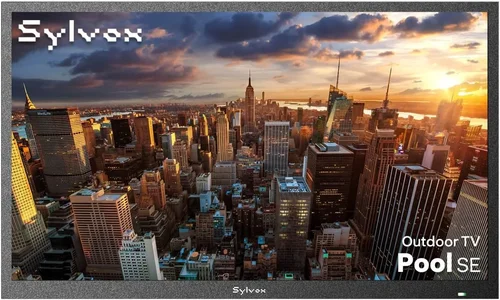
Watching your favorite sports team under the open sky, surrounded by friends and family, is one of life’s great pleasures. Whether it’s a Sunday football game, a March Madness showdown, or a World Cup final, nothing beats the energy of an outdoor viewing party. But to truly enjoy that experience, you need more than just a TV—you need the right TV. Standard indoor televisions aren’t built for the elements. They struggle with glare from sunlight, can’t handle temperature swings, and often lack the brightness needed to cut through ambient light. That’s where outdoor TVs come in.
This comprehensive buying guide is designed to help you navigate the often-confusing world of outdoor televisions. Whether you’re setting up a permanent patio entertainment zone or just want something portable for game-day gatherings, we’ll walk you through everything you need to know. From understanding key performance specs to avoiding costly mistakes, this guide arms you with expert-level knowledge so you can make a confident, informed decision. You’ll learn how to balance budget, durability, picture quality, and smart features—all while ensuring your setup lasts for years of tailgating, backyard barbecues, and championship celebrations.
The market for outdoor TVs has exploded in recent years, driven by rising demand for outdoor living spaces and smart home integration. Brands like Samsung, Sony, LG, and specialized manufacturers such as SunBriteTV and Seura now offer models specifically engineered for outdoor use. These aren’t just regular TVs shoved into weatherproof boxes—they’re purpose-built with enhanced brightness, anti-glare coatings, ruggedized components, and thermal management systems. With options ranging from affordable 43-inch models to premium 85-inch behemoths with built-in heaters and cooling fans, there’s never been a better time to invest in an outdoor display. But with so many choices, it’s easy to get overwhelmed. That’s why this guide breaks down the essentials, compares categories, and delivers actionable advice tailored to real-world use cases.

What to Look for When Buying Buying Guide
1. Brightness & Display Technology
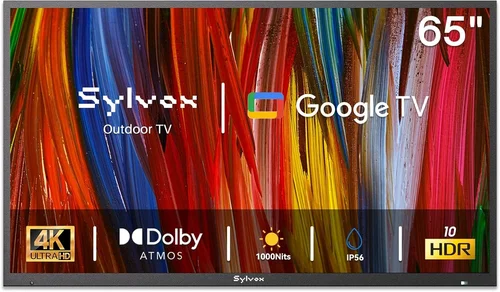
Brightness is arguably the most critical factor when choosing an outdoor TV. Indoor TVs typically range from 300 to 600 nits (a unit measuring luminance), which is fine for dimly lit living rooms but completely inadequate outdoors. Sunlight, even on overcast days, can wash out images on standard screens. For outdoor use, you’ll want a minimum of 700 nits, but ideally 1,000 nits or higher—especially if your viewing area gets direct sunlight.
Look for TVs with anti-reflective coatings and direct-lit LED backlighting (or better yet, full-array local dimming) to maintain contrast and color accuracy in bright conditions. OLED panels, while stunning indoors, often struggle with peak brightness outdoors and may not be the best choice unless you’re viewing in shaded areas only. Many outdoor-specific models use high-brightness IPS or VA panels optimized for daylight visibility. Also consider screen finish: matte finishes reduce glare better than glossy ones, though they may slightly soften image sharpness.
2. Weather Resistance & IP Rating
An outdoor TV must withstand rain, snow, dust, humidity, and temperature extremes. This is where Ingress Protection (IP) ratings become essential. The IP code consists of two numbers: the first rates protection against solids (like dust), and the second against liquids (like water). For outdoor TVs, look for at least an IP55 rating—meaning it’s protected from limited dust ingress and low-pressure water jets from any direction.
However, many premium outdoor models go further with IP65 or IP66 ratings, offering complete dust protection and resistance to powerful water jets. Some even include sealed ventilation systems to prevent moisture buildup inside the chassis. Additionally, check if the TV includes a built-in heater or cooling fan—these help regulate internal temperature in extreme climates, preventing overheating in summer or freezing in winter. Always verify whether the model is rated for full sun, partial shade, or full shade installation, as this affects both performance and longevity.
3. Size & Viewing Distance
Choosing the right screen size isn’t just about aesthetics—it directly impacts your viewing experience. A TV that’s too small will force you to squint during fast-paced sports action, while one that’s too large can overwhelm your space and distort perspective. As a general rule, your viewing distance should be about 1.5 to 2.5 times the diagonal screen size. For example, a 65-inch TV is ideal for seating 8 to 14 feet away.
Consider your outdoor layout: Will viewers be spread across a large patio? Are there multiple seating zones? If so, a larger screen (75 inches or more) ensures everyone gets a clear view. But remember, bigger isn’t always better—especially if your space is partially shaded or has reflective surfaces nearby. Also factor in mounting options: wall mounts, ceiling mounts, or freestanding cabinets all influence optimal placement and size selection.
4. Smart Features & Connectivity
Modern outdoor TVs aren’t just dumb screens—they’re full-fledged smart platforms. Look for models running established operating systems like webOS (LG), Tizen (Samsung), or Android TV, which offer access to streaming apps like Netflix, YouTube, ESPN+, and Hulu. This eliminates the need for external streaming devices and simplifies control via voice assistants (Google Assistant, Alexa, or Siri).
Connectivity is equally important. Ensure the TV has multiple HDMI 2.0 or 2.1 ports (for gaming consoles, soundbars, or cable boxes), USB inputs, and Wi-Fi 5 or 6 support. Some models include built-in Bluetooth for wireless audio. If you plan to connect a surround sound system or outdoor speakers, confirm the TV has optical audio output or ARC/eARC support. Also check for future-proofing: HDMI 2.1 enables 4K/120Hz gaming, which matters if you’re pairing your TV with a next-gen console.
5. Build Quality & Durability
Outdoor environments are unforgiving. Your TV will face UV exposure, salt air (if near the coast), pollen, insects, and physical impacts from wind-blown debris. That’s why build quality matters more than ever. Look for TVs with powder-coated aluminum chassis, rust-resistant screws, and tempered glass screens. Avoid plastic-heavy designs—they degrade faster under UV light and can become brittle over time.
Pay attention to internal component protection too. High-end models often use conformal coating on circuit boards to shield against moisture and corrosion. Check user reviews for reports of long-term reliability—some brands offer 3–5 year warranties specifically for outdoor use, which is a strong indicator of confidence in durability. Also consider whether the TV comes with a protective cover or if you’ll need to purchase one separately.
6. Audio Performance
Most outdoor TVs have slim profiles, which limits speaker size and power. As a result, built-in audio is often weak—especially in open spaces where sound dissipates quickly. While you can always add external speakers, it’s worth checking the TV’s native audio specs. Look for at least 10W per channel, and preferably models with dedicated woofers or bass enhancement technology.
If you’re planning a serious audio setup, prioritize TVs with robust audio outputs (optical, HDMI ARC, or analog RCA). Many outdoor enthusiasts pair their TVs with weather-resistant soundbars or wireless outdoor speaker systems. Keep in mind that audio sync can be tricky with wireless setups, so test latency if possible. Some premium models even include built-in subwoofers or support for multi-room audio ecosystems.
7. Installation & Mounting Flexibility
How and where you install your TV dramatically affects both performance and safety. Outdoor TVs require specialized mounting solutions that account for wind load, weight distribution, and cable management. Most manufacturers offer compatible weatherproof tilt or full-motion mounts, but third-party options exist too—just ensure they’re rated for outdoor use and the TV’s VESA pattern.
Consider whether you want a fixed wall mount (great for permanent setups) or a motorized lift system (ideal for hiding the TV when not in use). Ceiling mounts work well under pergolas or covered patios. Always consult local building codes and hire a professional installer if drilling into masonry or dealing with electrical wiring. Improper installation can void warranties or create safety hazards.
8. Brand Reputation & Warranty
Not all outdoor TV brands are created equal. Established names like SunBriteTV, Seura, and Samsung have years of experience designing for harsh environments, while generic “outdoor-ready” TVs from lesser-known brands may cut corners on materials or testing. Research brand history, customer service responsiveness, and availability of replacement parts.
Warranty terms are especially telling. A standard 1-year warranty is insufficient for outdoor gear. Look for at least a 3-year limited warranty that covers both parts and labor, with explicit coverage for outdoor use. Some brands even offer extended service plans or on-site repair options. Read the fine print: does the warranty require professional installation? Are consumables like filters or seals covered? These details can save you hundreds down the line.
Different Types of Buying Guide

Common Buying Mistakes to Avoid
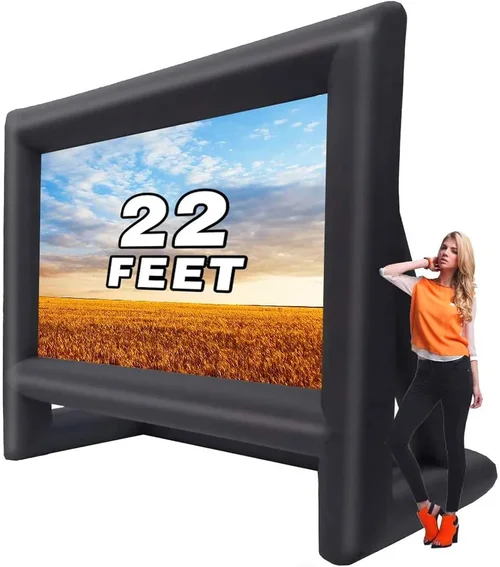
❌ Mistake: Buying a Standard Indoor TV for Outdoor Use
Why it’s bad: Indoor TVs lack the brightness, weather sealing, and thermal management needed for outdoor environments. They’ll suffer from glare, overheating, moisture damage, and premature failure—often within months.
What to do instead: Invest in a purpose-built outdoor TV or use a certified weatherproof enclosure. Even if you’re on a tight budget, a partial-shade model or portable display will outperform and outlast a modified indoor unit.
❌ Mistake: Ignoring Viewing Angle and Glare
Why it’s bad: Sports watching involves dynamic movement and wide seating arrangements. A TV with poor off-axis viewing will look washed out or distorted for side viewers, ruining the shared experience.
What to do instead: Choose a TV with wide viewing angles (IPS panels typically offer 178°). Position the screen perpendicular to the primary seating area and use anti-glare screens or strategic shading (e.g., retractable awnings) to minimize reflections.
❌ Mistake: Overlooking Audio Needs
Why it’s bad: Weak built-in speakers can’t compete with outdoor ambient noise—wind, traffic, chatter—making commentary inaudible during crucial moments.
What to do instead: Plan your audio setup from day one. Pair your TV with weather-resistant outdoor speakers or a soundbar. Test audio sync and volume levels before game day.
❌ Mistake: Skimping on Installation
Why it’s bad: Improper mounting can lead to instability, water intrusion, or electrical hazards. DIY jobs without proper sealing often void warranties.
What to do instead: Hire a certified installer familiar with outdoor AV systems. Use manufacturer-recommended mounts and ensure all cables are routed through waterproof conduits.
❌ Mistake: Not Considering Future-Proofing
Why it’s bad: Technology evolves quickly. A TV without modern ports or smart features may become obsolete within 2–3 years, requiring costly upgrades.
What to do instead: Opt for HDMI 2.1, Wi-Fi 6, and a robust OS with regular updates. Choose a brand known for long-term software support.
❌ Mistake: Neglecting Maintenance
Why it’s bad: Dust, pollen, and bird droppings can accumulate on screens and vents, reducing brightness and blocking airflow. Over time, this degrades performance and shortens lifespan.
What to do instead: Clean the screen monthly with a microfiber cloth and mild cleaner. Inspect seals and vents quarterly. Use a protective cover when the TV is unused for extended periods.
Budget Guidelines: How Much Should You Spend?
- Entry-Level ($800 – $1,500): Ideal for shaded patios or occasional use. Expect 43–55-inch screens with 700–1,000 nits brightness, basic smart features, and IP55 rating. Great for casual viewers who prioritize affordability over extreme durability.
- Mid-Range ($1,500 – $3,500): The sweet spot for most homeowners. These 55–75-inch models offer 1,000+ nits, full smart platforms, better audio, and enhanced weather resistance (IP65). Perfect for regular sports nights under pergolas or covered decks.
- Premium ($3,500 – $6,000): For enthusiasts who want top-tier performance in any condition. Features include 85-inch screens, 1,500+ nits, heated/cooled internals, premium audio, and commercial-grade build quality. Ideal for full-sun installations or luxury outdoor kitchens.
- Luxury ($6,000+): Reserved for large venues or discerning buyers seeking the ultimate experience. Think 85–98-inch displays with 2,000+ nits, modular designs, integrated lighting, and bespoke mounting solutions. Often used in high-end resorts or private estates.
Expert Tips for Getting the Best Deal
- Shop during off-seasons: Prices drop significantly in late winter (February–March) and early fall (September–October) as retailers clear inventory before new models arrive.
- Compare bundled packages: Some brands offer TV + mount + speaker combos at discounted rates. SunBriteTV and Seura frequently run promotions around major sporting events.
- Check certified refurbished units: Reputable sellers like Best Buy Outlet or manufacturer-certified refurb programs offer near-new TVs at 20–40% off with full warranties.
- Negotiate installation: Many retailers include free or discounted professional installation with purchase—especially during holiday sales.
- Read return policies carefully: Outdoor TVs often have stricter return windows (14–30 days vs. 60+ for indoor models). Ensure you can test the unit in your actual environment before committing.
- Join loyalty programs: Brands like Samsung and LG offer member-exclusive discounts, early access to sales, and extended warranty options.
- Consider financing: Major retailers (Costco, Crutchfield) offer 0% APR financing for 12–24 months on outdoor TV purchases—great for spreading out costs without interest.

Frequently Asked Questions
Q: Can I use a regular TV outside if I cover it?
A: Technically yes, but it’s not recommended. Even with a cover, indoor TVs lack the brightness, thermal regulation, and internal sealing needed for reliable outdoor performance. Moisture can still seep in, and overheating is common. For anything beyond occasional, fully shaded use, invest in an outdoor-specific model.
Q: Do outdoor TVs need to be plugged into a GFCI outlet?
A: Absolutely. Outdoor electrical circuits must be protected by a Ground Fault Circuit Interrupter (GFCI) outlet to prevent shock hazards, especially in wet conditions. This is a safety requirement in most jurisdictions.
Q: How do I clean my outdoor TV screen?
A: Use a soft, lint-free microfiber cloth slightly dampened with distilled water or a screen-safe cleaner (never ammonia or alcohol-based products). Gently wipe in circular motions. Avoid spraying liquid directly on the screen.
Q: Will an outdoor TV work in freezing temperatures?
A: It depends on the model. Many premium outdoor TVs include built-in heaters that activate below 40°F (4°C), allowing operation down to -20°F (-29°C). Check the manufacturer’s operating temperature range before purchasing.
Q: Can I mount an outdoor TV on a brick wall?
A: Yes, but you’ll need masonry anchors and a drill rated for concrete/brick. Always consult a professional installer to ensure the wall can support the weight and that mounting doesn’t compromise structural integrity.
Q: Do outdoor TVs consume more power?
A: Generally, yes—due to higher brightness and internal climate control systems. However, modern LED models are still energy-efficient. Look for ENERGY STAR certification to minimize electricity costs.
Q: What’s the difference between “partial shade” and “full sun” ratings?
A: Partial-shade TVs are designed for covered areas (e.g., under a roof or pergola) and typically offer 700–1,200 nits. Full-sun models handle direct sunlight with 1,500+ nits, advanced cooling, and superior anti-glare tech.
Q: Can I stream live sports on an outdoor TV?
A: Yes! Most outdoor TVs run full smart platforms with access to ESPN+, YouTube TV, Hulu + Live TV, and other streaming services. Just ensure strong Wi-Fi coverage in your outdoor area—consider a mesh network extender if needed.
Q: How long do outdoor TVs last?
A: With proper care, a quality outdoor TV can last 7–10 years or more. Cheaper models or those used in harsh climates may need replacement sooner. Regular maintenance significantly extends lifespan.
Our Final Recommendations
- Best for Budget-Conscious Buyers: SunBriteTV Veranda Series (55″) – Offers excellent brightness (1,000 nits), IP55 rating, and webOS smart platform at a sub-$2,000 price point. Perfect for covered patios.
- Best Overall Value: Seura Shadow 4K (65″) – Combines 1,200 nits brightness, IP65 sealing, built-in heater, and premium audio in a sleek design. Ideal for partial-shade to full-sun setups.
- Best Premium Option: Samsung The Terrace (75″) – A true all-weather beast with 2,000 nits, Quantum Dot color, anti-reflective coating, and seamless integration with Samsung’s ecosystem. Built for luxury outdoor living.
- Best for Beginners: LG Outdoor Smart TV (50″) – User-friendly webOS interface, solid 900 nits brightness, and reliable performance in shaded areas. Great entry point with room to grow.
- Best for Advanced Users: Peerless-AV Xtreme High Brightness Display (86″) – Commercial-grade durability, 3,000 nits, modular design, and 24/7 operation capability. For those who demand uncompromising performance.
Conclusion: Making the Right Choice
Choosing the best backyard TV for outdoor sports watching isn’t just about picking the biggest or brightest screen—it’s about matching your specific environment, usage patterns, and budget to a purpose-built solution. From understanding the critical role of brightness and weather resistance to avoiding common pitfalls like poor audio or DIY installation, every decision shapes your long-term enjoyment. Remember: an outdoor TV is an investment in experiences—the roar of the crowd, the thrill of overtime, the camaraderie of shared moments under the stars.
Prioritize your needs honestly. If you live in a sunny climate with frequent gatherings, lean toward a full-sun, high-brightness model with robust audio. If you’re on a tighter budget or have a covered space, a partial-shade TV with smart features may suffice. And always factor in installation, maintenance, and future upgrades. By following the guidance in this expert buying guide, you’ll avoid costly mistakes and select a TV that delivers crystal-clear action, year after year.
Now it’s your turn. Assess your space, set your budget, and choose wisely. Your perfect outdoor viewing setup is within reach—and the next big game awaits.

