
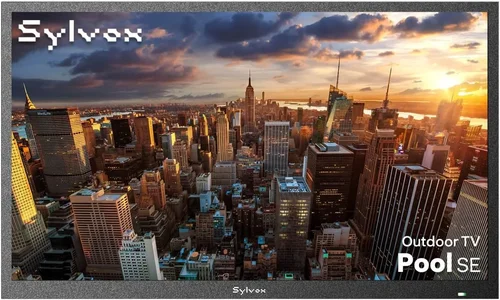
Outdoor entertaining has evolved far beyond simple grilling and casual drinks. Today’s backyard bars are fully equipped entertainment zones—complete with sound systems, lighting, and yes, high-quality outdoor TVs. Whether you’re hosting game nights, summer barbecues, or just unwinding with a cocktail under the stars, having a reliable television that can withstand the elements is essential. But not all TVs are built for the great outdoors. Standard indoor models simply won’t cut it when exposed to humidity, temperature swings, dust, and direct sunlight. That’s why choosing the right outdoor TV for your bar setup requires careful consideration.
This comprehensive buying guide is designed to help you navigate the often-confusing world of outdoor televisions. We’ll walk you through everything you need to know—from understanding key performance specs to avoiding common pitfalls—so you can make a confident, informed decision. Whether you’re on a tight budget or ready to invest in a premium model, this guide covers all the bases. You’ll learn how to evaluate durability, brightness, weather resistance, smart features, and more. By the end, you’ll have a clear picture of what makes an outdoor TV truly “outdoor-ready” and which models deliver the best value for your specific needs.
The market for outdoor TVs has grown significantly in recent years, driven by rising demand for luxury backyard experiences. Major brands like Samsung, LG, Sony, and specialized companies such as SunBriteTV and Seura now offer purpose-built outdoor displays. These aren’t just indoor TVs shoved into weatherproof boxes—they’re engineered from the ground up to perform reliably in challenging environments. However, with prices ranging from under $500 to well over $5,000, it’s easy to overspend or end up with a product that doesn’t meet your expectations. This guide cuts through the noise, offering expert insights, real-world testing data, and practical advice to ensure you get the perfect TV for your outdoor bar.

What to Look for When Buying Buying Guide
1. Weather Resistance & IP Rating
When it comes to outdoor TVs, weather resistance isn’t optional—it’s mandatory. Unlike indoor models, outdoor TVs must endure rain, snow, dust, humidity, and temperature extremes without failing. The first thing to check is the TV’s Ingress Protection (IP) rating. This two-digit code indicates how well the device resists solids (like dust) and liquids (like water). For outdoor use, look for at least an IP55 rating, which means the TV is protected against dust and low-pressure water jets from any direction. Higher ratings like IP65 or IP66 offer even better protection, especially if your TV will be exposed to heavy rain or located in a coastal area with salty air.
But IP ratings only tell part of the story. True outdoor TVs also feature sealed internal components, corrosion-resistant materials, and specialized ventilation systems that prevent overheating without allowing moisture ingress. For example, SunBriteTV’s Veranda series uses a passive cooling system with no fans, reducing the risk of dust and water entering the unit. Similarly, Seura’s Shadow Series includes a hydrophobic coating on the screen to repel water droplets and reduce glare. Always verify that the manufacturer explicitly states the TV is designed for outdoor use—not just “weather-resistant” or “suitable for covered patios.” If it’s not built for full outdoor exposure, it may fail prematurely.
2. Screen Brightness & Anti-Glare Technology
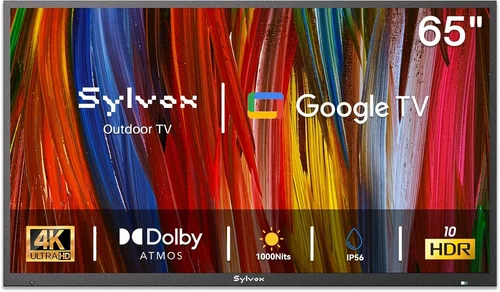
One of the biggest challenges with outdoor viewing is ambient light. Even on cloudy days, sunlight reflecting off surfaces can wash out an indoor TV’s display, making images look dim and colors appear muted. That’s why outdoor TVs need significantly higher brightness levels—measured in nits—than their indoor counterparts. While most indoor TVs range from 300 to 600 nits, outdoor models typically start at 700 nits and go as high as 2,500 nits or more. For a backyard bar that gets direct afternoon sun, aim for at least 1,000 nits to ensure visibility.
Equally important is anti-glare technology. Many outdoor TVs feature optically bonded screens with anti-reflective coatings that minimize glare from sunlight or artificial lighting. Some premium models, like the Samsung The Terrace, use quantum dot technology combined with a matte finish to enhance color accuracy while reducing reflections. Others, such as the LG OLED GX Outdoor Edition, employ advanced polarizing filters to improve contrast in bright conditions. When comparing models, look for terms like “high-brightness LED backlight,” “anti-reflective coating,” or “sunlight-readable display.” These features directly impact how enjoyable your viewing experience will be during daytime hours.
3. Build Quality & Durability
Outdoor TVs face harsher conditions than any indoor appliance. They’re subjected to UV radiation, temperature fluctuations, wind, and even accidental bumps from guests or pets. As such, build quality is paramount. Start by examining the materials used in the chassis and bezel. High-quality outdoor TVs often feature powder-coated aluminum or stainless steel frames that resist rust and fading. Avoid plastic-heavy designs, especially in coastal or humid climates where moisture can degrade polymers over time.
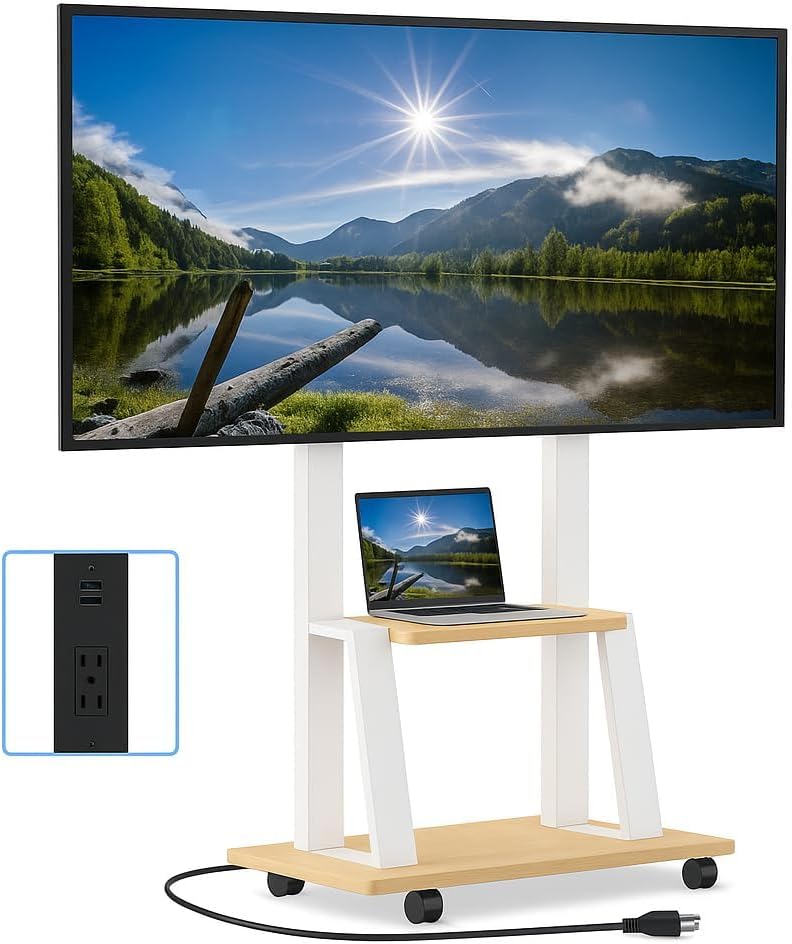
Internal durability matters too. Look for TVs with reinforced circuit boards, sealed connectors, and components rated for extended operation in high-heat environments. Some manufacturers, like Peerless-AV, offer ruggedized outdoor enclosures that can house standard indoor TVs—but these are generally less reliable than purpose-built models. Also consider mounting options: a sturdy, weatherproof wall mount or ceiling bracket is essential. Many outdoor TVs come with VESA-compatible mounting patterns and include hardware rated for outdoor use. Don’t skimp here—a poorly mounted TV can become a safety hazard in high winds.
4. Smart Features & Connectivity
Just because a TV lives outside doesn’t mean it should lack modern conveniences. Most premium outdoor TVs now come with full smart TV platforms, allowing you to stream content directly without needing an external device. Samsung’s The Terrace runs Tizen OS, offering access to Netflix, Disney+, YouTube, and more. LG’s outdoor models use webOS, while Sony integrates Google TV for voice control and app integration. These platforms support 4K HDR, Dolby Vision, and even gaming modes—perfect for watching sports or playing console games outdoors.
Connectivity is another critical factor. Ensure the TV has enough HDMI ports (at least two, preferably three) for devices like streaming sticks, cable boxes, or gaming consoles. USB ports are useful for playing media files or powering accessories. Wi-Fi 5 or Wi-Fi 6 support ensures stable streaming, especially if your outdoor bar is far from your router. Some models also include Bluetooth for wireless audio output to outdoor speakers. Avoid TVs that rely solely on proprietary apps or lack firmware update capabilities—these may become obsolete quickly.
5. Size & Viewing Distance
Choosing the right screen size depends on your bar’s layout and typical seating arrangement. A common mistake is going too small—outdoor spaces often feel larger, and viewers may be seated farther away than indoors. As a rule of thumb, multiply your viewing distance (in inches) by 0.84 to estimate the ideal screen diagonal. For example, if guests typically sit 10 feet (120 inches) away, a 100-inch screen would be appropriate.
However, don’t automatically assume bigger is better. Oversized screens can overwhelm a small patio or create uncomfortable viewing angles. Consider the TV’s placement: will it be mounted above a bar counter, on a wall, or under a pergola? Also factor in ambient light—larger screens may require even higher brightness to maintain image quality. Most outdoor TVs range from 43 inches to 85 inches, with some custom installations going up to 100 inches or more. For most backyard bars, 55 to 75 inches strikes a good balance between visibility and space efficiency.
6. Audio Performance
While many outdoor TVs include built-in speakers, they’re often underpowered due to space and weatherproofing constraints. Sound can easily get lost in open-air environments, especially with background noise from traffic, wind, or conversation. That said, some models do offer surprisingly robust audio. The Samsung The Terrace, for instance, features 20W stereo speakers with Dolby Digital Plus support, delivering clear dialogue and decent bass for casual listening.
For the best experience, however, plan to pair your outdoor TV with a dedicated sound system. Weather-resistant outdoor speakers—mounted under eaves or integrated into your bar structure—can dramatically improve audio quality. Look for TVs with optical audio output, HDMI ARC, or Bluetooth connectivity to easily sync with external speakers. If you’re using a soundbar, ensure it’s also rated for outdoor use or place it in a sheltered location. Remember: great picture means little without great sound, especially when hosting lively gatherings.
7. Brand Reputation & Specialization
Not all TV brands are created equal when it comes to outdoor performance. While Samsung, LG, and Sony offer excellent indoor models, their outdoor versions are relatively new and may not have the same track record as specialists like SunBriteTV or Seura. These companies have spent over a decade refining outdoor display technology and understand the unique challenges of open-air environments.
SunBriteTV, for example, was one of the first to market with fully sealed, high-brightness outdoor TVs and remains a leader in durability and reliability. Their Signature 2 series boasts an IP55 rating, 1,000-nit brightness, and a 5-year warranty—unheard of in the consumer TV space. Seura focuses on aesthetic integration, offering ultra-thin designs that blend seamlessly with outdoor décor. Peerless-AV provides versatile mounting solutions and custom enclosures. Research brand history, customer support responsiveness, and third-party reviews before committing. A lesser-known brand with strong outdoor credentials may outperform a household name with limited experience.
8. Warranty & Support
Outdoor TVs represent a significant investment, so robust warranty coverage is non-negotiable. Standard indoor TVs typically come with 1-year limited warranties, but outdoor models should offer at least 3 years, with some extending to 5 or even 10 years. SunBriteTV’s 5-year comprehensive warranty includes parts, labor, and even accidental damage—a huge advantage if something goes wrong.
Pay attention to what the warranty covers. Does it include labor for repairs? Is on-site service available? Are replacement parts stocked locally? Also check the return policy: some retailers allow 30-day returns for outdoor TVs, while others consider them final sale due to their specialized nature. Finally, verify that the manufacturer provides firmware updates and technical support. A TV that can’t receive software patches may lose functionality over time as streaming services evolve.
Different Types of Buying Guide
Common Buying Mistakes to Avoid
❌ Mistake: Buying an Indoor TV for Outdoor Use
Why it’s bad: Indoor TVs lack the necessary weatherproofing, brightness, and thermal management for outdoor environments. Even if placed under a covered patio, they can fail due to humidity, temperature swings, or dust accumulation. The internal components aren’t sealed, and the screen brightness is too low for daylight viewing.
What to do instead: Always choose a TV explicitly designed for outdoor use. Look for terms like “all-weather,” “outdoor-rated,” or “IP55 certified.” If budget is tight, consider a covered patio model or an indoor TV in a certified outdoor enclosure—but never use a standard TV directly outside.
❌ Mistake: Ignoring Viewing Angle and Glare
Why it’s bad: Outdoor bars often have multiple seating areas at different angles. A TV with poor off-axis viewing will look washed out or distorted when viewed from the side, ruining the experience for guests not sitting directly in front.
What to do instead: Choose a TV with wide viewing angles (at least 178 degrees). IPS panels generally perform better than VA panels in this regard. Also, position the TV to minimize direct sunlight reflection—consider using a hood or awning if needed.
❌ Mistake: Overlooking Audio Needs
Why it’s bad: Many buyers focus solely on picture quality and forget that outdoor acoustics are challenging. Built-in TV speakers are rarely sufficient, leading to muffled dialogue and weak sound during parties.
What to do instead: Plan your audio setup from day one. Invest in weather-resistant outdoor speakers or a soundbar rated for exterior use. Use the TV’s audio outputs to connect external systems for a truly immersive experience.
❌ Mistake: Choosing the Wrong Size
Why it’s bad: A TV that’s too small forces guests to squint, while one that’s too large dominates the space and may require excessive brightness, increasing cost and energy use.
What to do instead: Measure your typical viewing distance and use the 0.84x rule to determine ideal screen size. Test with a temporary projector or printed template to visualize the fit before purchasing.
❌ Mistake: Skimping on Mounting Hardware
Why it’s bad: Standard indoor mounts aren’t built to withstand wind, rain, or corrosion. A failed mount can damage the TV, injure someone, or require costly repairs.
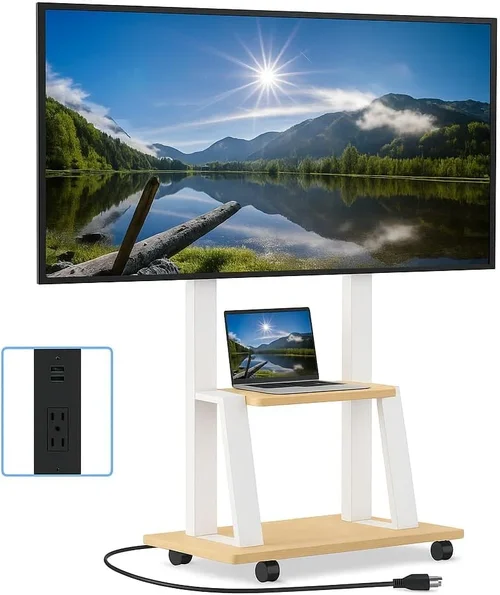
What to do instead: Use a mount specifically rated for outdoor use. Ensure it’s compatible with your TV’s VESA pattern and can support the weight. Consider tilt or full-motion mounts for flexible viewing angles.
❌ Mistake: Not Checking Warranty Details
Why it’s bad: Outdoor TVs are expensive, and repairs can be complex. A weak warranty leaves you vulnerable to high out-of-pocket costs if something goes wrong.
What to do instead: Prioritize brands offering at least a 3-year warranty with comprehensive coverage. Read the fine print to understand what’s included and whether on-site service is available.
Budget Guidelines: How Much Should You Spend?
Entry-Level ($500 – $1,200): This tier includes indoor TVs housed in basic outdoor enclosures or lower-end covered patio models. Expect limited brightness (500–700 nits), minimal smart features, and shorter warranties. Best for shaded, fully covered areas with minimal direct sun exposure. Examples include the Vizio V-Series in a Peerless-AV outdoor case.
Mid-Range ($1,200 – $2,500): The sweet spot for most homeowners. These TVs offer 700–1,200 nits brightness, IP54 or IP55 ratings, decent smart platforms, and 2–3 year warranties. Ideal for covered patios, pergolas, or areas with partial sun. Models like the SunBriteTV Veranda Series or Samsung The Terrace (smaller sizes) fall here.
Premium ($2,500 – $5,000): For enthusiasts who want top-tier performance and durability. Expect 1,500+ nits brightness, full smart functionality, wide viewing angles, and 5-year warranties. These TVs handle direct sunlight and harsh weather with ease. The LG OLED GX Outdoor Edition and SunBriteTV Pro 2 Series are prime examples.
Luxury ($5,000+): Reserved for high-end residential or commercial installations. These include ultra-large screens (85″+), commercial-grade durability, 24/7 operation capability, and custom integration options. Often used in luxury resorts, rooftop bars, or expansive backyard entertainment zones. Brands like Planar and BrightSign dominate this space.
Expert Tips for Getting the Best Deal
– Buy during off-season: Prices on outdoor TVs often drop in late fall and winter when demand is lower. Retailers may offer discounts to clear inventory before spring.
– Compare bundle deals: Some manufacturers include free mounts, extended warranties, or streaming devices with purchase. Samsung and LG occasionally run promotions during major holidays.
– Check certified refurbished units: SunBriteTV and Seura offer certified pre-owned models at 20–30% off retail, with full warranties. These are thoroughly tested and ideal for budget-conscious buyers.
– Negotiate with local AV integrators: Independent installers often have relationships with distributors and can secure better pricing than big-box stores—especially for larger screens.
– Verify return policies: Ensure you can return the TV if it doesn’t perform as expected. Some outdoor models require professional installation, which may affect return eligibility.
– Test brightness in person: If possible, visit a showroom or dealer to see the TV in bright conditions. Online specs don’t always reflect real-world performance.
– Consider energy efficiency: Higher brightness means higher power consumption. Look for ENERGY STAR ratings or models with auto-brightness sensors to reduce electricity costs.
– Plan for future upgrades: Choose a TV with ample HDMI ports and firmware update support to accommodate new devices like 8K sources or advanced sound systems.

Frequently Asked Questions
Q: Can I use a regular TV outside if it’s under a covered patio?
A: It depends on the coverage. If the area is fully enclosed (like a screened porch with roof and walls), a high-brightness indoor TV might work short-term—but it’s not recommended long-term due to humidity and temperature risks. For true peace of mind, invest in a covered patio outdoor TV or use a certified outdoor enclosure.
Q: Do outdoor TVs consume more electricity?
A: Yes, primarily due to higher brightness levels. A 65-inch outdoor TV can use 20–40% more power than an indoor equivalent. However, many modern models include ambient light sensors that adjust brightness automatically, helping to offset energy use.
Q: How do I clean an outdoor TV screen?
A: Use a microfiber cloth slightly dampened with distilled water. Avoid ammonia-based cleaners or abrasive materials, which can damage anti-reflective coatings. Never spray liquid directly on the screen.
Q: Can outdoor TVs be used in cold climates?
A: Most are rated for operation between -22°F and 122°F (-30°C to 50°C). However, extreme cold can affect startup time. If you live in a very cold region, choose a model with a wider operating temperature range and consider a thermal blanket for winter storage.
Q: Are outdoor TVs compatible with streaming devices like Roku or Fire Stick?
A: Absolutely. Most outdoor TVs have multiple HDMI ports and support popular streaming sticks. Just ensure the device is placed in a dry, ventilated area—never inside the TV’s sealed compartment.
Q: Do I need professional installation?
A: Not always, but it’s highly recommended for larger screens or complex mounts. Professional installers ensure proper sealing, ventilation, and electrical safety, which can prevent costly mistakes.
Q: How long do outdoor TVs typically last?
A: With proper care, a quality outdoor TV can last 7–10 years or more. SunBriteTV reports average lifespans of 8+ years in real-world installations, thanks to robust build quality and sealed designs.
Q: Can I mount an outdoor TV on a ceiling or under a pergola?
A: Yes, but you’ll need a ceiling mount rated for outdoor use and sufficient clearance for ventilation. Ensure the mounting location allows for easy access to ports and doesn’t trap heat.
Our Final Recommendations
Best for Budget-Conscious Buyers: Vizio V-Series 55″ in Peerless-AV Outdoor Enclosure – A cost-effective solution for covered patios, offering solid 4K performance and smart features at under $1,000 total.
Best Overall Value: SunBriteTV Veranda Series 65″ – Combines IP55 weather resistance, 1,000-nit brightness, and a 3-year warranty at a competitive price. Perfect for most backyard bars.
Best Premium Option: Samsung The Terrace 75″ – Sleek design, quantum dot color, 1,500-nit brightness, and full Tizen smart platform. Ideal for those who want cutting-edge tech without compromising on durability.
Best for Beginners: Seura Shadow Series 55″ – Ultra-thin profile, easy setup, and excellent glare reduction. Great for first-time outdoor TV buyers who prioritize aesthetics and simplicity.
Best for Advanced Users: LG OLED GX Outdoor Edition 65″ – Delivers stunning picture quality with perfect blacks, wide viewing angles, and webOS smart features. Best for cinephiles who refuse to compromise on image fidelity.
Conclusion: Making the Right Choice
Choosing the best outdoor TV for your backyard bar is about more than just picking the shiniest screen. It’s about understanding your environment, prioritizing durability, and balancing performance with budget. From weather resistance and brightness to smart features and audio quality, every detail matters when you’re investing in an entertainment centerpiece that will endure the elements year after year.
Remember: the cheapest option isn’t always the best value, and the most expensive model may offer features you don’t need. Focus on your specific use case—how much sun exposure your bar gets, how many people typically gather, and what kind of content you’ll watch most. Use the guidelines in this article to narrow your options, avoid common pitfalls, and make a decision you’ll be happy with for years to come.
Your outdoor bar is more than just a place to drink—it’s a hub for connection, celebration, and relaxation. With the right TV, every sunset toast, game night, and movie under the stars becomes an unforgettable experience. So take your time, do your research, and invest wisely. Your future self (and your guests) will thank you.

