
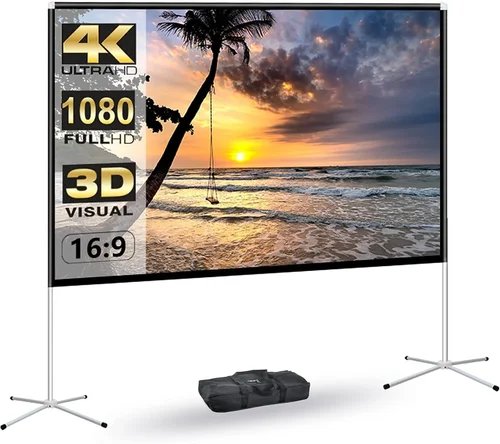
Transforming your large patio into an outdoor entertainment oasis starts with one essential upgrade: a high-quality backyard TV. Whether you’re hosting summer barbecues, watching the big game under the stars, or enjoying a cozy movie night with family, having a reliable, weather-resistant television can elevate your outdoor living experience to new heights. But with so many options on the market—ranging from rugged outdoor models to indoor TVs mounted in protective enclosures—it’s easy to feel overwhelmed. That’s where this comprehensive buying guide comes in.
This guide is designed for homeowners, outdoor enthusiasts, and tech-savvy buyers who want to make an informed decision when investing in a backyard TV. We’ll walk you through every critical factor—from brightness and durability to connectivity and budget—so you can choose a TV that delivers stunning picture quality, withstands the elements, and fits seamlessly into your lifestyle. You’ll learn how to avoid common pitfalls, understand the differences between outdoor and indoor TVs, and discover which features truly matter for large patios. By the end, you’ll have the confidence to pick the perfect outdoor display that enhances your space for years to come.
The market for outdoor televisions has evolved significantly in recent years. What once required custom-built enclosures and expensive installations now includes purpose-built outdoor TVs from reputable brands like Samsung, LG, Sony, and specialized manufacturers such as SunBriteTV and Seura. These models are engineered to handle direct sunlight, rain, dust, and temperature extremes—something standard indoor TVs simply can’t do. At the same time, advances in display technology mean you can now enjoy 4K resolution, HDR support, smart features, and even voice control—all while lounging poolside or grilling in the backyard. With this guide, you’ll navigate the options with clarity and precision.

What to Look for When Buying Buying Guide
1. Brightness & Sunlight Readability
One of the most critical factors for any backyard TV is brightness—specifically, its ability to remain visible in direct sunlight. Standard indoor TVs typically offer around 300–400 nits of brightness, which is fine for dimly lit living rooms but completely inadequate for outdoor use. On a sunny patio, glare and ambient light can wash out the image, making it impossible to see what’s on screen.
For large patios exposed to daylight, look for outdoor TVs with a minimum brightness of 700 nits, though 1,000 nits or higher is ideal. Some premium models boast up to 2,500 nits, ensuring crisp, vibrant visuals even at noon. Additionally, anti-reflective coatings and optically bonded screens help reduce glare by minimizing the air gap between the glass and display panel. This not only improves visibility but also enhances color accuracy and contrast.
Another consideration is viewing angle. If your patio seating is spread across a wide arc, choose a TV with wide viewing angles (ideally 178 degrees) to maintain image quality from the sides. OLED panels generally offer superior viewing angles compared to standard LED/LCDs, but they’re less common in outdoor models due to cost and durability concerns.
2. Weather Resistance & Durability
Outdoor TVs must withstand rain, snow, dust, humidity, and extreme temperatures—conditions that would quickly destroy an indoor model. Look for TVs with an IP (Ingress Protection) rating, which indicates resistance to solids and liquids. For full outdoor use, an IP55 or higher rating is recommended: this means the TV is protected against dust and low-pressure water jets from any direction.
Beyond the IP rating, check the operating temperature range. Most quality outdoor TVs function reliably between -22°F and 122°F (-30°C to 50°C), making them suitable for nearly all climates. Internal components should be sealed and corrosion-resistant, and the chassis should be made from powder-coated aluminum or stainless steel to prevent rust.
Also consider ventilation. Unlike indoor TVs, outdoor models often use passive cooling (no fans) to avoid drawing in moisture or debris. Ensure the TV has adequate airflow around it—never mount it flush against a wall without proper clearance. Some manufacturers include built-in heaters for cold climates, which prevent condensation and ensure startup in freezing conditions.
3. Screen Size & Viewing Distance
For a large patio, screen size matters—but bigger isn’t always better. The ideal size depends on your seating arrangement and viewing distance. As a rule of thumb, multiply your viewing distance (in feet) by 0.84 to get the recommended screen diagonal in inches. For example, if your farthest seat is 12 feet away, a 100-inch screen (12 × 0.84 ≈ 101″) would provide an immersive experience.
Common sizes for large patios range from 55 inches to 85 inches, though some ultra-premium models go up to 100 inches or more. Keep in mind that larger screens require more powerful mounting solutions and may need professional installation, especially if you’re using a motorized lift or swivel arm.
Also consider aspect ratio and resolution. Most outdoor TVs are 16:9, matching standard HD and 4K content. Avoid ultra-wide or curved screens—they’re not practical for group viewing and can distort images when viewed from the side. Stick with flat, rectangular panels for the best group experience.
4. Smart Features & Connectivity
Modern outdoor TVs aren’t just dumb displays—they come packed with smart features that let you stream Netflix, YouTube, Disney+, and more without needing an external device. Look for models running Android TV, webOS (LG), Tizen (Samsung), or Roku TV, as these platforms offer extensive app libraries and regular updates.
Connectivity is equally important. Ensure the TV has multiple HDMI ports (at least three), USB inputs, and Wi-Fi/Bluetooth support. For large patios, built-in streaming reduces cable clutter and simplifies setup. Some models even include voice assistants like Google Assistant or Alexa, allowing hands-free control—perfect when you’re cooking or relaxing with drinks in hand.
If you plan to connect gaming consoles, soundbars, or streaming sticks, verify compatibility and port availability. Note that some outdoor TVs place ports in hard-to-reach locations or require weatherproof covers, so check the manual before purchasing. Also, consider whether the TV supports HDMI ARC or eARC for easy audio output to external speakers.
5. Audio Quality & Sound Solutions
While picture quality grabs the headlines, sound is equally vital for an enjoyable outdoor viewing experience. Unfortunately, most outdoor TVs have limited built-in speakers due to space and weatherproofing constraints. Audio output is often tinny or lacks bass, especially in open-air environments where sound dissipates quickly.
To compensate, many buyers pair their outdoor TV with a weather-resistant soundbar or wireless outdoor speakers. Look for models with optical audio output, HDMI ARC, or Bluetooth pairing. Some premium outdoor TVs include enhanced audio systems with dual speakers and passive radiators, but even these may fall short in large spaces.
For the best results, consider a dedicated outdoor audio setup. Weatherproof speakers mounted around the patio can create a surround-sound effect, while a subwoofer (placed under furniture or in a sheltered area) adds depth to movies and music. Always test audio during daylight hours—wind and ambient noise can mask dialogue, so clarity is key.
6. Mounting & Installation Flexibility
How you mount your TV affects both safety and usability. For large patios, a fixed wall mount may suffice, but a full-motion articulating arm offers greater flexibility—allowing you to angle the screen toward different seating areas or retract it when not in use.
Ensure your mounting surface (wall, ceiling, or post) can support the TV’s weight. Most outdoor TVs weigh more than indoor equivalents due to reinforced casings. Use stainless steel or galvanized hardware rated for outdoor use, and avoid plastic brackets that can degrade over time.
Some homeowners opt for ceiling mounts or motorized lifts that raise the TV from a cabinet or pergola. These solutions protect the screen when not in use and add a sleek, modern touch. However, they require professional installation and may involve running power and signal cables through walls or conduit. Always consult a licensed electrician for hardwired setups.
7. Brand Reputation & Reliability
Not all outdoor TVs are created equal. Stick with established brands known for quality and customer support. SunBriteTV, for instance, specializes exclusively in outdoor displays and offers extensive warranties and replacement programs. Samsung and LG have introduced outdoor-ready versions of their popular indoor models, backed by strong service networks.
Avoid no-name brands or heavily discounted “outdoor” TVs sold on third-party marketplaces. These often lack proper weather sealing, use inferior components, or disappear from the market within a year—leaving you without support. Check professional reviews from outlets like CNET, Wirecutter, or Outdoor Electronics Review to gauge real-world performance.
Also consider regional availability. Some brands only sell through authorized dealers or require professional installation. If you live in a remote area, verify shipping options and local service centers before committing.
8. Warranty & Long-Term Support
Outdoor TVs are significant investments, so robust warranty coverage is non-negotiable. Most reputable manufacturers offer 2–3 years of coverage, with some extending to 5 years for commercial use. Look for warranties that include both parts and labor, and clarify whether on-site service is available.
Pay attention to what’s covered. A good warranty should protect against manufacturing defects, screen burn-in, and weather-related failures—but not accidental damage or improper installation. Keep your receipt and register the product promptly to activate coverage.
Long-term support matters too. Will the brand still exist in 5–10 years? Are firmware updates provided? Can you easily replace a remote or power cord? These details impact the TV’s lifespan and resale value. Brands with strong ecosystems (like Samsung’s SmartThings) often provide better ongoing support.
Different Types of Buying Guide

Common Buying Mistakes to Avoid
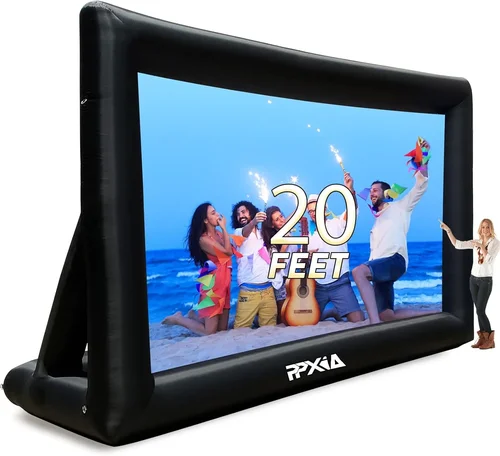
❌ Mistake: Buying an Indoor TV for Full Outdoor Use
Why it’s bad: Indoor TVs lack weatherproofing, UV protection, and sufficient brightness. Even under a covered patio, moisture, dust, and temperature swings can cause premature failure. You’ll likely face costly repairs or replacement within a year.
What to do instead: Invest in a purpose-built outdoor TV or use a certified weatherproof enclosure designed for your specific model. Never assume “it’ll be fine under the eaves”—outdoor conditions are harsher than you think.
❌ Mistake: Ignoring Viewing Angles and Seating Layout
Why it’s bad: Placing the TV too high, too low, or at an awkward angle forces viewers to crane their necks or squint. On a large patio with multiple seating zones, poor placement ruins the experience for half your guests.
What to do instead: Map your seating areas and calculate optimal height (eye level when seated) and distance. Use a full-motion mount to adjust tilt and swivel. Test with a temporary setup before final installation.
❌ Mistake: Overlooking Audio Needs
Why it’s bad: Relying solely on built-in TV speakers results in weak, muffled sound that gets lost in open spaces. Dialogue becomes inaudible, and immersion suffers.
What to do instead: Budget for outdoor speakers or a soundbar from day one. Consider wireless options to avoid running cables across the patio. Test audio with dialogue-heavy content (like news or dramas) to ensure clarity.
❌ Mistake: Choosing Based on Price Alone
Why it’s bad: The cheapest option often cuts corners on brightness, sealing, or build quality. You may save $500 upfront but spend twice as much on replacements or upgrades later.
What to do instead: Prioritize value over price. Look for models with strong warranties, proven track records, and essential features like 1,000+ nits brightness and IP55 rating. Think long-term ROI.
❌ Mistake: Skipping Professional Installation
Why it’s bad: DIY mounting can lead to improper sealing, unstable brackets, or electrical hazards. A fallen TV can cause injury or property damage.
What to do instead: Hire a certified installer familiar with outdoor AV setups. They’ll ensure proper grounding, cable management, and compliance with local codes—especially important for hardwired systems.
❌ Mistake: Neglecting Future-Proofing
Why it’s bad: Buying a TV without smart features or limited ports locks you into outdated technology. You’ll need extra devices (streaming boxes, converters) that clutter your setup.
What to do instead: Choose a model with modern connectivity (HDMI 2.1, Wi-Fi 6, USB-C) and a robust smart platform. This extends the TV’s useful life and reduces accessory dependency.
❌ Mistake: Forgetting About Maintenance
Why it’s bad: Outdoor TVs accumulate dust, pollen, and bird droppings. Without regular cleaning, screens degrade and ports corrode.
What to do instead: Establish a cleaning routine—wipe the screen monthly with a microfiber cloth and mild cleaner. Inspect seals and vents seasonally. Cover the TV during storms if recommended by the manufacturer.
Budget Guidelines: How Much Should You Spend?
- Entry-Level ($800–$1,800): This tier includes indoor TVs in basic weatherproof enclosures or older outdoor models with lower brightness (500–700 nits). Best for covered patios with minimal sun exposure. Expect limited smart features and shorter warranties. Ideal for occasional use or renters.
- Mid-Range ($1,800–$3,500): The sweet spot for most homeowners. These TVs offer 1,000+ nits brightness, IP55+ ratings, and reliable smart platforms. Brands like Samsung The Terrace and LG Outdoor TVs fall here. Great for large patios with partial sun and year-round use.
- Premium ($3,500–$6,000): For enthusiasts who demand top-tier performance. Expect 4K HDR, 2,000+ nits brightness, advanced cooling, and commercial-grade durability. Models from SunBriteTV and Seura dominate this space. Perfect for full-sun exposure and professional installations.
- Luxury ($6,000+): Reserved for ultra-large patios, luxury homes, or commercial applications. Features include 85–100″ screens, motorized lifts, integrated audio systems, and 5-year warranties. These are built to last decades with minimal maintenance.
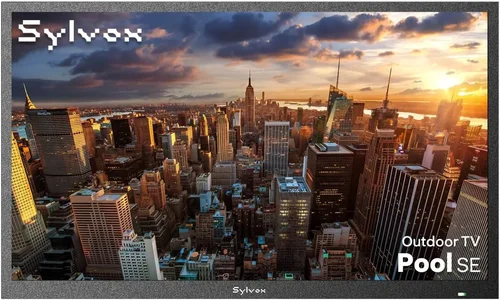
Expert Tips for Getting the Best Deal
- Buy during off-seasons: Prices drop significantly in late fall and winter when demand for outdoor gear declines. Retailers often clear inventory before spring.
- Check manufacturer rebates: Brands like SunBriteTV and Samsung offer seasonal promotions, trade-in programs, or bundled deals (e.g., free mounting hardware).
- Compare authorized dealers: Prices vary widely between online retailers, local AV shops, and direct-from-brand purchases. Use price-matching policies when available.
- Negotiate installation packages: Many dealers offer discounts if you bundle TV purchase with mounting and wiring services.
- Read the fine print on warranties: Some require professional installation to remain valid. Others exclude certain climates or usage scenarios.
- Test before you buy: If possible, visit a showroom to evaluate brightness and color accuracy in daylight conditions. Online reviews can’t replicate real-world visibility.
- Consider refurbished models: Certified pre-owned outdoor TVs from reputable sellers often come with full warranties at 20–30% off retail.
- Plan for power and internet: Ensure your patio has accessible outlets and strong Wi-Fi coverage. Weak signals cause buffering, especially with 4K streaming.

Frequently Asked Questions
Q: Can I use a regular TV outdoors if it’s under a covered patio?
A: It depends on the coverage. If the TV is fully shielded from rain, direct sunlight, and extreme temperatures, and you use a certified weatherproof enclosure, it can work short-term. However, for long-term reliability and safety, a purpose-built outdoor TV is strongly recommended—even under cover.
Q: How do I clean my outdoor TV screen?
A: Use a soft, lint-free microfiber cloth slightly dampened with water or a screen-safe cleaner. Never spray liquid directly on the screen. Avoid abrasive materials or ammonia-based cleaners, which can damage anti-reflective coatings.
Q: Will an outdoor TV work in winter?
A: Yes, most quality outdoor TVs operate down to -22°F (-30°C). Models with built-in heaters prevent condensation and ensure smooth startup in cold weather. Always check the manufacturer’s specs for your climate.
Q: Do outdoor TVs consume more power?
A: Not necessarily. While they may have brighter backlights, modern outdoor TVs use energy-efficient LED panels. Look for ENERGY STAR certification to minimize electricity usage.
Q: Can I mount an outdoor TV on a pergola or wooden post?
A: Yes, but ensure the structure is sturdy enough to support the weight and withstand wind loads. Use heavy-duty lag bolts and consider reinforcing the post with concrete if needed.
Q: Are outdoor TVs compatible with streaming devices like Roku or Apple TV?
A: Absolutely. Most outdoor TVs have HDMI ports for external devices. However, built-in smart platforms eliminate the need for dongles and reduce cable clutter.
Q: How long do outdoor TVs typically last?
A: With proper care, a high-quality outdoor TV can last 7–10 years or more. Indoor TVs in enclosures may last 3–5 years due to heat buildup and moisture exposure.
Q: What’s the difference between partial sun and full sun outdoor TVs?
A: Partial sun models (700–1,000 nits) are designed for shaded or covered areas. Full sun models (1,500+ nits) use enhanced brightness and cooling for direct sunlight. Choose based on your patio’s exposure.
Q: Can I control my outdoor TV with my smartphone?
A: Yes, most smart outdoor TVs support mobile apps for remote control, casting, and voice commands. Ensure your phone and TV are on the same Wi-Fi network.
Q: Is professional installation worth the cost?
A: For most buyers, yes. Professionals ensure safe mounting, proper sealing, and compliance with electrical codes. They also often provide warranties on their work.
Our Final Recommendations
- Best for Budget-Conscious Buyers: Samsung The Terrace (Partial Sun) – Offers excellent brightness (1,000 nits), smart features, and reliable build quality at a competitive price. Ideal for covered patios.
- Best Overall Value: SunBriteTV Veranda Series – Combines full weather resistance, 1,000+ nits brightness, and robust construction. A proven performer for large patios with mixed sun exposure.
- Best Premium Option: SunBriteTV Pro Series – Engineered for extreme conditions with 2,500 nits brightness, anti-glare coating, and commercial-grade durability. Perfect for full-sun, high-traffic areas.
- Best for Beginners: LG Outdoor TV (with webOS) – User-friendly interface, strong app support, and good brightness make it ideal for first-time outdoor TV owners.
- Best for Advanced Users: Seura Outdoor TV with Motorized Lift – Integrates seamlessly into cabinetry, offers whisper-quiet operation, and includes premium audio. Ideal for tech-savvy homeowners wanting a hidden, high-end solution.
Conclusion: Making the Right Choice
Choosing the best backyard TV for your large patio isn’t just about picking the shiniest screen—it’s about matching technology to your environment, lifestyle, and long-term goals. From brightness and weather resistance to smart features and audio quality, every detail plays a role in creating an outdoor entertainment space that’s both functional and enjoyable. By prioritizing durability over discounts, planning for proper installation, and investing in complementary accessories, you’ll build a setup that withstands the elements and delights your guests for years.
Remember, the ideal outdoor TV balances performance, protection, and practicality. Don’t rush the decision. Take time to assess your patio’s unique conditions, compare models using our guidelines, and consult with professionals when needed. Whether you’re watching fireworks on the Fourth of July or hosting a movie marathon under string lights, the right TV will transform your backyard into a true extension of your home.
Now that you’re equipped with expert knowledge, it’s time to take action. Start by measuring your space, defining your must-have features, and setting a realistic budget. Then explore our recommended models and reach out to authorized dealers for personalized advice. Your perfect outdoor viewing experience is just one smart purchase away.

